
Table of Contents
- Foundations of Simple Modern Home Styling
- Choosing a Color Palette for Simple Modern Home Styling
- Furniture Selection & Layout: The Heart of Simple Modern Home Styling
- Integrating Simple Modern Home Styling in Small Spaces
- Textiles & Soft Furnishings: Adding Comfort to Simple Modern Home Styling
- Choosing the Right Light Bulb for Your Needs
- Smart Storage Solutions: Keeping the Space Clutter‑Free
- Minimalist Home Office Styling: A Modern Guide
- Bringing Nature Inside: Greenery and Natural Elements
- Quick Home Décor Tips
- Common Mistakes to Avoid in Simple Modern Home Styling
- Frequently Asked Questions
- Conclusion
When you step into a home that feels both current and welcoming, you’re experiencing the result of simple modern home styling. This approach blends clean lines, purposeful décor, and a thoughtful balance of texture and colour, allowing spaces to breathe while still feeling personal. Whether you’re a first‑time homeowner, a renter looking to make a rented apartment feel like your own, or a seasoned décor enthusiast, mastering this style can dramatically improve the way you live and entertain.
In the next few minutes, you’ll discover how to translate the sleek aesthetic of modern design into an approachable, budget‑friendly reality. From choosing the right colour palette to selecting multifunctional furniture, we’ll break down each element so you can confidently apply the principles without feeling overwhelmed. By the end, you’ll have a toolbox of practical ideas that turn any room into a polished, comfortable sanctuary.
Ready to start? Let’s explore the core concepts that make simple modern home styling work, and see how a few intentional choices can elevate every corner of your home.
Foundations of Simple Modern Home Styling
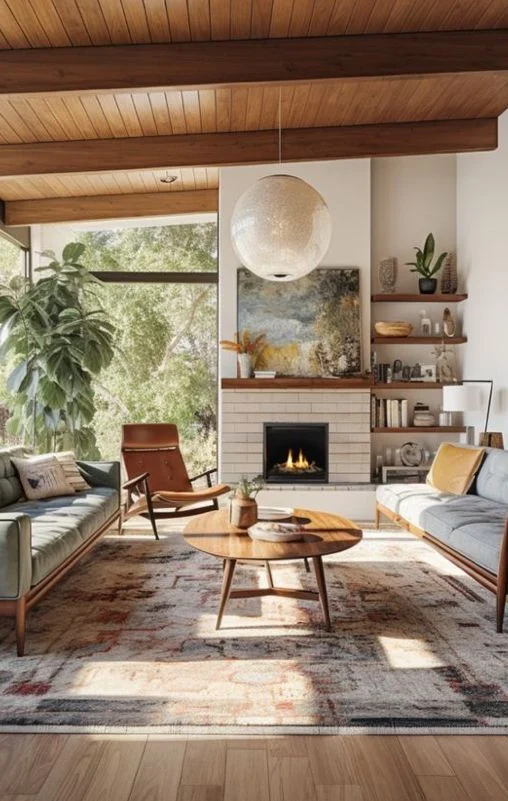
The foundation of simple modern home styling rests on three pillars: minimalism, functionality, and warmth. While modern design is often associated with stark minimalism, the “simple” qualifier reminds us that a truly inviting space needs layers of comfort. Begin by decluttering—remove items that do not serve a purpose or spark joy. This creates visual clarity, allowing the remaining pieces to shine.
Next, focus on functionality. Each piece of furniture or décor should have a clear role. In a living room, for example, a sofa is the anchor, a coffee table provides surface area, and a bookshelf offers storage while adding visual interest. By ensuring that each element contributes to the room’s purpose, you avoid unnecessary clutter and maintain the clean aesthetic that defines simple modern home styling.
Finally, introduce warmth through texture and natural materials. Think of a soft, woven rug underfoot, a linen throw draped over a sleek armchair, or a set of wooden side tables. These tactile elements counterbalance the smooth lines of contemporary furniture, making the space feel lived‑in rather than sterile.
Choosing a Color Palette for Simple Modern Home Styling
Colour sets the mood of a room, and for simple modern home styling, a restrained palette works best. Start with a neutral base—soft whites, warm greys, or muted taupes—then layer in accent colours through accessories, artwork, or an accent wall. Popular modern accent hues include deep navy, muted sage, or a bold terracotta that adds a subtle pop without overwhelming the senses.
- Neutral walls: A light, neutral wall colour reflects natural light, making spaces feel larger and more airy.
- Accent pieces: Use cushions, vases, or a single statement chair in your chosen accent colour to create visual interest.
- Contrast with metal: Brass, blackened steel, or brushed nickel fixtures add depth and a contemporary edge.
When selecting paint, consider the amount of natural light each room receives. East‑facing rooms benefit from cooler tones that complement morning light, while west‑facing spaces thrive with warmer shades that echo the evening glow.
Furniture Selection & Layout: The Heart of Simple Modern Home Styling
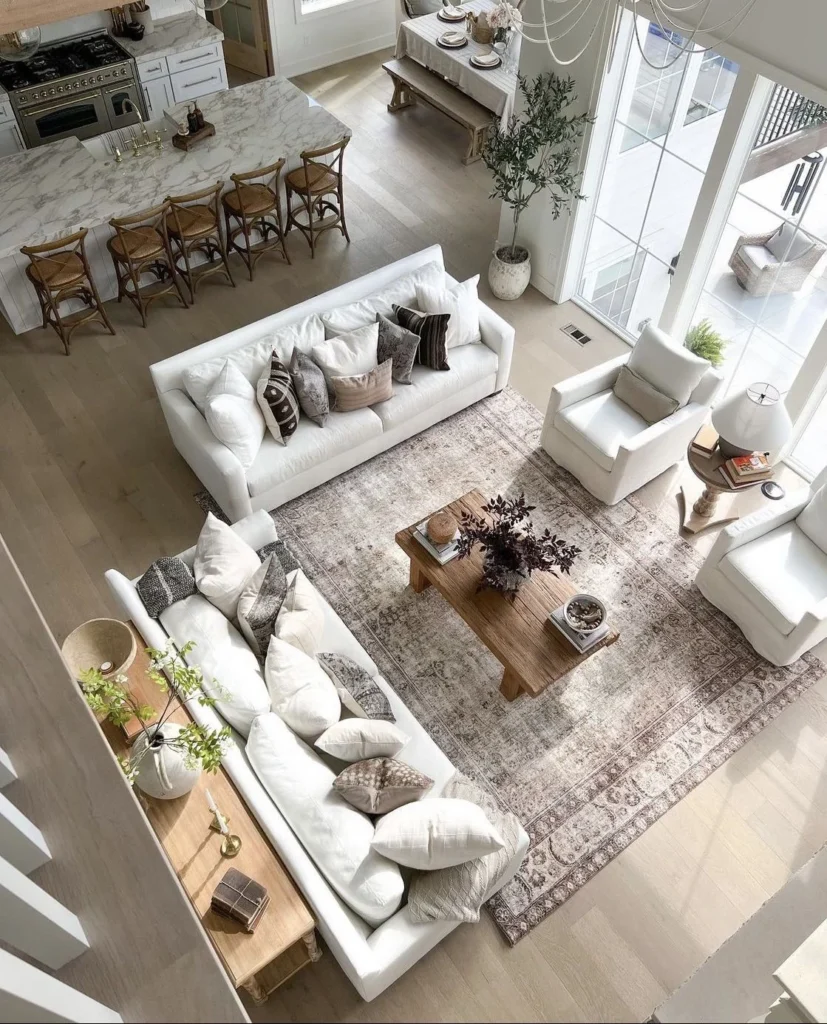
Furniture is the cornerstone of any interior, and in simple modern home styling, pieces should embody clean silhouettes and high quality. Opt for low‑profile sofas with straight lines, sleek metal or wooden frames, and upholstered seats in solid, neutral fabrics. A modular sofa can adapt to various configurations, ideal for small apartments or homes that host occasional gatherings.
When arranging furniture, follow the “zone” principle: define distinct functional areas while maintaining a flow. In an open‑plan living and dining area, place the sofa facing a focal point—often a media console or a piece of artwork—while the dining table sits perpendicular, anchored by a rug that delineates the space. This layout supports both relaxation and dining without the need for walls or partitions.
Consider multifunctional pieces. A coffee table with hidden storage, a bench that doubles as a shoe rack, or wall‑mounted floating shelves keep the floor clear, reinforcing the minimalist ethos. The key is to select items that serve more than one purpose, thereby reducing the overall quantity of furniture while maximizing utility.
Integrating Simple Modern Home Styling in Small Spaces
Compact living areas can benefit enormously from the principles of simple modern home styling. Keep the floor plan open, use furniture on legs (instead of bulky, grounded pieces) to create a sense of space, and employ mirrors strategically to reflect light. For a studio apartment, a daybed with built‑in storage acts as both sleeping area and lounge, while a narrow console table can function as a kitchen prep station or a home office desk.
In narrow hallways, a slim console with recessed lighting provides a display surface for a few curated decorative objects—think a small plant or a sculptural vase—without crowding the passage.
Textiles & Soft Furnishings: Adding Comfort to Simple Modern Home Styling
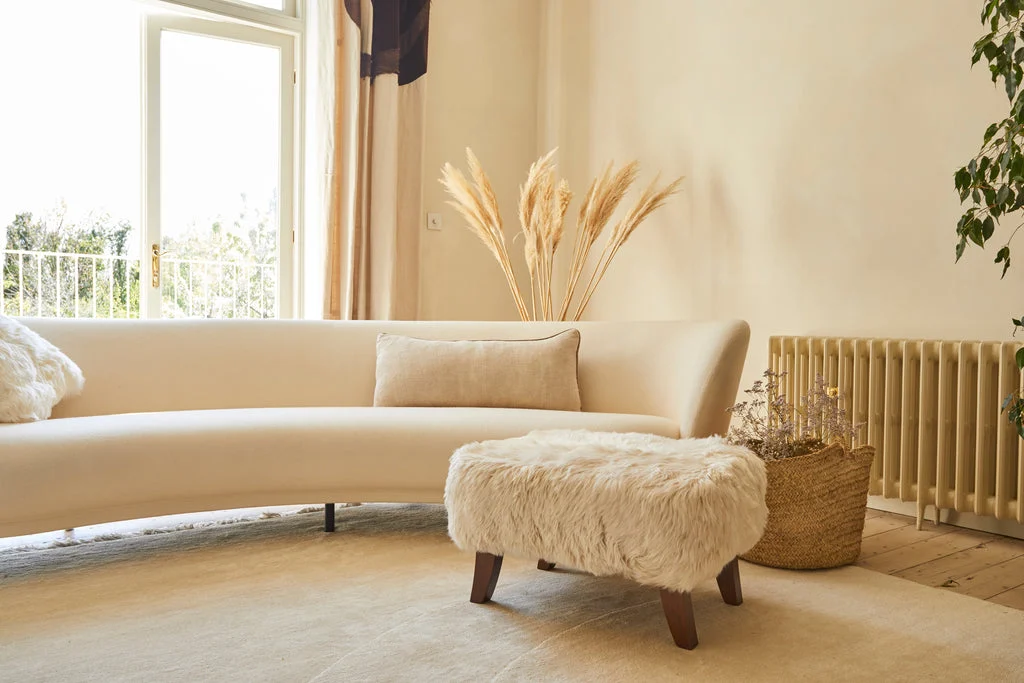
Even the most streamlined interiors need softness. Textiles introduce colour, pattern, and tactile contrast, all while maintaining the clean aesthetic of simple modern home styling. Choose natural fabrics such as linen, cotton, or wool for curtains, cushions, and throws. These materials not only age gracefully but also add a subtle, lived‑in feel that balances the sleek lines of contemporary furniture.
When selecting patterns, keep them understated. Geometric or abstract designs in muted tones complement the neutral backdrop without competing for attention. A single patterned rug can anchor a living room, while patterned pillows in a sofa’s neutral upholstery add visual depth.
Layering is another effective strategy. Start with a solid‑coloured base—like a neutral rug—then add a patterned runner or a woven throw. This creates depth without clutter and adheres to the simplicity principle.
Choosing the Right Light Bulb for Your Needs
Lighting is a critical component of simple modern home styling, influencing both ambience and functionality. For an energy‑efficient yet stylish solution, consider LED bulbs that mimic the warmth of incandescent lighting while delivering a clean, crisp illumination. If you’re unsure which size or shape to select, our guide on choosing the right light bulb offers detailed comparisons and recommendations.
Smart Storage Solutions: Keeping the Space Clutter‑Free
Clutter is the enemy of simple modern home styling. Smart storage solutions keep everyday items out of sight while reinforcing the clean aesthetic. Built‑in closets with sliding doors, floor‑to‑ceiling shelving, and hidden compartments within furniture all contribute to an organized environment.
Use open shelving sparingly—choose a single wall to display curated items such as books, pottery, or small plants. The key is restraint; a cluttered wall defeats the purpose of a minimalist look.
In kitchens, install pull‑out pantry units, magnetic knife strips, and under‑cabinet lighting to maximize functionality without adding visual bulk. For bathrooms, floating vanities and wall‑mounted towel racks free up floor space, making the room feel larger.
Minimalist Home Office Styling: A Modern Guide
Working from home has increased the demand for functional, stylish office spaces. A minimalist home office, a natural extension of simple modern home styling, focuses on a clean desk, ergonomic chair, and discreet storage. For a deeper dive, explore our Minimalist Home Office Styling guide which outlines how to create a productive environment without sacrificing design.
Bringing Nature Inside: Greenery and Natural Elements
Plants are a low‑maintenance way to soften modern interiors while improving air quality. Choose sculptural varieties—such as a tall fiddle‑leaf fig, a compact snake plant, or a trailing pothos—to add vertical interest. Place them in simple, geometric pots made of concrete, terracotta, or matte black metal to maintain the modern aesthetic.
For balconies or small outdoor nooks, consider small balcony privacy décor ideas that incorporate vertical screens or hanging planters, extending the modern look outdoors.
Natural materials like reclaimed wood, stone, or woven rattan also contribute to a warm, inviting atmosphere. A wooden coffee table paired with a glass top, for example, offers a tactile contrast while staying true to the simple modern ethos.
Quick Home Décor Tips
- Use a single statement piece—like an oversized artwork or a bold rug—to anchor the room.
- Incorporate layered lighting: ambient ceiling lights, task lamps, and accent LED strips.
- Keep accessories to a minimum; select items that have personal meaning and visual appeal.
- Introduce a pop of colour through cushions, vases, or a painted accent wall.
- Maintain visual continuity by repeating material finishes (e.g., brushed nickel hardware) throughout the home.
Common Mistakes to Avoid in Simple Modern Home Styling
Over‑decorating. Adding too many decorative objects can overwhelm the clean lines that define the style. Choose a few curated pieces rather than filling every surface.
Ignoring scale. Oversized furniture in a small room creates a cramped feel. Measure your space and select pieces proportionate to the room’s dimensions.
Neglecting lighting. Relying solely on overhead lighting can make a space feel flat. Blend ambient, task, and accent lighting for depth.
Choosing the wrong colour temperature. Cool white LEDs can make a room feel sterile, while overly warm bulbs may clash with cooler modern palettes. Aim for a balanced, neutral white (around 3000‑3500 K) for most spaces.
Frequently Asked Questions
What is the difference between modern and minimalist décor?
Modern décor focuses on current trends, clean lines, and a mix of materials, while minimalist décor emphasizes “less is more.” Simple modern home styling merges both, using contemporary pieces with a restrained approach to accessories.
Can I apply simple modern home styling in a rented apartment?
Absolutely. Opt for non‑permanent solutions like removable wallpaper, freestanding furniture, and temporary lighting fixtures. You can achieve the look without drilling holes or making permanent changes.
How do I choose the right rug size for my living room?
Place a rug that allows the front legs of your sofa and chairs to sit on it, creating a cohesive seating area. In larger rooms, a rug that occupies at least two‑thirds of the floor space works well.
Is it necessary to have an open floor plan for simple modern home styling?
While open floor plans complement the style, you can achieve a similar effect in smaller rooms by using consistent colour palettes, streamlined furniture, and visual continuity through flooring and wall treatment.
Where can I find inspiration for simple modern home styling?
Follow design blogs, browse interior design magazines, and explore social media platforms like Instagram or Pinterest using hashtags such as #simplemodernstyle. For specific ideas, check out our article on How to Decorate Like a Model Home and Living Room Rug Styling Ideas.
Conclusion
Simple modern home styling isn’t about stripping a home down to the bare bones; it’s about curating a space where every element has purpose, beauty, and a touch of warmth. By focusing on a restrained colour palette, functional furniture, thoughtful lighting, and strategic storage, you can transform any room into a sleek yet inviting sanctuary. Remember to let natural textures and greenery soften the lines, and always keep clutter to a minimum.
Start with one room, apply the principles you’ve learned, and watch how the style naturally extends throughout your home. The journey toward a modern, yet comfortable living environment is incremental, but each thoughtful decision brings you closer to a space that truly reflects your lifestyle. For more inspiration, explore the rest of The Homara’s articles and keep experimenting with simple modern home styling techniques that suit your unique taste.