
Table of Contents
- minimalist home office styling: defining the concept
- Why minimalist home office styling works
- Selecting furniture that embodies simplicity
- Furniture tips for minimalist home office styling
- Crafting a calming color palette and lighting plan
- Integrating natural light in minimalist home office styling
- Decluttering and smart storage solutions
- Minimalist storage ideas that don’t compromise style
- Adding personality without breaking the minimalism
- Balancing aesthetics and functionality
- Quick actionable tips for immediate impact
- Common mistakes and how to avoid them
- Frequently Asked Questions
- Can I achieve minimalist home office styling in a small apartment?
- Is a standing desk compatible with minimalist design?
- How do I incorporate technology without cluttering the space?
- What type of flooring works best for a minimalist office?
- Should I display books or keep them hidden?
- Can I use bold colors in a minimalist office?
Working from home has become a permanent fixture for many professionals, and the space where we spend our productive hours can dramatically influence our focus and wellbeing. A minimalist home office styling approach strips away excess, emphasizing clean lines, functional furniture, and a calming atmosphere that encourages concentration. By embracing simplicity, you not only create an aesthetically pleasing environment but also reduce visual clutter that can distract and drain mental energy.
In this guide, we’ll explore how to translate minimalist principles into a home office that feels both stylish and highly functional. From choosing the perfect desk to curating a neutral color palette, each section offers actionable advice that you can implement regardless of the size of your space. Whether you’re setting up a dedicated room or a compact corner, the strategies outlined here will help you design a workspace that supports your goals while reflecting a modern, uncluttered aesthetic.
Ready to transform your work area into a serene, efficient haven? Let’s dive into the core elements of minimalist home office styling and discover how thoughtful design can boost your productivity and mood.
minimalist home office styling: defining the concept
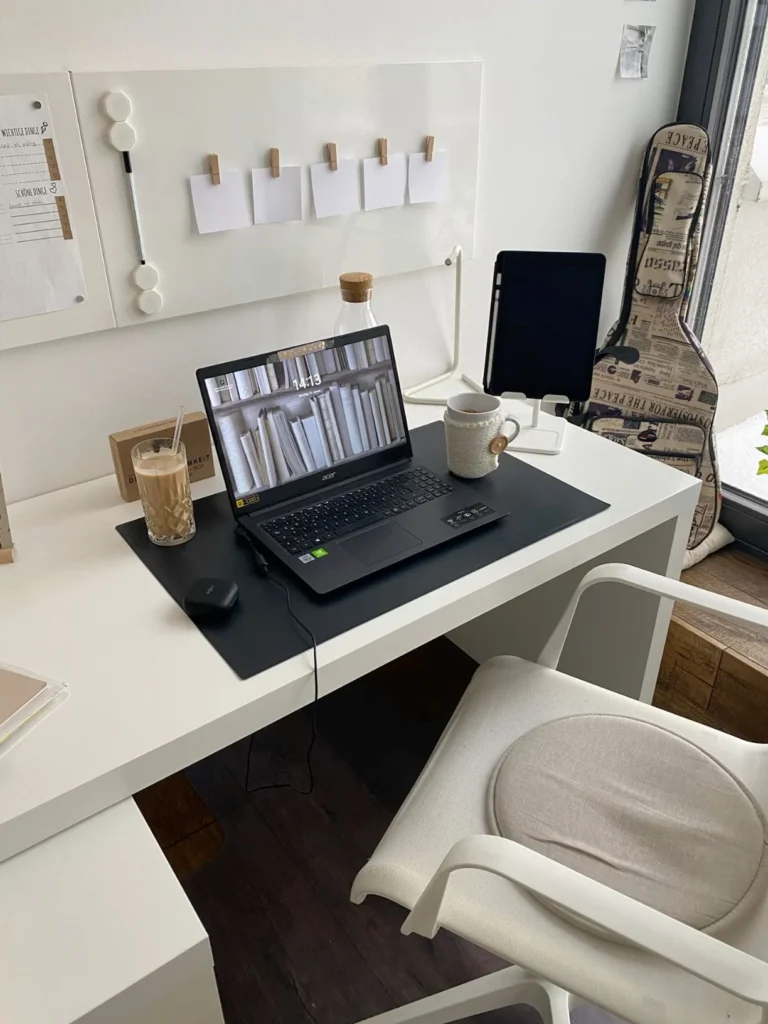
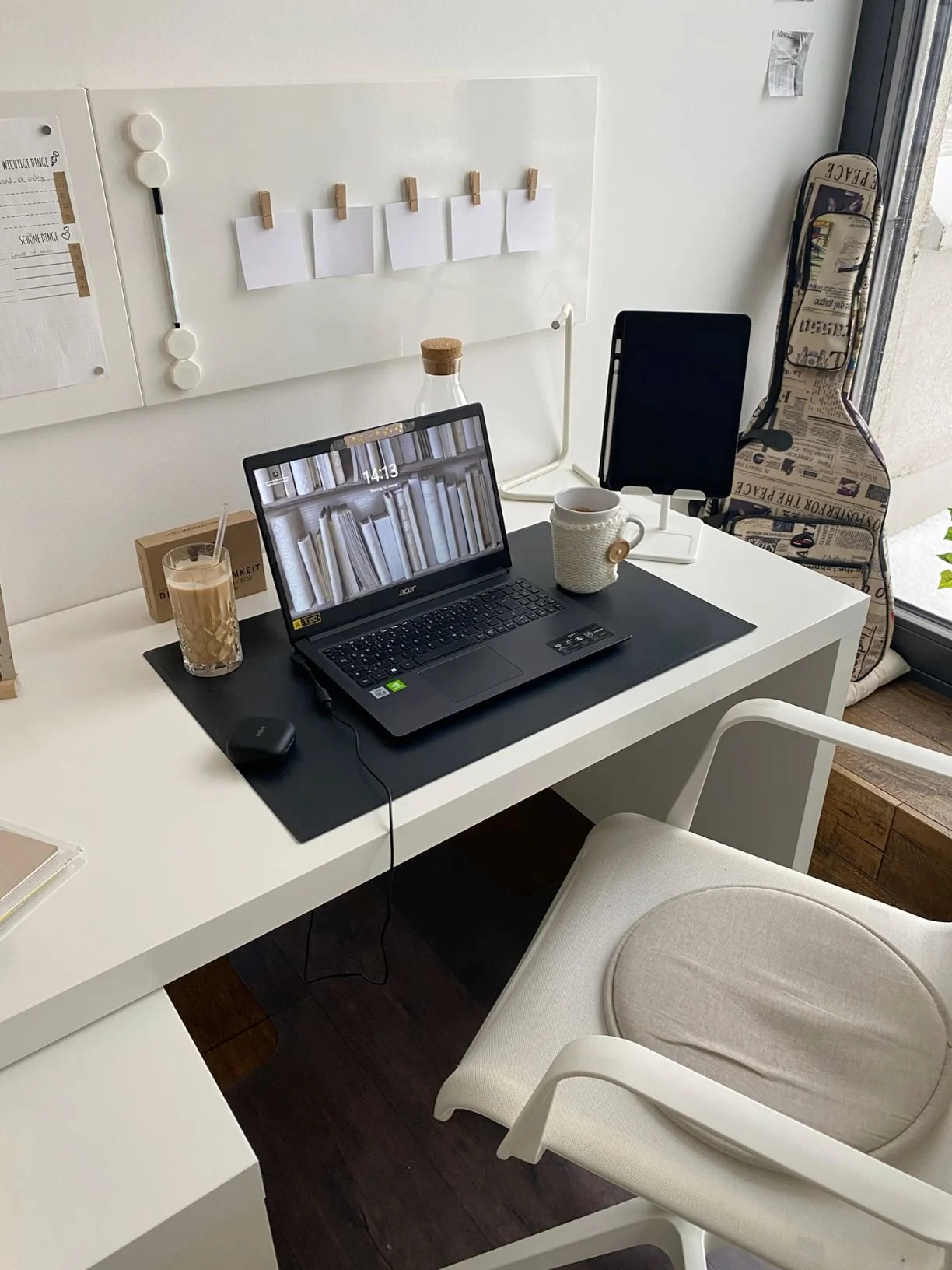
At its heart, minimalist home office styling is about intentionality—selecting only the items that serve a purpose and contribute to a cohesive visual narrative. This philosophy draws inspiration from Scandinavian and Japanese design, where the mantra “less is more” guides every decision. The result is a workspace that feels airy, organized, and free of unnecessary distractions.
Key characteristics include:
- Neutral color schemes that promote calm.
- Simple, geometric furniture with clean lines.
- Strategic use of natural light to enhance openness.
- Integrated storage solutions that keep surfaces clear.
Understanding these fundamentals sets the stage for making design choices that align with your workflow and personal style while maintaining the minimalist ethos.
Why minimalist home office styling works
The psychological impact of a decluttered environment is well documented. A tidy space reduces stress, improves focus, and can even increase creativity. By limiting visual noise, you free up mental bandwidth for the tasks at hand. Additionally, minimalist design often emphasizes durability and quality over quantity, leading to longer‑lasting furnishings and a reduced need for frequent replacements.
Selecting furniture that embodies simplicity

The furniture you choose acts as the backbone of minimalist home office styling. Opt for pieces that combine form and function without excessive ornamentation. A sleek, solid‑wood desk with clean edges offers a sturdy work surface while maintaining an understated look. Pair it with an ergonomic chair that features a minimalist silhouette—think metal or molded plastic with subtle cushioning.
When space is limited, consider a wall‑mounted floating desk. This solution eliminates the need for legs, creating a sense of floating space that visually expands the room. For those who need additional storage, choose a low-profile credenza or a set of minimalist drawer units that blend seamlessly with the walls.
Furniture tips for minimalist home office styling
- Choose natural materials like wood, metal, or glass.
- Stick to a single finish to maintain visual cohesion.
- Prioritize pieces with built‑in storage to keep the floor clear.
Crafting a calming color palette and lighting plan
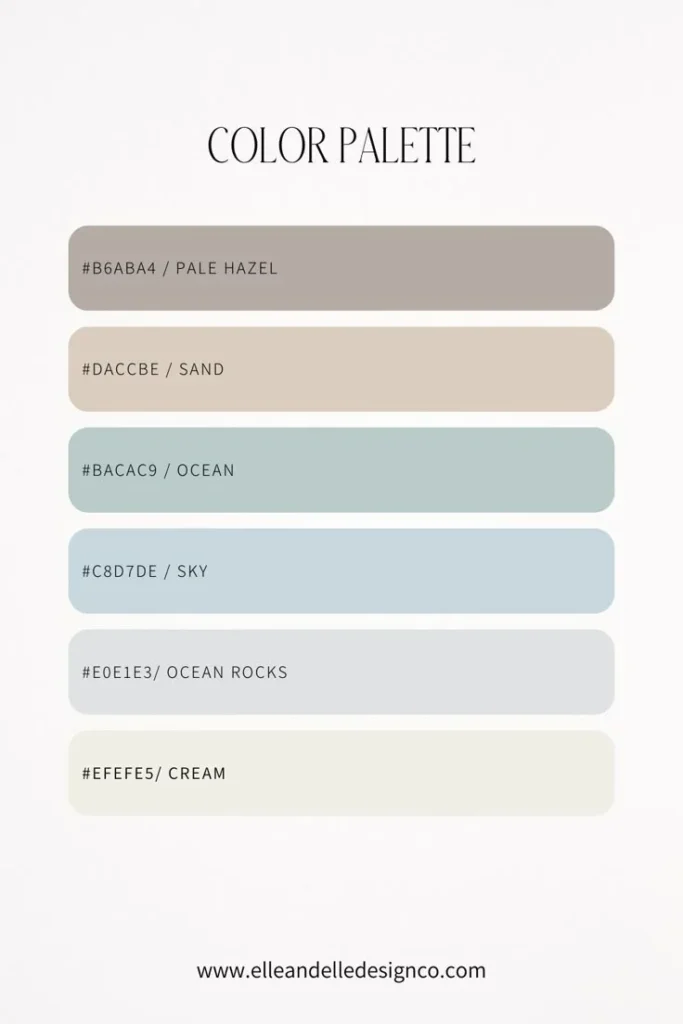
Color plays a pivotal role in setting the mood of a minimalist home office. Soft whites, warm beiges, muted grays, and gentle pastel tones create a tranquil backdrop that encourages concentration. These hues also reflect natural light, making the room feel larger and more inviting.
Lighting should be layered to prevent harsh shadows and eye strain. Position your desk near a window to harness daylight, supplemented by a sleek desk lamp with an adjustable arm. For evening work, incorporate indirect ambient lighting—such as a wall‑mounted LED strip or a minimalist floor lamp—to maintain a gentle glow without overpowering the space.
Integrating natural light in minimalist home office styling
Maximize window exposure by using sheer curtains or blinds that allow light to filter while maintaining privacy. If privacy is a concern, frosted glass panels offer a modern alternative that still admits light. When natural light isn’t an option, opt for daylight‑balanced bulbs (5000K–6500K) that mimic the sun’s spectrum, supporting alertness and reducing fatigue.
Decluttering and smart storage solutions
One of the most critical aspects of minimalist home office styling is a rigorous decluttering process. Begin by sorting items into three categories: keep, store elsewhere, and discard. Keep only the tools essential for daily work—laptop, notepad, and a few pens. Anything that isn’t used regularly should be stored out of sight.
Effective storage solutions include wall‑mounted floating shelves, slim vertical cabinets, and hidden cable management systems. A simple cable tray mounted under the desk keeps wires organized without disrupting the visual flow. Consider using decorative baskets made from natural fibers to house paper documents; they add texture while remaining concealed.
Minimalist storage ideas that don’t compromise style
- Built‑in desk drawers that blend with the desk surface.
- Floating wall shelves painted the same color as the wall.
- Under‑desk filing cabinets with a low profile.
Adding personality without breaking the minimalism
Even in a minimalist setting, you’ll want touches that reflect your personality. The key is to keep accessories purposeful and low‑key. A single piece of abstract art, a modestly sized indoor plant, or a handcrafted ceramic mug can inject warmth without overwhelming the design.
For inspiration, explore DIY room décor with dried flowers. Dried floral arrangements provide texture and color while staying subtle, aligning perfectly with minimalist home office styling. A small, low‑light‑tolerant plant, such as a snake plant, can improve air quality and add a hint of green without demanding much visual space.
Balancing aesthetics and functionality
When selecting decorative items, ask yourself: Does this piece serve a purpose beyond visual appeal? A stylish desk lamp, for instance, offers illumination and a design statement simultaneously. Keep decorative objects to a minimum—ideally, one or two focal points per zone—to preserve the clean aesthetic.
Quick actionable tips for immediate impact
- Remove everything from the desk surface; only return essential items.
- Swap heavy curtains for sheer panels to boost natural light.
- Install a cable management box under the desk to hide power cords.
- Choose a single accent color and limit it to one accessory.
- Place a small, low‑maintenance plant like a succulents on a floating shelf.
Common mistakes and how to avoid them
Even seasoned decorators can stumble when implementing minimalist home office styling. Below are frequent pitfalls and simple fixes:
- Over‑decorating: Adding too many accessories defeats the purpose of minimalism. Stick to one or two meaningful pieces.
- Ignoring ergonomics: Aesthetic appeal should never compromise comfort. Invest in an ergonomic chair and monitor stand.
- Poor lighting: Relying solely on ambient light can cause eye strain. Incorporate task lighting at the work surface.
- Choosing the wrong color palette: Dark or overly saturated colors can make the space feel cramped. Opt for light, neutral tones.
- Insufficient storage: Without proper storage, clutter returns quickly. Use vertical space and hidden compartments.
Frequently Asked Questions
Can I achieve minimalist home office styling in a small apartment?
Absolutely. Focus on multipurpose furniture, such as a wall‑mounted desk, and keep the color palette light. Vertical storage and concealed cables are essential to maintain a clean look in limited spaces.
Is a standing desk compatible with minimalist design?
Yes, provided the desk has clean lines and a simple finish. Many standing desks come in matte black or natural wood, which blend seamlessly into a minimalist aesthetic.
How do I incorporate technology without cluttering the space?
Use wireless peripherals whenever possible. A Bluetooth keyboard and mouse reduce cable mess, and a single monitor mounted on an adjustable arm frees up desk real estate.
What type of flooring works best for a minimalist office?
Light hardwood or polished concrete enhances the airy feel of a minimalist home office. If you prefer carpet, choose a low‑pile neutral tone that doesn’t dominate the room.
Should I display books or keep them hidden?
Display a curated selection of books that inspire you; arrange them vertically on a floating shelf. Excess books should be stored elsewhere to prevent visual overload.
Can I use bold colors in a minimalist office?
Bold accents can be introduced sparingly—think a single bright vase or a colorful desk organizer. The overall palette should remain muted to preserve the minimalist vibe.
By thoughtfully applying these principles of minimalist home office styling, you’ll create a workspace that feels both inviting and highly efficient. Remember, the goal isn’t to strip away personality, but to showcase it through intentional, well‑chosen pieces that serve a purpose. As you refine your office, consider exploring complementary topics like different wood floors in adjoining rooms to ensure a seamless transition between work and living areas, or discover the beauty of low light indoor trees for subtle greenery that thrives in office lighting.
Take the first step today—clear your desk, choose a neutral palette, and let simplicity guide your design decisions. A well‑styled minimalist home office not only boosts productivity but also offers a sanctuary where ideas can flourish. Keep experimenting, stay true to the core tenets of minimalism, and enjoy the calm and clarity that a thoughtfully designed workspace brings.
[INTERIOR DESIGN]