
Table of Contents
- Why minimalist home styling with plants works
- The psychological benefits of greenery in minimalist spaces
- Choosing the right plants for a minimalist aesthetic
- Low‑maintenance options that fit the minimalist vibe
- Strategic placement: How to integrate plants without clutter
- Living room focal points
- Container and pot selection that complements minimalism
- Materials, colors, and shapes that enhance simplicity
- Balancing empty space and greenery in small apartments
- Vertical gardens and hanging planters
- Seasonal care and longevity for a lasting minimalist look
- Watering, light, and repotting tips
- Quick Tips for Minimalist Home Styling with Plants
- Common Mistakes and How to Avoid Them
- Frequently Asked Questions
- Conclusion
Minimalist Home Styling with Plants: A Fresh Take on Simple Living
Living in a world that constantly pushes us toward more possessions can feel overwhelming. Minimalist home styling with plants offers a gentle antidote, allowing you to keep spaces uncluttered while still enjoying the warmth and life that greenery brings. The combination of clean lines, neutral palettes, and carefully selected foliage creates an environment that feels both spacious and inviting.
Whether you’re a seasoned minimalist, a plant enthusiast, or someone just beginning to explore interior design, this guide will show you how to marry simplicity with nature. You’ll learn which plants work best, where to place them, how to choose containers that enhance the aesthetic, and how to maintain a thriving green oasis without compromising the minimalist ethos.
Ready to transform your living areas into serene sanctuaries? Let’s dive into the principles, practical tips, and common pitfalls of minimalist home styling with plants, and discover how a single leaf can make a room feel whole.
Why minimalist home styling with plants works
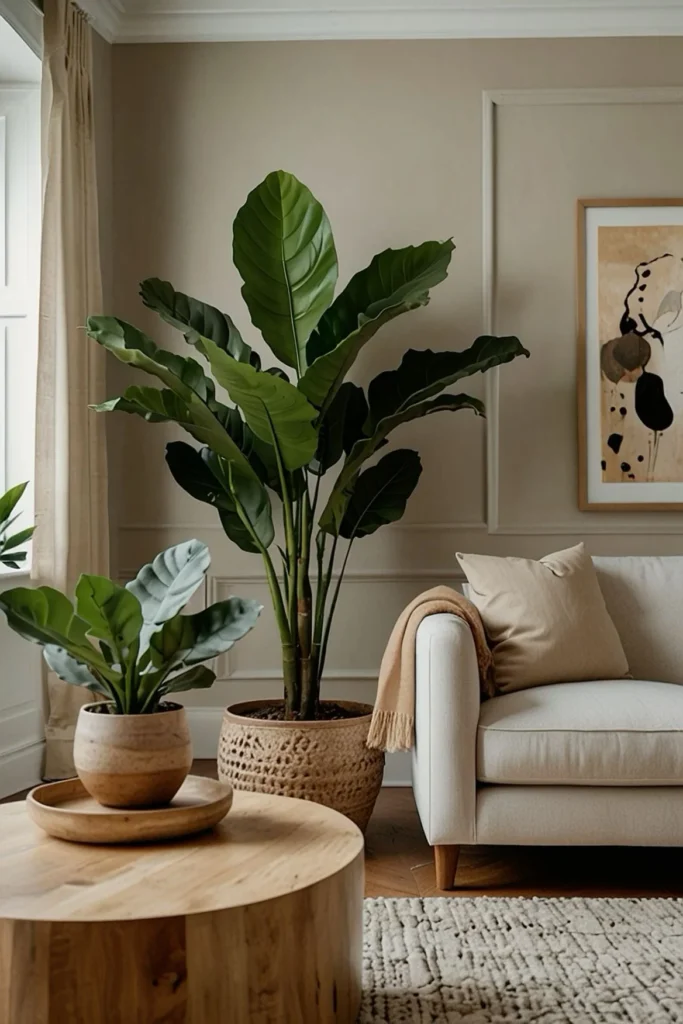
Minimalism is about intentionality—keeping only what adds value, function, or joy. Plants embody this philosophy by offering visual interest, improved air quality, and a subtle pop of color without demanding excessive space or intricate décor. The presence of a living element softens stark surfaces, creating a balanced composition that feels both modern and welcoming.
From an interior design perspective, plants serve as natural focal points. A single, well‑placed succulent can anchor a monochrome sofa, while a tall fiddle‑leaf fig can draw the eye upward, emphasizing ceiling height. This dynamic aligns perfectly with the goals of minimalist home styling with plants: to enrich the space without overwhelming it.
The psychological benefits of greenery in minimalist spaces
- Reduced stress: Greenery has been shown to lower cortisol levels, making rooms feel more calming.
- Improved concentration: A modest plant on a work desk can boost focus, a valuable perk for home offices.
- Connection to nature: Even in an urban apartment, a touch of nature can satisfy our innate biophilic tendencies.
Integrating plants into a minimalist setting doesn’t just elevate aesthetics—it nurtures well‑being. This is why many interior designers recommend at least one piece of living décor in each primary room.
Choosing the right plants for a minimalist aesthetic

The success of minimalist home styling with plants hinges on plant selection. Opt for species with clean, architectural lines, muted foliage, and low maintenance requirements. This ensures the greenery enhances rather than competes with the simplicity of the space.
Here are five top choices:
- Snake Plant (Sansevieria) – Tall, upright leaves that add vertical interest without demanding much light.
- ZZ Plant (Zamioculcas zamiifolia) – Shiny, dark leaves that thrive in low‑light corners.
- Monstera Deliciosa – Large, perforated leaves that become statement pieces when placed strategically.
- Echeveria – Compact rosettes perfect for coffee tables or shelves.
- Pothos (Epipremnum aureum) – Vining habit ideal for hanging planters or draping over a minimalist bookshelf.
Choosing plants with similar leaf shapes or tones can create a cohesive look, reinforcing the minimalist principle of visual harmony.
Low‑maintenance options that fit the minimalist vibe
For busy homeowners, low‑maintenance plants are essential. Succulents, cacti, and hardy tropicals require infrequent watering and can tolerate a range of light conditions. Pair them with simple, neutral pots to keep the focus on the plant’s form rather than decorative excess.
When selecting a plant, consider its growth rate. Fast‑growing varieties may quickly outgrow their intended spot, leading to clutter. Opt for slower‑growing species, or plan for regular pruning to maintain the minimalist silhouette.
Strategic placement: How to integrate plants without clutter

Placement is the linchpin of minimalist home styling with plants. The goal is to create visual balance while preserving open space. Think of each plant as a piece of art—its location should feel deliberate and purposeful.
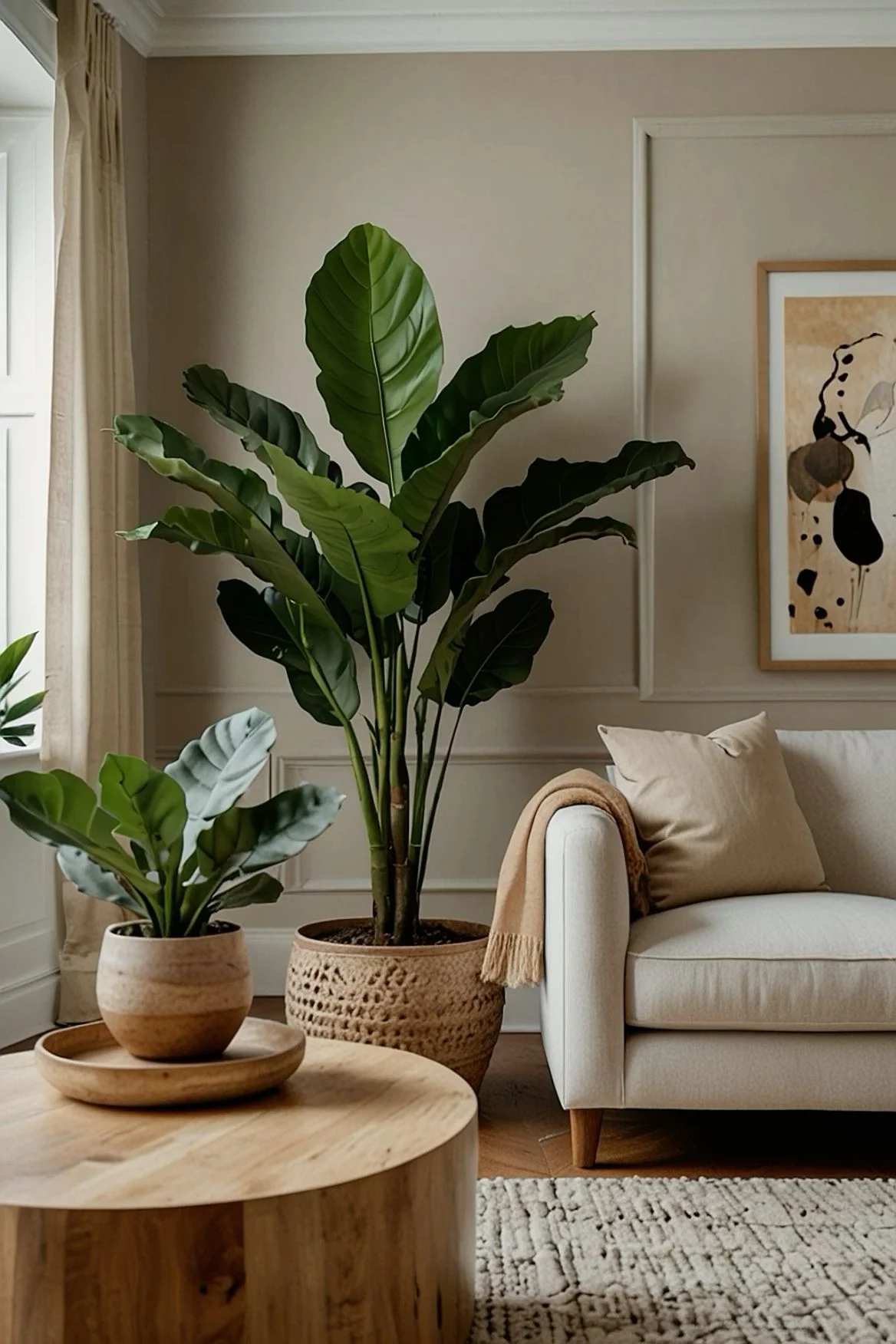
Start by identifying natural focal points in a room: the TV wall, a fireplace, or a large window. Position a statement plant nearby to draw the eye and anchor the area. In living rooms, a tall plant beside a sleek sofa can add height, while a small pot on a coffee table introduces texture without overwhelming the surface.
For smaller apartments, vertical space becomes valuable. Use wall‑mounted planters or hanging pots to free floor area while still enjoying the benefits of greenery.
Living room focal points
Imagine a minimalist living room with a low, charcoal‑gray sectional and a concrete coffee table. Placing a large, sculptural Monstera in a matte black pot at one end of the sofa creates a striking contrast that feels intentional. The plant’s organic shape softens the angular furniture, achieving balance without additional décor.
Need more ideas? Check out our workspace wall shelf inspiration for ways to incorporate shelving and greenery in a cohesive manner.
Container and pot selection that complements minimalism
The container is as important as the plant itself in minimalist home styling with plants. Pots should echo the clean lines and neutral tones of the surrounding décor. Choose materials such as concrete, matte ceramic, or brushed metal for a subtle, sophisticated look.
Size matters: a pot that’s too large can dominate a room, while one that’s too small may look lost. Aim for a pot that’s proportionate to the plant’s foliage, leaving a small gap between the pot’s rim and the plant’s base to maintain visual breathing room.
Materials, colors, and shapes that enhance simplicity
Neutral colors—white, gray, black, and earthy taupes—blend seamlessly with most minimalist palettes. For an added touch of texture, opt for pots with a slight matte finish or subtle geometric patterns. Avoid overly ornate designs or bright colors that could disrupt the calm atmosphere.
If you’re experimenting with color, consider a single accent pot in a muted sage or muted navy, placed alongside a neutral one. This creates a gentle contrast while preserving the minimalist ethos.
Balancing empty space and greenery in small apartments
Small spaces thrive on the principle of “less is more.” In such environments, each plant must serve both an aesthetic and functional role. The challenge in minimalist home styling with plants is to introduce life without compromising the feeling of openness.
Use vertical gardening techniques to keep floor space free. Wall‑mounted planters, tiered plant stands, and hanging macramé pots add depth without cluttering the ground area. Grouping two or three plants of varying heights can create a mini‑forest effect that feels intentional and curated.
Vertical gardens and hanging planters
Consider installing a floating shelf near a window and arranging a mix of trailing pothos and small succulents. The shelf acts as a display platform while the hanging planters add layers of visual interest. This approach maintains the minimalist aesthetic by keeping surfaces clear and focusing on the vertical dimension.
For inspiration on coordinating colors and textures, our guide on home décor with calming beige tones offers complementary ideas that pair well with greenery.
Seasonal care and longevity for a lasting minimalist look
Plants are living objects that need care, and proper maintenance ensures they continue to enhance a minimalist space rather than become a source of stress. Understanding seasonal light changes, watering needs, and repotting schedules is crucial.
During winter months, many plants receive less natural light. Position them closer to windows or supplement with a low‑intensity grow light to keep foliage vibrant. In summer, increase watering frequency slightly, but always check soil moisture first to avoid overwatering.
Watering, light, and repotting tips
- Watering: Use the “finger test” – insert a finger into the soil up to the first knuckle; if it feels dry, water lightly.
- Light: Rotate plants weekly to ensure even exposure and prevent lopsided growth.
- Repotting: Every 12–18 months, move plants into a pot one size larger, using well‑draining soil to prevent root rot.
Consistent care preserves the sleek appearance of your greenery, keeping the minimalist aesthetic intact for years to come.
Quick Tips for Minimalist Home Styling with Plants
- Choose plants with simple silhouettes—think snake plants, ZZ plants, or succulents.
- Stick to a neutral palette for pots; matte black, white, or concrete works best.
- Use vertical space: wall‑mounted planters or hanging pots free up floor area.
- Group plants in odd numbers (three or five) to create natural balance.
- Rotate plants periodically to maintain even growth and prevent one‑sided shading.
Common Mistakes and How to Avoid Them
Even the most thoughtful decorators can stumble. Here are typical errors in minimalist home styling with plants and practical ways to correct them:
- Overcrowding: Adding too many small plants can create visual noise. Keep the number limited and let each plant breathe.
- Inconsistent pot styles: Mixing wildly different pot designs disrupts harmony. Choose a cohesive material and finish across the collection.
- Ignoring light requirements: Placing a light‑loving plant in a dim corner leads to leggy growth. Match plant needs with the room’s light profile.
- Neglecting maintenance: Letting leaves collect dust dulls their impact. Wipe foliage gently with a damp cloth monthly.
- Choosing overly decorative planters: Ornate pots clash with minimalist décor. Opt for clean, simple shapes instead.
Frequently Asked Questions
Can I use artificial plants in a minimalist home?
Artificial plants can maintain a tidy look, but they lack the health benefits of real foliage. If you prefer low‑maintenance options, choose high‑quality faux plants that mimic natural textures.
How many plants are enough for a minimalist apartment?
Quality outweighs quantity. One or two well‑chosen statement plants per major room typically provide enough visual interest without compromising simplicity.
What is the best way to display plants in a home office?
Place a medium‑sized plant, like a ZZ plant, on a desk corner or a floating shelf above the workspace. This adds a calming element without encroaching on work surface.
Do plants affect indoor air quality significantly?
Yes, certain species such as snake plants and pothos help filter pollutants and increase oxygen levels, enhancing overall indoor air quality.
How often should I repot my minimalist plants?
Most indoor plants benefit from repotting every 12–18 months. This refreshes the soil, encourages healthy root growth, and provides an opportunity to upgrade the pot’s design.
Can I combine plants with other minimalist décor items?
Absolutely. Pair plants with sleek furniture, neutral textiles, and subtle artwork. The key is to maintain a restrained palette and avoid competing focal points.
Conclusion
Minimalist home styling with plants is more than a design trend; it’s a lifestyle choice that balances simplicity with the nurturing presence of nature. By selecting the right plants, choosing understated containers, and placing greenery strategically, you can create spaces that feel both airy and alive. Remember to care for your plants consistently, avoid common pitfalls, and let each leaf serve a purpose in your curated environment.
Now that you have a roadmap, start small—add a single snake plant in your living room, experiment with a hanging pot in the hallway, and watch how the room transforms. For more inspiration, explore our other articles on modern décor, and let The Homara be your go‑to resource for turning minimalism into a thriving, green sanctuary.