
Table of Contents
- How to Decorate Like a Model Home: Core Principles
- Understanding Model Home Aesthetics
- Selecting a Cohesive Color Palette
- Using Neutral Bases and Accent Hues
- Furniture Arrangement for Showroom Flow
- Focal Points and Traffic Pathways
- Lighting Strategies that Mimic Professional Staging
- Layered Lighting and Fixtures
- Accessorizing with Intent
- Art, Textiles, and Greenery
- Small Space Adaptation – Model Home Tricks for Apartments
- Multi‑functional Pieces and Scale
- Budget‑Friendly Hacks to Achieve Model Home Look
- DIY Projects and Smart Shopping
- Quick Home Décor Tips
- Common Mistakes and How to Avoid Them
- Frequently Asked Questions
- Bringing It All Together
How to Decorate Like a Model Home – Expert Tips & Tricks
Stepping into a model home feels like entering a curated gallery where every piece, every color, and every texture has been deliberately chosen to inspire. For many homeowners, replicating that polished, magazine‑ready look can seem out of reach, yet the principles behind it are surprisingly accessible. By understanding the design logic that professionals use, anyone can transform a lived‑in space into a showroom‑worthy environment.
This article walks you through the essential steps to achieve that sleek, cohesive aesthetic. From mastering color palettes to arranging furniture for effortless flow, you’ll discover actionable ideas that work in both spacious houses and compact apartments. Along the way, we’ll sprinkle in budget‑friendly hacks, quick tips, and common pitfalls to avoid, so you can confidently say you know how to decorate like a model home without hiring a design firm.
How to Decorate Like a Model Home: Core Principles
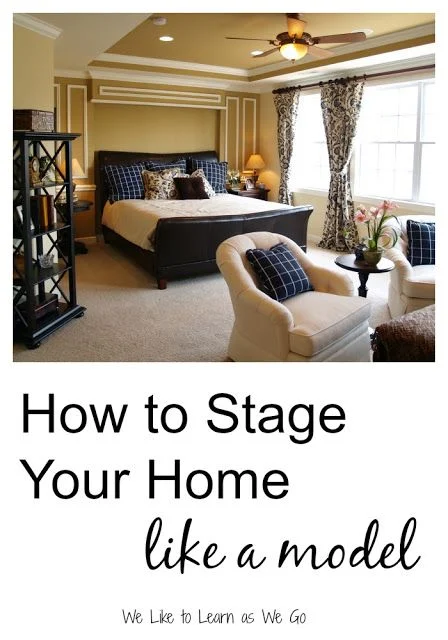
Model homes rely on a set of core design principles that create visual harmony and emotional appeal. The first rule is simplicity: clutter is the enemy of elegance. By stripping away excess, each item gains presence and purpose. Second, balance is achieved through symmetry or thoughtful asymmetry—nothing feels “off” because the eye can easily navigate the space.
Third, the use of high‑impact focal points draws attention and anchors the room. Whether it’s a statement sofa, an oversized piece of art, or a dramatic light fixture, a focal point gives the eye somewhere to rest. Fourth, texture layering adds depth without overwhelming the senses; a mix of smooth leather, plush wool, and natural wood can make a room feel both luxurious and lived‑in.
Finally, model homes often employ a “design story” that ties together color, material, and function. By deciding on a narrative—such as coastal calm, urban industrial, or mid‑century modern—you can make each choice feel intentional, which is the secret to how to decorate like a model home.
Understanding Model Home Aesthetics
- Neutral Foundations: Light grays, warm whites, and soft beiges create a canvas that lets accessories shine.
- Strategic Accents: One or two bold colors appear in pillows, artwork, or a rug, providing visual interest without chaos.
- Consistent Materials: Repeating the same wood tone or metal finish across furniture and hardware unifies the space.
Selecting a Cohesive Color Palette

The color palette sets the mood before a single piece of furniture is placed. A well‑chosen palette can make a modest room feel larger or a large room feel cozier. Begin with a base of 2‑3 neutral shades; these will dominate walls, larger furniture, and flooring. Next, add a secondary hue for larger accent pieces—think a deep navy sofa or a muted sage armchair. Finally, sprinkle in a third color for smaller accessories like cushions, vases, or artwork.
When deciding on hues, consider natural light. East‑facing rooms benefit from cooler tones that complement morning light, while west‑facing spaces can handle warmer shades that echo sunset hues. Use a digital color visualizer or paint sample strips to test how colors shift throughout the day.
Using Neutral Bases and Accent Hues
Neutral bases act like a silent partner; they never compete for attention, allowing accent hues to sparkle. For example, a charcoal‑gray sectional paired with a crisp white rug creates a dramatic backdrop for mustard‑yellow throw pillows. The contrast feels intentional and mirrors the curated feel of a model home.
Furniture Arrangement for Showroom Flow

Model homes are staged to guide a visitor’s journey, encouraging natural movement from one zone to the next. To replicate this, start by identifying the room’s primary function and then map out a traffic pathway that feels intuitive. Avoid placing furniture in the direct line of movement; instead, angle pieces slightly away to create a sense of openness.
Creating conversation zones is another hallmark of professional staging. In a living area, position a sofa opposite a pair of accent chairs, leaving a coffee table in the middle. This layout fosters interaction while keeping the visual line clear. In open‑plan spaces, use rugs or a change in flooring material to delineate areas without erecting walls.
Focal Points and Traffic Pathways
- Anchor with a Feature Wall: Paint one wall a deeper shade or apply wallpaper to draw the eye.
- Use Low‑Profile Furniture: Pieces that sit close to the floor keep sightlines open.
- Maintain Clear Walkways: Aim for at least 3‑feet of clearance between furniture pieces.
Lighting Strategies that Mimic Professional Staging
Lighting is often the unsung hero behind a model home’s allure. A layered lighting approach—combining ambient, task, and accent light—creates depth and mood. Start with ambient lighting, such as recessed LEDs or a central chandelier, to provide a uniform glow. Add task lighting where activities occur: desk lamps for a home office, under‑cabinet lights for the kitchen, or reading lights beside a sofa.
Accent lighting highlights art, architectural details, or decorative objects. Picture lights, wall sconces, and LED strip lighting behind a TV can all serve this purpose. Dimmers are essential; they let you adjust the intensity based on time of day, replicating the dynamic feel seen in showroom showrooms.
Layered Lighting and Fixtures
When selecting fixtures, keep scale in mind. A massive chandelier may overwhelm a modest living room, while a sleek pendant works beautifully over a kitchen island. Choose finishes—brushed nickel, matte black, or polished brass—that echo other hardware in the room for consistency.
Accessorizing with Intent
Accessories are the final brushstrokes that complete a model‑home look. The key is to choose pieces that enhance the design story rather than distract from it. Start with art that reflects the room’s color palette; a large abstract piece can serve as a focal point, while smaller frames add rhythm.
Textiles—rugs, throws, cushions—introduce texture and comfort. A high‑quality rug anchored under a coffee table defines the seating area and adds warmth. Incorporate greenery; a tall fiddle‑leaf fig or a cluster of succulents brings life and a touch of nature, a trend frequently seen in staged homes.
Art, Textiles, and Greenery
- Rug Placement: Ensure at least a foot of rug extends beyond furniture edges.
- Cushion Mix‑Match: Combine solid colors with subtle patterns for visual interest.
- Plants: Use decorative pots that match the room’s metal finishes for cohesion.
For more inspiration on how to use rugs effectively, check out our living room rug styling ideas guide.
Small Space Adaptation – Model Home Tricks for Apartments
Even compact apartments can feel like model homes with strategic design choices. Scale is vital; oversized furniture can dominate a small room, so opt for pieces that are proportionate. Multi‑functional furniture—such as a storage ottoman or a sofa bed—maximizes utility without adding clutter.
Use mirrors to amplify natural light and create the illusion of depth. A large mirror placed opposite a window reflects light and expands the visual field. When it comes to color, lighter tones on walls and ceilings open up the space, while a single dark accent wall adds drama without shrinking the room.
Multi‑functional Pieces and Scale
Floating shelves are a model‑home staple for small spaces. They keep floor space clear while offering storage and display options. Choose sleek, open‑back designs to maintain an airy feel.
For a fresh take on small‑space décor, explore our article on small balcony privacy décor ideas, which includes clever ways to use vertical space.
Budget‑Friendly Hacks to Achieve Model Home Look
You don’t need a lavish budget to replicate the look of a staged model home. Begin by decluttering—removing items you don’t love instantly creates space and elegance. Next, focus on “high‑impact, low‑cost” upgrades: swap out dated hardware for modern finishes, repaint an old dresser, or add new cushion covers.
DIY projects are another avenue for savings. Creating your own wall art using canvases and paint, or repurposing wooden pallets into coffee tables, can add personality while keeping expenses down. Smart shopping at outlet stores or online sales for key pieces—like a statement sofa or a chandelier—also stretches your budget.
DIY Projects and Smart Shopping
- Paint Furniture: A fresh coat of chalk paint turns thrifted pieces into chic statements.
- Upgrade Lighting: Replace outdated bulbs with LED versions for both style and energy savings.
- Shop Samples: Look for floor models or discontinued lines that are often discounted.
If you’re interested in a practical guide to budgeting for home décor, see our DIY room décor with dried flowers article, which outlines affordable styling strategies.
Quick Home Décor Tips
- Keep window treatments simple; sheer panels let in light while maintaining privacy.
- Use a single metal finish for all hardware—handles, lamp bases, and light fixtures—to unify the look.
- Swap out decorative pillows seasonally to refresh the space without major purchases.
- Introduce a statement piece, such as a bold mirror or sculptural vase, to create instant visual interest.
- Maintain a “one‑in, one‑out” rule for décor items to prevent clutter buildup.
Common Mistakes and How to Avoid Them
Even seasoned decorators fall into traps that dilute the model‑home vibe. One frequent error is over‑accessorizing; too many decorative objects compete for attention, making the room feel chaotic. The solution is to curate—choose a handful of meaningful pieces and give them breathing room.
Another pitfall is neglecting scale. A tiny side table in front of a massive sectional creates imbalance. Measure your space and select furniture that respects proportions. Finally, ignoring lighting can leave a room flat. Ensure you have layered lighting and consider the direction of natural light to avoid overly bright or dim zones.
Frequently Asked Questions
What is the first step to achieving a model‑home look on a tight budget?
Start by decluttering and establishing a neutral color base. This creates a clean canvas that makes inexpensive accessories and furniture upgrades appear more intentional.
Can I use bold colors and still look like a model home?
Yes, but keep bold hues limited to accent pieces such as pillows, artwork, or a single accent wall. The dominant neutrals will maintain the sophisticated, showroom feel.
How important is symmetry in model‑home styling?
Symmetry provides visual balance, but asymmetrical arrangements can work when paired with a strong focal point and consistent color scheme. The key is to keep the overall composition harmonious.
Should I invest in high‑end furniture to mimic a model home?
Not necessarily. Focus on quality pieces that fit your scale and style. Often, a well‑chosen budget sofa paired with elegant accessories can achieve the same effect as expensive furniture.
How can I make a small bedroom feel like a model home?
Use light, neutral walls, incorporate a statement headboard, and add layered lighting (overhead, bedside lamps, and wall sconces). A simple rug and a few curated décor items complete the look.
Bringing It All Together
Now that you understand the fundamental elements—color harmony, purposeful furniture placement, layered lighting, and thoughtful accessorizing—you have a clear roadmap for how to decorate like a model home. Remember that the goal isn’t to copy a single staged space but to adapt the principles to your lifestyle and budget. Start small: pick one room, apply the core ideas, and watch the transformation unfold.
As you experiment, keep the design story consistent, avoid clutter, and let each piece earn its place. With patience and creativity, your home can exude the same polished, inviting atmosphere that draws visitors into a model home. Explore more design inspiration on The Homara and keep refining your space—your dream home is just a few thoughtful choices away.