

Table of Contents
- Living Room Rug Styling Ideas for Different Layouts
- Living Room Rug Styling Ideas: Color Coordination
- Layering Rugs: Adding Depth and Personality
- Choosing the Right Material for Lifestyle Needs
- Mixing Patterns Without Overwhelming the Space
- Rug Placement Tips for Small Spaces
- Living Room Rug Styling Ideas: Seasonal Swaps
- Quick Home Décor Tips for Rug Styling
- Common Mistakes When Styling Rugs (And How to Avoid Them)
- Frequently Asked Questions
- How do I determine the correct rug size for my living room?
- Can I use a rug in a high‑traffic area without it wearing out quickly?
- Is it okay to have a rug that’s a different color than my sofa?
- How can I layer rugs without it looking chaotic?
- Do I need a rug pad under every rug?
- What are the best rug materials for pet owners?
Living Room Rug Styling Ideas – Fresh Ways to Elevate Your Space
Rugs are more than just floor coverings; they are the silent architects of a room’s mood, scale, and flow. In a living room, where families gather, guests mingle, and daily life unfolds, the right rug can bind furniture, add texture, and inject personality without overwhelming the space. Whether you’re working with a compact city apartment, a spacious suburban lounge, or a mid‑century modern den, mastering living room rug styling ideas helps you turn a simple floor into a curated canvas.
This guide walks you through practical, design‑forward strategies that balance aesthetics with functionality. From choosing the perfect size and pattern to layering rugs for depth, you’ll learn how to make intentional choices that reflect your style and meet real‑world needs. Expect actionable tips, common pitfalls to avoid, and answers to the most frequently asked questions—all curated for modern homeowners and renters who want a polished yet lived‑in feel.
Living Room Rug Styling Ideas for Different Layouts
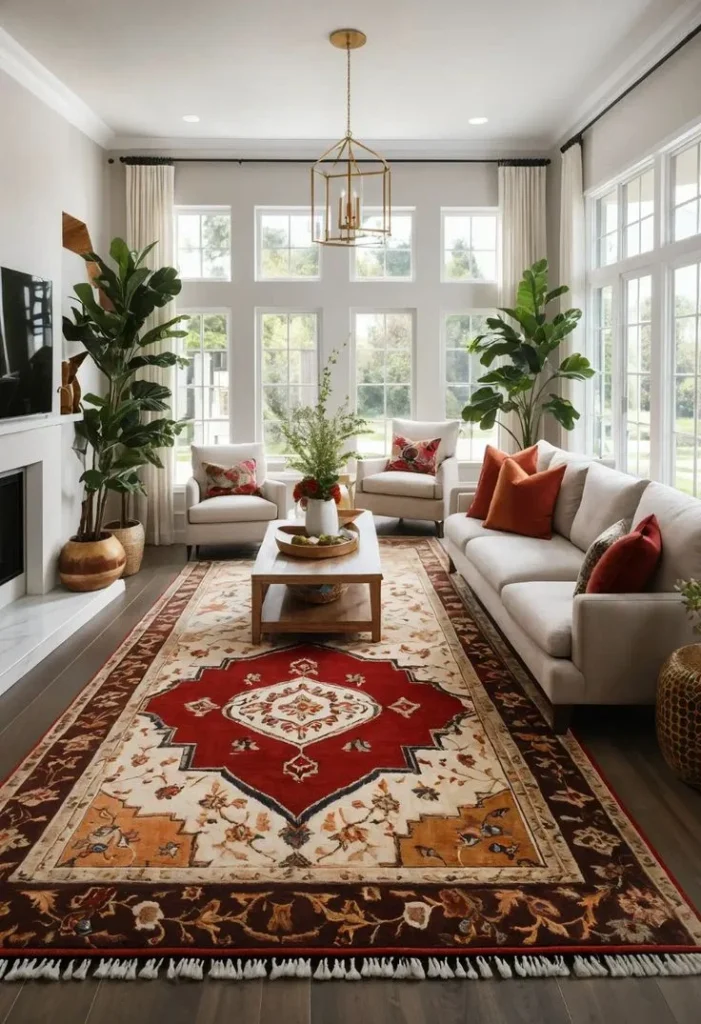
Every living room has a unique footprint, and the first step in any rug plan is to understand that layout. Open‑concept spaces demand rugs that define zones without breaking the visual continuity, while cozy alcoves benefit from a rug that creates intimacy. Measure the seating area, then decide whether the rug should sit entirely beneath the furniture or extend beyond it for a “floating” effect.
For a classic arrangement, aim for a rug that accommodates the front legs of sofas and chairs. This anchors the seating group and gives the eye a clear reference point. In larger rooms, try a larger rug that reaches under the back of sofas for a unified look, or use two complementary rugs—one under the main seating and another under a reading nook.
- Square rooms: A centered square rug aligns naturally with the geometry of the space.
- Rectangular rooms: Choose a rug that runs parallel to the longest wall to elongate the room.
- Irregular shapes: Custom‑cut rugs or layered rectangular rugs can fill awkward corners gracefully.
Living Room Rug Styling Ideas: Color Coordination
Color is the most immediate way to influence the mood of a room. When selecting a rug, consider the existing palette of walls, upholstery, and accessories. A neutral rug—think ivory, taupe, or soft gray—offers a subtle backdrop for bold furniture, while a vibrant patterned rug can become the focal point that ties together contrasting hues.
Use the 60‑30‑10 rule: 60 % dominant color (walls), 30 % secondary (sofa or rug), and 10 % accent (pillows, art). If your sofa is a deep navy, a rug with navy accents and lighter neutrals can reinforce the palette without feeling heavy. For monochrome schemes, introduce texture through a rug with a subtle fringe or a low‑pile weave to avoid visual flatness.
Layering Rugs: Adding Depth and Personality
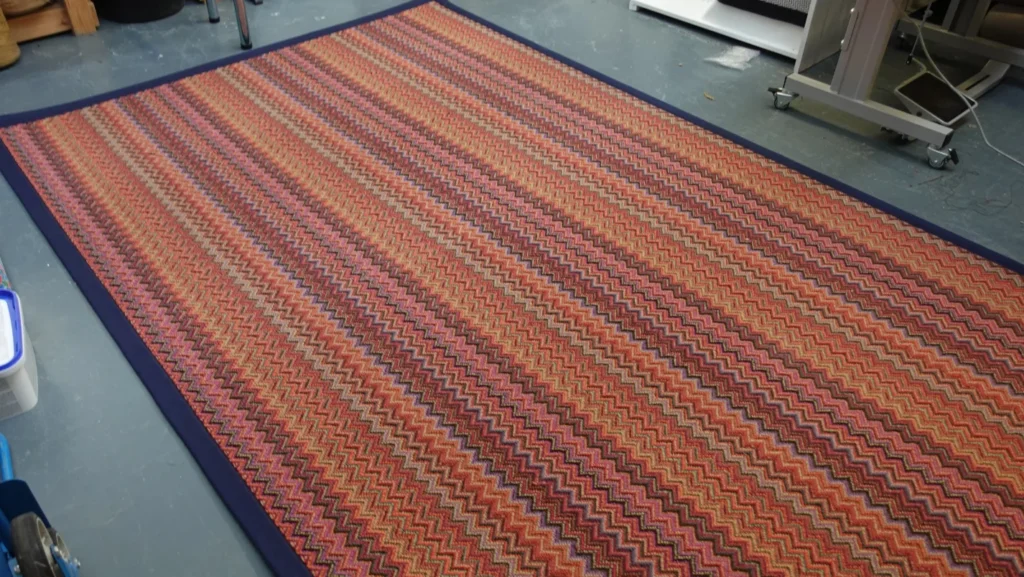
Layering rugs is a trend that adds dimension and a sense of curated comfort. By placing a smaller, patterned rug over a larger, solid‑colored base, you create visual interest while defining sub‑areas within the larger living room. This technique works especially well in eclectic interiors where mixed textures convey a lived‑in aesthetic.
When layering, keep the base rug larger than the top rug by at least 12–18 inches on all sides. This prevents the edges from looking truncated and maintains a balanced proportion. Choose rugs with contrasting textures—perhaps a plush shag over a flat‑woven jute—to highlight each piece’s material qualities.
- Start with a neutral, low‑pile base for a seamless foundation.
- Layer a patterned or color‑rich rug on top to inject personality.
- Secure both rugs with a non‑slip pad to prevent shifting.
Choosing the Right Material for Lifestyle Needs

Material selection directly impacts durability, comfort, and maintenance. High‑traffic living rooms benefit from low‑pile wool or synthetic blends that resist wear and hide stains. If you love the softness of a high‑pile rug, consider a removable rug pad that allows you to lift and clean the rug more easily.
For eco‑conscious homes, natural fibers such as jute, sisal, or seagrass provide a sustainable option with a rustic feel. These are ideal for casual, bohemian looks but may require occasional vacuuming to keep dust at bay. Families with pets often gravitate toward stain‑resistant polypropylene rugs, which can be hosed down without damage.
Mixing Patterns Without Overwhelming the Space
Pattern mixing is an art that, when done correctly, adds visual intrigue. The key is to balance scale and color. Pair a large‑scale geometric rug with smaller, subtle patterns in pillows or curtains. Conversely, a delicate floral rug can be complemented by a bold, solid‑colored sofa.
Stick to a unified color family to keep the room cohesive. For example, a rug featuring shades of teal, mustard, and ivory can harmonize with a teal sofa and mustard accent chairs, while the ivory ties in with a light‑colored wall. Use the “one‑plus‑one” rule: limit the room to two dominant patterns—one on the rug, one on textiles—to avoid visual chaos.
Rug Placement Tips for Small Spaces
In apartments or tiny living rooms, every square foot counts. A rug that’s too large can make the room feel cramped, while a rug that’s too small may look lost. Opt for a rug that fits within the seating area but leaves a border of floor visible—this creates an illusion of more space.
Round rugs work wonders in narrow rooms because they soften hard lines and encourage flow. If you have a sectional that dominates one wall, place a rectangular rug only under the coffee table and the front legs of the sectional, leaving the rest of the floor open. This technique visually “breaks up” the mass of furniture, making the room feel airy.
Living Room Rug Styling Ideas: Seasonal Swaps
Seasonal changes offer an easy excuse to refresh your living room without major investment. Swap a light‑colored linen rug for a deeper, plush option in winter, or rotate a patterned rug for a plain one during summer to showcase vibrant artwork. Seasonal swaps also let you experiment with textures—think a woven straw rug in spring versus a velvety rug in fall.
When swapping, keep the rug’s size consistent to maintain spatial balance. Store off‑season rugs in a breathable fabric bag to protect them from dust and moisture. This habit extends the lifespan of your rug collection while keeping your décor feeling current.
Quick Home Décor Tips for Rug Styling
- Use a rug pad: It prevents slipping, adds cushion, and protects both rug and floor.
- Anchor the rug with furniture: Align the rug’s edges with the legs of sofas and chairs for a grounded look.
- Mind the traffic flow: Ensure pathways remain clear to avoid tripping hazards.
- Match rug style with room style: A modern geometric rug fits contemporary spaces, while a traditional Persian rug suits classic interiors.
- Play with texture: Combine a plush rug with a sleek coffee table for contrast.
Common Mistakes When Styling Rugs (And How to Avoid Them)
Even seasoned decorators stumble over a few pitfalls. One frequent error is choosing a rug that’s either too small or too large for the furniture arrangement. A tiny rug can look like a misplaced mat, while an oversized rug can swallow the room, making it feel lost. Measure first, then visualize with painter’s tape before purchasing.
Another mistake is ignoring the rug’s shape in relation to the room’s geometry. A round rug in a rectangular space can create a disjointed look unless balanced with complementary furniture shapes. Lastly, overlooking maintenance leads to premature wear—always consider the rug’s care instructions relative to household traffic and pets.
Frequently Asked Questions
How do I determine the correct rug size for my living room?
Start by measuring the seating area. A common rule is to leave at least 18–24 inches of floor visible around the rug’s perimeter. For a sofa and two chairs, a 5 × 8‑foot rug usually works well. In larger rooms, you may opt for a 8 × 10‑foot rug that extends under the back of the sofa.
Can I use a rug in a high‑traffic area without it wearing out quickly?
Yes. Choose low‑pile materials such as wool, nylon, or polypropylene, which are more resistant to crushing and staining. Pair the rug with a high‑quality rug pad to reduce friction and extend its lifespan.
Is it okay to have a rug that’s a different color than my sofa?
Absolutely. A contrasting rug can create a dynamic visual anchor. Just ensure the colors share at least one hue or a complementary tone to maintain cohesion. For example, a teal sofa paired with a rug featuring teal accents and neutral background works beautifully.
How can I layer rugs without it looking chaotic?
Keep the base rug larger and in a neutral tone, then layer a smaller, patterned rug on top. Maintain a consistent border (12–18 inches) around the top rug, and choose rugs with differing textures to distinguish each layer.
Do I need a rug pad under every rug?
While not mandatory, a rug pad is highly recommended. It prevents slipping, adds cushioning, and protects both the rug and underlying floor—especially important on hardwood or tile.
What are the best rug materials for pet owners?
Pet‑friendly options include synthetic fibers like polypropylene or polyester, which are stain‑resistant and easy to clean. Low‑pile rugs are easier to vacuum, and a dark‑colored rug can mask pet hair between cleanings.
For more inspiration on coordinating colors and textures, see our guide on minimalist home office styling. If you’re interested in natural accents, explore DIY room décor with dried flowers. And when working with multiple flooring types, read different wood floors in adjoining rooms – seamless design tips for seamless transitions.
By applying these living room rug styling ideas, you can transform any space—from a modest studio to a sprawling family lounge—into a cohesive, comfortable, and visually compelling environment. Remember, the rug is your canvas; choose wisely, layer thoughtfully, and let your personal style shine through.