
Table of Contents
- Understanding the Tomato Press vs Food Mill Debate
- How a Tomato Press Works
- Key Differences Between a Tomato Press and a Food Mill
- Texture Control in Tomato Press vs Food Mill
- Choosing the Right Tool for Specific Recipes
- Tomato Press vs Food Mill for Sauces and Soups
- Design and Ergonomics: Kitchen Integration
- Space Saving: Tomato Press vs Food Mill in Small Kitchens
- Maintenance, Cleaning, and Longevity
- Cleaning Tips for Tomato Press vs Food Mill
- Budget Considerations and Value
- Cost Comparison: Tomato Press vs Food Mill
- Quick Tips for Using Your Tomato Press or Food Mill
- Common Mistakes When Using a Tomato Press or Food Mill
- Frequently Asked Questions
Tomato Press vs Food Mill: Choosing the Best Tool for Your Kitchen
When it comes to turning fresh tomatoes into silky sauces, velvety soups, or chunky salsas, the choice of equipment can dramatically affect the final result. Two popular contenders— the tomato press and the food mill— often sit side by side in kitchen stores, each promising effortless processing. Understanding the nuances of the tomato press vs food mill debate helps home cooks and culinary enthusiasts avoid costly missteps and achieve consistent, restaurant‑quality textures.
In this comprehensive guide, we’ll explore how each device works, compare texture control, cleaning ease, space requirements, and price points. By the end, you’ll know exactly when to reach for a tomato press and when a food mill will serve you better, whether you’re preparing a quick weekday marinara or a slow‑cooked ragù for a weekend dinner party.
Understanding the Tomato Press vs Food Mill Debate
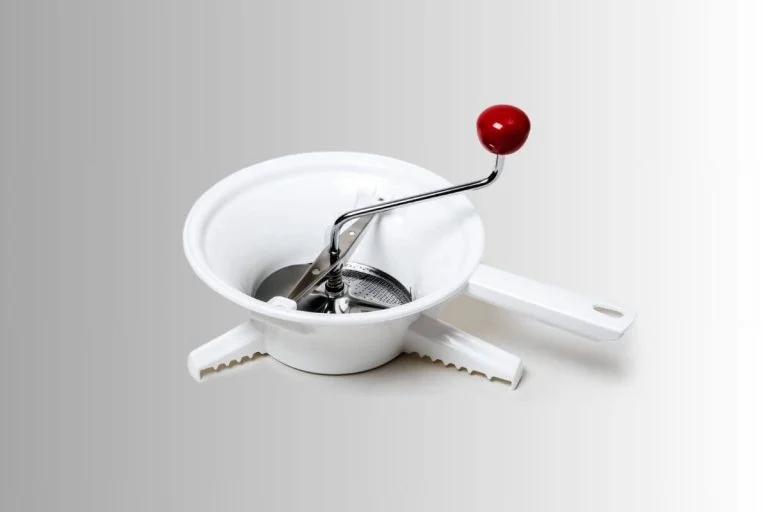
The first step in evaluating the tomato press vs food mill is to grasp the basic mechanics behind each tool. A tomato press typically features a sturdy, perforated basket and a lever or screw that forces the fruit through the holes, separating flesh from skins and seeds in one motion. The result is a smooth puree with minimal effort, especially when dealing with ripe, juicy tomatoes.
A food mill, on the other hand, combines a hand‑crank with interchangeable discs that dictate the size of the cut. As you turn the crank, the tomatoes are forced through a central cone and out through the disc holes, allowing you to choose between fine, medium, or coarse textures. This versatility makes the food mill useful for a wider range of vegetables beyond tomatoes, such as carrots, apples, or cooked potatoes.
How a Tomato Press Works
The tomato press relies on direct pressure. You place halved tomatoes— often with the skins left on— into the basket, then push the press down. The skins and seeds stay behind while the juicy pulp is expelled. Because the press uses sheer force, it excels with soft, ripe fruit but can struggle with firmer, less‑ripe tomatoes. This simplicity is why many chefs favor the tomato press for quick sauce prep.
Key Differences Between a Tomato Press and a Food Mill
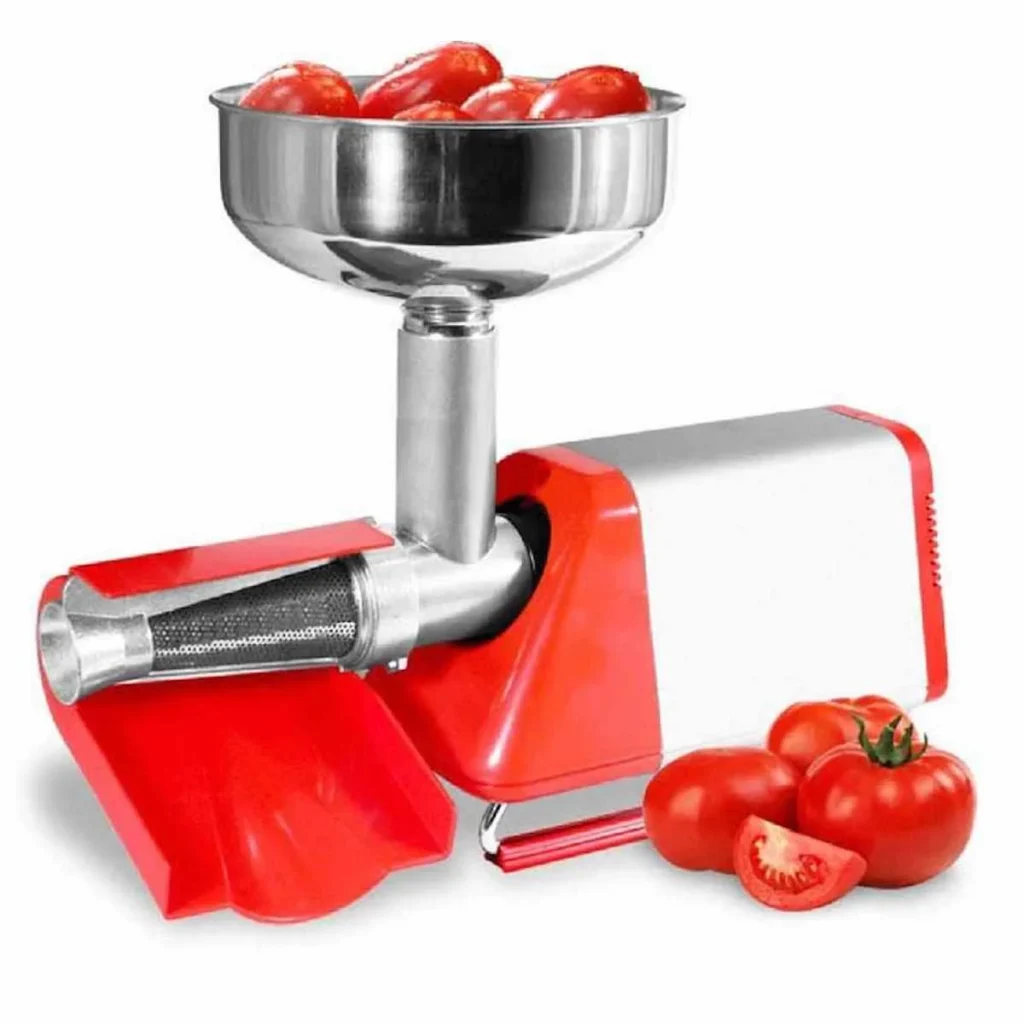
While both tools aim to puree, the tomato press vs food mill comparison reveals distinct strengths. The tomato press generally delivers a smoother, more uniform puree with less manual effort, whereas the food mill offers adjustable texture and greater versatility across ingredients. The following points break down the core differences that matter in everyday cooking.
Texture Control in Tomato Press vs Food Mill
Texture is often the deciding factor. With a tomato press, the pulp emerges through a single set of holes, giving a consistent, fine texture ideal for classic marinara or pizza sauce. A food mill, however, lets you swap discs ranging from 0.5 mm (very fine) to 4 mm (coarse). This means you can retain a hint of tomato skin for rustic sauces or create a smooth base for soups. When you need that extra bite in a chunky salsa, the food mill’s coarse setting beats the tomato press’s uniformity.
Choosing the Right Tool for Specific Recipes
Not every dish benefits from the same level of smoothness. Knowing when to use a tomato press vs food mill can elevate both flavor and presentation. Below, we match common recipes with the tool that best serves their texture goals.
Tomato Press vs Food Mill for Sauces and Soups
For a quick, smooth tomato sauce, the tomato press shines. Its ability to separate skins and seeds in one pass reduces the need for extra straining. For a hearty minestrone or a velvety bisque, a food mill with a medium‑fine disc provides a slightly thicker mouthfeel while still removing unwanted skins. If you’re making a chunky tomato‑based soup like gazpacho, the food mill’s coarse setting preserves the fresh bite that a tomato press would otherwise eliminate.
For more inspiration on balancing textures in your kitchen, check out our guide on Living Room Rug Styling Ideas – Fresh Ways to Elevate Your Space. Though focused on décor, the principles of layering and texture translate well to food preparation.
Design and Ergonomics: Kitchen Integration
Beyond performance, the tomato press vs food mill decision involves how each device fits into your kitchen layout and workflow. Both tools come in a range of sizes, from compact hand‑held models to larger countertop versions, but their ergonomics differ.
Space Saving: Tomato Press vs Food Mill in Small Kitchens
If you’re working with limited counter space, a tomato press often has a slimmer profile and can be stored upright in a pantry or cabinet. The food mill’s larger crank and interchangeable disc set require a bit more storage room, especially if you keep multiple disc sizes. However, many modern food mills feature collapsible handles and stackable parts, making them more manageable than older, bulkier models.
For homeowners who love a sleek, clutter‑free aesthetic, consider the Thermador vs Bosch: A Comprehensive Comparison Guide. Understanding appliance dimensions can help you allocate the right amount of space for your chosen tool.
Maintenance, Cleaning, and Longevity
Cleaning frequency and ease can influence how often you actually use a tool. The tomato press vs food mill comparison must include post‑use care, especially since both devices handle sticky, acidic tomato juice.
Cleaning Tips for Tomato Press vs Food Mill
Most tomato presses have removable baskets that rinse clean under running water. Some stainless‑steel models are dishwasher‑safe, though hand‑washing preserves the finish longer. Food mills require a bit more attention: you’ll need to disassemble the crank, disc, and bowl, then scrub the small openings to prevent pulp buildup. A brush specifically designed for food‑mill holes is a worthwhile investment. Regular cleaning prevents rust and keeps the mechanisms smooth.
Budget Considerations and Value
Price is a practical factor in the tomato press vs food mill equation. Entry‑level tomato presses can start as low as $15, while premium models with heavy‑duty levers may reach $80. Food mills usually begin around $30 and can exceed $120 for professional‑grade units with multiple discs and stainless‑steel construction. Your budget, combined with how frequently you’ll use the tool, should guide the final purchase.
Cost Comparison: Tomato Press vs Food Mill
If you only need a device for occasional pasta sauce, the lower‑cost tomato press offers excellent value. However, if you enjoy experimenting with a variety of vegetables and desire texture control, the higher upfront cost of a food mill pays off over time. Some brands also sell combo kits that include both a press and a set of mill discs, providing flexibility without needing two separate purchases.
Quick Tips for Using Your Tomato Press or Food Mill
- Blanch tomatoes briefly before using a tomato press to make skin removal even easier.
- For a food mill, start with the coarsest disc and work your way finer to avoid over‑processing.
- Warm the tools slightly in hot water to reduce sticking when working with thick, pulpy tomatoes.
- Use a rubber spatula to scrape the sides of the bowl during food‑mill operation for maximum yield.
- Store both tools dry and lightly oiled to prevent rust on metal components.
Common Mistakes When Using a Tomato Press or Food Mill
Even seasoned cooks can fall into traps that compromise texture and flavor. Here are common errors and how to avoid them when navigating the tomato press vs food mill landscape.
- Over‑pressing ripe tomatoes. Applying too much force can crush seeds, adding bitterness. Use gentle, steady pressure.
- Skipping the seed removal step. Some recipes benefit from a smoother sauce without the occasional seed crunch. A food mill’s fine disc can handle this, while a tomato press may need a quick seed scoop beforehand.
- Ignoring disc wear. Food‑mill discs dull over time, leading to uneven cuts. Replace them when you notice ragged pulp.
- Not adjusting for acidity. Tomatoes vary in acidity; a sudden burst of acid can corrode uncoated metal. Choose stainless‑steel models for both press and mill.
- Storing wet components. Moisture accelerates rust. Dry all parts thoroughly before storage.
Frequently Asked Questions
Can I use a tomato press for fruits other than tomatoes?
Yes, many tomato presses handle soft fruits like berries or peaches, but the basket size may limit larger pieces. For apples or pears, a food mill with a coarse disc works better.
Is a food mill better for making baby food?
A food mill’s fine disc creates a smooth puree ideal for baby meals, and the ability to switch to a coarser setting lets you progress textures as the child grows.
How do I prevent my tomato press from clogging?
Cut tomatoes into quarters and remove excess seeds before loading. For very thick pulp, pause and scrape the basket to free trapped pieces.
Do I need a separate tool for removing tomato skins?
Both the tomato press and food mill can separate skins, but a press does it in one motion. If you prefer a completely skin‑free sauce, blanch tomatoes, peel them, then use either device.
Which tool is quieter, a tomato press or a food mill?
A tomato press operates with a simple lever and produces minimal noise. A food mill’s crank can be louder, especially on metal components, but the sound is usually brief.
For additional décor inspiration that pairs well with a well‑organized kitchen, explore our article on DIY room décor with dried flowers: A Complete Guide for Modern Homes. A beautifully styled space can make the act of cooking with a tomato press vs food mill even more enjoyable.
When you weigh the pros and cons of the tomato press vs food mill, consider the dishes you prepare most often, the space you have, and how much control you desire over texture. Both tools have earned their place in culinary history, and choosing the right one can turn a simple tomato into a star ingredient.
Whether you opt for the straightforward efficiency of a tomato press or the adaptable precision of a food mill, the key is to match the tool to your cooking style. Experiment with both, keep the cleaning routine simple, and enjoy the fresh, vibrant flavors that only home‑processed tomatoes can deliver.