
Table of Contents
- DIY room décor with dried flowers – Why Choose Dried Blooms?
- DIY room décor with dried flowers – Color Coordination Tips
- Preparing and Preserving Your Dried Flowers
- Creative Display Ideas for Every Room
- Living Room Centerpieces
- Bedroom Wall Hangings
- Kitchen Herb Displays
- Bathroom Accents
- Budget‑Friendly DIY Projects
- Hand‑Poured Dried‑Flower Candles
- Macramé Dried‑Flower Hangers
- Recycled Frame Gallery
- Seasonal Swaps and Maintenance
- Integrating Dried Flowers with Modern Home Design Trends
- Minimalist Spaces
- Boho‑Chic Interiors
- Industrial Loft
- Quick Tips for Successful Dried‑Flower Styling
- Common Mistakes to Avoid When Using Dried Flowers
- Frequently Asked Questions
- Conclusion
DIY room décor with dried flowers: A Complete Guide for Modern Homes
Bringing nature indoors has never been easier, thanks to the timeless charm of dried flowers. Whether you’re a seasoned decorator or just beginning to explore personal style, using dried botanicals can add texture, color, and a whisper of nostalgia to any space. Unlike fresh cuttings, dried flowers retain their shape for months, making them an economical and low‑maintenance choice for those who love a natural aesthetic without the daily upkeep.
In this guide, we’ll walk you through every step of creating stunning DIY room décor with dried flowers—from selecting the right stems to mastering preservation techniques, and finally arranging them in ways that feel both modern and inviting. You’ll also find budget‑friendly project ideas, quick styling tips, and answers to common questions that often pop up when homeowners experiment with this versatile material.
DIY room décor with dried flowers – Why Choose Dried Blooms?
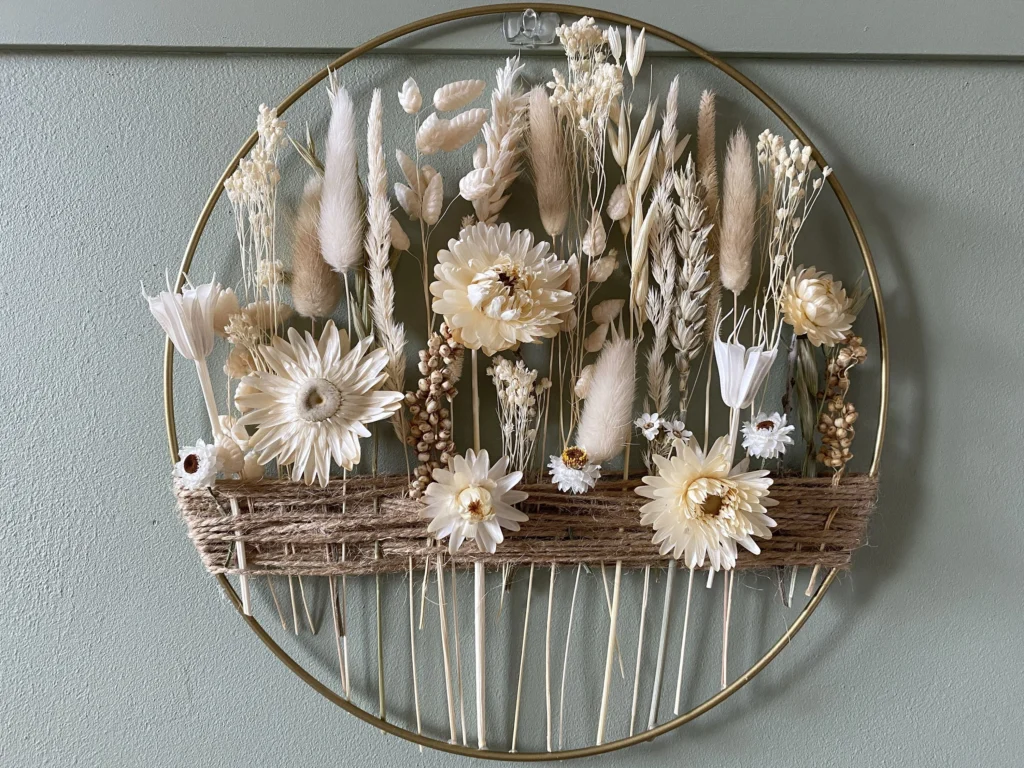
Dried flowers offer a unique blend of durability and elegance that fresh cuttings simply can’t match. Because they’re already preserved, you avoid the rapid wilting that can turn a beautiful arrangement into a limp disappointment within days. This longevity translates into cost savings—one bouquet can last a season, or even longer, with proper care.
Beyond practicality, dried flowers provide a rustic yet refined look that pairs effortlessly with contemporary interiors. Their muted palettes—soft pinks, dusty blues, and earthy neutrals—compliment modern color schemes, while their organic forms add a tactile dimension to sleek surfaces. For small apartments or minimalist bedrooms, a single dried‑flower vase can become a focal point without overwhelming the room.
DIY room décor with dried flowers – Color Coordination Tips
- Match the mood: Warm-toned dried roses work beautifully in cozy living rooms, while cool‑hued lavender stems suit a tranquil bedroom.
- Contrast for impact: Pair deep burgundy dried dahlias with light‑colored walls to create a dramatic accent.
- Layer textures: Combine dried grasses with smooth ceramics or woven baskets for a balanced visual rhythm.
When planning your design, consider the existing palette of the space. If you’re unsure, a safe bet is to choose a monochromatic scheme—different shades of the same color family—so the dried flowers act as an elegant extension of the room’s base tones.
Preparing and Preserving Your Dried Flowers
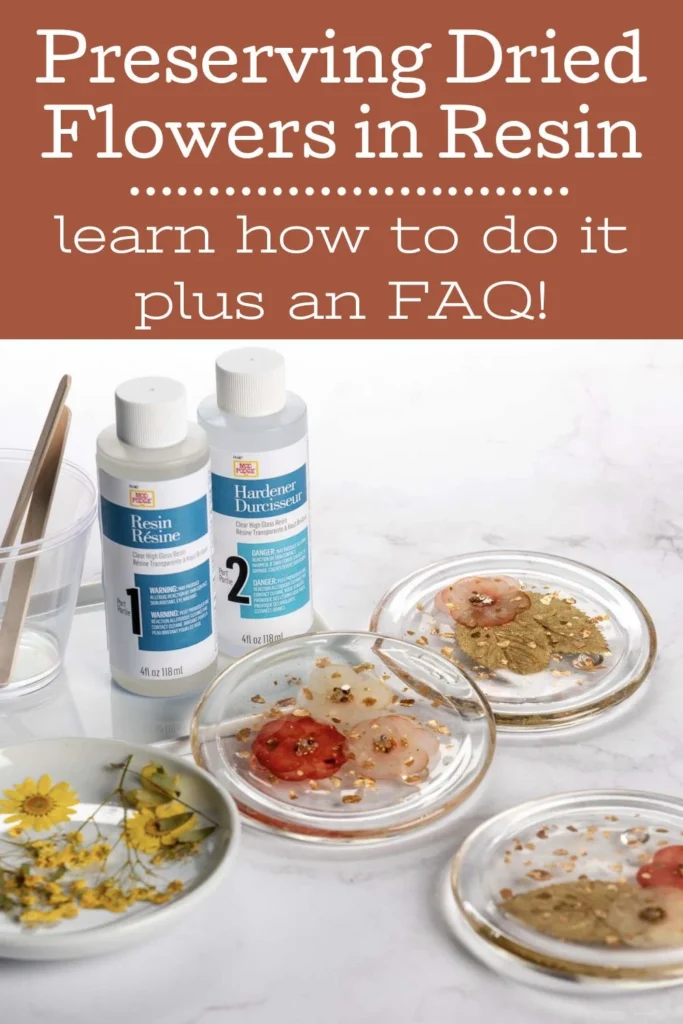
The foundation of successful DIY room décor with dried flowers lies in proper preparation. While many retailers sell pre‑dried stems, sourcing your own allows for personalization and often yields a richer variety. Start by selecting fresh flowers at peak bloom; their shape will be retained after drying.
There are three popular methods for drying:
- Air drying: Tie stems in small bundles and hang them upside down in a dark, well‑ventilated area for 1–3 weeks. This method preserves natural color best.
- Pressing: Ideal for flat displays like framed art. Place flowers between parchment paper and heavy books, then leave for 1–2 weeks.
- Silica gel: Fastest method—submerge blooms in silica gel for 3–5 days to retain vivid hues.
After drying, gently remove any residual moisture and store the stems in an airtight container for a few days to let them settle. A light mist of hairspray or a specialized floral sealant can add an extra layer of protection, especially if the arrangement will be exposed to sunlight.
Creative Display Ideas for Every Room
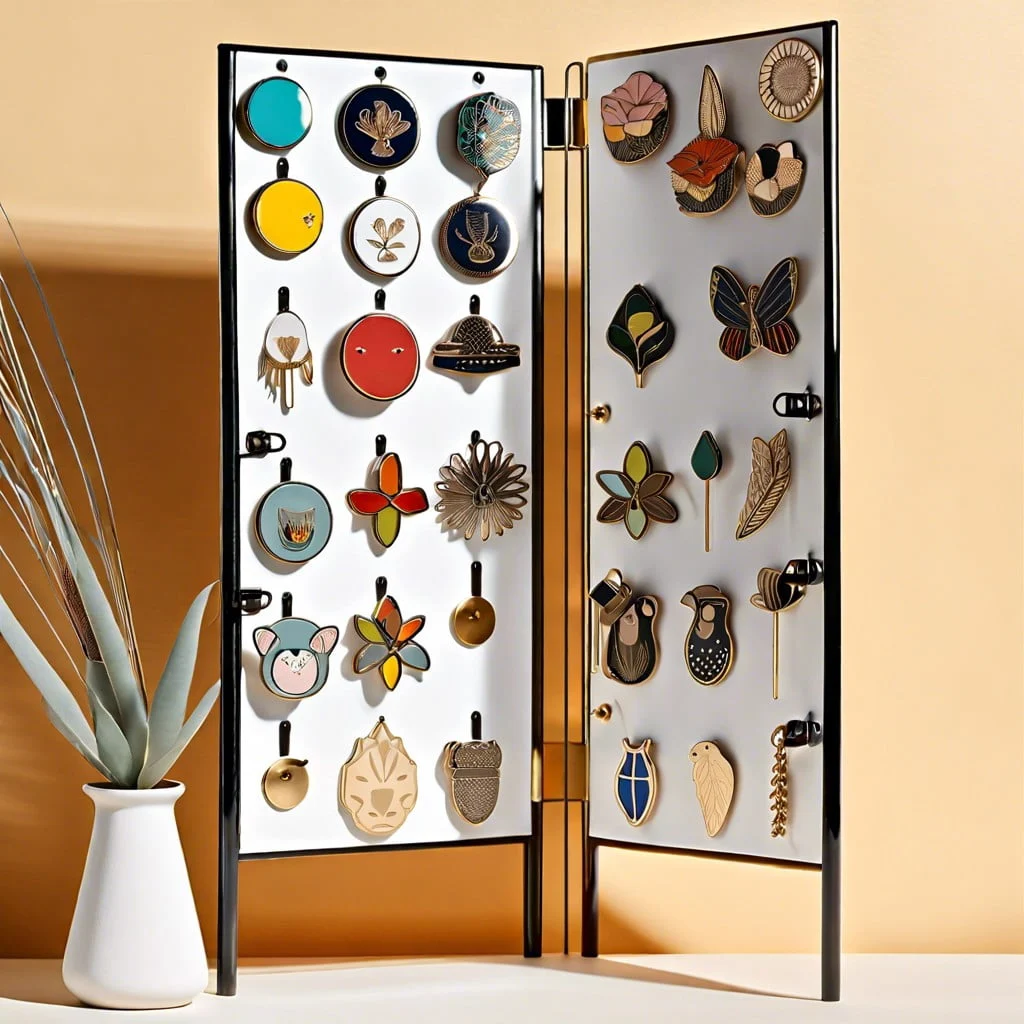
Now that your flowers are ready, it’s time to think about placement. The beauty of DIY room décor with dried flowers is its adaptability to any room—living room, bedroom, kitchen, or even a bathroom. Below are several ideas that illustrate how versatile dried botanicals can be.
Living Room Centerpieces
- Combine a low, rectangular wooden tray with a mixture of dried eucalyptus, wheat stalks, and muted roses. Add a few tealight candles for a cozy ambience.
- Use a reclaimed metal bucket as a rustic vase and fill it with assorted dried succulents for an industrial‑chic look.
For a cohesive look, refer to our guide on seamless design tips for adjoining rooms, which explains how to carry a visual motif across different spaces.
Bedroom Wall Hangings
Frame pressed dried flowers behind glass for a minimalist art piece. Choose a neutral frame to let the botanical details shine. Pair this with soft bedding for a tranquil retreat.
Kitchen Herb Displays
Attach small glass jars to a reclaimed wood board and fill them with dried oregano, thyme, and rosemary. Not only do these add a fragrant decorative touch, but they also serve a functional purpose in cooking.
Bathroom Accents
A small glass vase of dried lavender or baby’s breath on the vanity can add a spa‑like feel. For more inspiration, check out our article on elevating bathroom décor with neutral jars.
Budget‑Friendly DIY Projects
One of the greatest advantages of DIY room décor with dried flowers is the ability to create high‑impact pieces without breaking the bank. Below are three projects that require minimal materials and a modest time investment.
Hand‑Poured Dried‑Flower Candles
- Gather a handful of small dried buds (e.g., lavender, baby’s breath).
- Warm a soy‑wax base, then pour into a clear glass container.
- While the wax is still liquid, gently embed the dried flowers around the sides, creating a layered effect.
- Allow to set, then trim the wick.
The result is a scented, decorative candle that doubles as a conversation starter.
Macramé Dried‑Flower Hangers
Using inexpensive cotton rope, create a simple macramé knot and attach a glass terrarium filled with dried stems. This hanging piece works especially well in small apartments where floor space is limited.
Recycled Frame Gallery
Collect old picture frames from thrift stores, strip them, and replace the glass with a collage of pressed dried flowers. Arrange several frames on a gallery wall for an eclectic, personalized look.
Seasonal Swaps and Maintenance
Even though dried flowers are long‑lasting, refreshing your décor seasonally keeps the space feeling new. Swap out color palettes to reflect the changing moods of spring, summer, autumn, and winter.
- Spring: Light pink and pastel yellow dried peonies paired with fresh‑green eucalyptus.
- Summer: Vibrant orange and deep red dried sunflowers for a sunny vibe.
- Autumn: Burnt orange and muted burgundy dried dahlias mixed with dried wheat.
- Winter: Silvery white dried baby’s breath and evergreen sprigs for a crisp, cool feel.
Maintenance is simple: dust the arrangements weekly with a soft brush or a hairdryer on cool setting. Avoid direct sunlight, which can fade colors over time. If any stems become brittle, gently mist them with a spray bottle to restore a bit of flexibility.
Integrating Dried Flowers with Modern Home Design Trends
Today’s interior design leans heavily on sustainability, natural textures, and mixed‑material palettes. DIY room décor with dried flowers aligns perfectly with these trends, offering an eco‑friendly alternative to synthetic décor.
Minimalist Spaces
In a minimalist setting, opt for a single, striking dried flower arrangement—perhaps a tall spray of dried lavender in a matte black vase. The contrast draws the eye without cluttering the visual field.
Boho‑Chic Interiors
Layer dried flowers with macramé wall hangings, woven baskets, and earthy ceramics. This creates a warm, lived‑in atmosphere that feels curated yet relaxed.
Industrial Loft
Combine metallic containers (e.g., brushed steel buckets) with dried grasses and succulents. The juxtaposition of cold metal and soft botanicals adds depth to open‑plan lofts.
For more on blending natural elements with contemporary interiors, explore our piece on low‑light indoor trees and how they complement dried‑flower arrangements.
Quick Tips for Successful Dried‑Flower Styling
- Choose a focal point: Let one arrangement anchor the room, then build complementary accents around it.
- Mix heights: Vary the lengths of stems or containers to add visual interest.
- Balance color: Pair muted dried hues with a splash of vibrant accent pieces—think a cobalt throw pillow or a gold‑tone tray.
- Mind the scale: Small apartments benefit from compact vases; larger rooms can accommodate tall, dramatic arrangements.
- Refresh regularly: Even durable dried flowers benefit from occasional rotation to keep the look fresh.
Common Mistakes to Avoid When Using Dried Flowers
Even seasoned decorators can slip up. Here are a few pitfalls and how to sidestep them:
- Overcrowding: Packing too many stems into a single vase creates visual chaos. Stick to a rule of three—three different flower types per arrangement—for a balanced look.
- Ignoring light exposure: Direct sunlight can cause fading. Place arrangements away from windows or use sheer curtains to diffuse harsh rays.
- Neglecting maintenance: Dust buildup dulls the natural sheen of dried petals. A weekly light dusting keeps them looking crisp.
- Choosing the wrong container: Heavy glass may tip over with long, thin stems. Pair tall arrangements with stable bases like ceramic pots or weighted baskets.
- Forgetting to seal: Applying a light hairspray after arranging can help preserve color and prevent brittleness.
Frequently Asked Questions
Can I use fresh flowers and dry them myself for DIY room décor with dried flowers?
Yes, most fresh blossoms can be dried using air‑drying, pressing, or silica gel methods. Choose flowers at their peak for the best shape retention, and follow the preservation steps outlined earlier for optimal results.
How long do dried flowers last once arranged?
When kept out of direct sunlight and dusted regularly, high‑quality dried flowers can maintain their appearance for 12‑18 months. Occasionally misting them can extend their lifespan even further.
Are there any health concerns with dried flowers indoors?
Generally, dried flowers are safe. However, some people may be allergic to pollen or dust. If you have sensitivities, choose pollen‑free varieties like dried eucalyptus or opt for sealed glass containers.
What’s the best way to attach dried flowers to walls?
Use small adhesive hooks, clear fishing line, or mount them in shadow‑box frames. For larger installations, a lightweight wooden pallet can serve as a backdrop, allowing you to pin or glue stems securely.
Can dried flowers be combined with fresh greenery?
Absolutely. Mixing dried stems with fresh succulents or small potted herbs adds contrast and a touch of liveliness while retaining the low‑maintenance benefits of dried décor.
Conclusion
DIY room décor with dried flowers opens a world of creative possibilities that blend sustainability, style, and simplicity. By mastering the basics of selection, preservation, and thoughtful arrangement, you can craft spaces that feel both modern and timeless. Whether you’re refreshing a bedroom, adding a calming touch to a bathroom, or looking for an eye‑catching centerpiece for your living room, dried botanicals provide a versatile canvas for personal expression. Explore the ideas shared here, experiment with seasonal swaps, and let your imagination guide each project. For more inspiration, dive into other articles on The Homara and keep turning everyday spaces into curated works of art.