
Table of Contents
- Understanding the Basics: What Is a Stair Nose?
- Safety First: How Flush vs Overlap Stair Nose Impacts Foot Traffic
- Aesthetic Considerations: Which Look Complements Modern Interiors?
- Installation Practicalities: What Contractors Need to Know
- Key Steps for Installing Flush vs Overlap Stair Nose
- Cost Implications: Budgeting for Flush vs Overlap Options
- Design Inspiration: Real‑World Applications of Flush and Overlap Stair Noses
- Quick Tips for Choosing the Right Stair Nose
- Common Mistakes and How to Avoid Them
- Frequently Asked Questions
- What is the main safety advantage of an overlap stair nose?
- Can I install a flush stair nose over existing carpet?
- How does the choice between flush and overlap affect cleaning and maintenance?
- Are there building code requirements for stair nose overhang?
- Is it possible to switch from an overlap to a flush stair nose later?
- Which stair nose type works best with radiant floor heating?
Flush vs Overlap Stair Nose: Choosing the Right Finish for Modern Stairs
Staircases are more than just a functional element; they are a visual spine that can set the tone for an entire home. One of the most debated decisions in stair design is the choice between a flush and an overlap stair nose. Both options affect safety, aesthetics, and the overall flow of a space, yet many homeowners are unsure which solution best fits their style and practical needs. In this article we’ll demystify the flush vs overlap stair nose debate, walk you through the technical considerations, and provide design inspiration that aligns with modern interior trends.
Whether you are renovating a historic townhouse, updating a contemporary condo, or simply replacing worn tread edges, understanding the nuances of each stair nose type will help you avoid costly mistakes and achieve a polished look. By the end of this guide, you’ll have a clear roadmap for selecting, installing, and styling the perfect stair nose for your project.
Understanding the Basics: What Is a Stair Nose?
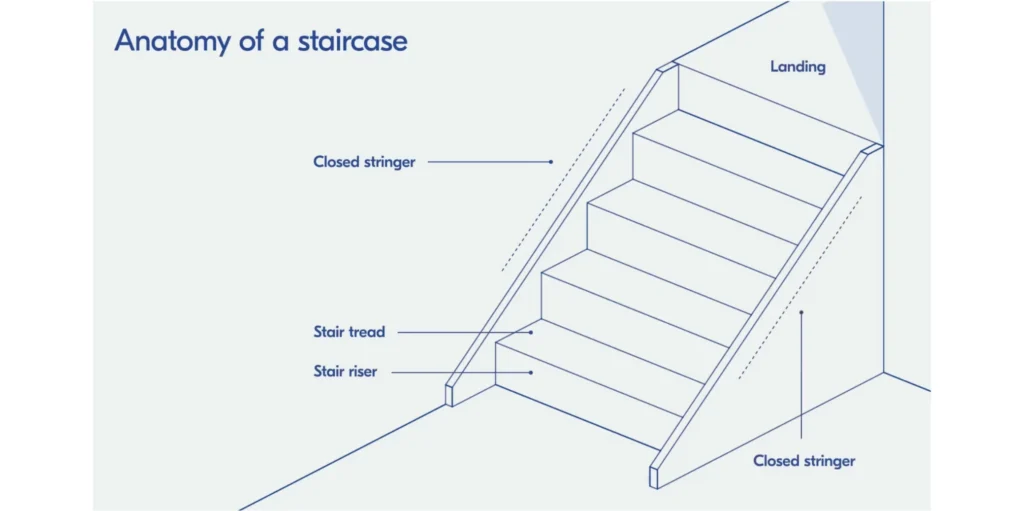
A stair nose is the protruding edge of a stair tread that extends slightly beyond the riser below. Its primary purpose is to provide a smooth transition for foot traffic, protect the edge of the tread from wear, and enhance the visual continuity of the staircase. The two most common configurations are flush and overlap. In a flush stair nose, the tread edge sits level with the surrounding flooring, creating a seamless plane. An overlap stair nose, on the other hand, projects beyond the riser, forming a subtle ledge that can add depth and visual interest.
Both styles can be crafted from a variety of materials—hardwood, engineered wood, laminate, stone, or metal—allowing designers to match the stair nose to the overall décor. The decision often hinges on three core factors: safety, aesthetic intent, and installation logistics.
Safety First: How Flush vs Overlap Stair Nose Impacts Foot Traffic
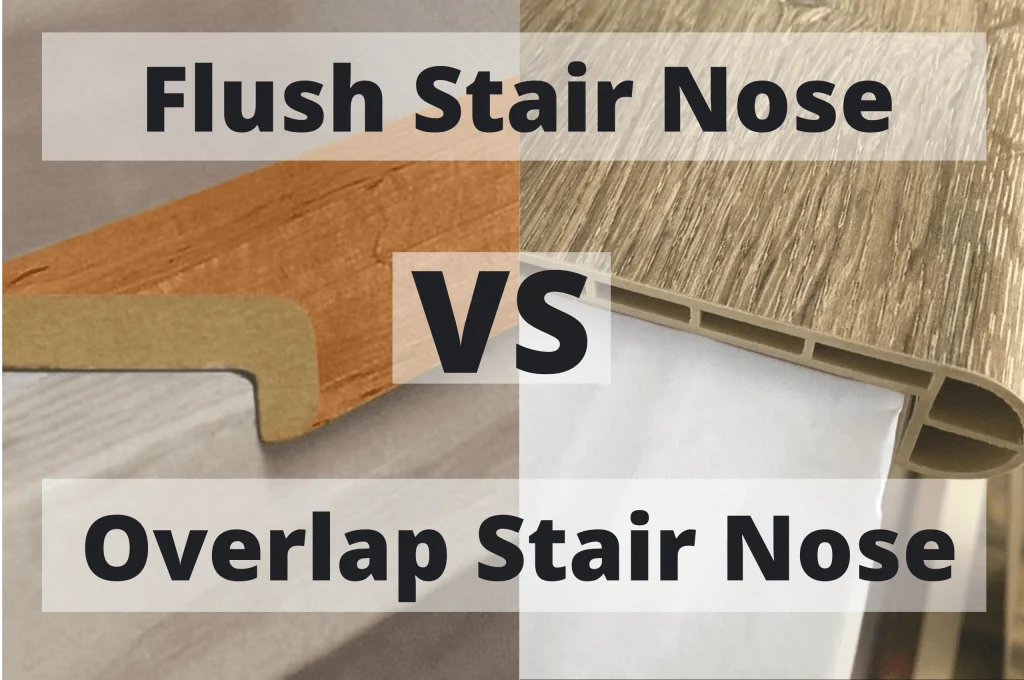
From a safety perspective, the difference between flush and overlap stair nose is significant. An overlap stair nose creates a defined edge that can help guide a foot’s placement, reducing the likelihood of slips, especially on high‑traffic stairs. The slight projection also provides a tactile cue that can be beneficial for children and elderly users.
Conversely, a flush stair nose offers a level surface that minimizes tripping hazards caused by uneven edges. Because there is no protrusion, there’s less chance of catching a shoe or a pet’s paw. However, the lack of a visual cue means that users must rely more on the overall stair geometry to maintain balance.
When choosing between flush vs overlap stair nose, consider the age and mobility of the household members. For homes with young children, seniors, or pets, an overlap design can provide added security, whereas a flush approach works well in sleek, minimalist spaces where visual continuity is paramount.
Aesthetic Considerations: Which Look Complements Modern Interiors?

Modern interior design often celebrates clean lines, open spaces, and seamless transitions. A flush stair nose aligns perfectly with that ethos, allowing the staircase to blend effortlessly with adjacent flooring—whether it’s wide-plank hardwood, polished concrete, or large-format tile. The result is a floating appearance that can make a stairwell feel larger and more integrated with the surrounding room.
Overlap stair noses, by contrast, add a subtle architectural detail that can become a focal point. The projection creates a shadow line that accentuates the stair’s geometry, especially when paired with contrasting materials. For example, a dark hardwood tread with a light-colored overlap nose can highlight the step’s depth, while a metal overlap on a glass stair can inject a contemporary industrial vibe.
Designers often use the flush vs overlap choice to reinforce the overall design narrative. If the goal is a minimalist, uninterrupted flow, flush wins. If you want to celebrate the staircase as a design statement, an overlap nose can be the perfect canvas.
Installation Practicalities: What Contractors Need to Know
Installing a stair nose involves precise measurements, especially when dealing with the flush vs overlap distinction. With a flush stair nose, the installer must ensure the tread edge aligns perfectly with the adjacent flooring, requiring meticulous sanding and leveling. Any discrepancy can result in a visible gap that defeats the seamless look.
Overlap stair noses are generally more forgiving during installation because the projection accommodates slight variations in the riser height. However, they demand careful attention to the overhang dimension—typically ranging from ¼ inch to ½ inch—so the edge does not become a snag point.
Both types benefit from a high-quality adhesive and, where appropriate, mechanical fasteners. In wet areas such as a stairwell that doubles as a secondary bathroom entry, a waterproof sealant is essential to prevent moisture infiltration, regardless of whether you choose a flush or overlap design.
Key Steps for Installing Flush vs Overlap Stair Nose
- Measure the tread depth and riser height accurately.
- Choose a stair nose material that matches or complements the existing flooring.
- For flush installation, sand the edge to achieve a level surface with adjoining floors.
- For overlap installation, cut the nose to the desired overhang and test fit before gluing.
- Apply a strong construction adhesive; use screws or nails where code permits.
- Seal the joint with a compatible caulk to protect against drafts and moisture.
Cost Implications: Budgeting for Flush vs Overlap Options
Cost is a practical factor that often influences the flush vs overlap stair nose decision. Generally, a flush stair nose may require more labor-intensive preparation, especially if the existing floor must be milled down to achieve a perfect level. This can add to material and labor expenses.
Overlap stair noses are typically less labor‑heavy because the projection provides a built‑in tolerance for minor height differences. However, the material choice can drive price up; high‑end metals or exotic woods for an overlap nose can be significantly pricier than a standard hardwood flush option.
When budgeting, factor in not only the material cost but also the finish. A high‑gloss sealant for a flush stair nose may require more coats and longer curing times, while a matte finish on an overlap nose can be quicker to apply. For many homeowners, the decision balances the initial outlay against the long‑term visual impact and durability.
Design Inspiration: Real‑World Applications of Flush and Overlap Stair Noses
To help you visualize how each stair nose type can transform a space, let’s explore a few design scenarios. In a loft apartment with an open‑plan living area, a flush stair nose made of the same wide‑plank oak as the living‑room floor creates a continuous flow that visually expands the room. Pairing this with a neutral wall palette and minimalist lighting aligns with the Neutral Home Décor Trends Shaping Modern Living Spaces article, reinforcing the clean aesthetic.
In a contemporary home office suite, an overlap stair nose in brushed steel can echo the metallic accents of the desk and lighting fixtures, adding a subtle industrial edge. This approach works well when the stairwell serves as a visual bridge between a sleek workspace and a warm, carpeted conference area.
For small apartments where space feels limited, a flush stair nose can make the staircase appear less intrusive, especially when paired with light-colored flooring and reflective surfaces. Conversely, an overlap stair nose with a bold color or texture can become a statement piece that draws the eye upward, making the vertical space feel more intentional.
Quick Tips for Choosing the Right Stair Nose
- Assess the traffic pattern: high‑traffic households benefit from an overlap for added grip.
- Match the material to the surrounding floor to maintain visual harmony.
- Consider the stair’s role in the room—if it’s a focal point, an overlap can enhance its presence.
- Check local building codes; some jurisdictions require a minimum overhang for safety.
- Plan for future maintenance: a flush stair nose may be easier to refinish without disturbing adjacent flooring.
Common Mistakes and How to Avoid Them
Even experienced DIYers can fall into pitfalls when dealing with flush vs overlap stair noses. One frequent error is neglecting to account for expansion gaps. Wood expands with humidity, and a flush stair nose that is too tight can cause buckling or cracking over time. Always leave a small, concealed gap that can be covered with a matching filler.
Another mistake is under‑estimating the importance of a proper sealant on an overlap stair nose. The projection creates a seam that, if left unsealed, can become a conduit for dust and moisture, compromising both aesthetics and durability. Use a high‑quality, paint‑compatible caulk to finish the joint.
Finally, avoid mismatching the stair nose finish with the tread material. A high‑gloss finish on a matte‑styled stair can look out of place and draw unwanted attention. Choose a finish that complements the overall texture palette of the room.
Frequently Asked Questions
What is the main safety advantage of an overlap stair nose?
An overlap stair nose creates a defined edge that helps guide foot placement and reduces the risk of slips, especially on stairs that see heavy use or are accessed by children and seniors.
Can I install a flush stair nose over existing carpet?
Installing a flush stair nose directly over carpet is not recommended because the carpet’s thickness can prevent a true level transition. If you want a flush look, remove the carpet in the stair area and install a suitable subfloor before fitting the nose.
How does the choice between flush and overlap affect cleaning and maintenance?
Both styles are relatively easy to maintain, but an overlap stair nose may collect dust in the projection area, requiring more frequent cleaning. A flush stair nose, being level with the floor, allows for straightforward sweeping or vacuuming.
Are there building code requirements for stair nose overhang?
Many building codes specify a minimum overhang—often ¼ inch—to ensure safety. Check your local regulations; an overlap that meets or exceeds this minimum will keep you compliant.
Is it possible to switch from an overlap to a flush stair nose later?
Yes, but it may involve removing the existing nose, adjusting the tread depth, and potentially refinishing the surrounding flooring. It’s a more involved process, so it’s best to decide on the desired style during the initial design phase.
Which stair nose type works best with radiant floor heating?
Both can work, but a flush stair nose often provides a more even surface for heat transfer. Ensure the material you choose conducts heat effectively and that the installation allows for the heating system’s tubing to run uninterrupted.
Choosing between flush vs overlap stair nose is ultimately a blend of safety considerations, aesthetic goals, and practical constraints. By evaluating your household’s needs, the surrounding design language, and your budget, you can make an informed decision that enhances both function and style. Remember to plan for proper installation, adhere to local codes, and select a finish that complements the rest of your home décor.
Ready to apply these insights? Whether you lean toward a sleek, uninterrupted look or a subtle, architectural projection, the right stair nose can transform your staircase from a mere connector into a standout design element. Explore more interior ideas on The Homara, and let your stairs become a signature feature of your modern home.
For additional inspiration, see our guide on Small Home Design Inspiration: Transform Tiny Spaces with Big Style, where strategic stair treatments help maximize limited square footage.
Discover how to blend neutral tones throughout your interior by reading Neutral Wall Décor Styling Ideas – Timeless & Modern Ways to Dress Your Walls. These resources will help you create a cohesive look that ties your stair nose choice into the broader design narrative.
Finally, if you’re rethinking the overall aesthetic of your workspace, our article on Transform Your Office: workspace décor with neutral colors showcases how subtle color shifts can complement both flush and overlap stair noses in home office settings.
[INTERIOR DESIGN]