
Table of Contents
- Small Home Design Inspiration: Layout Planning and Flow
- Small Home Design Inspiration: Maximizing Vertical Space
- Color Palettes and Light: Making Small Spaces Feel Bigger
- Smart Furniture Choices for Compact Living
- Creative Storage Solutions That Blend With Décor
- Textiles and Accessories: Adding Warmth Without Bulk
- Quick Home Décor Tips
- Common Mistakes in Small Space Design and How to Avoid Them
- Frequently Asked Questions
- Putting It All Together: A Step‑by‑Step Mini‑Makeover Plan
Small Home Design Inspiration: Transform Tiny Spaces with Big Style
Living in a compact footprint doesn’t mean you have to sacrifice style, comfort, or functionality. Whether you’re residing in a studio apartment, a narrow townhouse, or a modest suburban cottage, the right design choices can amplify space, create flow, and reflect your personal taste. This article dives deep into practical small home design inspiration that balances aesthetics with clever storage, lighting, and layout tricks.
Homeowners and renters alike often grapple with the challenge of making every square foot count. From selecting furniture that doubles as storage to choosing colors that open up a room, each decision influences how spacious a small home feels. Throughout the following sections, you’ll find actionable ideas, real‑world examples, and expert recommendations that empower you to reimagine even the tiniest corners.
Ready to turn limited square footage into a stylish sanctuary? Let’s explore a curated collection of design strategies that prove big style truly belongs in small spaces.
Small Home Design Inspiration: Layout Planning and Flow
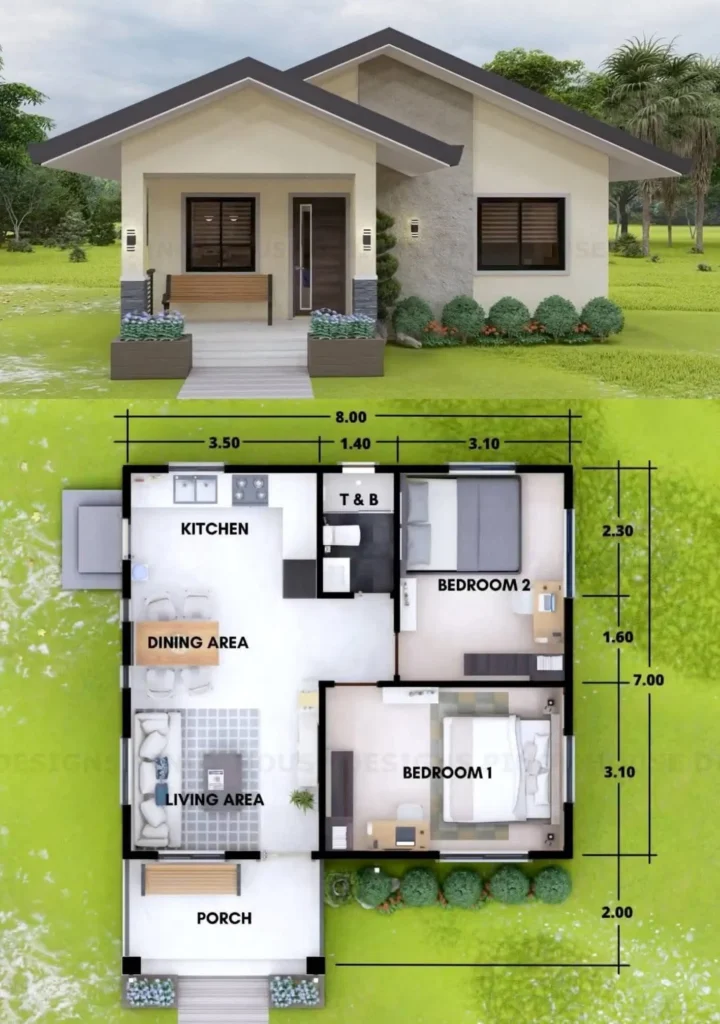
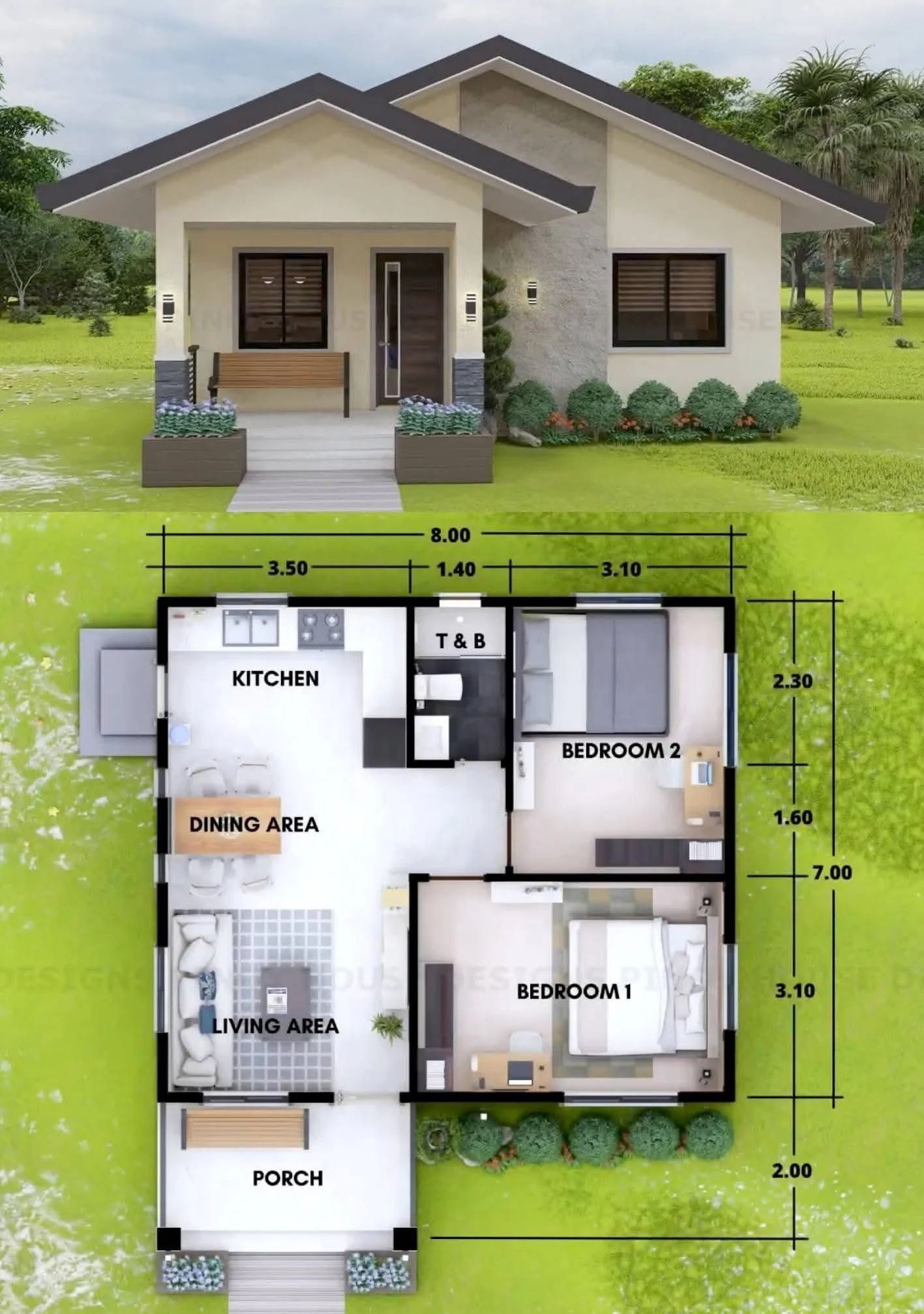
The foundation of any successful small space begins with a thoughtful layout. A well‑planned floor plan maximizes movement, reduces visual clutter, and creates distinct zones without the need for permanent walls. Start by mapping out the primary functions of each area—sleep, work, cooking, and relaxation—and then consider how these zones can share furniture or flow seamlessly.
Open‑concept layouts often feel larger because sightlines remain uninterrupted. If structural changes aren’t possible, use lightweight furniture on casters, folding screens, or strategically placed rugs to delineate spaces without blocking light. For example, a low, modular sofa can serve as a seating area by day and a backdrop for a makeshift bedroom nook at night.
- Define zones with rugs: A large rug can anchor a living area while subtly separating it from a dining space.
- Multi‑functional furniture: Look for pieces that fold, stack, or convert, such as a wall‑mounted desk that doubles as a console.
- Vertical pathways: Keep walkways at least 36‑inches wide to maintain an airy feel.
Small Home Design Inspiration: Maximizing Vertical Space
When floor space is scarce, turning your eyes upward becomes essential. Tall bookcases, floor‑to‑ceiling curtains, and hanging storage solutions draw the eye upward, creating the illusion of height. Install floating shelves above eye level to showcase décor without consuming floor area, and consider a lofted sleeping platform if ceiling height permits.
Vertical storage isn’t just about aesthetics; it’s also highly functional. Use tall cabinets for pantry items, place hooks near entryways for coats and bags, and add a pegboard in the kitchen for pots, pans, and utensils. By embracing the wall, you free up valuable floor real estate for movement and living.
Color Palettes and Light: Making Small Spaces Feel Bigger
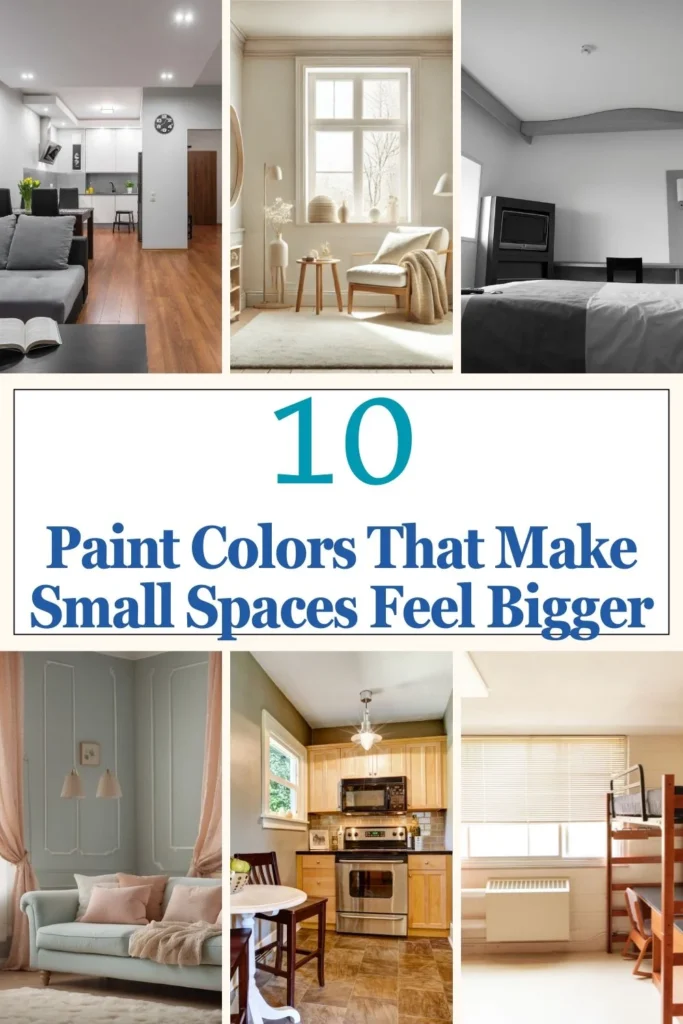
Light‑reflecting colors are the secret weapon of small home design inspiration. Soft whites, muted greys, pastel blues, and warm beiges bounce natural and artificial light around a room, expanding its perceived dimensions. Pair light walls with contrasting darker accents—such as a deep navy accent wall or charcoal furniture—to add depth without shrinking the space.
Strategic lighting further enhances the effect. Layered illumination—ambient, task, and accent—prevents shadows that can make a room feel cramped. Install recessed lighting or slim track lights to keep ceiling space clear, and add wall sconces or floor lamps that occupy minimal floor area.
- Use mirrors wisely: A large mirror opposite a window reflects light and visually doubles the room.
- Sheer window treatments: They let in daylight while maintaining privacy, preserving the airy feel.
- Accent lighting: LED strips under cabinets or behind floating shelves add a modern glow without bulk.
Smart Furniture Choices for Compact Living
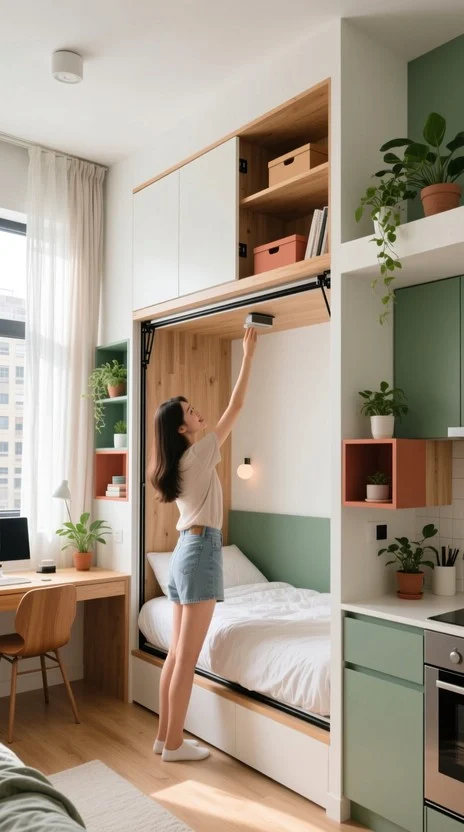
Choosing the right furniture is perhaps the most critical element of small home design inspiration. Look for pieces with slender profiles, exposed legs, and built‑in storage. A sofa with a hidden compartment for blankets, a coffee table that lifts to become a desk, or a bed with drawers underneath can drastically reduce clutter.
Consider the scale of each item relative to the room. Overly bulky furniture can dominate a small space, while a well‑scaled, low‑profile sofa or a slim armoire can provide ample storage without overwhelming the room. When possible, select furniture that can be easily moved or reconfigured, allowing you to adapt the layout for gatherings or daily routines.
- Modular sofas: Rearrangeable sections let you create a lounge, a sleeping area, or a conversation circle.
- Nesting tables: Stackable side tables can be pulled out when needed and tucked away when not.
- Wall‑mounted desks: Fold‑away workstations keep the floor clear, ideal for remote work in a tiny home.
Creative Storage Solutions That Blend With Décor
Storage is the backbone of any small home design inspiration plan. The goal is to conceal clutter while adding visual interest. Built‑in cabinetry, under‑stair drawers, and hidden compartments within furniture are excellent ways to store items out of sight.
For a more decorative approach, integrate storage into artwork and wall décor. A series of framed shadow boxes can hold seasonal accessories, while a stylish ladder shelf provides both display space and a place to stash blankets or books. The key is to keep storage functional yet aesthetically cohesive with the overall design theme.
- Pull‑out pantry: A narrow, tall pantry can fit between cabinets, offering plenty of storage for dry goods.
- Window seat with storage: A built‑in bench beneath a window adds seating and a hidden drawer for linens.
- Floating cabinets: Mount shallow cabinets above a countertop to keep essentials within reach without sacrificing work surface.
Textiles and Accessories: Adding Warmth Without Bulk
Textiles are an easy way to inject personality, comfort, and color into a small home while keeping the overall silhouette light. Choose lightweight throws, slim cushions, and low‑pile rugs that add layers without adding weight. Patterns should be kept subtle—small geometric prints or soft tonal variations work best in compact environments.
Accessorizing with plants, artwork, and décor objects can enhance the vibe of a space. Opt for vertical planters or hanging pots to bring greenery without occupying floor area. When selecting wall art, consider a large statement piece or a curated gallery wall that draws the eye upward, echoing the vertical emphasis discussed earlier.
For more ideas on wall décor, explore our guide on neutral wall décor styling ideas, which showcases timeless and modern ways to dress your walls.
Quick Home Décor Tips
- Keep window treatments sheer to maximize natural light.
- Choose furniture with exposed legs to create a sense of openness.
- Incorporate mirrors opposite windows for instant space amplification.
- Use a consistent color palette throughout the home to maintain visual continuity.
- Embrace multi‑functional pieces that serve at least two purposes.
Common Mistakes in Small Space Design and How to Avoid Them
Even well‑intentioned homeowners can stumble into pitfalls that make a small home feel cramped. Below are common errors and practical fixes:
- Over‑decorating: Too many decorative objects create visual clutter. Instead, select a few statement pieces that complement the color scheme.
- Choosing dark, heavy colors: Dark walls absorb light, shrinking the room. Balance dark accents with light walls and ample lighting.
- Using oversized furniture: Bulky sofas and massive dining tables dominate space. Opt for scaled‑down, streamlined pieces.
- Neglecting storage: Hidden clutter quickly overwhelms a small area. Integrate storage into furniture and walls from the start.
- Blocking natural light: Heavy drapes or large bookshelves opposite windows diminish brightness. Keep pathways clear and use light‑filtering window treatments.
Frequently Asked Questions
How can I make a small studio feel like separate rooms?
Use furniture placement, rugs, and lighting to create distinct zones. A low bookshelf can act as a room divider without cutting off light, while pendant lights over a dining nook define that area visually.
Is it okay to use bold colors in a tiny apartment?
Yes, but apply bold colors as accents rather than on all walls. A vibrant accent wall, colorful cushions, or a striking piece of artwork can add personality without overwhelming the space.
What type of flooring works best for small homes?
Light‑colored hardwood or large‑format tiles create a seamless flow and reflect light, making rooms appear larger. If you prefer carpet, choose a low‑pile, neutral tone to avoid a heavy feel.
How do I store kitchen appliances in a compact kitchen?
Utilize vertical storage like tall pantry cabinets and install pull‑out shelves inside cabinets. Consider a rolling kitchen island with built‑in storage for appliances that can be tucked away when not in use.
Can I incorporate a home office in a small living room?
Absolutely. Choose a wall‑mounted, fold‑away desk or a compact writing table that doubles as a console. Pair it with a sleek, ergonomic chair that can be tucked under the desk when not needed.
What are the best window treatment options for tiny spaces?
Sheer curtains or simple roller blinds allow maximum daylight while providing privacy. If you need more coverage, layering a light sheer with a semi‑transparent curtain offers flexibility without adding bulk.
For a deeper dive into multifunctional furniture, check out our article on 5 Piece Drawer Front vs Slab: Choosing the Perfect Cabinet Style, which explores how cabinet designs influence storage efficiency.
If you’re interested in adding a personal touch to your entryway, our hallway décor with floating shelves guide offers ideas for turning narrow corridors into stylish showcases.
Looking to refresh your outdoor nook? Discover how cozy cushions can transform a balcony in our piece on Balcony décor with cozy cushions.
Putting It All Together: A Step‑by‑Step Mini‑Makeover Plan
Now that you’ve absorbed a wealth of small home design inspiration, it’s time to translate ideas into action. Follow this concise roadmap to revamp your compact dwelling:
- Assess your space: Measure each room, note natural light sources, and list primary functions.
- Choose a cohesive color palette: Pick light base tones and one or two accent colors.
- Plan the layout: Sketch zones, decide on multi‑functional furniture, and mark pathways.
- Select furniture: Prioritize pieces with storage, slim profiles, and flexibility.
- Integrate vertical storage: Install floating shelves, tall cabinets, and hooks.
- Add lighting layers: Combine ambient ceiling lights, task lamps, and accent LEDs.
- Layer textiles: Choose lightweight rugs, throws, and cushions that echo your palette.
- Accessorize thoughtfully: Add plants, artwork, and decorative objects that enhance, not clutter.
- Evaluate and tweak: Live with the new arrangement for a week, then adjust as needed.
By following these steps, you’ll create a harmonious environment where every square foot works for you, not against you. The result is a home that feels spacious, welcoming, and uniquely yours.
Remember, the essence of small home design inspiration lies in smart choices, intentional layering, and a willingness to let the space breathe. With the strategies outlined above, you can turn even the most modest floor plan into a showcase of modern living.
Feel inspired? Dive deeper into related topics on The Homara and keep experimenting with new ideas. Your perfect small‑space sanctuary is just a design decision away.