
Table of Contents
- Understanding Lemon Tree Light Requirements
- Choosing the Best Grow Light for Lemon Trees
- LED Grow Lights: The Modern Favorite
- Fluorescent and CFL Options
- High‑Intensity Discharge (HID) Lights
- How to Set Up Your Grow Light for Optimal Growth
- Positioning and Height
- Photoperiod Scheduling
- Reflectors and Light Distribution
- Integrating with Décor
- Integrating Citrus Plants into Modern Home Décor
- Energy Efficiency and Cost Considerations
- Maintenance and Longevity Tips
- Quick Tips for Growing Lemon Trees Indoors
- Common Mistakes to Avoid
- Frequently Asked Questions
Best Grow Light for Lemon Trees – Expert Guide to Thriving Indoor Citrus
Bringing the bright, aromatic charm of a lemon tree into your home can transform a kitchen countertop, a sunny balcony, or even a stylish living‑room nook into a fragrant oasis. Yet, unlike outdoor citrus that basks in natural sunshine, indoor lemon trees rely on artificial illumination to meet their high light demand. Selecting the right lighting solution isn’t just a technical decision—it’s an opportunity to blend horticulture with modern home décor, creating a living statement piece that looks as good as it tastes.
In this guide, we’ll explore the science behind citrus lighting, compare the most popular lamp technologies, and walk you through a step‑by‑step setup that respects both plant health and interior aesthetics. By the end, you’ll know exactly which grow light will give your lemon tree the boost it needs while complementing your design vision.
Whether you’re a seasoned indoor gardener or a décor‑focused homeowner curious about a fresh, edible accent, the information below will empower you to make an informed, stylish choice.
Understanding Lemon Tree Light Requirements
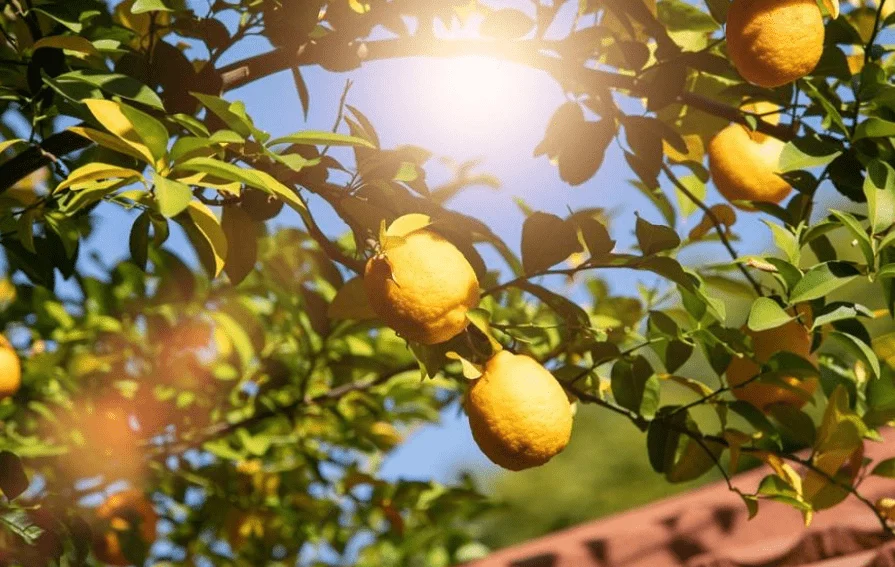
Lemon trees (Citrus × limon) thrive under intense, full‑spectrum light that mimics the sun’s peak output. In their native climate, they receive 10–12 hours of direct sunlight daily, with a light intensity of roughly 10,000–15,000 lux. Indoors, achieving this level without a sunny window can be challenging, which is why the best grow light for lemon trees must deliver both the right spectrum and sufficient photon density.
Key parameters to consider:
- PAR (Photosynthetically Active Radiation): The range of wavelengths (400‑700 nm) plants actually use for photosynthesis. A good grow light should provide a balanced PAR distribution.
- PPFD (Photosynthetic Photon Flux Density): Measured in µmol m⁻² s⁻¹, this indicates the number of photons hitting the leaf surface each second. Aim for 300‑600 µmol m⁻² s⁻¹ for vigorous lemon growth.
- Photoperiod: Lemon trees need 12‑14 hours of light during the active growth phase and a shorter “night” period to trigger flowering.
When you match these metrics with a carefully chosen lamp, your indoor lemon tree can produce robust foliage, fragrant blossoms, and, eventually, juicy fruit—all year round.
Choosing the Best Grow Light for Lemon Trees
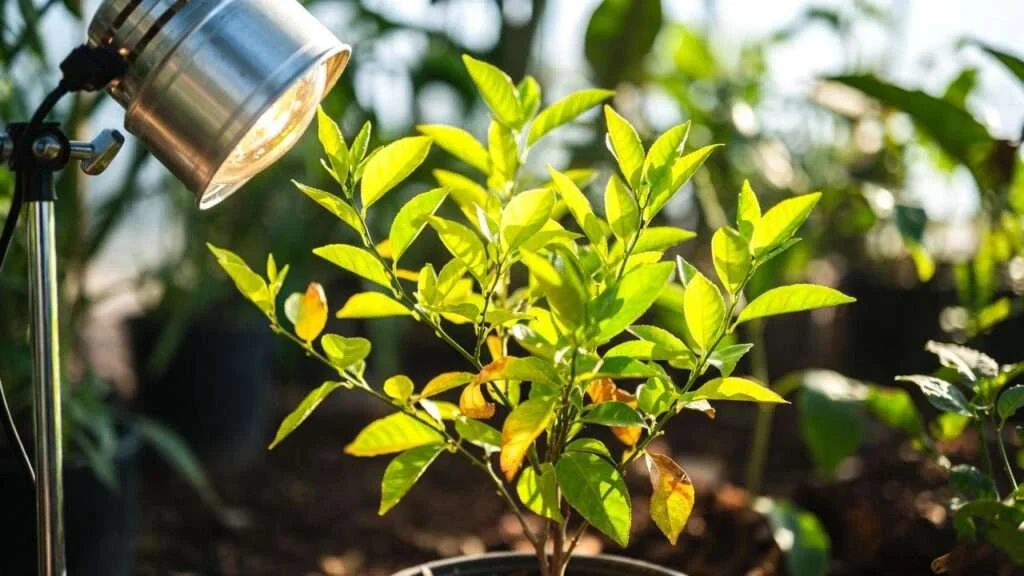
The market offers a dizzying array of options, but not every lamp suits a citrus tree’s demanding needs. Below, we break down the most common technologies, highlighting why each may—or may not—be the best grow light for lemon trees in a modern home.
LED Grow Lights: The Modern Favorite
LED (Light‑Emitting Diode) fixtures have become the go‑to choice for many indoor growers. Their advantages align perfectly with both horticultural performance and interior design:
- Full‑Spectrum Output: Premium LEDs mimic natural sunlight, providing balanced blue (for vegetative growth) and red (for flowering) wavelengths.
- Energy Efficiency: LEDs consume 30‑50 % less electricity than comparable HID or fluorescent units, reducing utility bills and heat output—a crucial factor for stylish, temperature‑controlled interiors.
- Low Heat Emission: Minimal heat means you can place the lamp closer to the canopy without scorching leaves, preserving the clean lines of your décor.
- Design Flexibility: Slim, minimalist housings blend seamlessly with contemporary ceilings or wall mounts, allowing you to treat the light as a decorative element rather than an eyesore.
When shopping, look for LEDs rated at 200‑300 W with a PPFD of 400‑600 µmol m⁻² s⁻¹ at a 12‑inch distance. Brands that publish a detailed spectrum chart and a reputable warranty are typically safer bets.
Fluorescent and CFL Options
Compact Fluorescent Lamps (CFLs) and T5 tubes were once the standard for indoor seedlings, and they still have a place for low‑light herbs. However, for the best grow light for lemon trees, their limitations are notable:
- Lower light intensity, often below 300 µmol m⁻² s⁻¹, which may stall fruit development.
- Higher energy consumption relative to LEDs for the same photon output.
- Bulky fixtures that can clash with sleek modern interiors.
If budget constraints are tight, a high‑output T5 system (4 × 54 W) can serve as a temporary solution, but plan to upgrade to LEDs for long‑term success.
High‑Intensity Discharge (HID) Lights
Metal Halide (MH) and High‑Pressure Sodium (HPS) lamps deliver intense light, historically favored by commercial growers. They can certainly provide the best grow light for lemon trees in terms of sheer power, but they come with drawbacks:
- Significant heat production—often requiring dedicated ventilation, which can disrupt a polished interior.
- Higher electricity usage (up to 600 W for a single fixture).
- Bulky reflectors that dominate ceiling space.
For most home décor enthusiasts, HID units feel more industrial than stylish, making them a less attractive choice unless you have a dedicated grow room.
How to Set Up Your Grow Light for Optimal Growth
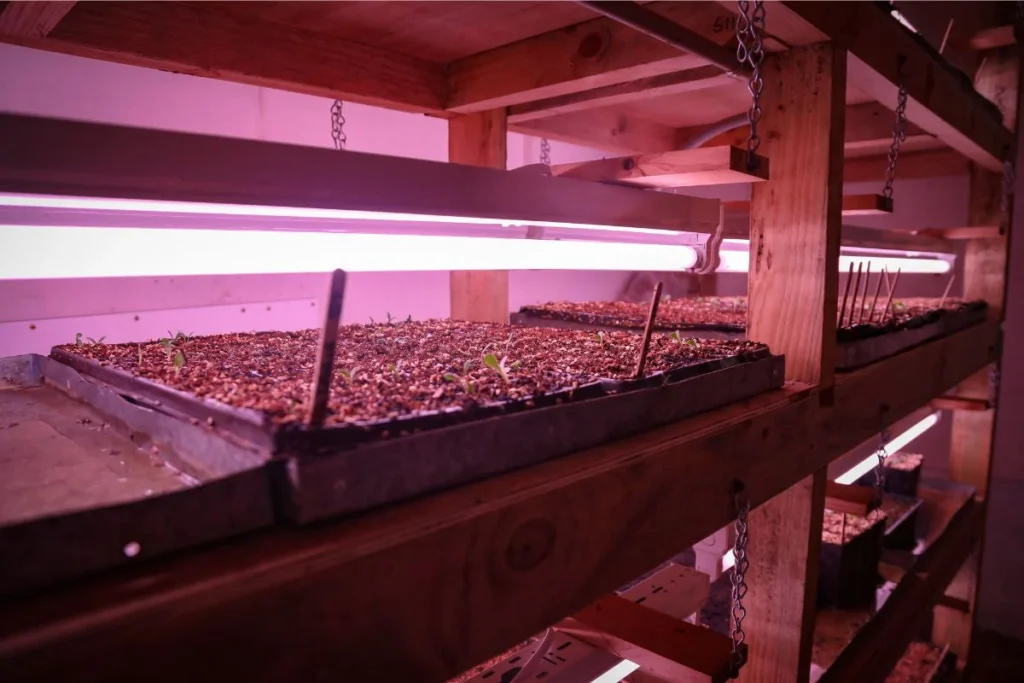
Even the perfect lamp underperforms if installed incorrectly. Follow these practical steps to ensure your lemon tree receives the exact light dosage it craves while preserving the aesthetic flow of your space.
Positioning and Height
Place the best grow light for lemon trees approximately 12‑18 inches above the canopy for LEDs, adjusting as the tree grows. Use a sturdy hanging system or a decorative pole that complements your interior—think brushed‑metal or matte‑black brackets that echo modern hardware.
Photoperiod Scheduling
Set a timer for 12‑14 hours of light per day during the vegetative stage, and reduce to 10‑12 hours when you want to encourage flowering and fruit set. Automated timers can be concealed in a wall outlet box, keeping the look tidy.
Reflectors and Light Distribution
Employ a reflective Mylar or white‑painted backdrop to bounce stray photons back onto the foliage. This technique not only boosts efficiency but also creates a clean, bright backdrop that can double as a visual feature—imagine a subtle “light wall” behind a kitchen island where the lemon tree lives.
Integrating with Décor
Consider pairing the lamp with a decorative planter that matches your interior palette. A matte‑gray ceramic pot with a sleek metal stand can elevate the entire composition, turning the lemon tree into a living art piece.
Integrating Citrus Plants into Modern Home Décor
Indoor lemon trees aren’t just functional; they’re an opportunity to weave nature into modern design. Here’s how you can showcase your citrus companion without compromising style.
- Kitchen Countertop Highlight: Position the tree near a prep area where its fragrance can enhance cooking experiences. Choose a countertop‑friendly pot with a brushed‑nickel base to echo appliance hardware.
- Living‑Room Focal Point: Mount a slim LED panel on a side wall and place the tree on a low, sculptural stand. The light becomes an architectural accent while the tree adds a splash of green.
- Balcony Oasis: If you have an outdoor balcony, blend the indoor grow system with cozy cushions and weather‑resistant planters for a seamless indoor‑outdoor transition.
These ideas align with neutral home décor trends that favor natural textures, muted palettes, and functional beauty. A thriving lemon tree becomes a living sculpture that reinforces the modern home styling narrative.
Energy Efficiency and Cost Considerations
Running a grow light 12‑14 hours a day adds to your electricity bill, so choosing an energy‑savvy option matters. LED fixtures typically consume 150‑250 W for a mature lemon tree, translating to roughly $10‑$15 per month in average U.S. rates. Compare this to a 600 W HID system, which could cost three times as much.
Look for LEDs with an Efficacy rating of 2.0 µmol J⁻¹ or higher. Higher efficacy means more usable photons per watt, delivering the best grow light for lemon trees while keeping expenses low. Many reputable manufacturers also offer a 3‑year warranty, protecting your investment and reinforcing the fixture’s durability.
Maintenance and Longevity Tips
Even the finest lighting system requires occasional care to stay at peak performance. Follow these routine steps:
- Clean the Lens: Dust can block up to 10 % of light output. Wipe the LED panel with a soft, dry cloth monthly.
- Check Connections: Ensure cables and plugs are secure; loose connections can cause flickering or power loss.
- Replace Aging Units: LEDs typically retain 70‑80 % of output after 30,000 hours. If you notice a drop in vigor, consider swapping the unit.
- Monitor Plant Response: Yellowing leaves may signal insufficient light or excess heat—adjust height or timer accordingly.
Regular upkeep guarantees that your chosen best grow light for lemon trees continues to support healthy growth while preserving the sleek look of your interior.
Quick Tips for Growing Lemon Trees Indoors
- Use a reflective tray beneath the pot to capture stray photons.
- Rotate the tree weekly to ensure even light distribution.
- Pair the grow light with a humidifier if indoor air is dry—citrus loves 50‑60 % humidity.
- Fertilize with a balanced citrus feed every 4‑6 weeks during active growth.
- Prune lightly to maintain a compact shape that fits stylish planters.
Common Mistakes to Avoid
Even enthusiastic growers can slip into habits that stunt their lemon tree’s potential. Here are the most frequent errors and how to sidestep them:
- Insufficient Light Intensity: Settling for a low‑wattage bulb may look tidy, but it won’t meet the tree’s PAR needs. Opt for a lamp rated for citrus, not just “houseplant” use.
- Incorrect Light Spectrum: Lamps heavy on blue light encourage leaf growth but suppress flowering. A full‑spectrum LED balances both phases.
- Over‑watering: Lemon roots hate soggy media. Water only when the top 2‑3 inches of soil feel dry.
- Neglecting Temperature: Excess heat from HID lights can raise ambient temperature beyond the ideal 65‑80 °F range, stressing the tree.
- Ignoring Air Circulation: Stagnant air encourages pests. A small, silent oscillating fan mimics a gentle breeze and integrates nicely into a modern living space.
Frequently Asked Questions
What wattage LED is ideal for a single lemon tree?
A 200‑300 W full‑spectrum LED provides enough photons for a mature tree while remaining energy‑efficient. Position it 12‑18 inches above the canopy and adjust as the plant grows.
Can I use the same grow light for other herbs?
Yes. Most full‑spectrum LEDs support a range of indoor edibles, from basil to mint. Just adjust the hanging height and photoperiod to suit each species.
How long will it take for my indoor lemon tree to bear fruit?
With optimal lighting, temperature, and nutrition, a lemon tree can start flowering within 6‑12 months and produce fruit a few months later. Patience and consistent care are key.
Do I need a separate timer for the grow light?
A programmable timer simplifies photoperiod management and keeps the setup tidy. Choose a timer that plugs directly into your wall outlet for a seamless look.
Is it safe to run a grow light near pets?
LEDs emit very little heat and no UV radiation, making them safe for homes with cats or dogs. Just ensure cords are out of reach to prevent chewing.
By answering these common queries, you’ll feel more confident about integrating a citrus garden into your living environment.
Choosing the right illumination is the cornerstone of indoor citrus success, but it also offers a unique chance to enhance your interior narrative. When you pair the best grow light for lemon trees with thoughtful placement, elegant planters, and complementary décor, the result is more than a functional fruit‑bearing plant—it becomes a living, fragrant centerpiece that elevates everyday spaces.
Now that you’ve got the science, the tech options, and the design strategies, it’s time to set up your own lemon oasis. Experiment, observe, and let the light guide both your garden and your home’s style. For further inspiration on how to blend functional pieces with modern aesthetics, explore our guide on small home design inspiration and discover ways to make every corner count.