
Table of Contents
- Understanding Your Lifestyle and Functional Needs
- How to Find Your Home Decor Style Through Lifestyle Mapping
- Gathering Visual Inspiration Without Getting Overwhelmed
- How to Find Your Home Decor Style by Analyzing Mood Boards
- Exploring Core Design Styles and Their Signature Elements
- How to Find Your Home Decor Style Using a Hybrid Approach
- Testing Your Style in a Small Space Before Going All‑In
- How to Find Your Home Decor Style Through DIY Trials
- Choosing the Right Finishes and Materials
- How to Find Your Home Decor Style When Picking Stains and Paints
- Balancing Trends with Timeless Elements
- How to Find Your Home Decor Style While Embracing Trends
- Quick Home Décor Tips
- Common Mistakes When Defining Your Style and How to Avoid Them
- Frequently Asked Questions
How to Find Your Home Decor Style: A Practical Guide
Finding the perfect look for your living space can feel like searching for a needle in a haystack, especially when trends shift faster than the seasons. Yet, the journey to discover how to find your home decor style is as rewarding as the final result. Whether you’re a first‑time renter, a seasoned homeowner, or simply love swapping pillows for fresh inspiration, understanding the core of your personal aesthetic will make every purchase and arrangement feel intentional.
In this guide we’ll walk you through a systematic approach that blends self‑reflection, visual research, and practical experimentation. You’ll learn how to decode the images that make your heart skip a beat, translate mood boards into real‑world rooms, and avoid the pitfalls that keep many décor enthusiasts stuck in indecision. By the end, you’ll have a clear roadmap for creating spaces that genuinely reflect who you are.
Understanding Your Lifestyle and Functional Needs
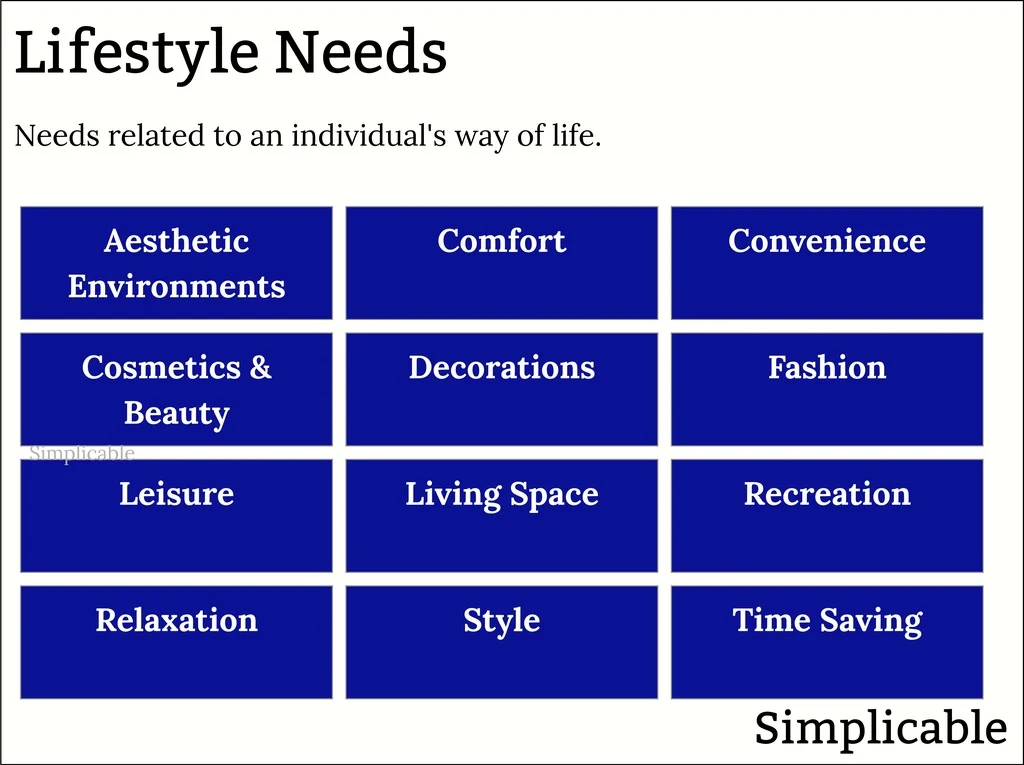
Before you dive into color palettes or furniture silhouettes, ask yourself what you need the space to do. A family with young children will prioritize durability and storage, while a remote professional might value a quiet, ergonomic home office. This functional foundation shapes the style choices that will ultimately feel comfortable and sustainable.
Consider creating a simple spreadsheet that lists each room, its primary activities, and any special requirements (e.g., pet‑friendly fabrics, acoustic panels, or easy‑clean surfaces). When you later explore décor ideas, you’ll have a practical filter that keeps you from falling in love with a look that doesn’t serve your daily routine.
How to Find Your Home Decor Style Through Lifestyle Mapping
- Identify daily rituals. Do you entertain often? Need a meditation corner?
- Note traffic flow. High‑traffic zones benefit from sturdy flooring and low‑maintenance finishes.
- Assess storage needs. A minimalist aesthetic can still incorporate hidden cabinets or multi‑functional furniture.
Gathering Visual Inspiration Without Getting Overwhelmed

Platforms like Instagram, Pinterest, and design blogs are treasure troves of ideas, but they can also lead to analysis paralysis. To answer how to find your home decor style efficiently, curate a focused collection of images that genuinely resonate with you.
Start a private board titled “My Ideal Spaces” and pin only those photos that make you feel a sense of calm, excitement, or belonging. Over time, you’ll notice recurring themes—perhaps soft neutrals, bold geometric patterns, or natural wood tones. Those patterns are the visual language of your emerging style.
For a practical example, check out Simple Modern Bedroom Layout Ideas for a Calm Retreat. The article showcases a restrained palette and streamlined furniture that can help you decide if a modern‑minimalist vibe aligns with your preferences.
How to Find Your Home Decor Style by Analyzing Mood Boards
- Collect 15–20 images that instantly attract you.
- Group them by dominant colors, materials, and silhouettes.
- Identify the three most common elements—those become the pillars of your style.
Exploring Core Design Styles and Their Signature Elements
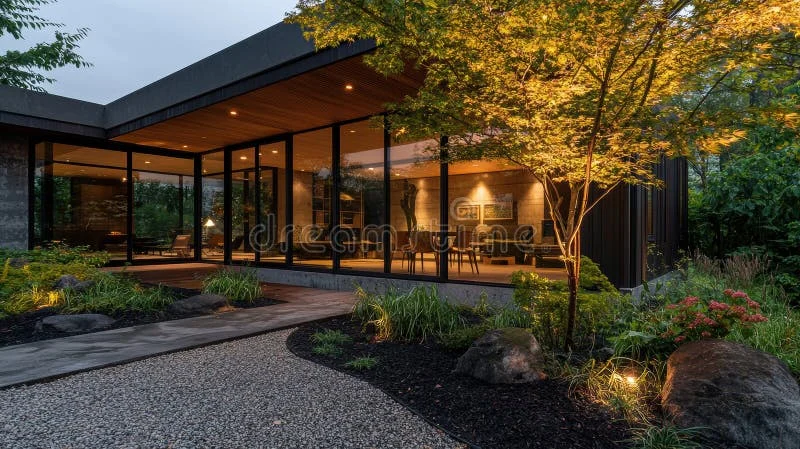
There are dozens of established design styles, each with a distinct set of characteristics. Understanding the basics of each helps you articulate what you like—and what you don’t. Below is a quick reference to the most popular categories:
- Scandinavian: Light woods, muted palettes, functional simplicity.
- Industrial: Exposed brick, metal fixtures, reclaimed wood.
- Mid‑Century Modern: Tapered legs, organic shapes, warm wood tones.
- Bohemian: Layered textiles, vibrant patterns, eclectic accessories.
- Traditional: Classic moldings, rich fabrics, symmetrical layouts.
When you know the defining features, you can mix and match confidently. For instance, pairing Scandinavian lightness with Industrial metal accents often results in a sleek, contemporary look that feels both cozy and edgy.
How to Find Your Home Decor Style Using a Hybrid Approach
Don’t feel compelled to stick to a single genre. Many homeowners discover a hybrid style—like “Scandi‑Industrial”—by combining the elements they love from multiple sources. The key is to maintain balance: limit the number of dominant colors to three and repeat a chosen material (e.g., matte black metal) throughout the space.
Testing Your Style in a Small Space Before Going All‑In
One of the smartest ways to answer how to find your home decor style is to experiment in a low‑risk environment. A single room or even a corner can serve as a test lab for colors, textures, and furniture arrangements.
Begin with a neutral base—painted walls, simple flooring—and then layer in a few statement pieces that reflect your chosen style. Observe how you feel after a week: Do the colors uplift you? Does the layout encourage movement? Adjust accordingly before committing to larger purchases.
For a hands‑on project, our guide on DIY home décor projects: Creative Ideas for Every Room offers budget‑friendly ways to create custom art, repurposed shelving, and unique lighting that can help you test a style without breaking the bank.
How to Find Your Home Decor Style Through DIY Trials
- Paint a single accent wall in your chosen hue.
- Swap out throw pillows with fabrics that embody the style.
- Use removable wall decals or temporary wallpaper for pattern testing.
Choosing the Right Finishes and Materials
Finishes—such as paint types, stains, and hardware—play a silent yet powerful role in defining a space’s character. Knowing how to find your home decor style includes understanding how different materials interact with light and texture.
For example, if you gravitate toward warm, rustic aesthetics, a deep‑toned Early American vs Provincial Stain comparison can guide you toward the perfect wood finish. Conversely, a sleek modern look may benefit from high‑gloss lacquer or brushed steel hardware.
When selecting finishes, consider durability, maintenance, and how they complement other elements in the room. A consistent material story—like matte black metal across lamps, drawer pulls, and leg caps—creates cohesion without overwhelming the eye.
How to Find Your Home Decor Style When Picking Stains and Paints
Start with a sample board: paint swatches side‑by‑side with wood stain chips on a piece of cardboard. View the board at different times of day to see how natural light shifts the perception. This simple exercise reduces the risk of costly missteps.
Balancing Trends with Timeless Elements
Trend cycles can be tempting, especially when a glossy magazine showcases a “must‑have” velvet sofa or neon accent. However, building a style that stands the test of time means blending current trends with classic pieces.
Ask yourself: Does this trend align with my core style pillars? If you love a minimalist aesthetic, a bold neon lamp can act as a limited‑edition accent while the overall palette remains neutral. This approach satisfies the desire for freshness without sacrificing long‑term harmony.
When you’re unsure, reference our article on Cat Palm vs Areca Palm – Choosing the Perfect Indoor Palm for Modern Homes. It demonstrates how a single plant can introduce a trend‑forward element (biophilic design) while staying rooted in timeless natural décor.
How to Find Your Home Decor Style While Embracing Trends
- Adopt one “trend piece” per room.
- Ensure the piece complements existing color schemes.
- Plan for easy replacement or resale if the trend fades.
Quick Home Décor Tips
- Start with a neutral base; add color through accessories.
- Mix textures—smooth metal with soft linen—to create depth.
- Use scale wisely; oversized art can anchor a room while small décor adds nuance.
Common Mistakes When Defining Your Style and How to Avoid Them
Even seasoned decorators fall into traps that blur their vision. Recognizing these pitfalls helps you stay on track with how to find your home decor style.
- Over‑collecting: Buying items because they’re “on sale” often leads to a mismatched look. Stick to your style pillars before shopping.
- Ignoring lighting: Natural and artificial light dramatically affect color perception. Test paint swatches under both daylight and warm bulbs.
- Skipping a floor plan: A beautiful rug won’t save a cramped layout. Draft a simple floor plan to ensure furniture fits comfortably.
Frequently Asked Questions
What is the first step to figuring out my home decor style?
Begin by evaluating how you live in each space. List daily activities, storage needs, and the atmosphere you want to feel—relaxed, energizing, or sophisticated. This functional audit forms the backbone of any style decision.
Can I blend two different design styles?
Absolutely. Successful hybrid styles balance a dominant aesthetic with subtle accents from a secondary one. Limit the secondary style to 20‑30% of the overall décor to maintain cohesion.
How many colors should I use in a single room?
A good rule of thumb is the 60‑30‑10 rule: 60% dominant neutral, 30% secondary color, and 10% accent color. This creates visual harmony while allowing personality to shine.
Do I need to hire a professional interior designer?
While designers bring expertise, many homeowners can achieve a polished look by following a systematic approach like the one outlined here. Use online resources, mood boards, and small‑scale experiments to build confidence.
How often should I refresh my décor?
Small updates—like swapping pillows, artwork, or lighting—can keep a space feeling fresh every 6‑12 months. Larger changes, such as repainting or new furniture, are best tackled every 3‑5 years, unless you’re following a rapid trend.
Finding your perfect aesthetic is an evolving journey, not a one‑time decision. As your tastes shift, revisit these steps to realign your home with the version of yourself you wish to express.
By taking a methodical approach to how to find your home decor style—starting with lifestyle needs, curating inspiration, testing in small spaces, and balancing trends with timeless pieces—you’ll create interiors that feel both personal and polished. Remember, the most inviting homes are those that tell the story of the people living within them. So go ahead, experiment, refine, and enjoy the transformation.
[ CATEGORY ]: Home Decor Ideas