
Table of Contents
- simple modern bedroom layout ideas: Core Principles
- simple modern bedroom layout ideas – space planning basics
- Creating a Focal Point Without Clutter
- Choosing the right headboard and artwork
- Maximizing Storage in a Minimalist Way
- Built‑in solutions and sleek wardrobes
- Lighting Strategies for a Calm Ambience
- Color Palette and Textiles: Keeping It Simple
- Quick Tips for Immediate Impact
- Common Mistakes and How to Avoid Them
- Frequently Asked Questions
Simple Modern Bedroom Layout Ideas: A Guide to Calm, Functional Spaces
Designing a bedroom that feels both contemporary and serene can seem daunting, especially when you’re juggling limited square footage and a desire for minimal clutter. Yet the power of simple modern bedroom layout ideas lies in their ability to transform any space—big or small—into a soothing retreat without overwhelming the eye. By focusing on clean lines, strategic zoning, and thoughtful storage, you can create a sanctuary that invites relaxation while reflecting today’s sleek aesthetic.
This article walks you through the essential principles, practical tips, and common pitfalls to avoid when reimagining your sleeping area. Whether you’re a first‑time renter, a seasoned homeowner, or simply a décor enthusiast looking for fresh inspiration, you’ll find actionable guidance that blends modern design theory with everyday usability. Let’s explore how to make your bedroom both beautiful and functional, one simple modern bedroom layout idea at a time.
simple modern bedroom layout ideas: Core Principles
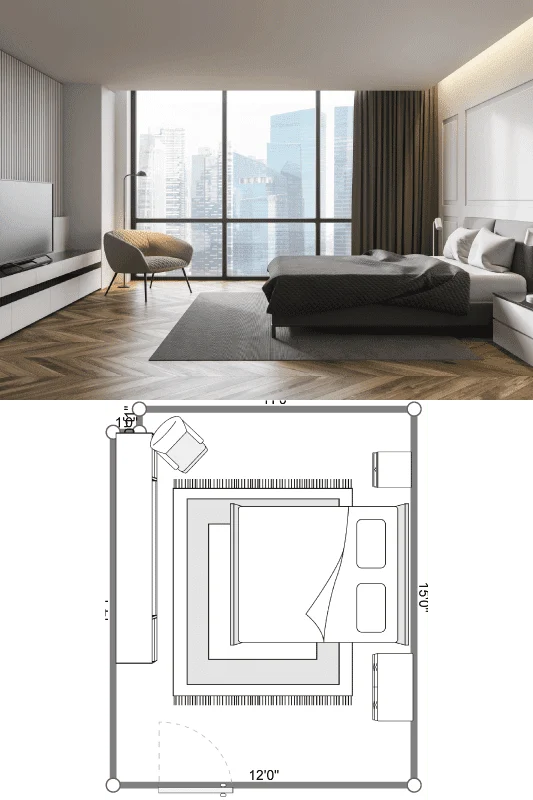
Before diving into specific furniture choices or color schemes, it’s helpful to understand the foundational concepts that underpin successful modern bedroom designs. Simplicity isn’t about stripping away personality; it’s about curating only the elements that serve a purpose or add genuine visual interest.
simple modern bedroom layout ideas – space planning basics
Start with a clear floor plan. Measure the room, note window locations, and sketch a rough layout on graph paper or a digital tool. Position the bed as the anchor piece—ideally opposite the entry door or against the longest uninterrupted wall. This creates a natural flow and ensures the space feels balanced. Keep pathways at least 30‑inches wide to promote easy movement, especially in smaller rooms where every inch counts.
- Zone the room: Separate sleeping, dressing, and lounging areas using rugs or low-profile furniture.
- Embrace negative space: Open floor areas enhance the perception of size and keep the room airy.
- Limit visual noise: Choose a maximum of three main pieces (bed, nightstand, dresser) to maintain focus.
By adhering to these core ideas, you lay a solid groundwork for any simple modern bedroom layout ideas you later incorporate.
Creating a Focal Point Without Clutter

Every bedroom needs a visual anchor that draws the eye without creating visual chaos. In modern design, the focal point often emerges from the headboard, a piece of artwork, or a thoughtfully curated accent wall.
Choosing the right headboard and artwork
A low‑profile, upholstered headboard in a neutral tone can add softness while preserving the clean aesthetic. If you prefer wood, select a piece with a natural finish—think light oak or walnut—to keep the vibe warm yet understated. Pair this with a single large piece of art or a gallery of monochrome prints that echo the room’s color palette.
When selecting art, think about scale. A piece that’s too small will get lost; too large can dominate. A good rule of thumb is to choose artwork that spans roughly two‑thirds the width of the bed. For inspiration on how finishes influence a room’s mood, read our guide on choosing the right finish for your home.
Maximizing Storage in a Minimalist Way
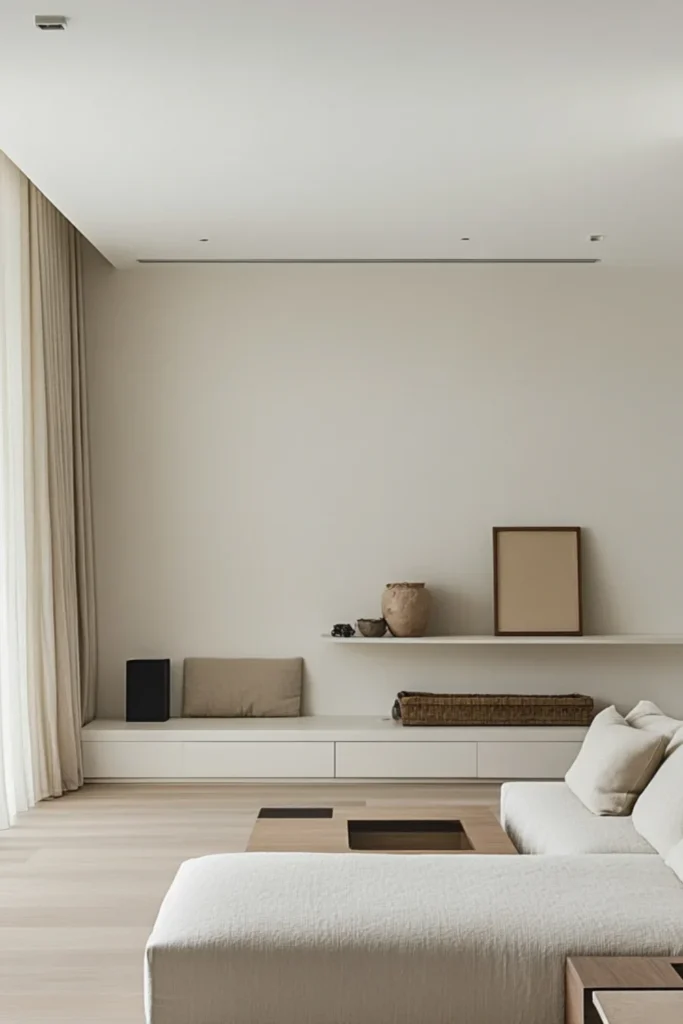
Clutter is the enemy of simplicity. Smart storage solutions keep belongings out of sight while maintaining the sleek lines central to modern aesthetics.
Built‑in solutions and sleek wardrobes
Consider floor‑to‑ceiling closets with sliding doors in frosted glass or matte finishes. These not only hide clothing but also reflect light, making the room feel larger. If built‑ins aren’t feasible, opt for low-profile dressers with clean hardware and a uniform color scheme that blends into the wall.
Floating nightstands and wall-mounted shelves free up floor space, creating a lighter visual field. For a DIY-friendly approach, explore DIY home décor projects that can be customized to your exact dimensions and style.
- Use under‑bed storage boxes with breathable fabrics.
- Install a slim shoe rack behind the door to keep footwear organized.
- Choose multi‑functional furniture, such as a bench with hidden compartments at the foot of the bed.
Lighting Strategies for a Calm Ambience
Lighting is a subtle yet powerful tool in modern bedroom design. Layered illumination—ambient, task, and accent—creates depth and enhances the overall mood.
Start with recessed LED fixtures or a simple flush‑mount ceiling light for even ambient lighting. Add bedside lamps or wall sconces for reading, opting for fixtures with clean lines and matte finishes. Accent lighting, such as a narrow LED strip behind a floating headboard, can add a soft glow without being overpowering.
Natural light should be maximized. Use sheer curtains to diffuse sunlight while preserving privacy. For those who love a touch of nature, a small, low‑maintenance plant like a cat palm can bring life without clutter—learn more in our comparison of indoor palms for modern homes.
Color Palette and Textiles: Keeping It Simple
A restrained color scheme is the hallmark of modern interiors. Soft neutrals—warm whites, cool greys, muted taupes—form a calming backdrop. Introduce subtle contrast with deep charcoal or navy accents in throw pillows, blankets, or a single accent wall.
Texture adds interest without breaking the minimalist vibe. Choose linen or cotton bedding in natural shades, a woven rug with a low pile, and a sleek leather or faux‑leather chair for a touch of sophistication. When selecting a mattress, consider both comfort and budget; our best mattress under 2000 guide offers options that fit modern aesthetics while ensuring restful sleep.
Quick Tips for Immediate Impact
- Declutter surfaces—keep nightstands clear except for a lamp and a personal item.
- Swap heavy drapery for light, floor‑to‑ceiling sheers to open up the space.
- Rearrange furniture to create a clear line of sight from the door to the bed.
- Add a single large mirror to reflect light and visually enlarge the room.
- Incorporate a subtle patterned rug to anchor the layout without overwhelming.
Common Mistakes and How to Avoid Them
Even with the best intentions, it’s easy to slip into habits that undermine a modern aesthetic.
- Over‑furnishing: Packing too many pieces creates a cramped feel. Stick to essential items.
- Ignoring scale: A massive dresser in a small room will dominate the space. Choose proportionate furniture.
- Misusing color: Bold hues can become overpowering. Use them sparingly as accents.
- Neglecting lighting layers: Relying solely on overhead lighting makes the room feel sterile. Add task and accent lights.
- Skipping storage planning: Without dedicated storage, clutter returns quickly. Integrate hidden solutions from the start.
Frequently Asked Questions
What is the best layout for a bedroom under 120 square feet?
Focus on a single wall bed placement, floating nightstands, and built‑in wardrobes that reach the ceiling. Keep pathways clear and use light colors to amplify the sense of space.
Can I incorporate a desk into a modern bedroom without making it feel cluttered?
Yes. Choose a slim, wall‑mounted desk with clean lines and pair it with a minimalist chair. Position it near a window for natural light and keep accessories to a minimum.
How many colors should I use in a simple modern bedroom?
Aim for a base of two neutrals (e.g., soft white and light gray) and one accent color (e.g., navy or muted teal). This keeps the palette cohesive while allowing visual interest.
Is it okay to mix wood tones in a modern bedroom?
Mixing wood tones can add warmth, but keep the finishes consistent—either all light or all dark. This ensures harmony without disrupting the sleek vibe.
What type of flooring works best for a modern bedroom?
Light‑colored hardwood, polished concrete, or large‑format porcelain tiles create a seamless, contemporary look. Pair with a low‑pile rug for comfort.
By addressing these common queries, you can confidently apply the simple modern bedroom layout ideas that suit your unique space.
Implementing the strategies outlined above will help you craft a bedroom that feels both contemporary and comforting. Remember, simplicity thrives on intentional choices—select pieces that serve a purpose, maintain a cohesive color story, and always prioritize natural light and smart storage. As you experiment with these ideas, feel free to explore other related articles on The Homara for additional inspiration and practical tips. Happy designing!