
Table of Contents
- Understanding the Basics: Cat Palm vs Areca Palm
- Lighting Requirements: How Much Sun Does Each Palm Need?
- Watering and Humidity: Keeping Both Palms Happy
- Styling Ideas: Where to Place Each Palm in Your Home
- Cat palm vs areca palm: Mixing Both for a Layered Look
- Maintenance Schedule: What to Expect Over Time
- Health Benefits: Air Purification and Mood Enhancement
- Quick Home Décor Tips
- Common Mistakes to Avoid with Indoor Palms
- Frequently Asked Questions
Cat Palm vs Areca Palm – Which Indoor Palm Fits Your Home Best?
Indoor palms have become a staple in contemporary interior design, offering a touch of tropical elegance without the need for outdoor space. Among the most popular choices are the cat palm and the areca palm, each bringing its own aesthetic and care requirements. Understanding the differences between cat palm vs areca palm helps you select the plant that not only thrives in your environment but also complements your décor style.
In this article, we’ll dive deep into the origins, visual characteristics, lighting and watering needs, and styling possibilities for both palms. Whether you’re decorating a bright living room, a cozy bedroom, or a compact apartment balcony, you’ll discover practical tips that make the decision easier. By the end, you’ll know exactly which palm aligns with your lifestyle, design vision, and maintenance preferences.
Understanding the Basics: Cat Palm vs Areca Palm
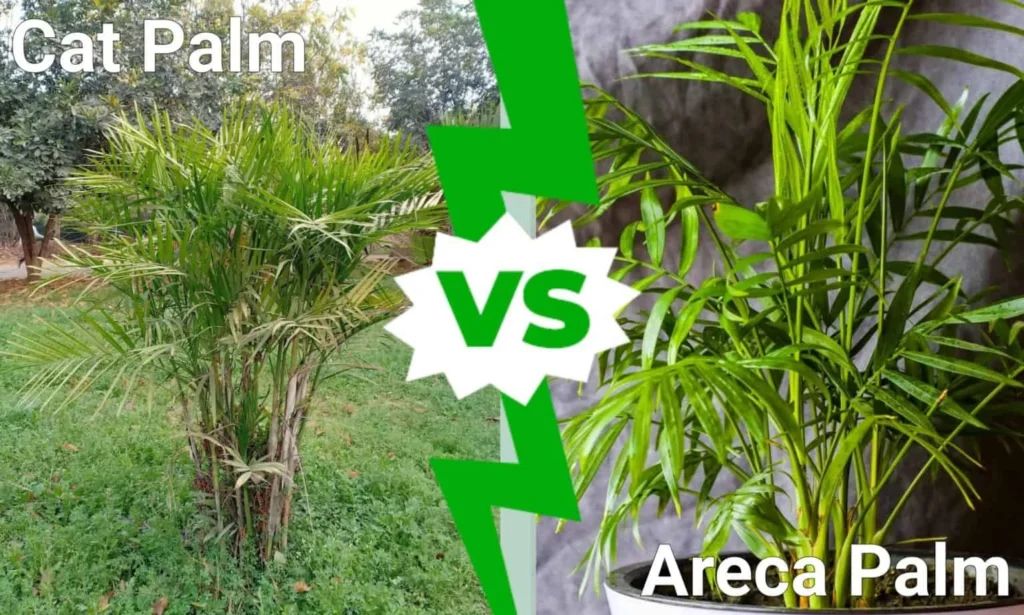
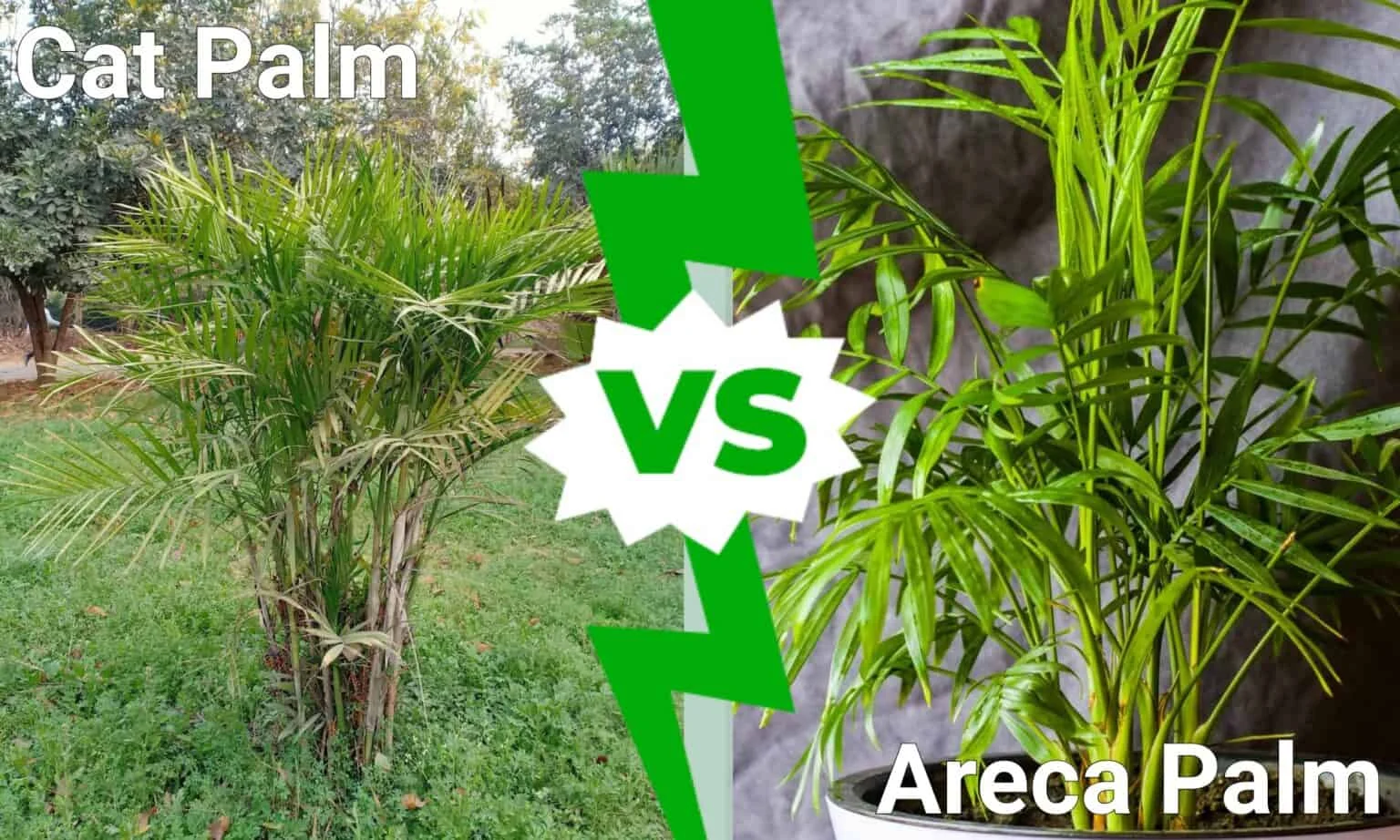
The cat palm (Chamaedorea cataractarum) hails from the rainforests of Central America, while the areca palm (Dypsis lutescens) originates in Madagascar’s coastal regions. Both are classified as “low‑maintenance” houseplants, yet their growth habits differ significantly. Cat palms typically reach 4–6 feet in height, featuring slender, feather‑like fronds that arch gracefully. Areca palms can grow taller, up to 6–10 feet, with a fuller, plume‑shaped crown that adds a lush, tropical vibe.
When you compare cat palm vs areca palm, one of the first things to notice is leaf texture. The cat palm’s leaves are narrow and slightly glossy, creating a delicate silhouette that works well in minimalist interiors. In contrast, the areca palm showcases broader, feathery leaves with a matte finish, ideal for rooms that need a bold statement piece. Both palms are non‑toxic to pets, making them safe choices for families.
Lighting Requirements: How Much Sun Does Each Palm Need?

Lighting is a critical factor in the cat palm vs areca palm debate. Cat palms thrive in bright, indirect light but can tolerate lower light levels, making them versatile for spaces with limited windows. However, prolonged exposure to direct sun may scorch their thin fronds.
Areca palms, on the other hand, prefer bright, indirect light as well but are more sensitive to low‑light conditions. In dim environments, their growth can slow dramatically, and leaf yellowing may occur. For optimal health, place an areca palm near an east‑facing window or use sheer curtains to filter harsh sunlight.
Practical tip: If your home office receives filtered morning light, the cat palm will adapt easily, while the areca palm may need supplemental grow lights during winter months.
Watering and Humidity: Keeping Both Palms Happy

Both palms enjoy consistent moisture, but their tolerance ranges differ. Cat palms prefer the soil to stay evenly moist—water when the top inch feels dry. Overwatering can lead to root rot, especially in cooler rooms.
Areca palms have a slightly higher humidity requirement, reflecting their native coastal habitat. They appreciate a weekly deep watering, allowing excess to drain. During dry winter heating, misting the foliage or using a pebble tray can prevent leaf browning.
In the cat palm vs areca palm comparison, the cat palm is a bit more forgiving for beginners who might miss a watering schedule, while the areca palm rewards attentive humidity management with vibrant, glossy fronds.
Styling Ideas: Where to Place Each Palm in Your Home
Choosing between cat palm vs areca palm often comes down to the room’s design language. The cat palm’s slender profile makes it an excellent floor accent in narrow hallways, modern kitchens, or beside a sleek console table. Pair it with matte black or brushed gold décor for a sophisticated look.
Areca palms excel as statement pieces in living rooms, open‑plan spaces, or beside large windows where their fuller canopy can be appreciated. They work beautifully alongside natural textures like rattan, woven baskets, and wooden coffee tables, enhancing a tropical or boho aesthetic.
For smaller apartments, consider a hanging macramé planter with a young cat palm to save floor space. Conversely, a tall areca palm can serve as a living room “green wall” when positioned against a blank sidewall, adding depth and height without overwhelming the space.
Cat palm vs areca palm: Mixing Both for a Layered Look
Integrating both palms can create visual interest through contrasting leaf shapes and heights. Place a cat palm on a side table and an areca palm in the corner to establish a tiered greenery arrangement. This layered approach aligns with modern home styling trends and offers a dynamic, lived‑in feel.
Maintenance Schedule: What to Expect Over Time
Both palms benefit from routine pruning. For cat palms, trim any yellowing fronds at the base to maintain a tidy appearance. Areca palms may shed older leaves naturally; removing these helps promote fresh growth and keeps the plant looking lush.
Fertilization should be moderate. Use a balanced, water‑soluble fertilizer diluted to half strength once a month during the growing season (spring through early fall). Reduce feeding in winter when growth slows.
Re‑potting frequency also varies. Cat palms appreciate being slightly root‑bound, so re‑pot every 2–3 years. Areca palms prefer a bit more room for their expanding root system, so consider re‑potting every 2 years with fresh, well‑draining potting mix.
Health Benefits: Air Purification and Mood Enhancement
Both cat palm and areca palm are recognized by NASA’s clean‑air study for their ability to filter indoor pollutants such as formaldehyde, benzene, and xylene. Adding either palm to a bedroom can improve air quality, potentially aiding sleep quality and overall well‑being.
Beyond air purification, the presence of greenery has been linked to reduced stress levels and increased productivity. In a home office, a cat palm can offer a subtle touch of nature without distraction, while an areca palm can create a more immersive, calming environment for creative work.
Quick Home Décor Tips
- Use decorative pots that match your room’s color palette—terracotta for a warm feel, white ceramic for a sleek modern look.
- Pair a cat palm with metallic accents for a contemporary vibe; combine an areca palm with natural fibers for a coastal touch.
- Rotate your palms occasionally to ensure even light exposure and balanced growth.
Common Mistakes to Avoid with Indoor Palms
- Overwatering: Let the top inch of soil dry before watering again.
- Direct sunlight: Both palms can develop brown tips if exposed to harsh midday sun.
- Ignoring humidity: Especially for the areca palm, low indoor humidity can cause leaf browning.
- Using heavy, non‑draining soil: Opt for a peat‑based mix with perlite or orchid bark to improve aeration.
Frequently Asked Questions
Can cat palm and areca palm survive in low‑light apartments?
Both can tolerate lower light, but the cat palm is more adaptable. The areca palm may become leggy and lose vibrancy without sufficient indirect light.
Are these palms safe for pets?
Yes, both cat palm and areca palm are non‑toxic to cats and dogs, making them safe choices for pet‑friendly households.
How fast do they grow?
Cat palms grow moderately, adding about 6–12 inches per year. Areca palms can be faster, especially during spring, with growth up to 1 foot annually under ideal conditions.
Do I need to repot them every year?
No. Repotting every 2–3 years is sufficient. Over‑repotting can stress the roots and stunt growth.
Which palm is better for a small studio?
The cat palm’s slim silhouette makes it a better fit for tight spaces, while an areca palm may overwhelm a small studio unless placed in a corner with ample floor space.
For more inspiration, see our guide on DIY home décor projects: Creative Ideas for Every Room. If you’re looking to personalize your walls, check out DIY wall décor ideas for home – Creative, Affordable, and Personalized. Need a stylish spot for your new palm? Browse Balcony Décor with Small Tables – Stylish Ideas for Every Space for perfect placement ideas.
Choosing between cat palm vs areca palm ultimately depends on your lighting conditions, space constraints, and design preferences. Both palms bring natural beauty and health benefits to any interior, making them valuable additions to modern home décor.