
Table of Contents
- Early American Stain: Heritage Roots and Warm, Subtle Tones
- Key Benefits of Early American Stain
- Provincial Stain: Elegant Coolness with a European Flair
- Advantages of Provincial Stain in Modern Interiors
- Comparing Color Impact: Visual Mood and Spatial Perception
- Application Techniques: Getting the Best Result from Each Stain
- Choosing the Right Stain for Specific Rooms
- Quick Tips for Successful Staining
- Common Mistakes and How to Avoid Them
- Frequently Asked Questions
- Bringing It All Together: Styling Your Space with Intent
Early American vs Provincial Stain – A Deep Dive for Modern Home Styling
When it comes to wood finishes, the subtle nuances between different stain families can dramatically alter a room’s character. Two popular palettes—early American and provincial—have become staples in both historic restorations and contemporary interiors. Understanding their origins, visual impact, and practical considerations helps homeowners, renters, and design enthusiasts make confident choices that align with their overall décor vision.
In this article we’ll explore the defining traits of early American versus provincial stain, compare their color stories, discuss application techniques, and provide actionable tips for integrating each look into various spaces—from a cozy bedroom to an open‑concept living area. Whether you’re refreshing an heirloom piece or styling a brand‑new piece of furniture, the insights below will guide you toward a finish that feels both authentic and on‑trend.
Early American Stain: Heritage Roots and Warm, Subtle Tones

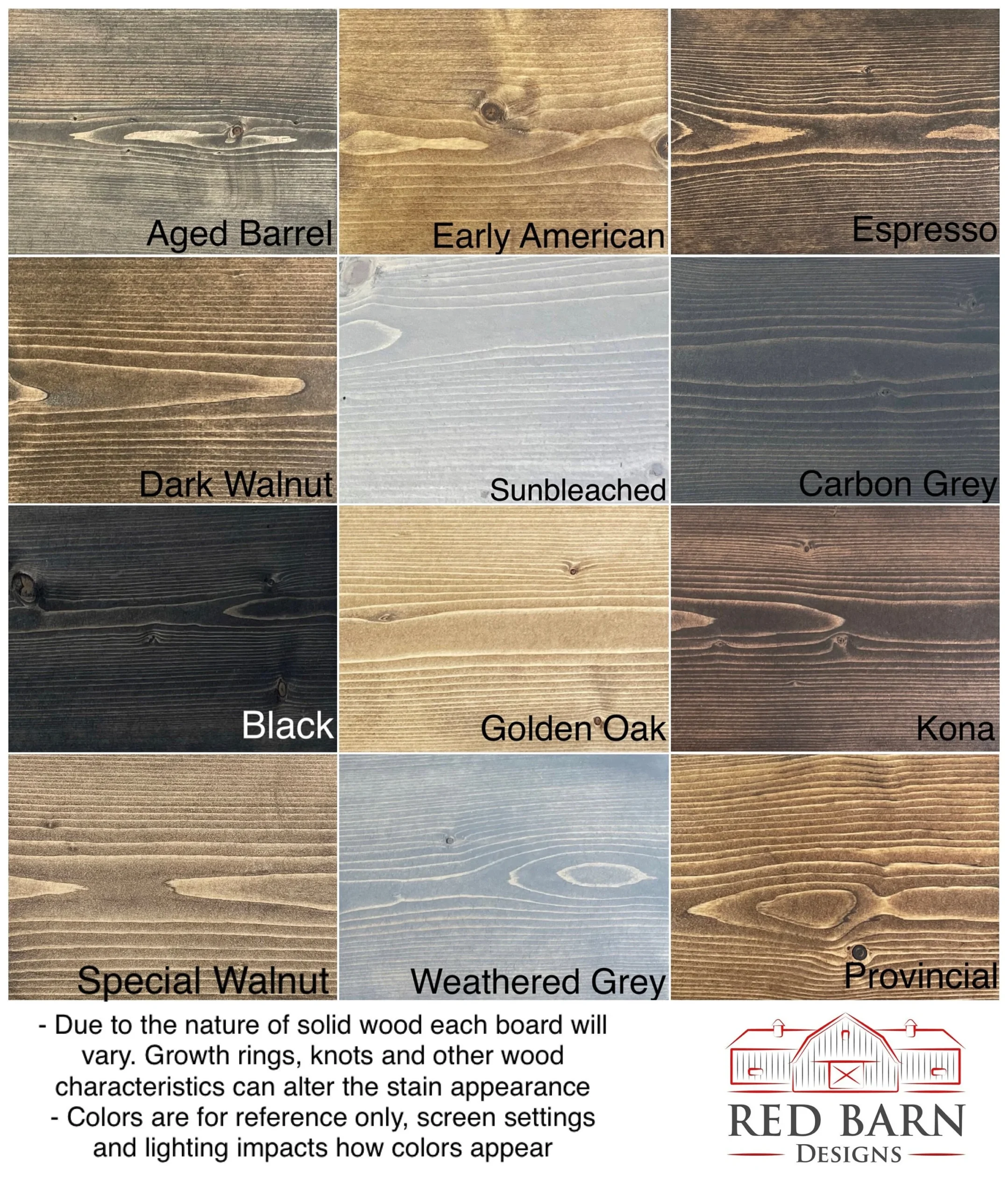
Early American stain draws its inspiration from the wood finishes favored by settlers in the 18th and early 19th centuries. These stains typically emphasize warm, muted hues—think honeyed amber, soft chestnut, and gentle oak greys—that echo the natural patina of aged timber. The palette is designed to highlight grain patterns while imparting a sense of timelessness that works well in both traditional and modern settings.
Because the color family leans toward understated warmth, early American stain pairs beautifully with coastal palettes, farmhouse décor, and even industrial lofts that seek a touch of softness. When applied to pine, maple, or reclaimed barn wood, the finish deepens the material’s character without overwhelming it, allowing the wood’s story to remain front and center.
Key Benefits of Early American Stain
- Enhances natural grain while delivering a warm, lived‑in feel.
- Works well on light‑to‑medium woods, making it versatile for many projects.
- Provides a historic vibe that blends seamlessly with contemporary minimalism.
Provincial Stain: Elegant Coolness with a European Flair

Provincial stain originates from the refined interiors of French‑influenced European homes, where cooler, more sophisticated hues dominate. This family includes soft greys, muted blues, and delicate taupes that evoke the stone‑washed walls of French countryside châteaux. The result is a finish that feels airy, elegant, and slightly more formal than the warm tones of early American stain.
Provincial stain is especially effective on darker woods such as walnut, mahogany, or reclaimed oak, where the cooler pigments can balance the wood’s depth and prevent a heavy, overly dark appearance. The finish is a favorite for modern kitchens, sleek bathrooms, and minimalist living rooms where a calm, neutral backdrop is desired.
Advantages of Provincial Stain in Modern Interiors
- Creates a cool, sophisticated backdrop that pairs well with monochrome palettes.
- Highlights subtle grain variations without adding excessive warmth.
- Ideal for spaces aiming for a contemporary European aesthetic.
Comparing Color Impact: Visual Mood and Spatial Perception
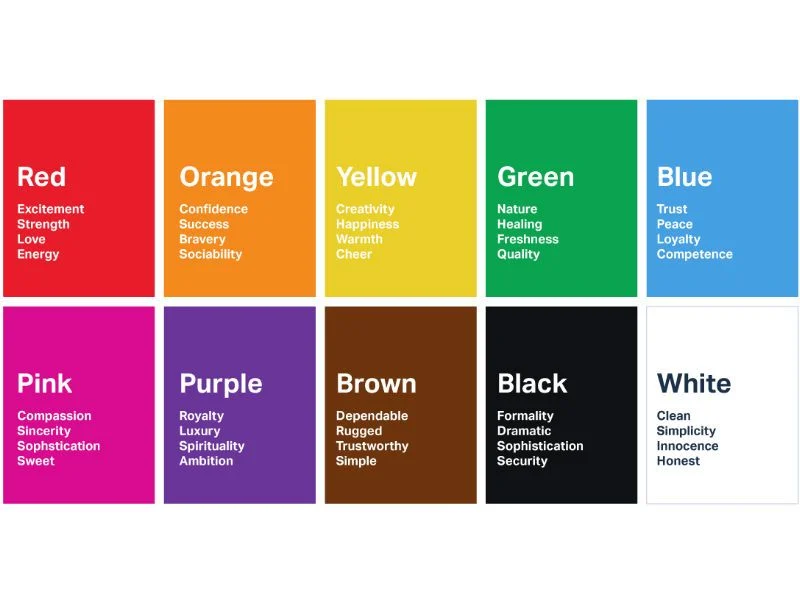
The choice between early American and provincial stain can subtly shift a room’s perceived size and mood. Warm, golden tones from early American stain tend to make spaces feel inviting and intimate, which is perfect for bedrooms or reading nooks. Conversely, the cooler, muted shades of provincial stain reflect light in a way that can open up a room, making it appear larger—a useful trick in small apartments or compact kitchens.
For example, a dining table finished with early American stain becomes a centerpiece that draws guests together, while a kitchen island treated with provincial stain offers a sleek, understated elegance that lets surrounding cabinetry and countertops shine.
Application Techniques: Getting the Best Result from Each Stain
Both early American and provincial stains require careful preparation, but each has nuances that affect the final outcome. Here are essential steps for each:
- Surface preparation: Sand wood to a fine grit (220) to open pores without leaving deep scratches.
- Testing: Always test the stain on a hidden scrap piece; early American may appear richer on lighter woods, while provincial can look too cool on very pale surfaces.
- Application method: Use a high‑quality brush or lint‑free cloth. For early American, work in the direction of the grain to enhance warmth; for provincial, apply in thin, even coats to maintain a uniform cool tone.
- Sealing: Finish with a clear polyurethane or oil‑based topcoat. Early American works well with satin finishes that preserve warmth, whereas provincial often looks sharper with a matte or low‑gloss seal.
Patience is key: allow each coat to dry completely (usually 4–6 hours) before sanding lightly with 320‑grit sandpaper and applying the next layer. This process ensures depth and consistency across the surface.
Choosing the Right Stain for Specific Rooms
Below is a quick guide that matches each stain family to typical room functions:
- Living Room: Early American stain on a reclaimed coffee table adds rustic charm, while a provincial‑stained media console provides a sleek backdrop for modern tech.
- Bedroom: Headboards finished with early American stain create a cozy sanctuary; bedside tables with provincial stain keep the space feeling airy.
- Kitchen: Cabinetry in provincial stain offers a contemporary, cool look that complements stainless steel appliances. For a farmhouse vibe, early American stain on open shelving works beautifully.
- Bathroom: A vanity treated with provincial stain can resist the bright, clinical feel of tiles, adding a subtle touch of elegance.
For further inspiration on how to incorporate these finishes into a cohesive design, check out our guide on DIY home décor projects: Creative Ideas for Every Room. The article offers practical ideas that blend finishes with accessories, lighting, and textiles.
Quick Tips for Successful Staining
These bite‑size recommendations help you avoid common pitfalls and achieve a professional look:
- Always work in a well‑ventilated area to prevent fumes from affecting the finish.
- Use a pre‑conditioner on porous woods like pine before applying early American stain to avoid blotchy absorption.
- For a two‑tone effect, blend early American and provincial stains on the same piece—apply the lighter early American base, then wipe in provincial accents on edges.
- Maintain consistent brush pressure to avoid streaks, especially with the cooler pigments of provincial stain.
- Allow the final topcoat to cure for at least 48 hours before heavy use to ensure durability.
Common Mistakes and How to Avoid Them
Even seasoned DIYers can stumble when working with early American vs provincial stain. Recognizing frequent errors saves time, money, and material:
- Skipping the test patch: Without testing, you risk a finish that looks dramatically different from expectations, especially when lighting changes.
- Over‑sanding between coats: Excessive sanding can flatten the subtle depth that early American stain builds, making the surface appear flat.
- Choosing the wrong topcoat sheen: A high‑gloss polyurethane on a provincial stain can turn the cool tones into an overly shiny, less sophisticated look.
- Poor moisture control: Applying stain in high humidity can cause uneven drying, leading to blotches, particularly with early American’s warm pigments.
- Neglecting wood grain direction: Staining against the grain can highlight imperfections and reduce the natural beauty of both early American and provincial finishes.
Frequently Asked Questions
Which stain is better for reclaimed barn wood?
Early American stain often complements reclaimed barn wood because its warm amber tones enhance the weathered character, while provincial stain can be used if you prefer a cooler, more contemporary twist.
Can I mix early American and provincial stains on the same piece?
Yes, blending the two can create a unique two‑tone effect. Apply the early American base first, then lightly wipe provincial stain on edges or distressed areas for contrast.
How long does it take for the finish to fully cure?
While touch‑dry time is typically 4‑6 hours, a full cure for both early American and provincial stains with a polyurethane topcoat usually requires 48‑72 hours before heavy use.
Is there a difference in durability between the two stains?
Durability largely depends on the topcoat rather than the stain itself. Both early American and provincial stains perform similarly when sealed with a high‑quality oil‑based or water‑based polyurethane.
Do I need a special brush for each type of stain?
A high‑quality natural bristle brush works well for early American stains, while a synthetic brush or lint‑free cloth can give a smoother finish for provincial stains, reducing brush marks.
What lighting conditions best showcase early American vs provincial stain?
Warm, soft lighting (e.g., amber LED bulbs) highlights early American’s golden tones, while cool daylight or cool‑white LEDs emphasize the subtle greys and blues of provincial stain.
Bringing It All Together: Styling Your Space with Intent
Choosing between early American and provincial stain is more than a color decision; it’s a strategic move that aligns with the mood you want to create. Pair early American‑finished furniture with natural fibers, such as linen drapes and jute rugs, to reinforce a warm, inviting atmosphere. Complement provincial‑stained pieces with sleek metal accents, glass décor, and monochrome textiles for a crisp, modern look.
Don’t overlook the power of complementary wall treatments. For instance, a living room featuring a provincial‑stained coffee table can be balanced with a soft, neutral wall color and a few statement art pieces. Conversely, an early American‑stained dining bench shines against a deep, earthy accent wall, creating depth and cohesion.
Need more ideas for wall styling? Check out DIY wall décor ideas for home – Creative, Affordable, and Personalized. The article offers budget‑friendly ways to frame your chosen finish within a broader design narrative.
Finally, when planning larger renovation projects, consider how the finish interacts with other materials like tile, stone, or metal cladding. A recent comparison of cladding options, Maxitile vs Hardie: Which Cladding Wins for Modern Homes?, provides insights that can help you choose complementary textures and colors, ensuring your wood finishes harmonize with the overall architectural language.
By understanding the subtle distinctions between early American and provincial stain, you empower yourself to curate spaces that feel authentic, stylish, and uniquely yours. Whether you gravitate toward the warm nostalgia of early American or the refined coolness of provincial, the right stain can become the silent hero of your interior design story.
Explore more design inspiration, experiment with finishes, and watch your home transform with personality and purpose.