
Table of Contents
- Relaxing Balcony Design Ideas: Embracing Natural Elements
- Color Palette and Materials for a Calm Balcony
- Furniture Selections that Invite Relaxation
- Lighting Strategies for Evening Serenity
- Relaxing balcony design ideas: Choosing the right lights
- Smart Storage and Multi‑Functional Features
- Integrating Technology Without Disrupting Tranquility
- Quick Tips for a Calming Balcony Upgrade
- Common Mistakes to Avoid When Designing a Relaxing Balcony
- Frequently Asked Questions
Relaxing Balcony Design Ideas: Create Your Personal Outdoor Oasis
Balconies often become overlooked extensions of a home, yet they hold the potential to be tranquil retreats right outside your door. Whether you live in a bustling city apartment or a suburban house with a modest slab, the right design choices can transform a narrow ledge into a sanctuary for reading, sipping tea, or simply watching the world go by. This article explores a variety of relaxing balcony design ideas that blend comfort, style, and practicality, helping you make the most of every square foot.
We’ll walk through essential concepts such as natural materials, soothing colour palettes, functional furniture, and lighting that enhances the mood after sunset. By the end, you’ll have a toolbox of actionable tips, common pitfalls to avoid, and answers to frequent questions, empowering you to craft a balcony that feels like an extension of your living room—only with fresher air and a touch of nature.
Relaxing Balcony Design Ideas: Embracing Natural Elements
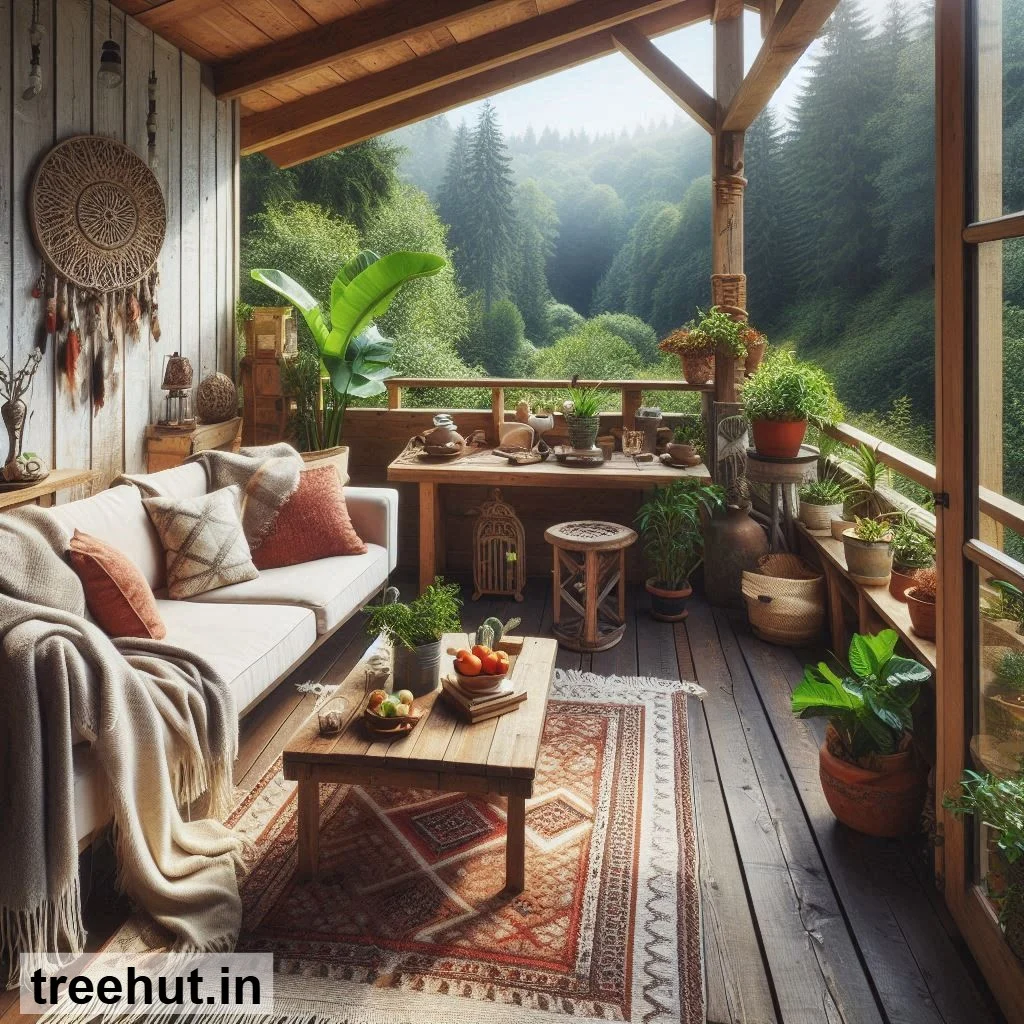
One of the most effective ways to cultivate calm is to bring the outdoors in. Incorporating plants not only adds visual interest but also improves air quality and creates a gentle, living backdrop. Choose a mix of foliage that suits your climate and sunlight exposure—think aromatic herbs like lavender or rosemary for sunny balconies, and shade‑loving ferns or pothos for more protected spots.
When arranging greenery, consider vertical planting to maximize floor space. Hanging planters, trellises, and tiered wooden shelves can host a cascade of leaves without crowding the area. For an added sense of serenity, group plants by height and texture, allowing taller specimens to frame the backdrop while shorter pots sit on tables or railings.
Beyond plants, natural materials such as reclaimed wood, bamboo, and rattan reinforce the organic vibe. A simple bamboo mat underfoot can soften the concrete surface, while a reclaimed‑wood coffee table adds warmth without overwhelming the space. Pair these textures with neutral tones to keep the focus on the living elements rather than on decorative excess.
Color Palette and Materials for a Calm Balcony
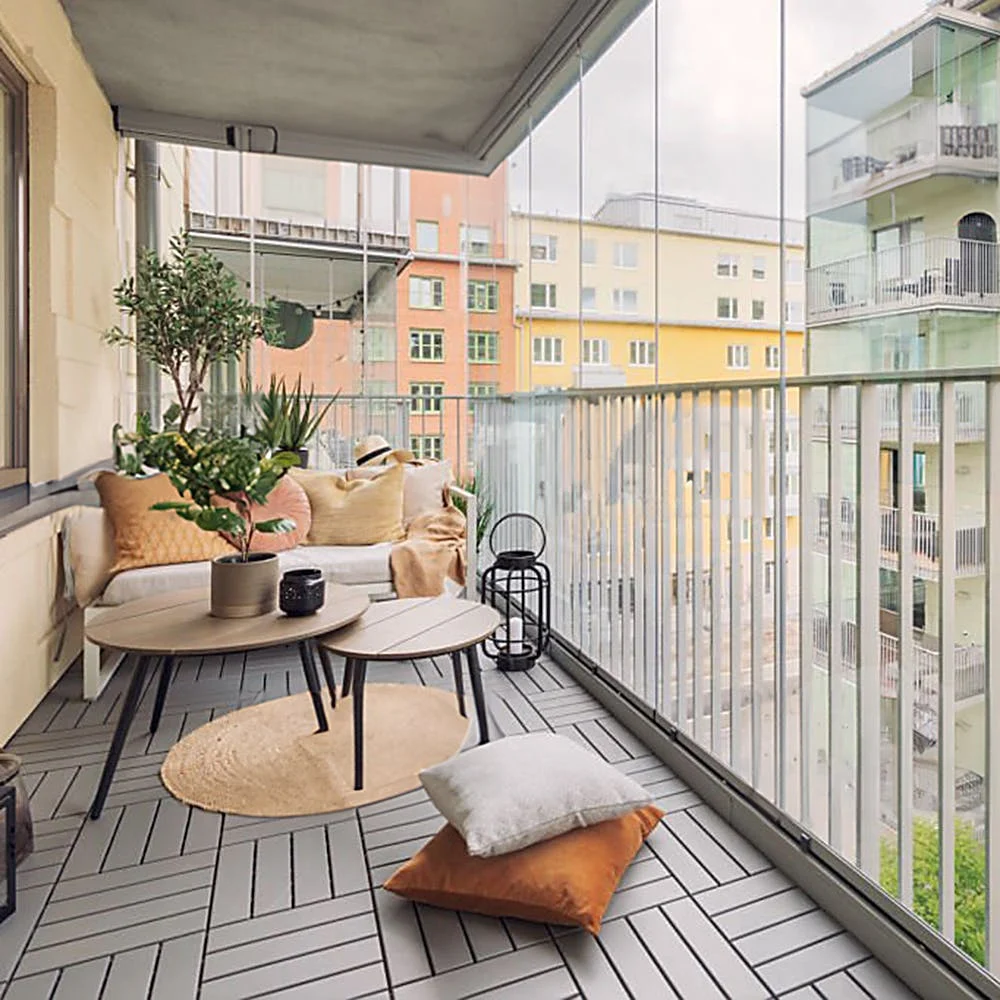
Colour has a profound psychological effect, and a well‑chosen palette can instantly shift a balcony from chaotic to calm. Soft, muted hues—like dove‑gray, pale sage, and warm ivory—provide a soothing canvas that lets furniture and plants stand out without competing for attention. If you enjoy a touch of colour, incorporate it through accessories such as cushions, lanterns, or a rug, rather than painting the entire railing.
Materials also play a role in setting the tone. Opt for matte finishes over glossy surfaces; they reflect less light and create a more relaxed ambience. Outdoor‑grade textiles in natural fibres, such as linen or cotton, feel gentle against the skin and age gracefully with exposure to the elements.
For flooring, consider interlocking deck tiles made from composite wood. They offer the look of timber while resisting moisture and are easy to install on most balcony slabs. When paired with a subtle, neutral rug, the floor becomes an inviting base for bare feet, encouraging you to linger longer.
Furniture Selections that Invite Relaxation
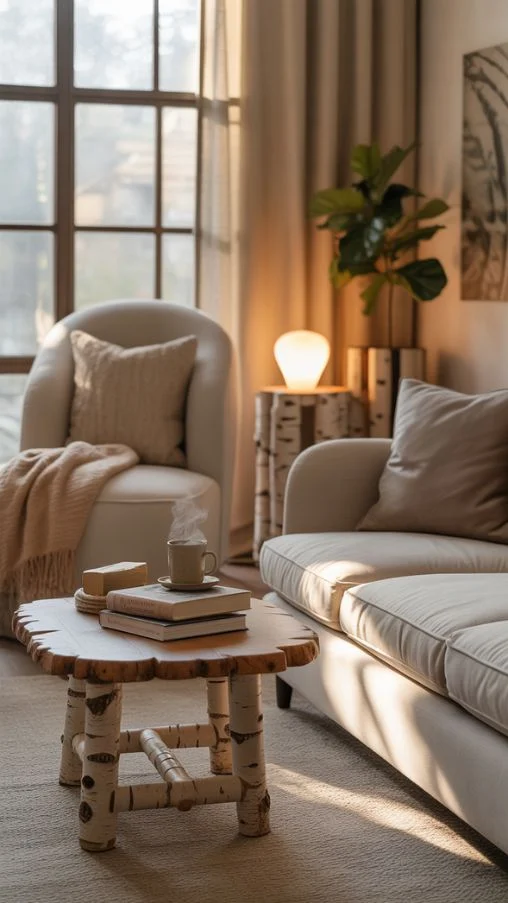
The furniture you choose should prioritize comfort without sacrificing durability. A compact, weather‑proof lounge chair with a supportive backrest invites afternoon naps, while a low‑profile sofa with plush cushions can serve as a social hub for evening conversations. Look for pieces with removable, washable covers to keep maintenance simple.
Multi‑functional furniture maximises limited square footage. A storage bench doubles as seating and hides gardening tools, cushions, or blankets. A fold‑away table can be expanded for meals and folded back when you prefer a clear space for yoga or meditation.
When arranging furniture, maintain clear pathways to avoid a cramped feeling. Position the main seating area near the centre of the balcony, allowing a 60‑centimeter clearance on all sides. This layout encourages movement and ensures that the space feels airy, even when fully furnished.
Lighting Strategies for Evening Serenity
Lighting is a cornerstone of relaxing balcony design ideas, especially after the sun sets. Soft, diffused illumination creates a cozy atmosphere without harsh glare. Consider a combination of ambient, task, and accent lighting to address different needs throughout the evening.
Relaxing balcony design ideas: Choosing the right lights
String lights woven through a trellis or draped along the railing add a whimsical glow reminiscent of fireflies. Solar‑powered LED lanterns placed on tables provide a warm, amber hue while being energy‑efficient. For focused illumination, install a low‑profile wall sconce with a dimmable bulb near the seating area, allowing you to adjust brightness for reading or relaxation.
For those who enjoy a bit of drama, incorporate a small water‑feature with built‑in LED lighting. The gentle ripple of water combined with a soft blue glow can become a focal point that enhances the sense of peace. Remember to use weather‑rated fixtures and keep wiring concealed to maintain safety and visual cleanliness.
Smart Storage and Multi‑Functional Features
Balconies often serve as transitional zones where you store outdoor gear, gardening supplies, or seasonal décor. Clever storage solutions keep clutter hidden, preserving the tranquil aesthetic central to relaxing balcony design ideas.
Built‑in storage boxes that blend with the railing design provide discreet compartments for cushions or gardening gloves. A narrow bookshelf can showcase decorative items, small books, or scented candles, turning functional storage into a decorative element.
Consider adding a retractable awning or a weather‑proof canopy. Not only does it protect furnishings from rain and harsh sun, but it also creates a semi‑enclosed feeling that mimics a garden pergola, enhancing privacy and allowing you to enjoy your balcony regardless of weather conditions.
Integrating Technology Without Disrupting Tranquility
Modern comforts can coexist with a calming environment when introduced thoughtfully. A Bluetooth speaker hidden among plant pots can deliver soft music or nature sounds without visual clutter. Choose a device with a sleek, weather‑proof design that blends into the overall aesthetic.
Smart lighting controllers let you schedule dimming scenes, adjusting the mood automatically as the sun sets. Pair this with a small, waterproof power outlet to charge devices or run a low‑power humidifier, especially useful during dry seasons.
While technology adds convenience, keep the focus on relaxation by limiting visual distractions. Avoid large screens or overly bright LEDs that break the serene ambiance you’re cultivating.
Quick Tips for a Calming Balcony Upgrade
- Layer different heights of plants to create depth and visual interest.
- Use a neutral rug with a subtle pattern to define the seating area.
- Incorporate a few scented candles or essential‑oil diffusers for olfactory relaxation.
- Choose furniture with washable, weather‑resistant fabrics.
- Install dimmable LED string lights for adaptable evening ambience.
Common Mistakes to Avoid When Designing a Relaxing Balcony
Overcrowding is the most frequent error; packing too many items defeats the purpose of a soothing retreat. Resist the urge to fill every inch—leave negative space for the eye to rest. Another pitfall is neglecting weather considerations; using indoor‑only furniture or fabrics can lead to rapid wear and an unkempt appearance.
Ignoring the flow of traffic can also create frustration. Ensure there’s a clear path from the door to the seating area, especially if you have children or pets. Finally, avoid harsh lighting; overly bright or flickering bulbs can be jarring, disrupting the calm you intend to nurture.
Frequently Asked Questions
Can I create a relaxing balcony on a very small balcony?
Absolutely. Focus on vertical greenery, compact furniture, and a restrained colour palette. Even a narrow railing can host hanging planters and a slim fold‑away chair, delivering a serene vibe without overwhelming the space.
What type of flooring is best for a balcony that receives a lot of sun?
Composite deck tiles are an excellent choice. They resist UV‑induced fading, stay cool underfoot, and provide a natural wood look without the maintenance of real timber. Pair them with a weather‑proof rug for added comfort.
How do I keep my balcony furniture looking fresh year after year?
Select pieces with powder‑coat finishes or marine‑grade aluminium frames, as they resist rust and fading. Store cushions in a dry indoor space during harsh weather, or use waterproof covers to protect them.
Is it okay to have a small water feature on a balcony?
Yes, as long as you choose a compact, recirculating fountain designed for outdoor use. Ensure it has a stable base and that excess water drains safely away from the floor to avoid slipping hazards.
Where can I find inspiration for using clay pots on my balcony?
Our guide on balcony décor with clay plant pots – Timeless Ideas for Small Spaces offers creative ways to integrate these earthy containers into your design, enhancing both texture and visual harmony.
For more ideas on blending greenery with minimal décor, explore our article on minimal desk plant styling: clean, calm, and contemporary. If you’re interested in lighting concepts beyond the balcony, the best lighting for outdoor basketball court – a complete guide provides useful principles that also apply to intimate spaces.
Lastly, to complement your balcony’s colour scheme, see home styling with light colors: a complete guide for modern spaces, which discusses how soft palettes can enhance any room or outdoor nook.
Creating a balcony that feels like a private sanctuary is achievable with thoughtful choices and a balanced approach to design. By embracing natural elements, selecting soothing colours, opting for comfortable yet durable furniture, and layering gentle lighting, you’ll turn even the smallest balcony into a place where you can unwind, breathe, and enjoy the outdoors.