
Table of Contents
- Understanding the Core Requirements of the Best Lighting for Outdoor Basketball Court
- Key Specifications for the Best Lighting for Outdoor Basketball Court
- Choosing the Right Fixture Types and Placement Strategies
- Integrating Energy Efficiency and Sustainability
- Designing for Aesthetics: Making the Court Part of Your Outdoor Space
- Linking Court Lighting with Home Décor Themes
- Budget Planning: Cost Factors and Financing Options
- Maintenance Best Practices to Preserve Performance
- Quick Tips for Optimizing Your Court Lighting
- Common Mistakes and How to Avoid Them
- Frequently Asked Questions
- Putting It All Together: A Step‑by‑Step Implementation Plan
Whether you’re planning a community park upgrade, a private backyard arena, or a school‑yard facility, lighting is the silent hero that determines how often the court can be used and how safely players perform. Good illumination reduces eye strain, eliminates dark spots, and creates an atmosphere that feels both professional and inviting. In this guide we’ll walk through the key factors that define the best lighting for outdoor basketball court environments, from lumen output to energy efficiency, and show you how to integrate those choices into a broader home‑or‑community design plan.
For many homeowners, the outdoor basketball court is more than a sports zone; it’s a social hub where families gather, friends compete, and neighborhoods connect after sunset. Selecting the right lighting therefore touches on aesthetics, safety, sustainability, and budget—all areas that echo the principles of modern home décor and interior design. By the end of this article you’ll be equipped to choose fixtures that meet league standards, complement surrounding landscapes, and stay friendly to your electricity bill.
Understanding the Core Requirements of the Best Lighting for Outdoor Basketball Court
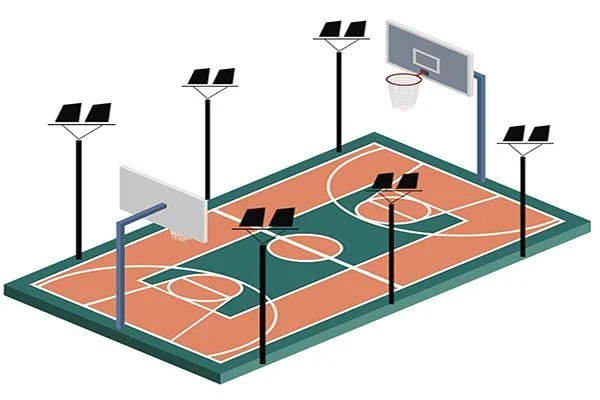
The first step toward choosing the best lighting for outdoor basketball court projects is to understand the performance criteria set by sports governing bodies and lighting engineers. The International Basketball Federation (FIBA) and the NBA both recommend a minimum horizontal illuminance of 300 lux for recreational play, while professional venues often aim for 500–750 lux. Illuminance, measured in lux, tells you how much light actually reaches the playing surface.
Beyond raw brightness, the uniformity ratio – the ratio of the minimum to average illuminance – should be at least 0.5. A uniform light spread prevents glare hotspots that can distract shooters and cause uneven shadows that make ball handling harder. Additionally, the color temperature (measured in Kelvin) influences how “cool” or “warm” the court looks; most athletes prefer a neutral 4000–5000 K range that mimics daylight without being harsh.
Key Specifications for the Best Lighting for Outdoor Basketball Court
- Lumen output: Aim for 30,000–50,000 lumens per fixture, depending on pole height and spacing.
- Beam angle: 60°–80° is ideal for covering the full width of a standard 94‑ft court.
- IP rating: Look for IP65 or higher to guarantee protection against rain, dust, and accidental impacts.
- Energy source: LED technology offers the best blend of efficiency, lifespan, and instant full‑brightness start.
- Control systems: Dimmable drivers and motion sensors can cut energy use when the court is idle.
Choosing the Right Fixture Types and Placement Strategies

When it comes to the best lighting for outdoor basketball court applications, the choice of fixture type—high‑bay LED, floodlight, or pole‑mounted luminaire—directly influences installation cost and visual quality. High‑bay LEDs, originally designed for warehouses, provide powerful, focused beams that can be mounted on 12‑ to 20‑foot poles. Floodlights, on the other hand, spread light over a broader area and are useful for multi‑court complexes where flexibility is needed.
Placement is equally critical. A typical layout uses four to eight poles, positioned at the corners and mid‑court points. The spacing should allow overlapping beam patterns to achieve the recommended uniformity ratio. Using a lighting design software or consulting a professional lighting planner can help you model the exact angles and heights, ensuring that the court receives consistent coverage without creating glare for spectators.
Integrating Energy Efficiency and Sustainability
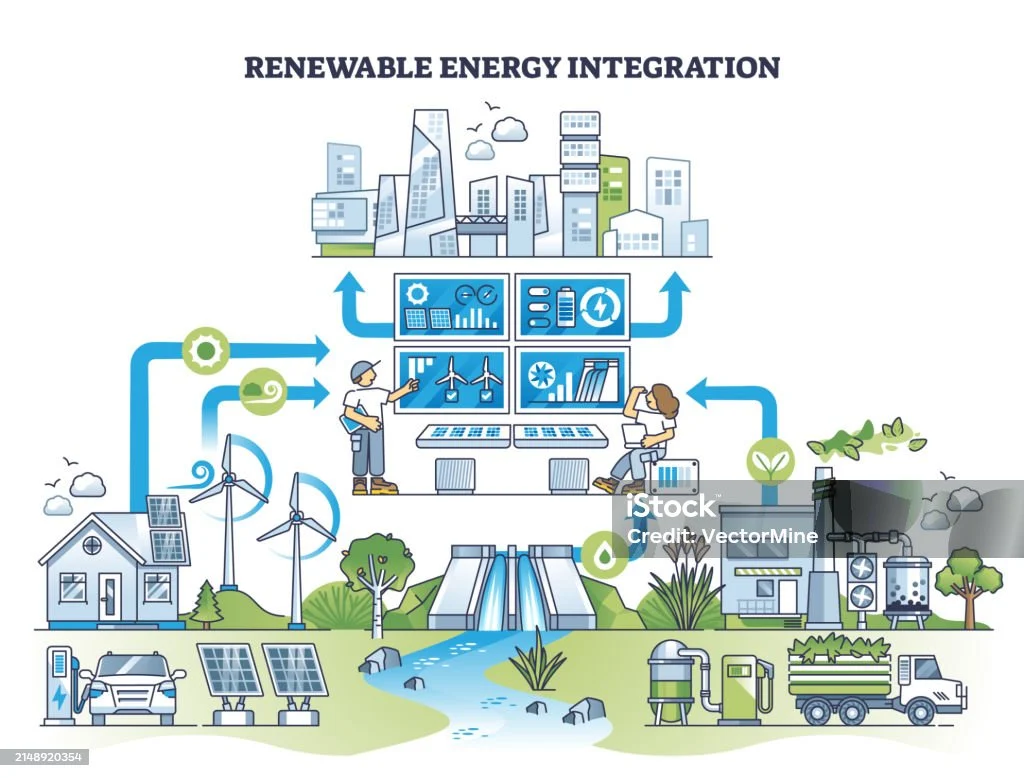
Today’s homeowners and facility managers expect more than just brightness; they demand sustainability. LEDs are the undisputed champion for the best lighting for outdoor basketball court projects because they consume up to 80 % less energy than traditional metal‑halide lamps and have lifespans exceeding 50,000 hours. Pairing LED fixtures with smart controls—such as timers, photocells, and occupancy sensors—further reduces electricity usage.
For projects that aim for LEED certification or local green building standards, consider adding solar‑powered lighting kits. A solar array paired with battery storage can run low‑lux floodlights for evening pick‑up games, cutting grid dependence entirely. While initial costs are higher, the long‑term savings and environmental benefits often justify the investment, especially for community courts funded through grants or public‑private partnerships.
Designing for Aesthetics: Making the Court Part of Your Outdoor Space
Even though the primary goal of the best lighting for outdoor basketball court is functional, the visual impact cannot be ignored. A well‑lit court can become a focal point of your backyard, much like a well‑styled patio or garden. Selecting fixtures with sleek, powder‑coated finishes (black, matte white, or brushed steel) allows the lighting to blend seamlessly with modern architectural elements.
Don’t forget to incorporate landscape lighting around the perimeter. Low‑profile path lights, bollard fixtures, and uplighting on trees can create a cohesive nighttime ambience. For an extra touch of personality, consider programmable color‑changing LEDs that can shift from a classic white during games to subtle blues or purples for evening events. This approach mirrors interior design trends where lighting doubles as decorative art.
Linking Court Lighting with Home Décor Themes
If you’re curious about extending this design mindset to other parts of the house, check out our guide on home styling with light colors. The principles of balanced illumination and color temperature translate beautifully from a basketball court to living rooms and bedrooms.
Budget Planning: Cost Factors and Financing Options
Understanding the total cost of installing the best lighting for outdoor basketball court setups helps you avoid surprises. Major cost drivers include fixture price, pole construction, electrical work, and any smart‑control accessories. On average, a single LED pole with a high‑output luminaire ranges from $1,200 to $2,500, while installation labor can add another $500–$1,000 per pole.
Financing options such as municipal grants, community fundraising, or low‑interest loans from green‑energy programs can offset upfront expenses. Some manufacturers also offer lease‑to‑own arrangements where you pay a monthly fee that includes maintenance—a model similar to renting high‑end home décor pieces for temporary events.
Maintenance Best Practices to Preserve Performance
Even the best lighting for outdoor basketball court installations requires routine care to stay at peak performance. Dust, pollen, and bird droppings can accumulate on the lens, reducing luminous efficacy. A simple cleaning schedule—once a month during dry seasons and after heavy storms—keeps the fixtures clear.
LED drivers and wiring should be inspected annually for signs of corrosion, especially in coastal environments where salt air accelerates wear. Replacing faulty components early prevents sudden outages that could disrupt scheduled games. Keeping a maintenance log, much like a home décor inventory, ensures you track service dates and warranty periods.
Quick Tips for Optimizing Your Court Lighting
- Use LED fixtures with a minimum CRI (Color Rendering Index) of 80 for accurate color perception.
- Install motion sensors on side‑court lighting to conserve energy when the main court is not in use.
- Choose pole heights of 12–15 ft for standard courts; taller poles are needed for larger multi‑court facilities.
- Integrate a dimming system that reduces brightness by 30 % during warm‑up drills to save power.
- Coordinate fixture color finishes with surrounding deck or fence materials for a unified look.
Common Mistakes and How to Avoid Them
Even experienced planners can stumble when selecting the best lighting for outdoor basketball court projects. Below are typical pitfalls and corrective strategies:
- Undersizing lumen output: Selecting low‑wattage fixtures may look cost‑effective but leads to dark spots and eye fatigue. Always calculate required lux based on court dimensions before buying.
- Ignoring glare control: Placing fixtures too low or using narrow beam angles creates glare that distracts players. Use proper mounting height and opt for lenses with anti‑glare coatings.
- Skipping IP rating verification: Non‑rated fixtures can fail quickly in rainy climates. Verify an IP65 or higher rating for all outdoor components.
- Neglecting control systems: Without dimmers or sensors, energy usage spikes during off‑hours. Incorporate smart controllers from the start.
- Overlooking aesthetic cohesion: Mismatched fixture finishes clash with the surrounding architecture. Choose a finish that complements your home’s exterior palette.
Frequently Asked Questions
What lux level is ideal for a residential outdoor basketball court?
A residential court typically performs well with 300–400 lux, which provides sufficient brightness for evening play while keeping energy consumption reasonable.
Can I use solar‑powered lights for a full‑size court?
Yes, solar LED systems with high‑capacity batteries can meet the illumination needs of a standard court, especially in sunny regions. Pair them with efficient fixtures to maximize output.
How often should LED court lights be replaced?
LEDs have an average rated life of 50,000 hours, which translates to roughly 10–15 years of regular evening use. Replacement is usually needed only when the lumen output drops below 70 % of the original level.
Do I need a separate electrical circuit for the court lights?
A dedicated circuit is recommended to avoid overloads and to simplify maintenance. It also allows you to install a separate breaker for safety and easier troubleshooting.
Is it possible to integrate the court lighting with my home’s smart home system?
Modern LED drivers often support Zigbee, Z‑Wave, or Wi‑Fi protocols, making integration with smart home hubs straightforward. This enables remote dimming, scheduling, and energy monitoring.
Putting It All Together: A Step‑by‑Step Implementation Plan
To translate theory into a functional, beautiful space, follow this practical roadmap:
- Assess the site: Measure court dimensions, note surrounding structures, and evaluate existing electrical capacity.
- Define illumination goals: Choose target lux (e.g., 350 lux) and uniformity ratio (≥0.5).
- Select fixtures: Opt for LED floodlights with 40,000 lumens, 70° beam angle, and IP65 rating.
- Design pole layout: Use a lighting design tool to place poles at corners and mid‑court, ensuring overlapping beams.
- Plan power distribution: Install a dedicated circuit with a GFCI breaker and conduit that meets local codes.
- Integrate controls: Add dimmers, timers, and motion sensors to reduce standby power.
- Coordinate aesthetics: Choose fixture finishes that match deck railings; add perimeter landscape lighting for cohesion.
- Execute installation: Hire licensed electricians and contractors experienced in outdoor sports lighting.
- Commission and test: Verify lux levels with a light meter, adjust angles if needed, and document settings.
- Schedule maintenance: Set quarterly cleaning and annual electrical inspections.
Following these steps ensures the best lighting for outdoor basketball court projects meets performance, safety, and design expectations—while staying within budget and sustainability goals.
For additional inspiration on integrating outdoor features with indoor design, you might enjoy reading our article on the ultimate guide to choosing the best deer stand chair. It showcases how thoughtful lighting and comfortable seating can transform any outdoor recreation area.
Remember, great lighting is an investment not just in visibility but in the overall experience of the space. When you combine technical specifications with design sensibility, the court becomes a venue where performance, safety, and aesthetic pleasure intersect.
Feel free to explore other design topics on The Homara, such as how to decorate a gift basket at home or balcony décor with clay plant pots, to see how lighting concepts translate across different environments.