
Table of Contents
- Balcony décor with clay plant pots: A timeless foundation
- Balcony décor with clay plant pots: Key benefits
- Choosing the right clay pots for your balcony
- Size matters: Matching pot dimensions to plant needs
- Shape and style: From classic round to geometric
- Color and texture: Mixing clay with modern accents
- Balcony décor with clay plant pots: Creating contrast without clash
- Space planning: Arranging clay pots on small balconies
- Step 1: Measure and map
- Step 2: Define functional zones
- Step 3: Group pots by height
- Step 4: Keep pathways clear
- Seasonal styling: How to refresh your balcony décor with clay plant pots
- Spring: Embrace blooming colors
- Summer: Create shade and coolness
- Autumn: Warm, earthy tones
- Winter: Minimalist elegance
- DIY enhancements: Personalizing clay pots for unique appeal
- Technique 1: Hand‑painted patterns
- Technique 2: Natural accents
- Technique 3: Mosaic tiles
- Quick Tips for balcony décor with clay plant pots
- Common Mistakes to Avoid
- Overcrowding
- Ignoring drainage
- Choosing the wrong size
- Neglecting wind protection
- Frequently Asked Questions
Balcony décor with clay plant pots – Timeless Ideas for Small Spaces
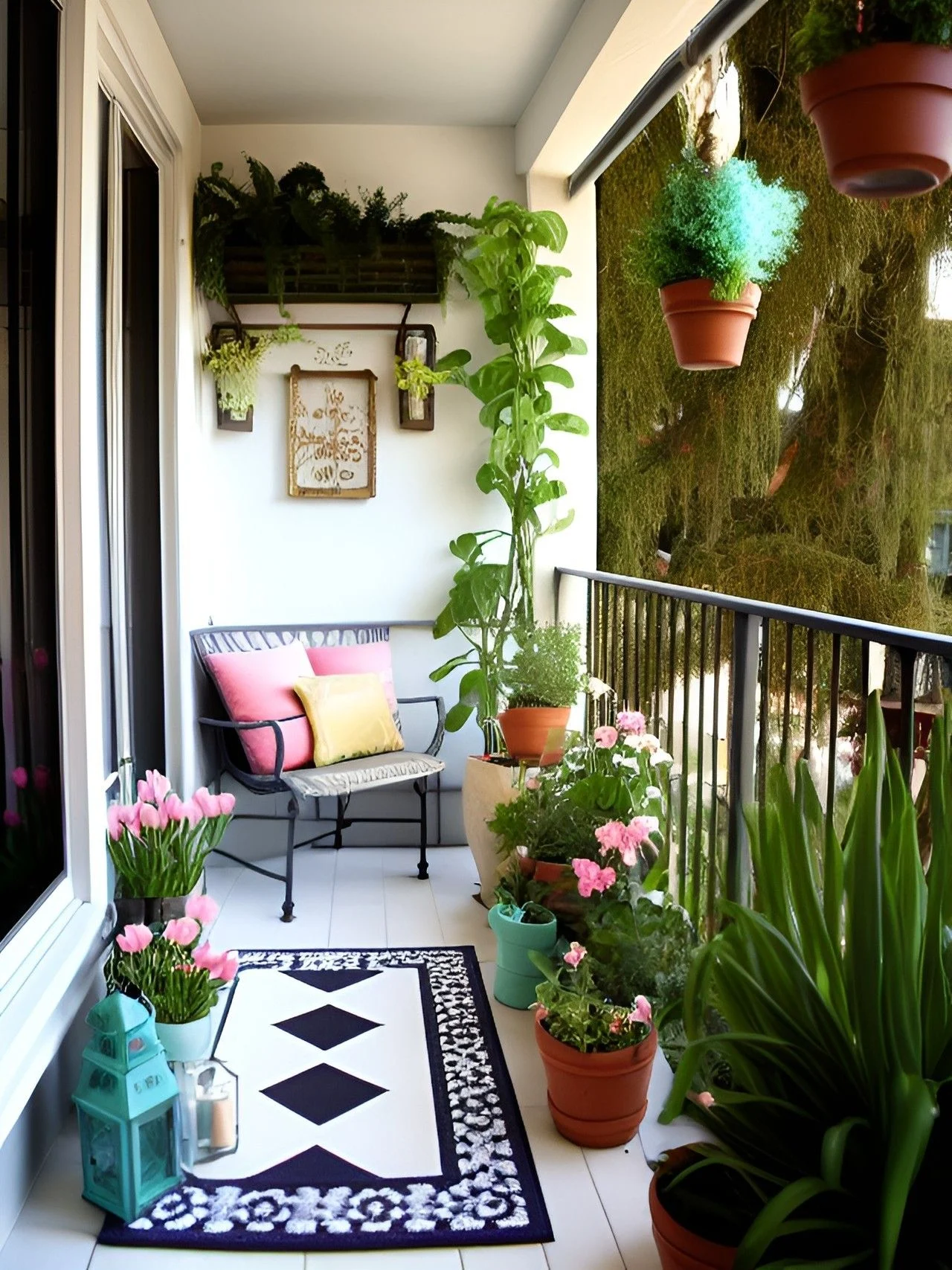
Balconies often feel like overlooked extensions of a home, especially in urban apartments where outdoor square footage is at a premium. Yet, with thoughtful design, a modest balcony can become a personal oasis—a place to unwind, entertain, or simply admire the cityscape. One of the most versatile tools in this transformation is the humble clay plant pot. Its earthy texture, natural hue, and timeless appeal make it a perfect partner for contemporary balcony décor.
In this guide, we’ll explore why clay pots are more than just containers for plants. You’ll learn how to select the right sizes, mix colors and textures, arrange them for maximum visual impact, and even personalize them with DIY touches. Whether you’re a seasoned interior designer or a renter looking for budget-friendly upgrades, the strategies here will help you craft a balcony that feels both inviting and sophisticated.
We’ll also address common pitfalls, answer frequently asked questions, and provide quick actionable tips you can implement this weekend. Ready to turn your balcony into a stylish retreat? Let’s dive in.
Balcony décor with clay plant pots: A timeless foundation
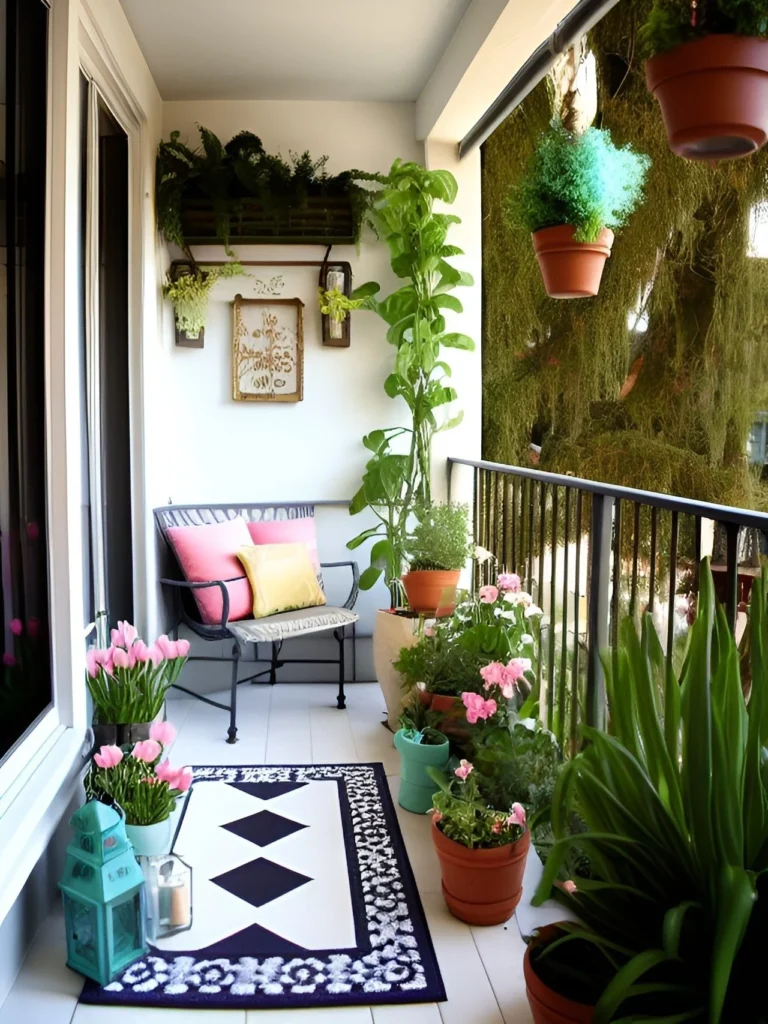
Clay has been used for centuries, from ancient amphorae to modern gardenware. Its porous nature allows air and moisture to circulate, promoting healthier root systems—a practical benefit that also translates into visual charm. When you incorporate clay pots into balcony décor, you’re not just adding containers; you’re introducing a tactile element that grounds your design in natural material.
Balcony décor with clay plant pots: Key benefits
- Natural texture: The rough, unglazed surface of clay adds depth and contrast to sleek metal railings or glass balustrades.
- Temperature regulation: Clay remains cool in hot weather, protecting delicate foliage from scorching.
- Versatile aesthetics: From rustic terracotta to matte white, clay pots adapt to minimalist, boho, or industrial themes.
- Eco‑friendly choice: Many clay pots are made from locally sourced earth, reducing carbon footprint compared to plastic alternatives.
Because of these qualities, clay plant pots serve as an ideal bridge between the indoor comfort of your home and the outdoor freshness of your balcony. They can be layered, grouped, or displayed solo, each approach offering a distinct visual rhythm.
Choosing the right clay pots for your balcony
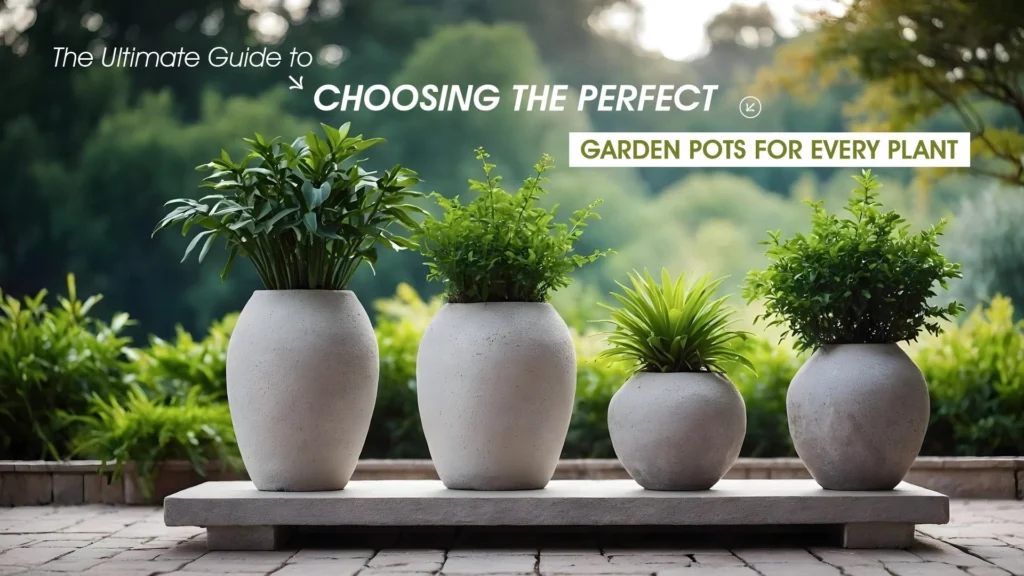
The first step in any successful design is selection. Not all clay pots are created equal, and size, shape, and finish will influence both plant health and overall aesthetics. Below are essential considerations for making the best choices.
Size matters: Matching pot dimensions to plant needs
Start by assessing the plants you plan to showcase. Large foliage plants like fiddle‑leaf figs or citrus trees need deeper, broader containers to accommodate extensive root systems. Conversely, trailing herbs such as thyme or oregano thrive in shallower, narrower pots.
When space is limited—a common scenario for balconies—opt for tiered arrangements. A stack of three medium‑sized pots creates a vertical garden without consuming precious floor space. This strategy also adds visual interest by breaking up the horizontal line of the balcony railing.
Shape and style: From classic round to geometric
Round pots are forgiving; they work well in almost any layout and create a soft, organic feel. If you aim for a modern, structured look, consider rectangular or hexagonal clay pots. Mixing shapes can produce a dynamic composition, but keep the overall palette cohesive to avoid visual chaos.
For those who love a pop of color, many manufacturers now offer glazed clay pots in muted pastels or bold jewel tones. Pair these with neutral‑colored furniture to let the pots become focal points without overwhelming the space.
Need inspiration for complementary color schemes? Check out our guide on home styling with light colors for ideas on pairing soft hues with natural materials.
Color and texture: Mixing clay with modern accents
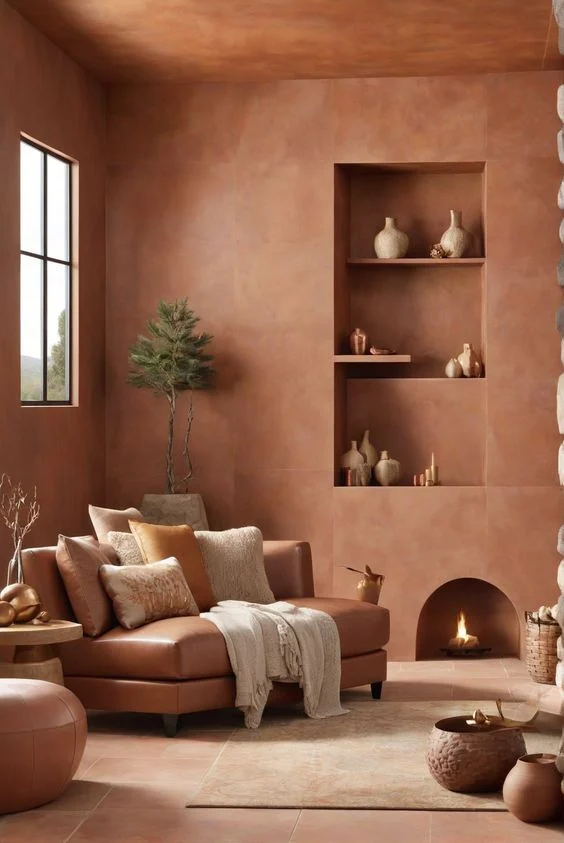
While clay brings earthiness, modern balconies often feature sleek metal railings, glass panels, or concrete flooring. The challenge—and opportunity—is to blend these contrasting elements into a harmonious design.
Balcony décor with clay plant pots: Creating contrast without clash
One effective technique is to use the clay pot as an anchor for other decorative objects. A matte black metal tray can hold several small pots, creating a unified base that highlights each pot’s texture. Alternatively, place a bright ceramic vase beside a neutral clay pot to introduce a splash of color without competing for attention.
Layering textures further enriches the visual story. Consider adding a woven rattan basket or a reclaimed wooden pallet as a platform for the pots. The juxtaposition of natural fibers, rough clay, and polished metal creates depth that invites the eye to wander.
For inspiration on pairing accessories, explore modern wall frame ideas—many of the same principles apply when arranging items on a balcony.
Space planning: Arranging clay pots on small balconies
Balcony dimensions vary widely, but the guiding principle remains the same: maximize usable area while preserving circulation. Below is a step‑by‑step approach to planning your layout.
Step 1: Measure and map
Start by measuring the length, width, and height of your balcony. Sketch a simple floor plan on graph paper or use a free online tool. Mark the location of fixed elements such as railings, doorways, and built‑in lighting.
Step 2: Define functional zones
Even a small balcony can serve multiple purposes—plant sanctuary, coffee nook, or reading corner. Allocate zones accordingly. For example, place taller pots against the railing to create a backdrop, and reserve a corner for a compact bistro set.
Step 3: Group pots by height
Arrange pots in ascending order from the floor upward. This “step” effect draws the eye upward, making the balcony feel taller. Use plant stands or repurposed crates to add height without buying expensive pedestals.
Step 4: Keep pathways clear
Leave at least 30 cm of clear space between the edge of a pot and any foot traffic area. This ensures safety and makes the balcony feel less cramped.
When you’re ready to add a personal touch, our DIY home décor projects for beginners guide offers easy ways to customize clay pots with paint, stencils, or natural twine.
Seasonal styling: How to refresh your balcony décor with clay plant pots
Just as you might change indoor décor with the seasons, your balcony can evolve throughout the year. Clay pots provide a stable canvas that can be refreshed with new plants, accessories, or even temporary décor elements.
Spring: Embrace blooming colors
Swap out winter foliage for bright annuals like petunias, marigolds, or begonias. Pair these with pastel‑tinted clay pots to enhance the fresh vibe. Add a lightweight woven rug for a touch of comfort.
Summer: Create shade and coolness
In hot climates, arrange taller pots to form a natural windbreak. Incorporate a small, portable awning or a bamboo shade sail. Choose light‑colored clay pots to reflect sunlight and keep plant roots cooler.
Autumn: Warm, earthy tones
Introduce pumpkins, ornamental kale, or chrysanthemums. Choose deep‑red or burnt‑orange glazed pots to echo the season’s palette. A few lanterns or solar lights can add a cozy glow as the days shorten.
Winter: Minimalist elegance
In colder months, focus on evergreen shrubs or indoor‑compatible herbs. Keep the balcony uncluttered, allowing the natural texture of the clay pots to take center stage. Adding a small heated mat beneath the pots can protect tender roots from frost.
DIY enhancements: Personalizing clay pots for unique appeal
One of the joys of using clay is its adaptability to DIY projects. A simple touch of creativity can transform a plain pot into a statement piece that reflects your personality.
Technique 1: Hand‑painted patterns
Use acrylic paints designed for ceramics. Sketch a geometric design with a pencil, then fill in with colors of your choice. Seal the finished pot with a clear matte varnish to protect against rain.
Technique 2: Natural accents
Wrap a coil of jute rope around the pot’s rim and secure with a hot‑glue gun. The rope adds texture and a rustic feel, perfect for a boho‑styled balcony.
Technique 3: Mosaic tiles
Apply broken ceramic tiles in a random pattern for a Mediterranean vibe. Grout the pieces, then rinse thoroughly. This method works especially well on larger pots that serve as focal points.
When you’re finished, you’ll have a collection of one‑of‑a‑kind containers that not only showcase your plants but also serve as conversation starters for guests.
Quick Tips for balcony décor with clay plant pots
- Start with a neutral base: Choose unglazed terracotta for a timeless look that pairs with any color scheme.
- Use lightweight potting mix: It reduces the overall weight, making it easier to move pots for seasonal changes.
- Group by plant type: Herbs together, succulents together—this simplifies watering routines.
- Incorporate reflective surfaces: A small mirrored tray can amplify light and make the balcony appear larger.
- Layer with fabric: Add a weather‑resistant cushion or outdoor rug to soften hard surfaces.
Common Mistakes to Avoid
Even experienced décor enthusiasts can stumble. Recognizing common pitfalls helps you stay on track.
Overcrowding
It’s tempting to fill every inch with pots, but too many containers can block airflow and create a chaotic look. Stick to a balanced arrangement with intentional negative space.
Ignoring drainage
Clay pots are porous, yet they still require proper drainage holes. Without them, water can accumulate, leading to root rot. Use saucers or a layer of pebbles at the pot’s base to improve drainage.
Choosing the wrong size
A pot that’s too small will stunt plant growth, while an oversized pot can dominate the balcony. Measure your plants’ root balls and select pots that allow at least 2–3 cm of space for growth.
Neglecting wind protection
Balconies are exposed to wind, which can tip over tall, narrow pots. Secure pots with brackets or place them against the railing for added stability.
Frequently Asked Questions
Can I use indoor clay pots outdoors?
Yes, most indoor clay pots can be used outdoors if they are glazed or treated for weather resistance. Unglazed terracotta is porous and may crack in freezing temperatures, so consider a frost‑proof variant for colder climates.
How often should I water plants in clay pots?
Clay’s breathability means soil dries faster than in plastic. Typically, water when the top inch of soil feels dry. Adjust frequency based on season, sun exposure, and plant type.
Is it okay to mix different sized clay pots?
Absolutely. Mixing sizes creates visual rhythm and helps define zones on your balcony. Just ensure taller pots don’t block sunlight for shorter ones.
What are the best plants for a small balcony?
Compact varieties like lavender, dwarf citrus, succulents, herbs (basil, mint), and trailing vines (ivy, petunias) thrive in limited space and add fragrance.
Do I need to seal clay pots?
Sealing isn’t mandatory, but applying a clear sealant can protect against moisture infiltration, extending the pot’s lifespan, especially in rainy regions.
How can I make my balcony safe for pets?
Choose sturdy, non‑toxic clay pots and avoid heavy decorative stones that could fall. Position pots away from pet pathways and use pet‑friendly plants.
By addressing these questions, you’ll feel more confident in planning and maintaining a beautiful balcony that showcases the charm of clay.
Balcony décor with clay plant pots offers a blend of practicality and aesthetic appeal that’s hard to match. From selecting the perfect size and shape, to arranging them thoughtfully, to refreshing the look with seasonal touches, each step enhances the outdoor experience. Remember to keep the design balanced, respect the plants’ needs, and inject a personal touch through DIY projects. With these strategies, your balcony can become a year‑round sanctuary—an extension of your home’s style that invites both relaxation and admiration.