
Table of Contents
- Understanding composite sinks vs stainless steel sinks: Core Differences
- Material composition of composite sinks vs stainless steel sinks
- Durability and Longevity: What to Expect
- Scratch resistance in composite sinks vs stainless steel sinks
- Design Aesthetics and Kitchen Styling
- Color and finish options for composite sinks vs stainless steel sinks
- Maintenance and Cleaning: Ease of Care
- Cleaning routines for composite sinks vs stainless steel sinks
- Cost Considerations and Value
- Budgeting for composite sinks vs stainless steel sinks
- Quick Tips for Choosing the Right Sink
- Common Mistakes When Selecting Sinks
- Frequently Asked Questions
Composite Sinks vs Stainless Steel Sinks: Which Fits Your Kitchen?
Choosing the right kitchen sink is more than a matter of function; it sets the tone for the whole space. Homeowners often find themselves weighing the benefits of composite sinks against the classic appeal of stainless steel sinks. Both options bring distinct strengths, and understanding those nuances can prevent costly regrets down the line.
In this guide we’ll break down the essential factors—durability, aesthetics, maintenance, and price—so you can decide which material aligns best with your lifestyle and design vision. Whether you’re renovating a compact city apartment or updating a sprawling family kitchen, the right sink can elevate both practicality and style.
We’ll also sprinkle in actionable tips, common pitfalls to avoid, and answers to the most frequently asked questions. By the end, you’ll feel confident selecting the sink that truly complements your home décor aspirations.
Understanding composite sinks vs stainless steel sinks: Core Differences
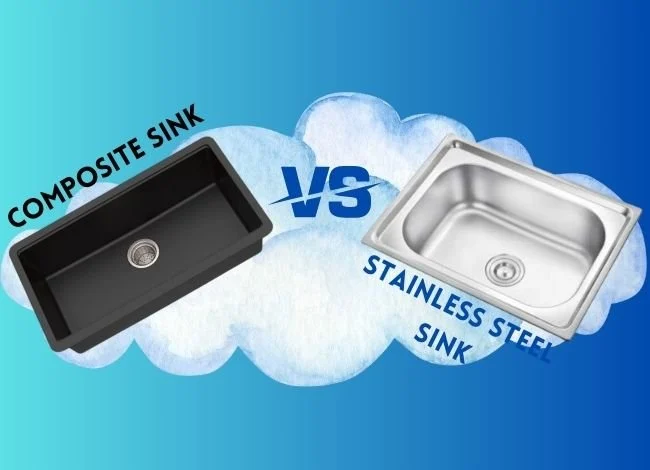
At a glance, composite sinks and stainless steel sinks may look similar, but their internal makeup diverges sharply. Composite sinks are typically crafted from a blend of crushed granite, quartz, or marble mixed with resin, resulting in a dense, non‑metallic surface. Stainless steel sinks, on the other hand, are fabricated from one or more gauges of steel that is alloyed with chromium to resist corrosion.
Material composition of composite sinks vs stainless steel sinks
- Composite: Natural stone particles + polymer resin; often includes added pigments for color variation.
- Stainless steel: 18/10 or 18/8 steel (18% chromium, 10% or 8% nickel) formed through stamping or deep drawing.
The differing compositions affect everything from sound dampening to heat resistance. Composite sinks naturally absorb sound, offering a quieter experience, while stainless steel can echo unless it’s a thicker gauge.
Durability and Longevity: What to Expect

When evaluating durability, consider how each material responds to daily wear, heavy pots, and accidental impacts. Composite sinks are praised for their resistance to scratches and chips, thanks to the hard mineral core. However, they can be vulnerable to extreme heat, which may cause the resin to soften or discolor.
Scratch resistance in composite sinks vs stainless steel sinks
Stainless steel sinks excel in heat tolerance—boiling water can be poured directly without fear of damage. Yet, they are prone to visible scratches, especially on thinner gauges. Opting for a 16‑gauge stainless steel sink improves resilience, but the cost rises accordingly.
Overall, both options can serve a household for decades if maintained properly. The decision often hinges on which type of wear you anticipate most.
Design Aesthetics and Kitchen Styling

Style is a decisive factor for many homeowners. Composite sinks provide a broader palette of colors and textures, ranging from matte black to speckled quartz finishes. This flexibility lets you match the sink to countertop materials, backsplash tiles, or even cabinet hues.
Color and finish options for composite sinks vs stainless steel sinks
Stainless steel sinks carry a timeless, industrial look that pairs effortlessly with modern, minimalist kitchens. Their sleek, reflective surface can make a narrow kitchen feel more spacious. If you prefer a warmer, earth‑tone environment, a composite sink in a stone‑like finish may be the better fit.
When coordinating with other design elements, consider how the sink’s finish interacts with lighting. A bright stainless steel sink can become a focal point under pendant lights, whereas a dark composite sink can anchor a moody color scheme.
Maintenance and Cleaning: Ease of Care
Both sink types claim low‑maintenance reputations, yet their cleaning regimens differ subtly. Composite sinks resist staining from food acids and are less likely to show water spots. A simple wipe with a mild dish soap and a soft cloth usually suffices.
Cleaning routines for composite sinks vs stainless steel sinks
Stainless steel sinks benefit from a quick rinse after use to prevent mineral buildup. For stubborn grime, a non‑abrasive cleaner and a soft sponge work best. Avoid bleach or harsh acids, as they can damage the protective finish on both materials.
Regular maintenance prolongs the lifespan of either sink, but composite sinks often require fewer deep‑cleaning sessions because their resin surface hides minor scratches better.
Cost Considerations and Value
Budget is a practical reality for most remodels. Composite sinks generally sit in the mid‑range price bracket, offering a balance of durability and design versatility. Premium composite models with high stone content can approach the cost of a high‑grade stainless steel sink.
Budgeting for composite sinks vs stainless steel sinks
Stainless steel sinks vary widely based on gauge, size, and brand. A basic 18/8 20‑gauge sink may be the most affordable, while a 16‑gauge, sound‑dampened model can command a premium price. Factor in installation costs, as some composite sinks require additional support due to their weight.
When assessing value, weigh not only upfront cost but also long‑term performance, resale appeal, and the potential need for future replacement.
Quick Tips for Choosing the Right Sink
- Match the sink’s color palette to your countertop for a cohesive look.
- Consider the gauge of stainless steel; thicker steel reduces noise and dents.
- If you cook with high heat, prioritize heat resistance—stainless steel wins here.
- Check the sink’s acoustic rating; composite sinks naturally mute sounds.
- Plan for installation weight—ensure cabinets can support a heavy composite basin.
Common Mistakes When Selecting Sinks
- Ignoring gauge: Choosing a thin stainless steel sink can lead to premature dents and louder operation.
- Overlooking countertop compatibility: Some composite sinks require a solid surface countertop for proper sealing.
- Neglecting cleaning needs: Assuming all sinks are “no‑maintenance” can result in using the wrong cleaners and damaging finishes.
- Skipping sound‑proofing options: Failing to consider acoustic pads for stainless steel may cause unwanted kitchen noise.
- Underbudgeting for installation: Heavy composite sinks may need reinforced mounting hardware, adding to the total cost.
Frequently Asked Questions
Can I place a hot pot directly on a composite sink?
It’s best to avoid direct contact with extreme heat on composite sinks, as the resin can soften. Use a trivet or move the pot to a countertop.
Are stainless steel sinks prone to rust?
High‑quality 18/10 stainless steel resists rust and corrosion, but lower‑grade steel may develop stains if not dried properly.
Which sink material is more environmentally friendly?
Composite sinks often incorporate recycled stone and resin, reducing waste. However, the manufacturing process of stainless steel can be energy‑intensive. Look for certifications or recycled‑content labels for both options.
Do composite sinks hide water spots better than stainless steel?
Yes, the matte or textured surface of many composite sinks masks water spots, whereas stainless steel can show them more prominently.
How do I coordinate my sink with flooring?
For seamless design, consider the tone of your floor. A light‑colored composite sink pairs nicely with home decorators collection flooring, while a brushed stainless steel sink complements darker hardwoods.
Should I choose a single‑bowl or double‑bowl sink?
The decision depends on cooking habits. Double‑bowl sinks offer flexibility for multitasking, whereas single‑bowl designs provide a larger uninterrupted workspace.
By weighing these considerations, you’ll be better equipped to select a sink that serves both functional needs and design aspirations.
Choosing between composite sinks vs stainless steel sinks ultimately comes down to personal priorities—whether you value quiet operation, heat resilience, color variety, or budget constraints. Take the time to assess your daily routines, the overall kitchen aesthetic, and long‑term maintenance expectations. With the right information, you’ll install a sink that not only meets practical demands but also enhances the beauty of your home.
Ready to explore more design ideas? Check out our article on wall texture choices for complementary styling tips, or discover how light wood furniture can harmonize with your new kitchen focal point.