
Table of Contents
- Understanding Tudor Architecture: Foundations for Decoration
- Key Architectural Features to Highlight When Learning How to Decorate a Tudor Home
- Choosing a Color Palette that Marries Old and New
- How to Use Color When Decorating a Tudor Home
- Flooring Choices that Respect the Period but Offer Modern Comfort
- Flooring Tips for Tudor Homes
- Living Room Décor: Balancing Tradition with Contemporary Style
- Key Living Room Elements When Learning How to Decorate a Tudor Home
- Bedroom Sanctuary: Soft Textures Meet Historic Details
- Bedroom Styling Tips for Tudor Homes
- Kitchen Integration: Modern Functionality Inside Historic Walls
- Essential Kitchen Tips for Tudor Homes
- Bathroom Refinement: Minimal Décor with Historic Flair
- Bathroom Styling Essentials
- Quick Décor Tips for Tudor Homes
- Common Mistakes to Avoid When Decorating a Tudor Home
- Over‑Modernizing the Space
- Ignoring Scale and Proportion
- Mixing Incompatible Styles
- Frequently Asked Questions
- Bringing It All Together: Final Thoughts on How to Decorate a Tudor Home
How to Decorate a Tudor Home: Timeless Charm Meets Modern Comfort
Decorating a Tudor home is a rewarding challenge that blends historic character with contemporary livability. These houses, with their steeply pitched roofs, exposed timber framing, and leaded glass windows, already possess a narrative that begs to be celebrated. Yet many owners wonder how to honor that story without creating a museum‑like atmosphere that feels dated.
In this guide we’ll walk through practical, room‑by‑room ideas that let you keep the distinctive Tudor features while introducing fresh, modern touches. From choosing the right wall finishes to selecting furniture that complements half‑timber beams, you’ll learn how to strike a balance that feels both authentic and current. Whether you’re a first‑time homeowner or a seasoned renovator, the strategies here will help you shape a space that feels inviting, stylish, and unmistakably Tudor.
We’ll also explore common pitfalls, quick actionable tips, and answers to frequent questions so you can avoid costly missteps and move forward with confidence. Let’s begin the journey of turning a historic shell into a home that reflects your personal style.
Understanding Tudor Architecture: Foundations for Decoration
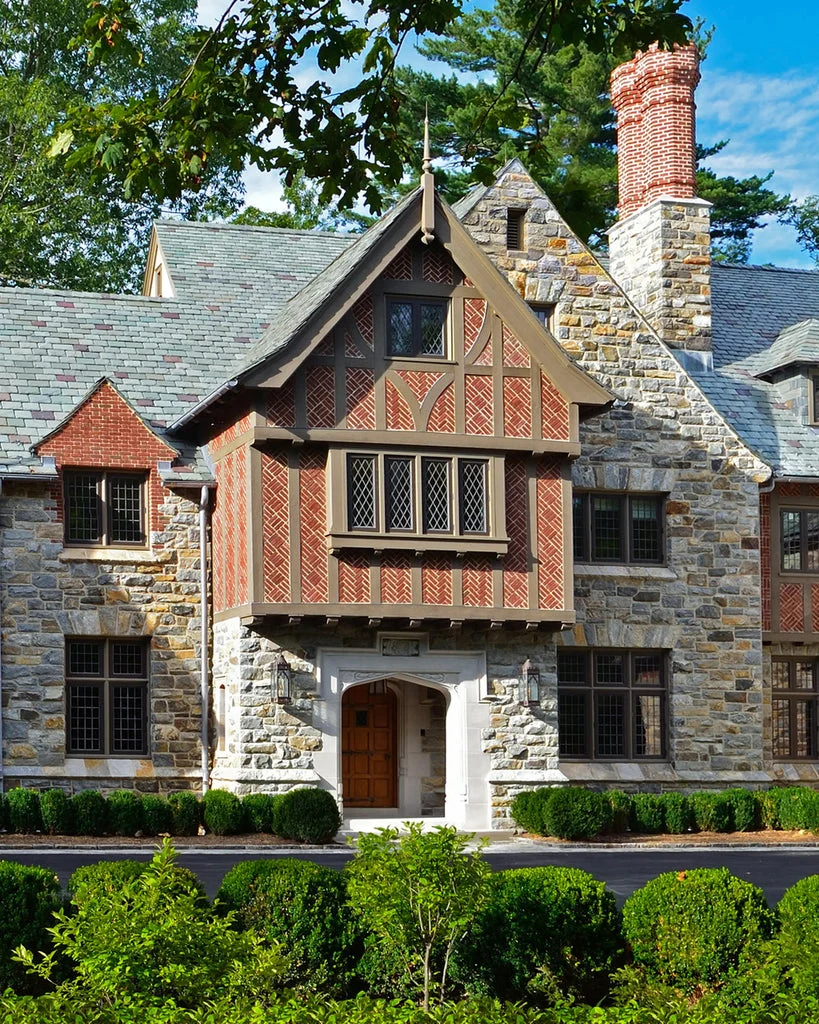
Before diving into décor specifics, it’s essential to recognize the architectural elements that define a Tudor home. Recognizable features include steep gable roofs, decorative half‑timbering, tall narrow windows with diamond‑shaped panes, and massive stone or brick chimneys. These details are not just visual cues; they also influence how light, heat, and space flow throughout the house.
When you know which elements are structural versus ornamental, you can decide where to preserve, accentuate, or subtly update. For instance, exposed beams are structural and should remain exposed, but you can paint surrounding walls a soft, neutral hue to let the wood breathe. Similarly, leaded glass windows benefit from sheer curtains that filter light without obscuring the intricate patterns.
Key Architectural Features to Highlight When Learning How to Decorate a Tudor Home
- Half‑timber framing: Keep the dark wood exposed; consider a light wash on adjacent walls to create contrast.
- Fireplaces: Often the focal point of a room—use a mantel that blends historic brick with a sleek, modern shelf.
- Arched doorways: Frame them with simple, understated trim to avoid visual clutter.
- Stone or brick walls: Preserve the texture; add soft textiles to soften the ruggedness.
Choosing a Color Palette that Marries Old and New
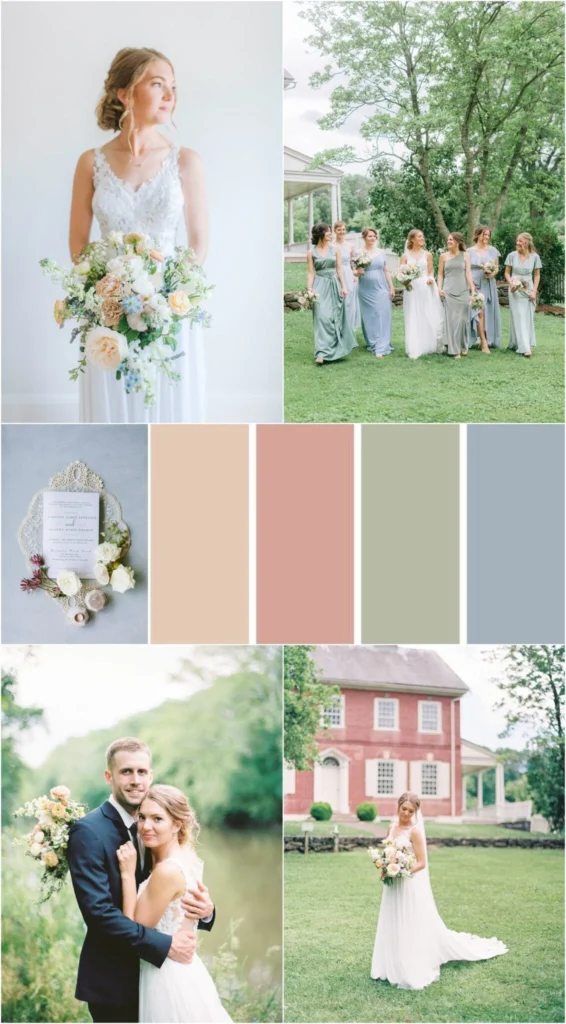
A harmonious color palette is the backbone of any successful interior, especially when you’re learning how to decorate a Tudor home. Traditional Tudor interiors favored deep, saturated hues like forest green, burgundy, and navy. Modern design, however, leans toward lighter, muted tones that amplify space and natural light.
To bridge the gap, start with a neutral base—think warm greys, creamy whites, or gentle taupes—on the larger walls. Then introduce richer accent colors through accessories, upholstery, and artwork. This approach respects the historic gravitas while giving you flexibility to swap accents seasonally.
How to Use Color When Decorating a Tudor Home
- Paint the interior of exposed beams in a matte, charcoal finish to make them pop without overwhelming the room.
- Apply a soft, muted sage or dusty blue on bedroom walls to create a calming retreat that still nods to traditional Tudor palettes.
- Use deep jewel tones in throw pillows, rugs, or curtains for an instant splash of period‑appropriate drama.
For a seamless transition between rooms, consider a knockdown wall texture on larger surfaces; it adds subtle depth while keeping the look refined.
Flooring Choices that Respect the Period but Offer Modern Comfort
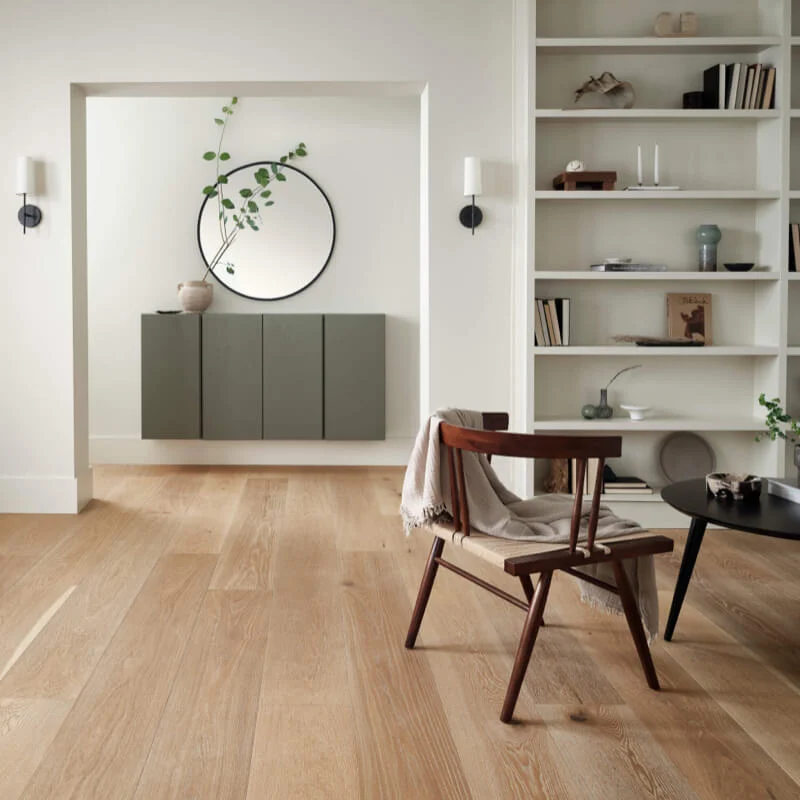
Original Tudor floors were often wide-plank hardwood or flagstone, both durable but sometimes uneven for today’s standards. Modern flooring solutions allow you to retain the historic vibe while providing the comfort and durability expected in contemporary homes.
One popular route is to install reclaimed oak planks that mimic the width and grain of period wood. If you prefer a softer underfoot feel, consider high‑quality laminate that replicates the look of stone or wood without the maintenance. Pairing the floor with area rugs featuring traditional patterns can soften the space and add warmth.
For detailed installation guidance, see our step‑by‑step guide on how to install Home Decorators Collection flooring. The article walks you through subfloor preparation, layout planning, and finishing techniques that work well in historic homes.
Flooring Tips for Tudor Homes
- Choose reclaimed or wide‑plank hardwood to echo original flooring.
- Lay a high‑density underlayment to improve insulation and reduce noise.
- In high‑traffic areas, use low‑pile rugs with classic Tudor motifs.
- Maintain a consistent direction for planks to elongate the space.
Living Room Décor: Balancing Tradition with Contemporary Style
The living room is often the showcase area where you can demonstrate how to decorate a Tudor home without sacrificing comfort. Start by anchoring the space with a substantial, period‑appropriate sofa in a neutral fabric. Add a pair of upholstered armchairs in a deep, rich hue to bring in the classic Tudor palette.
To keep the room from feeling overly formal, incorporate modern lighting—think a sleek metal floor lamp or an understated pendant that contrasts with the historic beams. A large, low‑profile coffee table in reclaimed wood or matte black metal can serve as a bridge between eras.
If you need inspiration for light‑wood furnishings that work well in a Tudor setting, our article on living room décor with light wood furniture offers ideas for blending warmth with modern minimalism.
Key Living Room Elements When Learning How to Decorate a Tudor Home
- Fireplace mantel: Replace a bulky Victorian mantel with a streamlined stone or marble top.
- Window treatments: Opt for sheer linen drapes that allow light to dance through leaded panes.
- Artwork: Hang a large, abstract piece to inject contemporary energy while preserving wall space.
- Rugs: Use Persian‑style rugs with muted colors to echo historic patterns without overwhelming the room.
Bedroom Sanctuary: Soft Textures Meet Historic Details
A Tudor bedroom should feel like a private retreat that still respects the architectural context. Choose a platform bed with a simple wooden frame—preferably in a light finish—to contrast the darker beams overhead. Layer the bed with textured bedding in neutral tones, then add a throw pillow or duvet cover in a deep, saturated color for a pop of drama.
Nightstands can be vintage pieces sourced from antique markets, but keep their hardware minimal to avoid a cluttered look. A wall‑mounted reading light with an industrial finish works well next to a historic window, providing function without compromising style.
For ideas on cozy, textured bedding, see our guide on bedroom décor with cozy textured bedding. The article showcases fabric choices and layering techniques that enhance comfort while staying true to the Tudor aesthetic.
Bedroom Styling Tips for Tudor Homes
- Keep headboards low and simple to showcase the timber ceiling.
- Introduce a plush area rug to soften hardwood floors.
- Use vintage brass fixtures for a subtle historic touch.
- Incorporate a built‑in wardrobe that follows the wall’s natural lines.
Kitchen Integration: Modern Functionality Inside Historic Walls
The kitchen is often the most challenging space in a Tudor house because it must accommodate modern appliances while preserving the historic envelope. Start by selecting cabinetry in a muted, matte finish—soft greys or whites work well—and pair them with classic shaker doors that echo traditional craftsmanship.
When choosing a sink, consider durability and style. A composite sink versus stainless steel sink comparison can help you decide which material complements the Tudor look while offering practical benefits. Composite sinks provide a warm, stone‑like appearance that blends nicely with historic stone walls, whereas stainless steel adds a sleek, industrial edge.
Backsplash options include hand‑painted tiles in muted earth tones or simple subway tiles with a subtle glaze. Open shelving made from reclaimed wood can display vintage dishware, tying the old‑world charm to modern convenience.
Essential Kitchen Tips for Tudor Homes
- Install a farmhouse‑style sink in a matte finish for visual harmony.
- Use brass or oil‑rubbed bronze hardware to echo period details.
- Incorporate a pantry that follows the existing wall layout to avoid structural alterations.
- Choose pendant lighting with an antique finish for above the island.
Bathroom Refinement: Minimal Décor with Historic Flair
Bathrooms in Tudor homes often feature original stone or brick walls. Preserve these surfaces and enhance them with contemporary fixtures that respect the texture. A floating vanity in reclaimed wood or a sleek, wall‑mounted sink can free up floor space while keeping the historic wall as a backdrop.
For a subtle modern twist, select a frameless glass shower enclosure that allows the stone to remain visible. Add soft, plush towels in neutral hues, and incorporate a single piece of statement art—perhaps a black‑and‑white photograph—to provide visual interest without clutter.
For more guidance on minimal bathroom styling, read our piece on bathroom décor with minimal décor pieces. The article offers ideas on how to keep the space feeling airy while honoring the historic setting.
Bathroom Styling Essentials
- Maintain exposed brick or stone; seal it for moisture protection.
- Use matte black fixtures for a timeless, modern look.
- Install LED strip lighting under vanity for subtle illumination.
- Choose a single, bold accent—such as a patterned rug—to anchor the space.
Quick Décor Tips for Tudor Homes
- Layer lighting: Combine sconces, floor lamps, and pendant lights to highlight architectural details.
- Use mirrors strategically to reflect light and make rooms feel larger, especially near narrow Tudor windows.
- Incorporate greenery: Tall potted plants echo the verticality of Tudor design while adding freshness.
- Mix textures: Pair rough stone with soft linens to create balanced contrast.
- Keep hardware consistent: Choose brass or oil‑rubbed bronze for knobs, pulls, and faucets throughout the home.
Common Mistakes to Avoid When Decorating a Tudor Home
Even with the best intentions, homeowners can unintentionally diminish the unique charm of a Tudor property. Below are frequent pitfalls and how to prevent them.
Over‑Modernizing the Space
Replacing exposed beams with drywall or covering leaded windows with heavy curtains can erase the very elements that make a Tudor house special. Instead, celebrate these features by keeping them visible and complementing them with subtle, modern accents.
Ignoring Scale and Proportion
Large, contemporary sofas can overwhelm the intimate scale of Tudor rooms. Opt for furniture that respects the room’s dimensions—think low‑profile pieces with sleek lines that don’t dominate the space.
Mixing Incompatible Styles
While eclectic design can work, clashing ultra‑minimalist pieces with ornate Tudor details often creates visual chaos. Aim for a curated blend where each modern element feels intentional and ties back to the historic context.
Frequently Asked Questions
What colors work best in a Tudor home?
Neutral bases such as warm greys, creamy whites, or soft taupes create a calm backdrop. Accent with deep jewel tones—emerald, burgundy, navy—to echo traditional Tudor palettes without overwhelming the space.
Can I install open‑concept living areas in a Tudor house?
Yes, but structural walls that support timber framing should remain. You can create a sense of openness by removing non‑load‑bearing partitions and using large, cohesive furniture arrangements that maintain flow.
How do I preserve original wood beams while updating the interior?
Leave the beams exposed and clean them gently. If needed, apply a clear matte sealant to protect against dust and humidity. Paint adjacent walls in light tones to let the dark wood stand out.
Is it okay to replace historic windows with modern ones?
Replacing windows can compromise the historic character. If energy efficiency is a concern, consider adding interior storm panels or secondary glazing that preserves the original leaded design.
What flooring is most appropriate for a Tudor home?
Reclaimed wide‑plank hardwood or high‑quality laminate that mimics historic wood is ideal. Pair the flooring with low‑pile area rugs featuring traditional patterns for added warmth.
How can I incorporate modern technology without disrupting the historic feel?
Choose discreet solutions—wireless speakers hidden behind beams, smart thermostats with minimalist displays, and under‑cabinet lighting that blends into the background—so technology enhances comfort without drawing attention away from architectural details.
Bringing It All Together: Final Thoughts on How to Decorate a Tudor Home
Decorating a Tudor home is a dance between reverence for the past and the desire for contemporary comfort. By understanding the architectural foundations, choosing a balanced color palette, and selecting furnishings that respect the scale and texture of historic details, you can create interiors that feel both timeless and livable.
Remember to celebrate the unique features—exposed beams, leaded windows, and stone walls—rather than hide them. Use modern elements as accent pieces that enhance, not overpower, the original character. With thoughtful planning, a few strategic updates, and a keen eye for detail, your Tudor house will become a warm, stylish sanctuary that tells a story of heritage and modern living.
Ready to start your transformation? Explore more inspiration across The Homara, from entryway styling to balcony retreats, and let your Tudor home shine with a fresh, elegant glow.