
Table of Contents
- knockdown wall texture vs smooth walls – Understanding the Basics
- knockdown wall texture vs smooth walls – Application Tips
- Visual Impact and Style Compatibility
- Durability, Maintenance, and Longevity
- Cost Considerations and Budget Planning
- Acoustic Performance and Comfort
- Environmental Impact and Health Considerations
- Design Flexibility and Future Updates
- Quick Home Décor Tips
- Common Mistakes to Avoid
- Frequently Asked Questions
- Choosing the Right Finish for Your Space
Knockdown Wall Texture vs Smooth Walls: Which Is Right for Your Home?
Choosing a wall finish is one of the most influential decisions you’ll make when styling a space. A surface can either amplify a room’s character or mute it, affecting everything from lighting to furniture placement. Homeowners, renters, and interior‑design enthusiasts often debate knockdown wall texture vs smooth walls because each option carries distinct visual and functional attributes. In this article we’ll walk through the fundamentals, compare aesthetics, performance, and cost, and help you decide which finish aligns with your design goals and lifestyle.
We’ll explore practical applications in living rooms, bedrooms, kitchens, and even small apartments. Along the way you’ll find actionable tips, avoidable pitfalls, and answers to the most common questions. By the end, you’ll feel confident selecting the wall treatment that elevates your home while staying within budget and maintenance expectations.
knockdown wall texture vs smooth walls – Understanding the Basics

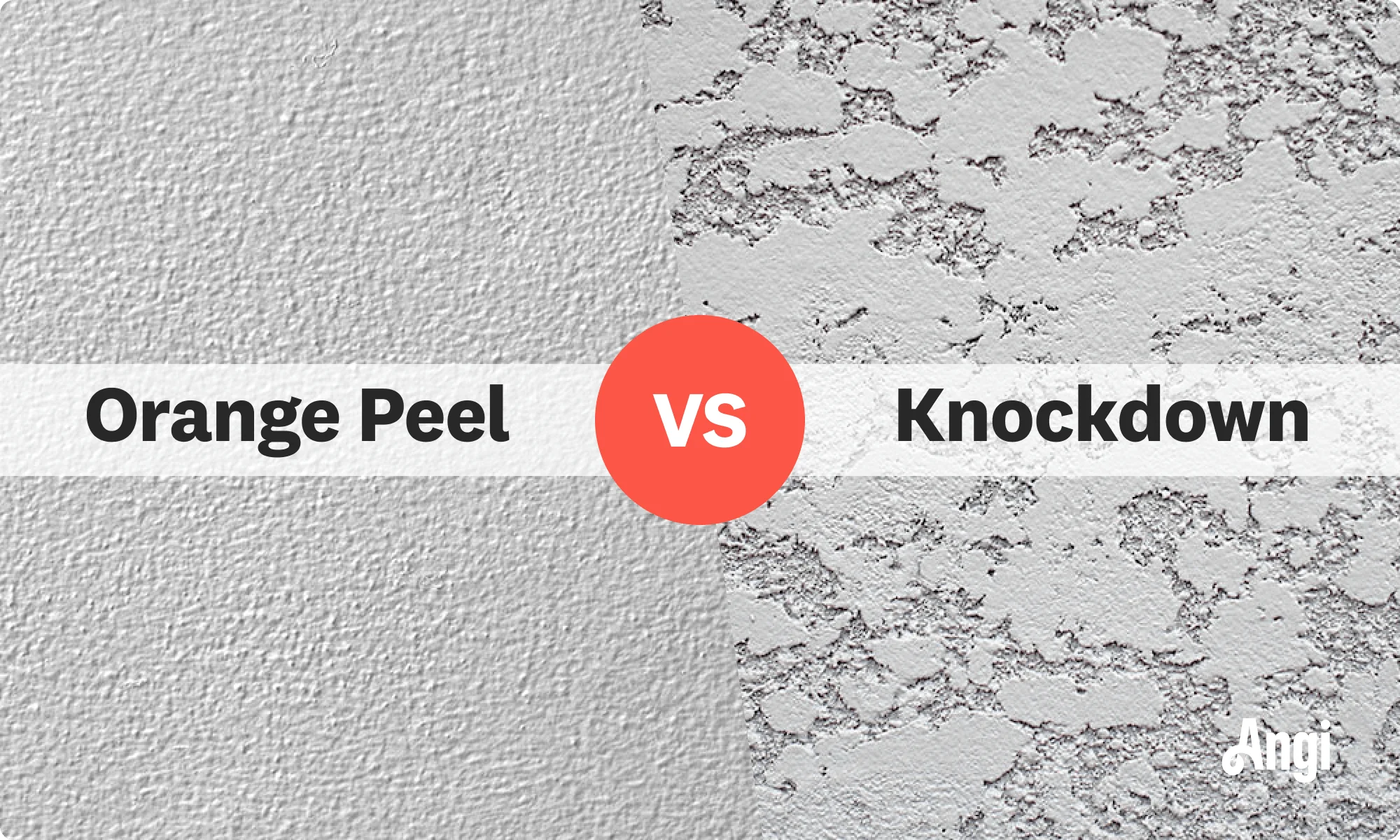
The first step in comparing knockdown wall texture vs smooth walls is to grasp how each finish is created. A knockdown texture is applied with joint compound (or “mud”) that is sprayed onto the wall, then partially flattened with a wide trowel while still wet. The result is a subtle, mottled pattern with soft peaks and valleys. Smooth walls, by contrast, are finished with multiple thin coats of plaster or drywall compound that are sanded to a flawless plane, offering a pristine, uniform appearance.
Both methods begin with a prepared substrate—clean, primed drywall—and end with a paint coat that showcases the underlying texture. However, the tactile experience differs dramatically: knockdown provides a low‑key, three‑dimensional feel, while smooth walls create a sleek, modern backdrop that lets artwork and furniture take center stage.
knockdown wall texture vs smooth walls – Application Tips
- Test a small area first. Light conditions can change the perceived depth of a knockdown finish.
- Use a high‑quality roller and a hopper gun for even compound distribution.
- For smooth walls, sand between coats with fine‑grit sandpaper to avoid visible lines.
- Maintain consistent temperature (65–75°F) to prevent uneven drying.
Visual Impact and Style Compatibility

When it comes to style, knockdown wall texture vs smooth walls often dictates the overall mood of a room. Knockdown excels in casual, rustic, or industrial settings, adding subtle depth that complements reclaimed wood, exposed brick, or vintage metal accents. It can hide minor imperfections in the drywall, making it a forgiving choice for older homes.
Smooth walls, on the other hand, are the hallmark of contemporary and minimalist design. They reflect light more uniformly, which can make small rooms feel larger and brighter. This finish works well with high‑gloss cabinetry, sleek furniture, and bold color statements. If you love the crisp lines of a Scandinavian palette or a monochrome gallery wall, smooth walls provide the perfect canvas.
Consider the living room décor with light wood furniture – a modern styling guide for an example of how smooth walls amplify the airy feel of light timber pieces.
Durability, Maintenance, and Longevity

Both finishes are durable when properly installed, yet they differ in maintenance demands. Knockdown texture’s gentle ridges can trap dust, making regular dusting or vacuuming with a brush attachment essential. However, the texture is forgiving of minor dents and scratches; they blend into the pattern.
Smooth walls showcase any blemish instantly. Nail holes, scuffs, and water stains are more noticeable, requiring spot‑painting or occasional re‑skimming. On the upside, cleaning a smooth surface is straightforward—wipe with a damp cloth and mild detergent. For high‑traffic areas such as hallways or kids’ rooms, you might prefer a washable paint formulated for smooth walls.
Cost Considerations and Budget Planning
Budget is a decisive factor when weighing knockdown wall texture vs smooth walls. Knockdown typically costs less in materials because you need only joint compound and a basic roller kit. Labor can be slightly higher if you hire a specialist, as the technique requires timing precision to achieve a uniform pattern.
Smooth walls demand more labor-intensive steps: multiple skim coats, sanding between each layer, and meticulous surface prep. The material cost (high‑quality joint compound and fine‑grit sandpaper) is modest, but the labor hours can double compared to knockdown. If you’re working with a tight budget, knockdown may provide the most visual impact for the least expense.
Acoustic Performance and Comfort
Texture can affect a room’s acoustic qualities. The irregular surface of knockdown walls helps disperse sound waves, reducing echo in larger or open‑plan spaces. This makes it a practical choice for home theaters, music rooms, or open‑concept living areas where sound control is desirable.
Conversely, smooth walls reflect sound more directly, which can amplify reverberation in hard‑surface environments. Pairing smooth walls with soft furnishings—rugs, curtains, upholstered furniture—helps balance acoustics. If you’re designing a quiet bedroom sanctuary, the subtle absorption of knockdown may be advantageous, especially when combined with acoustic panels.
Environmental Impact and Health Considerations
Both finishes can be environmentally friendly when you select low‑VOC (volatile organic compound) compounds and paints. Knockdown texture uses more joint compound, which can emit dust during sanding if you opt to smooth the peaks after application. Proper protective equipment and ventilation mitigate this risk.
Smooth walls involve more sanding, generating fine dust that may be inhaled if proper safety measures aren’t taken. Choose a dust‑free sanding system or a professional service to keep indoor air quality high. In both cases, opting for eco‑certified paints and compounds reduces the overall environmental footprint.
Design Flexibility and Future Updates
One of the biggest advantages of a texture is the flexibility it offers for future design changes. If you decide to repaint or change décor, a knockdown wall can be refreshed with a new color without losing its character. Switching from knockdown to smooth walls later is possible but requires extensive surface preparation—essentially stripping the texture and re‑skimming.
Smooth walls provide a neutral base that adapts to any future style shift—from bold wallpaper to sophisticated paneling. Their clean surface makes it easier to apply decorative finishes like faux marble or metallic paints without the texture interfering.
For a quick example of re‑imagining a space, see our guide on decorating a home office guest bedroom, where we demonstrate how wall finishes influence room function.
Quick Home Décor Tips
- Use a matte paint on knockdown surfaces to enhance the texture’s depth.
- Pair smooth walls with high‑gloss trim for a sophisticated contrast.
- In small rooms, choose a lighter shade on smooth walls to maximize light reflection.
- Apply a subtle accent wall with knockdown texture to create focal points without overwhelming the space.
Common Mistakes to Avoid
When deciding between knockdown wall texture vs smooth walls, homeowners often stumble on a few recurring errors:
- Skipping proper surface prep. Dust, grease, or previous paint can cause adhesion problems for both finishes.
- Inconsistent thickness. Applying uneven layers of joint compound results in a patchy knockdown look.
- Over‑sanding smooth walls. Removing too much material creates low spots that become visible after painting.
- Ignoring lighting. A textured wall in a dim room may appear flat; test samples under both natural and artificial light.
Frequently Asked Questions
Can I paint over knockdown texture without priming?
While some low‑VOC paints claim “direct‑to‑drywall” application, priming is recommended to seal the texture, improve adhesion, and prevent uneven color absorption.
How long does a knockdown finish last?
When properly installed and maintained, a knockdown texture can last 10‑15 years or more. Minor cracks can be repaired with a thin layer of joint compound and re‑troweled.
Is it possible to combine both finishes in one room?
Absolutely. Many designers use smooth walls for the main area and add a knockdown accent wall to add visual interest without overwhelming the space.
What is the best paint sheen for smooth walls?
Eggshell or satin finishes work well on smooth walls, offering a slight sheen that hides imperfections while providing easy cleaning.
Do textured walls affect resale value?
Taste varies by market, but a well‑executed knockdown texture is generally accepted and can even add character. However, overly bold textures may require smoothing for buyers who prefer a contemporary aesthetic.
How can I DIY a knockdown texture?
Gather a hopper gun, joint compound, a wide drywall knife, and protective gear. Apply the mud in even coats, let it set for 5‑10 minutes, then lightly drag the knife across the surface to “knock down” the peaks. Practice on a spare board first.
Choosing the Right Finish for Your Space
Ultimately, the decision between knockdown wall texture vs smooth walls hinges on three core considerations: aesthetic vision, functional needs, and budget. If you crave a warm, tactile backdrop that hides minor flaws and adds acoustic benefits, knockdown is a strong candidate. If you prefer a clean, modern look that showcases artwork and maximizes light, smooth walls are the way to go.
Think about the room’s purpose: a family room that endures heavy traffic may benefit from the durability of knockdown, while a sleek home office could thrive on the crispness of a smooth finish. Remember that you can always blend the two—use smooth walls for the majority of the space and introduce a textured accent to create depth.
For additional inspiration on blending textures with furnishings, explore our article on relaxing balcony décor ideas for modern living spaces, which demonstrates how subtle wall finishes complement outdoor‑indoor transitions.
Whichever path you choose, invest in quality materials, follow best‑practice application steps, and allow proper drying time. A well‑executed wall finish sets the tone for the entire home and can dramatically elevate the feel of everyday living.
Now that you’re equipped with the knowledge, experiment with samples, visualize the end result, and enjoy the transformation of your walls into a canvas that truly reflects your style.