

Table of Contents
- How Cooling Load Determines Whether 3 Ton vs 3 5 Ton AC Is Right for You
- Energy Efficiency and Operating Costs: What the Numbers Say
- Design Integration: Making the AC Unit Part of Your Interior Aesthetic
- 3 Ton vs 3 5 Ton AC – Placement and Visual Impact
- Installation Considerations: What Professionals Need to Know
- Quick Tips for Getting the Most Out of Your 3 Ton or 3 5 Ton AC
- Common Mistakes When Deciding Between 3 Ton vs 3 5 Ton AC
- Frequently Asked Questions
- What is the difference in cooling power between a 3 ton and a 3 5 ton AC?
- Can I install a 3 5 ton AC in a room that only needs a 3 ton unit?
- How does SEER rating affect the choice between 3 ton vs 3 5 ton AC?
- Will a larger AC unit affect the interior design of my home?
- Is a zoning system worth it for a home with both 3 ton and 3 5 ton units?
When it comes to keeping your living space comfortable, the capacity of your air‑conditioning unit can make a huge difference. Selecting the right size is not just about beating the heat; it influences energy bills, indoor air quality, and even the aesthetic flow of a room. Homeowners often find themselves asking, “Should I go with a 3 ton or a 3 5 ton AC?” This article walks you through the key considerations, from calculating cooling loads to blending the unit seamlessly with your interior design vision.
Understanding the nuances between a 3 ton and a 3 5 ton AC helps you avoid common pitfalls such as short‑cycling, uneven temperature distribution, and unnecessary noise. Whether you’re redesigning a modern loft, upgrading a family‑size bedroom, or fine‑tuning a compact apartment, the right decision will enhance both comfort and style.
Below, we break down the technical basics, practical design tips, and real‑world examples that empower you to make an informed choice. By the end, you’ll know which capacity aligns with your home’s layout, climate, and décor goals.
How Cooling Load Determines Whether 3 Ton vs 3 5 Ton AC Is Right for You

The first step in the comparison is understanding the concept of cooling load—the amount of heat that must be removed to maintain a comfortable indoor temperature. Factors that affect cooling load include square footage, ceiling height, window size, sun exposure, insulation quality, and the number of occupants.
As a rule of thumb, a 3 ton unit (approximately 36,000 BTU/h) comfortably serves spaces between 1,200 and 1,500 sq ft under typical conditions. A 3 5 ton unit (about 42,000 BTU/h) extends that range to roughly 1,500‑1,800 sq ft, or it can be a better fit for rooms with high ceilings, large glass walls, or intense sun exposure.
- Room size: Larger spaces need more cooling capacity; however, oversizing can lead to humidity problems.
- Sunlight: South‑facing windows or floor‑to‑ceiling glass increase heat gain, favoring a slightly larger unit.
- Insulation: Well‑insulated walls and roofs reduce the required tonnage.
Tools such as Manual J load calculations or online calculators can give you a precise figure, but the basic guideline helps you decide if the 3 ton vs 3 5 ton AC debate even applies to your situation.
Energy Efficiency and Operating Costs: What the Numbers Say

Energy consumption is directly linked to the unit’s capacity and its seasonal energy efficiency ratio (SEER). A larger unit does not automatically consume more power; a high‑SEER 3 5 ton model can be more efficient than a lower‑SEER 3 ton unit.
Consider the following when comparing operating costs:
- SEER rating: Look for units with a SEER of 14 or higher for significant savings.
- Runtime: An oversized AC (e.g., 3 5 ton in a space that only needs 3 ton) will cycle on and off quickly, reducing efficiency and increasing wear.
- Maintenance: Larger systems may have larger filters and coils, which can be costlier to replace if not maintained regularly.
By matching the capacity to the calculated load, you ensure the system runs longer cycles at lower speeds, which improves humidity control and reduces electricity bills.
Design Integration: Making the AC Unit Part of Your Interior Aesthetic
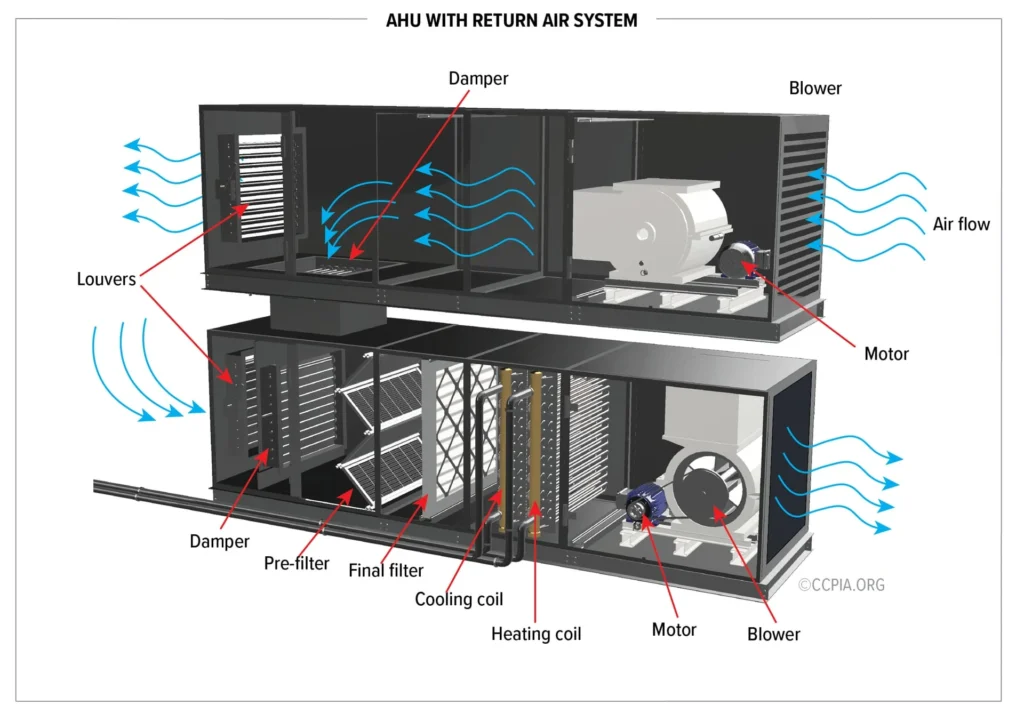
Modern home décor is increasingly about seamless integration of functional elements. An air‑conditioning unit, whether 3 ton or 3 5 ton, can be concealed or highlighted depending on your design direction.
3 Ton vs 3 5 Ton AC – Placement and Visual Impact
Both capacities typically come in similar form factors, but a 3 5 ton unit may have a slightly larger condenser or require a bigger indoor air handler. Here’s how to blend them into different rooms:
- Living Room: Use a recessed ceiling cassette or a sleek wall‑mounted unit. Pair it with a minimalist ceiling design to keep the visual flow uninterrupted.
- Bedroom: A compact floor‑standing model works well in larger master suites, especially when paired with a soft rug that hides any mechanical footprint.
- Kitchen: For open‑plan kitchens, a ducted system hidden behind a decorative panel preserves the clean lines of cabinetry.
When integrating, coordinate the finish of the unit with surrounding trim, metal accents, or even the color palette of the room. For inspiration on how to hide or style built‑in elements, see our guide on DIY wall frame arrangement that shows how subtle framing can turn functional pieces into design statements.
Installation Considerations: What Professionals Need to Know
Proper installation is critical for performance and longevity, regardless of whether you choose a 3 ton or a 3 5 ton AC. Here are the top points to discuss with your HVAC contractor:
- Proper Sizing of Ductwork: Larger capacity may require bigger ducts to avoid excessive static pressure.
- Location of Outdoor Condenser: Ensure adequate clearance for airflow; a 3 5 ton unit may need a slightly larger footprint.
- Electrical Requirements: Verify that your home’s panel can handle the unit’s amp draw.
For DIY‑oriented readers, our step‑by‑step guide on installing cabinet filler strips demonstrates the kind of precision needed when working around built‑in fixtures, a skill that translates well to careful AC installation.
Quick Tips for Getting the Most Out of Your 3 Ton or 3 5 Ton AC
- Perform a professional load calculation before purchase.
- Choose a unit with a SEER rating of 14 + for optimal efficiency.
- Schedule annual maintenance to keep filters and coils clean.
- Use programmable thermostats to avoid unnecessary runtime.
- Consider a zoning system if you have multiple zones with different cooling needs.
Common Mistakes When Deciding Between 3 Ton vs 3 5 Ton AC
Even well‑intentioned homeowners can fall into traps that diminish comfort and raise costs. Below are the most frequent errors and how to avoid them:
- Oversizing: Selecting a 3 5 ton unit for a small apartment leads to short cycling, higher humidity, and louder operation. Stick to the calculated load.
- Ignoring Sun Exposure: Large windows without shading can increase heat gain; in such cases, the extra capacity of a 3 5 ton unit may be justified.
- Neglecting Insulation: Poor insulation forces you to buy a larger unit unnecessarily. Upgrade insulation first.
- Skipping Professional Installation: DIY hacks might save money upfront but can cause airflow issues and void warranties.
Frequently Asked Questions
What is the difference in cooling power between a 3 ton and a 3 5 ton AC?
A 3 ton unit delivers about 36,000 BTU per hour, while a 3 5 ton unit provides roughly 42,000 BTU per hour. The extra 6,000 BTU can be crucial for larger spaces or rooms with high heat gain.
Can I install a 3 5 ton AC in a room that only needs a 3 ton unit?
Technically you can, but it’s not recommended. The larger unit will cycle too quickly, leading to higher humidity, increased wear, and reduced energy efficiency.
How does SEER rating affect the choice between 3 ton vs 3 5 ton AC?
SEER (Seasonal Energy Efficiency Ratio) measures cooling efficiency. A higher SEER on a 3 5 ton unit can offset the slightly higher power draw, making it as economical as a lower‑SEER 3 ton model.
Will a larger AC unit affect the interior design of my home?
Yes, size can influence placement options and visual impact. Larger indoor units may require more visible space, so consider ceiling cassettes, concealed ducted systems, or decorative panels to maintain a cohesive look.
Is a zoning system worth it for a home with both 3 ton and 3 5 ton units?
Zoning allows each area to be controlled independently, maximizing comfort and efficiency. It’s especially beneficial when you have varied cooling loads across different zones.
Choosing between a 3 ton vs 3 5 ton AC isn’t just a technical decision; it’s an opportunity to align comfort, energy savings, and design harmony. By assessing your home’s cooling load, prioritizing high SEER ratings, and planning thoughtful placement, you’ll create an environment that feels just right—cool in the summer, stylish year‑round. Explore more interior design ideas on The Homara and start turning your living spaces into showcases of modern comfort.