
Table of Contents
- Understanding Why Bumps Form in Wall‑to‑Wall Carpet
- Common Causes of Carpet Bumps
- Step‑by‑Step: How to Get Bumps Out of Wall‑to‑Wall Carpet Using Simple Tools
- Tools You’ll Need
- Procedure
- When Professional Help Is the Best Option
- Preventive Strategies to Keep Your Carpet Smooth
- Regular Maintenance Tips
- Quick Tips for Immediate Bump Relief
- Common Mistakes When Dealing With Carpet Bumps
- Frequently Asked Questions
- Integrating Your Carpet Repair With Overall Home Design
How to Get Bumps Out of Wall‑to‑Wall Carpet – A Complete Guide
Wall‑to‑wall carpet adds warmth, comfort, and a touch of elegance to any room, but even the most carefully installed flooring can develop unsightly bumps over time. These imperfections not only detract from the overall aesthetic but can also cause tripping hazards and accelerate wear on the underlying padding. Whether you’re a homeowner, renter, or interior‑design enthusiast, understanding why bumps appear and how to effectively address them is essential for preserving the lifespan of your carpet.
In this article we’ll explore the root causes of carpet bumps, walk you through step‑by‑step removal techniques, and share preventive strategies that keep your floor smooth and inviting. By the end, you’ll be equipped with practical tools and confidence to tackle the issue without calling a professional for every little imperfection.
Let’s dive into the details so you can restore that flawless, plush look that first drew you to wall‑to‑wall carpet in the first place.
Understanding Why Bumps Form in Wall‑to‑Wall Carpet
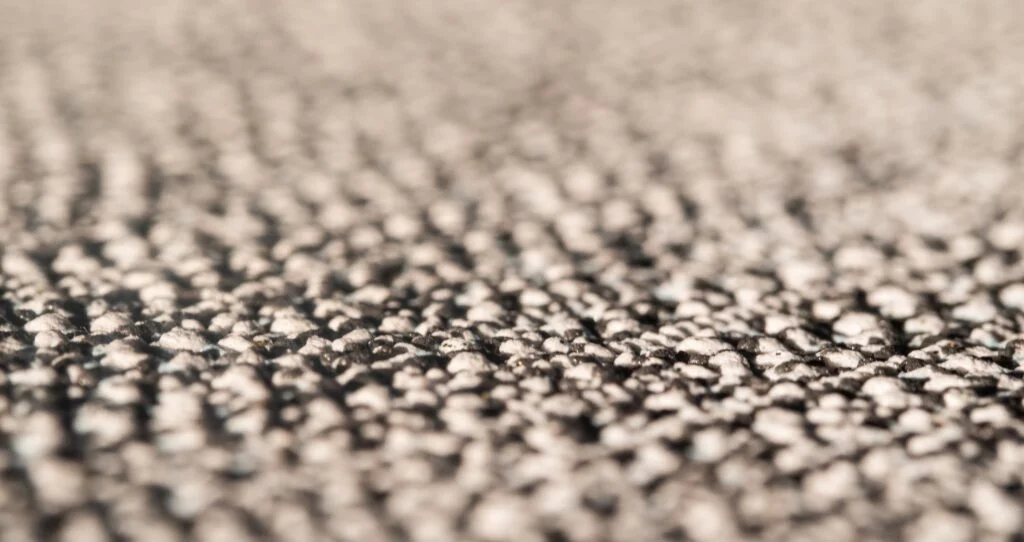
The first step in learning how to get bumps out of wall‑to‑wall carpet is recognizing the common culprits that cause them. Knowing the cause helps you choose the right remedy and prevents the problem from recurring.
Common Causes of Carpet Bumps
- Improper Installation: If the carpet or padding wasn’t stretched evenly, tension spots can create ripples.
- Moisture Intrusion: Water seeping through subfloor cracks or spills can swell the backing material, leading to bulges.
- Heavy Furniture Movement: Dragging heavy pieces can tug at the carpet fibers, especially near seams.
- Subfloor Irregularities: Uneven joists or warped plywood create pressure points that manifest as bumps.
- Padding Shift: Over time the underlay can shift, creating pockets that push the carpet upward.
Identifying which of these factors is at play in your space will guide the specific technique you’ll use to get bumps out of wall‑to‑wall carpet.
Step‑by‑Step: How to Get Bumps Out of Wall‑to‑Wall Carpet Using Simple Tools
Most carpet bumps can be resolved with household tools and a bit of patience. Below is a systematic approach that works for a variety of situations.
Tools You’ll Need
- Sturdy utility knife or carpet cutter
- Heavy‑duty seam roller
- Flat wooden pry bar or putty knife
- Vacuum cleaner
- Adhesive spray (carpet‑specific)
- Measuring tape and marker
Procedure
- Clear the Area: Remove all furniture and vacuum the area to eliminate debris that could interfere with the repair.
- Locate the Bump’s Edge: Using a straight edge, trace the perimeter of the raised section. This helps you know where to cut.
- Make a Precise Cut: With the utility knife, slice through the carpet backing just beyond the bump’s edge. Be careful not to cut too deep into the fibers.
- Lift and Flatten: Gently pry the carpet up with the putty knife, exposing the padding beneath. If the padding has shifted, reposition it evenly.
- Apply Adhesive (if needed): Lightly spray carpet‑specific adhesive on the backing where the bump occurred. This helps the fibers re‑adhere to the padding.
- Press and Roll: Lay the carpet back down, ensuring it aligns with the surrounding floor. Run the seam roller over the repaired section to re‑establish tension.
- Trim Excess: If the carpet edge looks uneven, trim the excess with the utility knife and blend the fibers using a soft brush.
- Replace Furniture: Once the adhesive has dried (usually 24 hours), move furniture back onto the carpet, using felt pads to protect the surface.
Following these steps will often eliminate the bump entirely, restoring a smooth, level surface.
When Professional Help Is the Best Option

While DIY methods work for many minor imperfections, some situations require the expertise of a professional carpet installer or a flooring specialist. Consider calling in the pros if:
- The bump spans a large area (more than 2 square feet).
- You suspect subfloor damage, such as rot or severe warping.
- Multiple seams are affected, indicating a systemic installation issue.
- Moisture damage has caused the backing to deteriorate.
Professional services can re‑stretch the entire carpet, replace damaged padding, or even recommend a new flooring solution if the existing carpet has reached the end of its useful life. Investing in expert repair often saves money in the long run by preventing recurring problems.
Preventive Strategies to Keep Your Carpet Smooth
Knowing how to get bumps out of wall‑to‑wall carpet is valuable, but preventing them in the first place is even better. Incorporate these preventive measures into your regular home‑maintenance routine.
Regular Maintenance Tips
- Vacuum Weekly: Frequent vacuuming reduces dust buildup that can create uneven pressure on the fibers.
- Use Area Rugs Strategically: Place rugs under high‑traffic zones or heavy furniture to disperse weight evenly.
- Rotate Furniture: Periodically move sofas and chairs a few inches to avoid permanent pressure points.
- Control Humidity: Maintain indoor humidity between 30‑50% to prevent the backing material from absorbing excess moisture.
- Check for Subfloor Shifts: Every few years, inspect the subfloor for signs of movement, especially after renovations.
Implementing these habits helps your carpet stay level, reduces the need for frequent repairs, and extends the overall lifespan of the floor.
Quick Tips for Immediate Bump Relief
If you need a fast, temporary fix while planning a more thorough repair, try these quick actions.
- Place a heavy book or flat weight on the bump for 30 minutes to encourage fibers to settle.
- Apply a warm (not hot) damp cloth over the area for a few minutes; the heat can soften the backing slightly, allowing it to flatten.
- Use a steam cleaner on a low setting to relax the fibers, then press with a smooth board.
These shortcuts won’t replace a proper repair, but they can improve the appearance enough to avoid embarrassment during guests.
Common Mistakes When Dealing With Carpet Bumps
Even well‑intentioned homeowners can make errors that worsen the problem. Avoid these pitfalls:
- Over‑cutting the Carpet: Removing too much material can create a visible dip that’s harder to conceal.
- Using Excessive Adhesive: Too much glue can stiffen the fibers, leading to a new set of irregularities.
- Ignoring Subfloor Issues: Treating the carpet alone while the subfloor remains uneven will cause the bump to reappear.
- Skipping the Seam Roller: Failing to re‑tension the carpet after repair often leaves hidden tension that shows up later.
By staying aware of these common errors, you’ll increase the success rate of your DIY attempts to get bumps out of wall‑to‑wall carpet.
Frequently Asked Questions
Can I use a hair dryer to flatten carpet bumps?
A hair dryer can warm the backing slightly, making it more pliable, but it rarely provides enough heat to fully flatten a pronounced bump. It’s better suited for minor, localized ripples.
Will moving heavy furniture cause new bumps?
Yes, especially if the carpet wasn’t installed with adequate stretch. To minimize this risk, use furniture pads and consider re‑stretching the carpet after a major rearrangement.
Is carpet padding the main cause of bumps?
Padding shift is a frequent culprit, particularly with low‑density underlay. Choosing a high‑density padding during installation can reduce movement and keep the carpet level.
How often should I have my wall‑to‑wall carpet professionally inspected?
A professional inspection every 3‑5 years is advisable, especially in homes with high humidity or heavy foot traffic. Early detection of subfloor irregularities can save costly repairs.
Can I replace just the bumped section of carpet?
Replacing a small section is possible if the carpet’s color and texture match the existing floor. However, seams may become visible, so a full‑room replacement is often the cleaner aesthetic solution.
Integrating Your Carpet Repair With Overall Home Design
When you successfully get bumps out of wall‑to‑wall carpet, the result isn’t just functional—it’s an opportunity to refresh the room’s visual flow. Pair the smooth carpet with updated décor elements to create a cohesive look.
For example, consider adding a stylish bathroom vanity set that mirrors the softness of your carpet, or install cabinet filler strips in adjacent rooms to maintain a uniform trim line. These small design touches tie the entire space together, reinforcing the modern home styling theme that The Homara champions.
Additionally, think about layering texture: a plush area rug over a flawlessly repaired carpet can add depth while protecting high‑traffic zones. Pair this with soft lighting and coordinated accent pillows for a living‑room makeover that feels both intentional and inviting.
Finally, if you’re planning a larger redesign, explore easy DIY home décor ideas that complement your refreshed flooring. The right accessories will amplify the impact of a smooth, bump‑free carpet, turning an ordinary room into a showcase of modern interior design.
By viewing carpet maintenance as part of a broader design strategy, you not only solve an immediate issue but also enhance the overall aesthetic of your home.
Remember, a well‑maintained wall‑to‑wall carpet is a foundation for comfort and style. Whether you choose a DIY approach or enlist professional help, the techniques outlined above will guide you toward a smooth, inviting floor that stands the test of time.
Take the first step today: assess your carpet, identify the cause of any bumps, and apply the appropriate remedy. Your home will thank you with a more polished look, improved safety, and lasting value.
Explore more interior design inspiration on The Homara and keep your living spaces thriving with fresh ideas and practical solutions.
[ CATEGORY ]: Home Decor Ideas