
Table of Contents
- wall décor ideas for small spaces – Understanding Scale and Proportion
- wall décor ideas for small spaces – Using Mirrors Effectively
- Creative Art Placement without Overcrowding
- Vertical Storage and Functional Wall Solutions
- Playful Patterns and Textures in Tight Areas
- Multi‑Purpose Wall Features for Small Rooms
- Lighting the Walls: Enhancing Depth and Mood
- Quick Wall Décor Tips
- Common Mistakes to Avoid
- Frequently Asked Questions
Wall Décor Ideas for Small Spaces – Transforming Compact Rooms with Style
Living in a compact apartment or a cozy bedroom often feels like a balancing act between functionality and aesthetics. The walls, which occupy a majority of the visual field, become an essential canvas for expressing personality without sacrificing floor space. When used thoughtfully, wall décor can amplify light, create the illusion of depth, and even add hidden storage—all while keeping the room feeling airy.
This guide walks you through practical wall décor ideas for small spaces that work in any setting, from a studio apartment living room to a narrow hallway. You’ll learn how to choose the right pieces, arrange them for maximum impact, and avoid common pitfalls that can make a room feel cramped. By the end, you’ll have a toolbox of design strategies ready to elevate even the tiniest corners of your home.
wall décor ideas for small spaces – Understanding Scale and Proportion

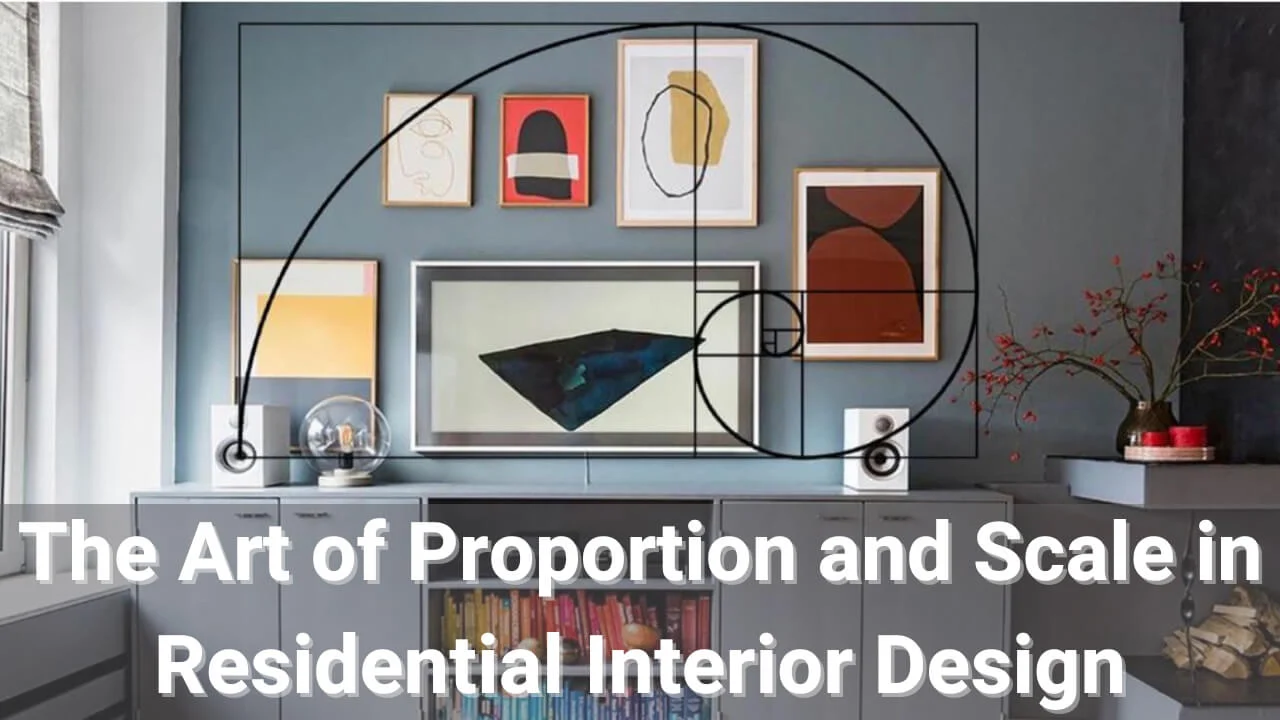
Scale is the cornerstone of successful wall décor in tight areas. Oversized artwork or bulky frames can dominate a modest wall, making the room feel smaller than it is. Instead, opt for pieces that complement the room’s dimensions. A series of small, coordinated prints or a single medium‑sized canvas often works better than one giant statement piece.
When selecting items, measure the wall space and leave at least 4–6 inches of breathing room around each piece. This margin prevents visual clutter and lets each item breathe. For example, a 24‑inch by 36‑inch painting centered above a compact sofa leaves enough negative space to keep the composition balanced.
wall décor ideas for small spaces – Using Mirrors Effectively
Mirrors are a timeless tool for amplifying light and creating the illusion of extra square footage. A well‑placed mirror can double the visual depth of a narrow hallway or a petite bedroom. Choose mirrors with simple frames—thin metal or sleek wood—to avoid adding visual weight.
Position a full‑length mirror opposite a window to reflect natural light throughout the room, or hang a series of smaller, geometric mirrors in a grid pattern to add interest without overwhelming the space. The key is to keep the mirror’s size proportional to the wall; a mirror that covers 30–40% of the wall area works well in most small rooms.
Creative Art Placement without Overcrowding

Artwork is a personal expression, but in small spaces it must be curated carefully. Instead of scattering pieces randomly, develop a cohesive theme—such as monochrome photography, abstract watercolors, or botanical prints. This unified approach creates visual harmony and prevents a chaotic look.
Consider a “gallery wall” that follows a consistent alignment, like all pieces centered at the same height. Use lightweight frames or even floating shelves to display three‑dimensional objects without the need for nails. Floating shelves are especially useful for rotating seasonal décor, allowing you to refresh the look without committing to permanent fixtures.
For a subtle pop of colour, incorporate a single bold piece amidst a series of muted works. The contrast draws the eye and adds personality while keeping the overall composition calm. If you’re unsure about colour, start with a black‑and‑white photograph and pair it with a colourful abstract piece of a similar size.
Vertical Storage and Functional Wall Solutions

When floor space is at a premium, think vertically. Wall‑mounted storage not only frees up precious square footage but also adds visual interest. Open shelving, pegboards, and slim cabinets can house books, plants, and decorative objects without cluttering the floor.
Choose narrow floating shelves—no wider than 8–10 inches—for a clean look. Arrange items in odd numbers (three or five) to create a natural rhythm. For a kitchen or bathroom, a slim wall‑mounted rack can hold towels, utensils, or even a small herb garden, turning a functional need into a decorative statement.
Integrating storage with décor works especially well in studio apartments. A tall, narrow bookshelf placed beside a bed or sofa acts as a visual divider while providing ample space for books, storage boxes, and decorative accessories.
Playful Patterns and Textures in Tight Areas
Patterns can add depth and personality, but in small spaces they must be used judiciously. Large, busy prints may overwhelm a petite wall, whereas subtle, repeating motifs can create a sense of continuity. Consider a soft, tonal wallpaper with a delicate pattern, or a set of small, framed fabric panels.
Texture is another powerful tool. A woven wall hanging, a reclaimed wood panel, or a corkboard adds tactile interest without demanding much visual space. These elements catch the eye and invite touch, making a room feel more inviting.
When mixing patterns, keep the colour palette limited—two to three complementary hues work best. For instance, a muted navy stripe paired with a light grey geometric print can add contrast while maintaining a cohesive look.
Multi‑Purpose Wall Features for Small Rooms
Why settle for décor that only looks good when you can have pieces that also serve a purpose? Multi‑purpose wall features combine style with utility, making every inch count. A wall‑mounted desk, for example, provides a workspace without sacrificing floor space, and can double as a console table when not in use.
Consider a fold‑down wall bed in a studio apartment. When folded up, it becomes a sleek backdrop that can be painted or wallpapered, turning the entire wall into a decorative statement. Similarly, a wall‑mounted TV with a built‑in floating shelf offers both entertainment and storage in one sleek package.
For the bathroom, a stylish towel rack with built‑in hooks or a decorative ladder shelf can hold linens and display decorative jars, merging practicality with design. These solutions keep clutter off the floor, preserving the feeling of spaciousness.
Lighting the Walls: Enhancing Depth and Mood
Lighting is an often‑overlooked element of wall décor, yet it dramatically influences perception of space. Wall sconces, LED strip lights, and picture lights can highlight artwork, create focal points, and add ambient warmth without consuming floor or table space.
For a minimalist aesthetic, install recessed LED strips along the ceiling‑wall junction to emit a soft wash of light that expands the perceived dimensions of the room. In a cozy bedroom, consider a pair of vintage‑style wall lamps flanking a small bedside table—these provide functional reading light while adding decorative flair.
When choosing fixtures, match the finish to other hardware in the room (brass, matte black, brushed nickel) for a cohesive look. Dimmer switches give you control over intensity, allowing you to shift the mood from bright and lively to calm and intimate with a simple turn.
Quick Wall Décor Tips
- Start with a colour palette of three hues—one dominant, one secondary, and one accent—to keep the design unified.
- Use floating shelves to display décor without sacrificing floor space.
- Hang artwork at eye level (approximately 57–60 inches from the floor) for optimal viewing.
- Incorporate mirrors opposite windows to double natural light.
- Choose lightweight frames or magnetic mounting systems for easy rearrangement.
Common Mistakes to Avoid
Even seasoned decorators can slip into habits that make small rooms feel cramped. Here are some pitfalls and how to sidestep them:
- Overloading the wall: Filling a wall from floor to ceiling can look chaotic. Limit décor to one or two focal points and leave ample negative space.
- Ignoring scale: Oversized art or bulky shelving overwhelms the eye. Stick to pieces that are proportional to the wall’s dimensions.
- Clashing patterns: Mixing too many bold prints can create visual noise. Pair a busy pattern with a solid or subtle texture.
- Neglecting lighting: Dim or uneven lighting makes a room feel closed. Use wall sconces or LED strips to brighten vertical surfaces.
- Choosing the wrong colour: Dark, saturated colours on every wall can shrink a space. Use lighter shades on larger walls and reserve darker hues for accent walls or décor.
Frequently Asked Questions
Can I use large artwork in a tiny room?
Yes, but keep the scale balanced. A single large piece can serve as a focal point if it’s centered and accompanied by ample negative space. Avoid placing it too low or too high, as that can distort the room’s proportions.
What type of frames work best for small spaces?
Thin, minimalist frames—such as metal or narrow wood—add a modern touch without adding visual bulk. They keep the focus on the artwork rather than the frame itself.
Is it okay to paint a small wall a bold colour?
Bold colours can work, especially as an accent wall. To prevent the room from feeling closed, limit the bold hue to one wall and keep the remaining walls neutral.
How do I incorporate plants without taking up floor space?
Wall‑mounted planters, hanging macramé pots, or vertical garden panels allow you to add greenery while keeping the floor clear. Choose low‑maintenance varieties like succulents or pothos for easy care.
Should I match my wall décor with my furniture?
Aim for harmony rather than exact matching. Complementary colours and shared material tones create cohesion, while contrasting textures add visual interest.
For more inspiration, see our guide on how to decorate a small living room simply. If you’re leaning toward a minimalist vibe, explore our cozy minimalist home styling article for complementary ideas. Need fresh modern décor concepts? Check out minimal modern home décor inspiration for a curated list of trends.
By applying these wall décor ideas for small spaces, you can transform even the most modest room into a stylish sanctuary. Remember to prioritize scale, embrace vertical solutions, and let light work its magic. With thoughtful selection and strategic placement, your walls will become the canvas that expands, brightens, and personalises every corner of your home.