
Table of Contents
- Understanding the Core Principles of Simple Small‑Room Décor
- Light and Color: Foundations for Visual Expansion
- Scale and Proportion: Choosing Furniture That Fits
- Smart Layout Strategies for a Seamless Flow
- Maximizing Storage Without Sacrificing Style
- Vertical Solutions and Built‑Ins
- Multi‑Purpose Furniture
- Choosing the Right Décor Elements
- Integrating Modern Touches While Keeping It Simple
- Metallic Accents and Minimalist Lighting
- Technology That Blends In
- Quick Tips for Immediate Impact
- Common Mistakes to Avoid When Decorating Small Spaces
- Frequently Asked Questions
- Putting It All Together: A Step‑by‑Step Recap
How to Decorate a Small Living Room Simply
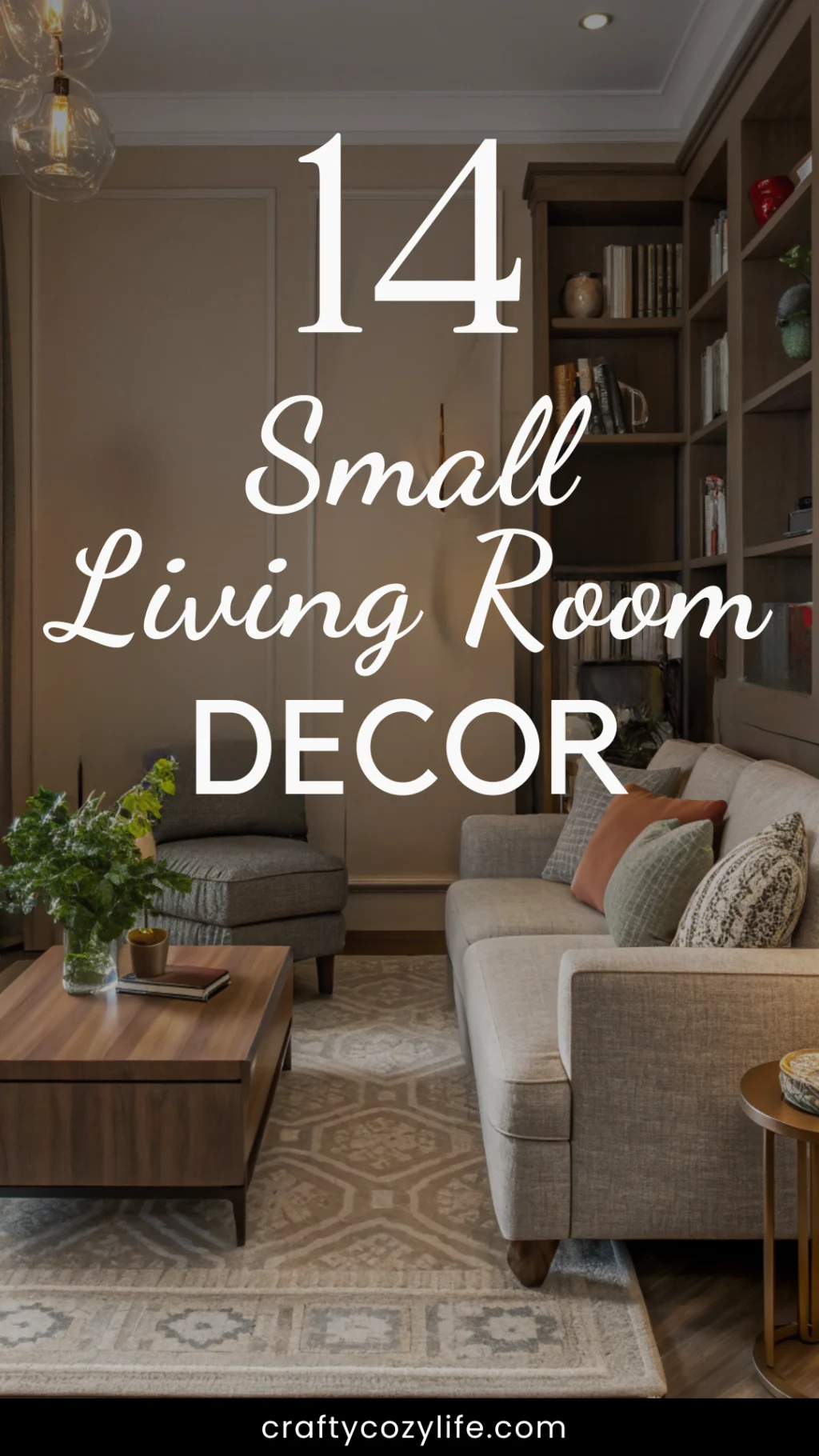
Living in a compact apartment or a cozy house often means the living room doubles as a hub for relaxation, work, and entertainment. When square footage is limited, every design decision carries extra weight. Knowing how to decorate a small living room simply can turn a cramped area into a welcoming, functional haven without overwhelming the senses.
This guide walks you through the essential principles of small‑space design, from choosing the right color palette to maximizing storage. By the end, you’ll have a clear roadmap to create a living room that feels airy, organized, and genuinely yours—no matter how modest the footprint.
Understanding the Core Principles of Simple Small‑Room Décor

The first step in learning how to decorate a small living room simply is to grasp the underlying concepts that make a space feel larger. Light, balance, and intentionality are the three pillars that guide every choice you’ll make.
Light and Color: Foundations for Visual Expansion
Natural light is a priceless asset. Keep window treatments minimal—think sheer curtains or blinds that slide fully away. When natural light isn’t abundant, replicate it with a layered lighting plan: ceiling fixtures, floor lamps, and subtle LED strips. Light-colored walls—soft whites, pale greys, or muted pastels—reflect illumination, creating an illusion of depth. If you love color, introduce it through accessories: cushions, rugs, or artwork, keeping the base neutral to avoid visual clutter.
Scale and Proportion: Choosing Furniture That Fits
Oversized sofas or bulky coffee tables can dominate a tiny room. Opt for pieces with slim profiles, exposed legs, and transparent or glass elements. A two‑seat sofa paired with a narrow side chair maintains conversation flow without crowding the floor. When possible, select multi‑functional furniture—like an ottoman with hidden storage—to keep the room tidy.
Smart Layout Strategies for a Seamless Flow

Arranging furniture strategically is a key answer to how to decorate a small living room simply. Follow these layout tips to maintain open pathways and visual harmony.
- Floating furniture: Instead of pushing all pieces against walls, pull them slightly inward. This creates a defined seating zone while preserving a sense of openness.
- Use rugs to anchor zones: A well‑chosen rug can separate a reading nook from a TV area without the need for walls.
- Keep traffic lanes clear: Aim for at least 24‑inches of clear walkway between major pieces.
For a concrete example, see our Small Living Room Décor Ideas for Apartments – Smart & Stylish Solutions guide, which illustrates how floating layouts can transform cramped spaces.
Maximizing Storage Without Sacrificing Style
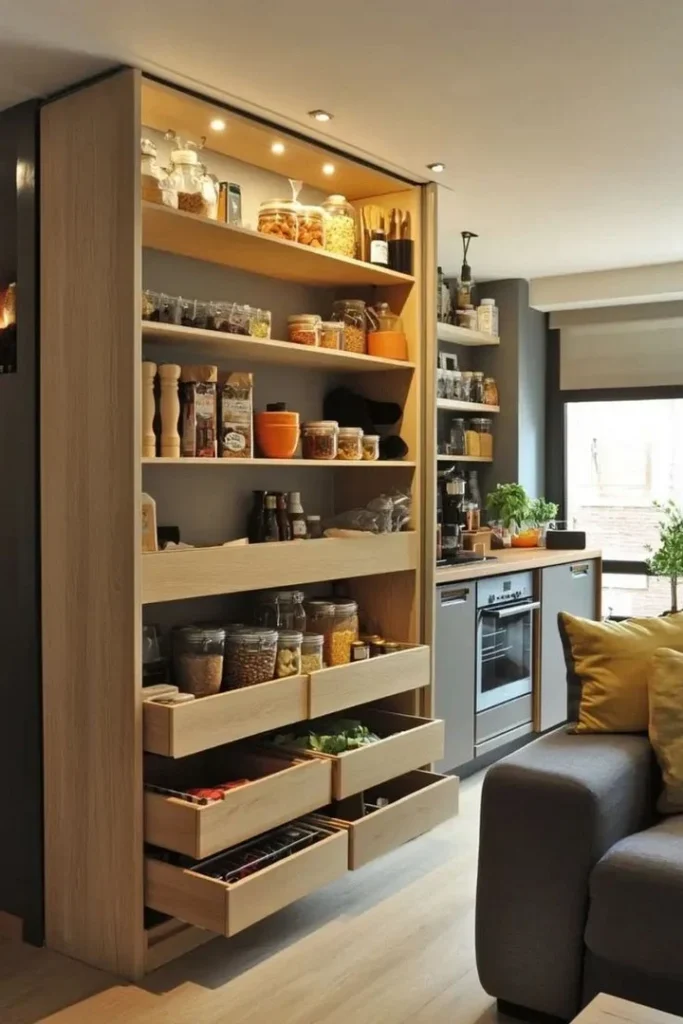
Clutter is the enemy of simplicity. When you know how to decorate a small living room simply, you also learn to conceal belongings elegantly.
Vertical Solutions and Built‑Ins
Utilize wall height by installing floating shelves or built‑in cabinets that reach toward the ceiling. Keep the upper shelves lightly stocked with decorative items—books, plants, or curated objects—to draw the eye upward and add a sense of height.
Multi‑Purpose Furniture
Choose a coffee table with drawers or a sideboard that doubles as media storage. An ottoman with a removable top provides both extra seating and hidden compartments for blankets or magazines.
Choosing the Right Décor Elements
Every piece you introduce should serve a purpose, whether functional or emotional. Here’s how to select décor that reinforces the simplicity of the space.
- Art and mirrors: A large mirror on one wall reflects light and visually expands the room. Pair it with a single, bold piece of artwork to create a focal point without overcrowding the walls.
- Textiles: Stick to a limited color palette for cushions, throws, and curtains. Mix textures—linen, cotton, and soft knits—to add depth without adding visual noise.
- Plants: A few well‑placed greenery pieces bring life and freshness. Choose narrow planters that can sit on shelves or a tall, slender floor plant in an empty corner.
If you’re looking for more inspiration on neutral color schemes, explore our article on Elevate Your Space: Home Décor with Neutral Wall Frames, which offers ideas on keeping walls calm yet compelling.
Integrating Modern Touches While Keeping It Simple
Modern design doesn’t have to be complicated. Simple, sleek elements can give your living room a contemporary edge without overwhelming the space.
Metallic Accents and Minimalist Lighting
Introduce subtle metallic finishes—think brushed brass lamp bases or a slim chrome floor lamp. These touches catch light and add a refined sparkle. For lighting, choose minimalist fixtures with clean lines, such as a recessed LED ceiling light paired with a slim, adjustable floor lamp.
Technology That Blends In
Mount your TV on the wall and hide cords with cable covers. A soundbar that sits below the screen replaces bulky speaker towers, preserving floor space.
For deeper insight into minimalist aesthetics, read our Minimal Modern Home Décor Inspiration: Fresh Ideas article, which showcases how restraint can be powerful.
Quick Tips for Immediate Impact
- Paint the ceiling a shade lighter than the walls to lift the room visually.
- Swap heavy curtains for sheer panels to let in more light.
- Use a single, large rug instead of multiple small rugs to avoid visual fragmentation.
- Place a tall mirror opposite a window to double natural light.
- Choose furniture with legs—nothing that sits directly on the floor makes the space feel grounded.
Common Mistakes to Avoid When Decorating Small Spaces
Even seasoned decorators can fall into traps that shrink a room’s perceived size. Recognize these pitfalls and steer clear.
- Over‑decorating: Too many accessories create visual clutter. Stick to a “one in, one out” rule for decorative items.
- Dark, saturated colors on all walls: While accent walls are fine, a fully dark palette absorbs light and makes the room feel tighter.
- Bulky furniture: Oversized sofas or thick coffee tables dominate the floor and hinder movement.
- Neglecting vertical space: Ignoring walls wastes an opportunity for storage and visual height.
- Improper lighting: Relying on a single overhead fixture can cast shadows and make corners feel closed.
Frequently Asked Questions
Can I use bold patterns in a small living room?
Yes, but limit them to one element—like a throw pillow or a single accent chair. The rest of the room should stay neutral to prevent pattern overload.
Is it better to have a rug or no rug at all?
A well‑sized rug anchors furniture and defines zones. Choose a rug that fits the entire seating arrangement rather than a tiny mat that looks lost.
Should I keep my TV wall bare?
A clean wall enhances simplicity. Mount the TV, use a low-profile media console, and add a single piece of artwork or a decorative shelf for balance.
How do I make a tiny corner feel inviting?
Add a slim floor lamp, a small plant, and perhaps a narrow bookshelf. The key is to keep the footprint minimal while providing a cozy nook.
What flooring works best for small living rooms?
Light‑colored hardwood, bamboo, or large‑format tiles create a seamless, expansive look. Avoid dark, heavy‑patterned rugs that can shrink the visual field.
Putting It All Together: A Step‑by‑Step Recap
Start by assessing natural light and choosing a light, neutral paint palette. Select furniture with slim silhouettes and exposed legs, arranging pieces to float away from walls. Add vertical storage and multi‑functional items to keep clutter hidden. Finish with strategic décor—mirrors, a single artwork, and a few textured textiles—to inject personality without crowding the space.
By following these guidelines on how to decorate a small living room simply, you’ll achieve a harmonious blend of style and function that feels both spacious and welcoming. Remember, simplicity isn’t about stripping away comfort; it’s about curating each element so that the room breathes.
Ready to transform your living area? Dive deeper into related topics on The Homara, experiment with the tips above, and watch your small space blossom into a stylish retreat.