
Table of Contents
- Understanding the Soft Neutral Palette
- Soft Neutral Apartment Décor: Color Layering Tips
- Living Room Foundations: Space‑Saving Sofas and Light Furniture
- Bedroom Sanctuary: Cozy Yet Minimalist Retreats
- Kitchen & Dining: Neutral Foundations with Functional Flair
- Bathroom Subtlety: Spa‑Like Calm in Compact Spaces
- Small Space Strategies: Maximizing Light and Flow
- Styling Accessories: Adding Depth Without Disrupting Calm
- Quick Home Décor Tips
- Common Mistakes to Avoid in Soft Neutral Apartment Décor
- Frequently Asked Questions
Soft Neutral Apartment Décor: Calm, Modern Living Spaces
Living in an apartment often means working with limited square footage, but it also offers a unique canvas for a design style that feels both expansive and intimate. Soft neutral apartment décor embraces muted hues, gentle textures, and thoughtful layouts to create a calm sanctuary that works for renters and homeowners alike. By focusing on light, airy colors and subtle contrast, you can make any apartment feel larger, brighter, and more welcoming without overwhelming the space.
This approach is especially valuable in today’s fast‑moving urban environments, where a peaceful home can become a vital retreat after a hectic day. In the sections that follow, you’ll learn how to select the right palette, arrange furniture for flow, choose accessories that add depth, and avoid common pitfalls that can turn a serene vision into a cluttered mess. Whether you’re revamping a studio or adding a fresh touch to a two‑bedroom flat, the principles of soft neutral apartment décor are versatile enough to adapt to any floor plan.
Understanding the Soft Neutral Palette
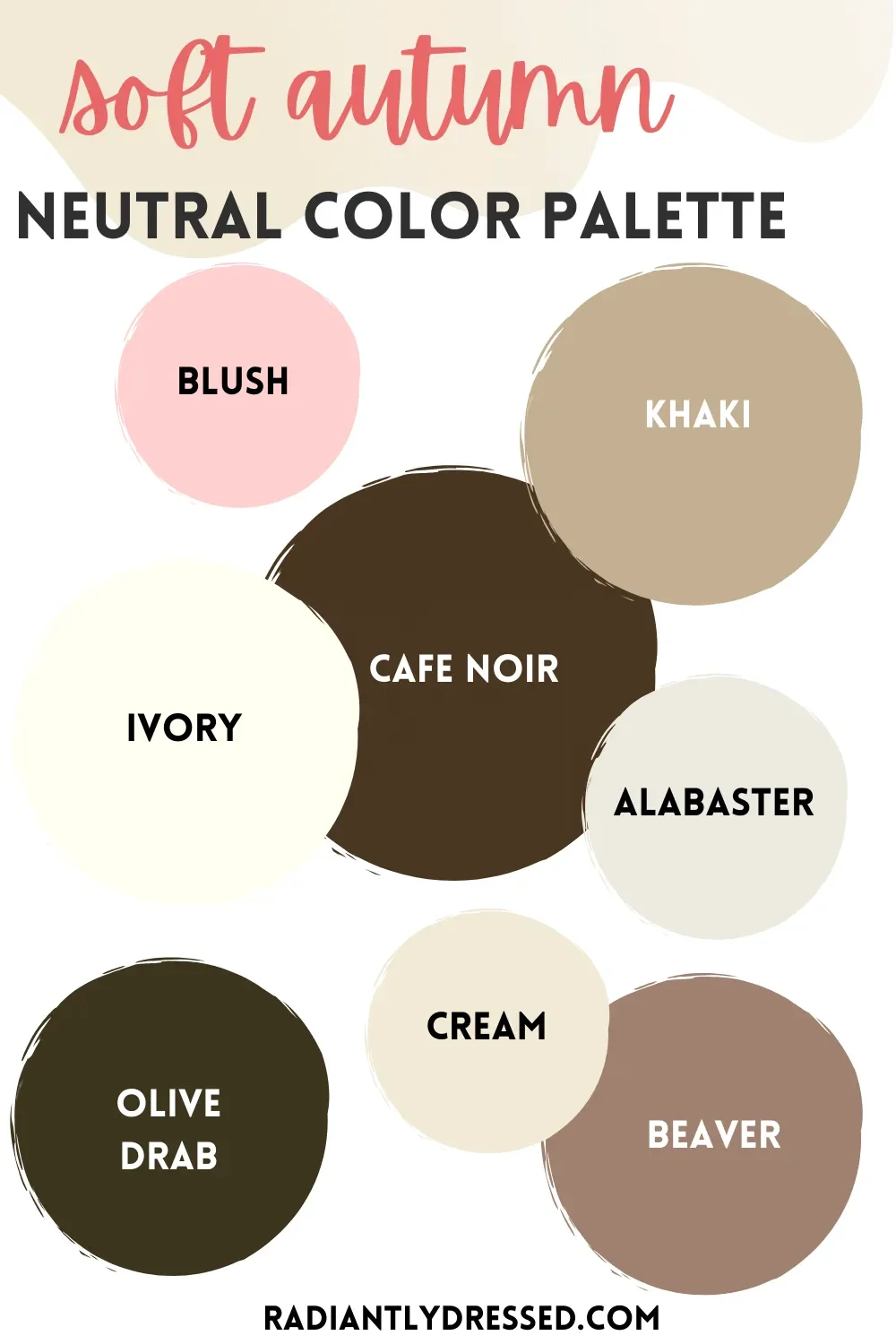
The heart of soft neutral apartment décor lies in color. Think warm whites, gentle beiges, muted greys, and the occasional blush of pastel. These tones work together to reflect natural light, making rooms appear larger while maintaining a soothing atmosphere. The key is to balance warmth and coolness; a blend of ivory walls with cool‑toned furniture, for instance, creates depth without harsh contrast.
Beyond paint, consider the finish of your flooring, curtains, and rugs. Light‑colored wood or polished concrete adds subtle texture that complements the muted walls. When choosing textiles, look for natural fibers such as linen, cotton, and wool in off‑white or soft sand shades. These materials breathe, adding a tactile layer to the visual calmness.
Soft Neutral Apartment Décor: Color Layering Tips
- Start with a base of 60‑70% light neutral on walls and large surfaces.
- Introduce a secondary neutral (e.g., warm grey) on secondary walls or a feature wall.
- Add accent colors sparingly—soft sage, muted blush, or powder blue work well.
- Use texture to differentiate tones; a plush rug can add depth to a monochrome floor.
Living Room Foundations: Space‑Saving Sofas and Light Furniture
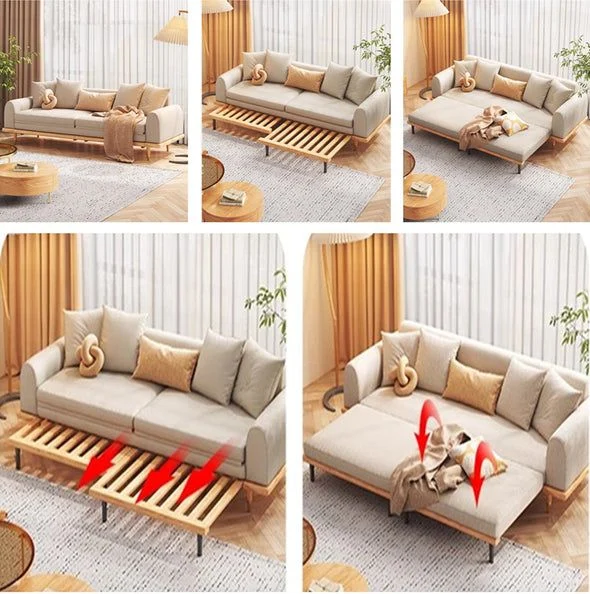
The living room often serves as the social hub, so it’s essential to keep the layout open while maintaining comfort. Choose a low‑profile sofa in a soft beige or light grey; its sleek silhouette prevents the room from feeling bulky. Pair it with a slender coffee table in light wood or glass to preserve sightlines.
For apartments with limited floor area, modular seating or a daybed can double as a guest bed without sacrificing style. Incorporate built‑in shelving painted in the same shade as the walls to keep the visual weight low. When selecting décor pieces, prioritize those with legs—chairs, tables, and storage units lifted off the floor add a sense of airiness.
To see how small living spaces can shine, check out our guide on tiny apartment living room design ideas, which offers additional layout tricks that blend seamlessly with soft neutral décor.
Bedroom Sanctuary: Cozy Yet Minimalist Retreats
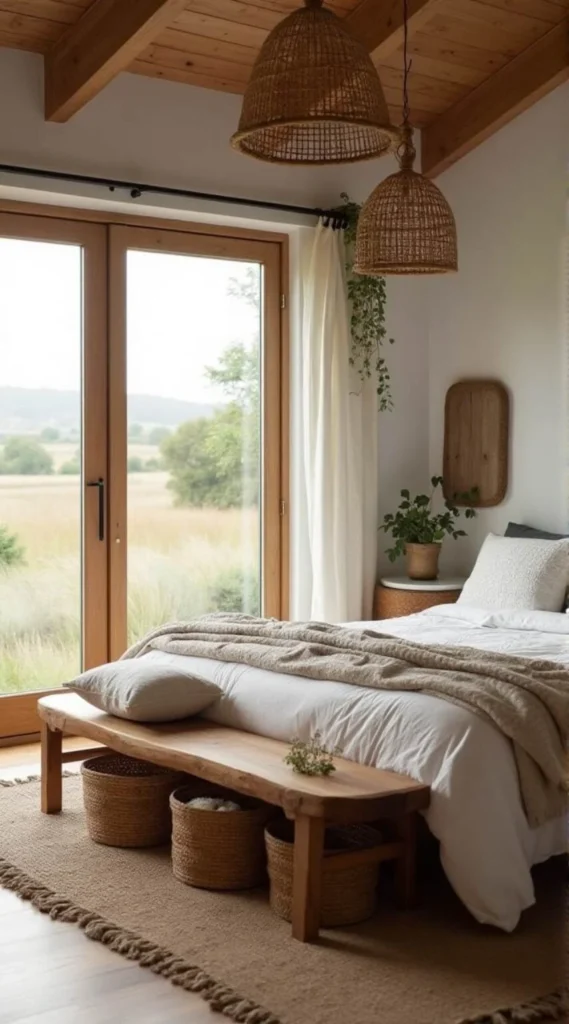
A bedroom should feel like a private oasis, and soft neutral apartment décor makes that possible without excessive ornamentation. Begin with a plush duvet in ivory or cream, layered with a few textured throw pillows in muted taupe or dove grey. A simple headboard in light wood or upholstered in linen adds subtle elegance while keeping the space grounded.
Storage is crucial in apartments where closet space is limited. Opt for a low‑profile dresser that matches the bed’s finish, and consider floating nightstands to free up floor space. Soft lighting—table lamps with linen shades or wall sconces in brushed brass—creates a warm glow that complements the neutral palette.
Kitchen & Dining: Neutral Foundations with Functional Flair
Even the kitchen can benefit from soft neutral apartment décor. Choose cabinetry in warm white or light greige, paired with quartz countertops that have a subtle marble veining. Open shelving painted in the same hue as the walls maintains continuity while allowing you to display simple dinnerware or greenery.
For dining areas, a compact round table in light oak topped with a matte white runner adds visual interest without clashing with the overall palette. Pair the table with upholstered chairs in muted linen to keep the look cohesive. If you’re looking for more inspiration on kitchen styling, the article on Advantium ovens and kitchen design offers a perspective that aligns well with neutral aesthetics.
Bathroom Subtlety: Spa‑Like Calm in Compact Spaces
The bathroom is an ideal place to extend the soft neutral theme, turning a functional room into a mini‑spa. Light beige tiles with a gentle matte finish reflect light, while a floating vanity in soft ash wood keeps the floor visible, enhancing the sense of space. Choose fixtures in brushed nickel or polished chrome to add a touch of modernity without breaking the neutral harmony.
Incorporate plush, absorbent towels in creamy tones and a simple glass shower enclosure to maintain a seamless look. A small plant or a scented candle can introduce a hint of organic texture without overwhelming the palette.
Small Space Strategies: Maximizing Light and Flow
Compact apartments demand clever use of light and visual flow. Mirrors are a designer’s best friend; a large, frameless mirror on one wall can double the perception of space while reflecting the soft neutral colors throughout the room. Position mirrors opposite windows to bounce natural light deeper into the interior.
Consider multifunctional furniture such as an ottoman with hidden storage or a wall‑mounted desk that folds away when not in use. Keep floor clutter to a minimum—use sleek baskets in natural fibers to store essentials, preserving the clean lines that soft neutral décor thrives on.
For further ideas on maximizing small spaces while staying true to a neutral aesthetic, explore our piece on modern minimalist home décor, which aligns perfectly with the principles discussed here.
Styling Accessories: Adding Depth Without Disrupting Calm
Accessories are the finishing touches that prevent a neutral space from feeling sterile. Choose pieces that introduce texture—think woven baskets, a chunky knit throw, or a set of ceramic vases in soft earth tones. Artwork should be understated; a large canvas with abstract shapes in muted colors can act as a focal point without overwhelming the palette.
Lighting fixtures in matte black, brushed brass, or natural wood can add visual interest while maintaining the soft neutral vibe. When it comes to greenery, opt for low‑maintenance plants such as snake plants or pothos in simple white pots; the greenery adds a subtle pop of life without clashing with the overall tone.
Quick Home Décor Tips
- Use sheer curtains in off‑white to let natural light filter gently.
- Layer rugs: a light jute rug under a soft wool runner adds texture.
- Keep hardware (knobs, pulls) in brushed nickel for a cohesive look.
- Swap heavy art for floating frames with simple black-and-white photography.
- Refresh a room instantly by changing pillow covers to a new neutral hue.
Common Mistakes to Avoid in Soft Neutral Apartment Décor
Even a well‑intentioned design can slip into monotony if certain pitfalls are ignored. One frequent error is using too many shades of the same tone, which can make a room feel flat. Introduce subtle contrast by mixing warm and cool neutrals—pair a warm beige sofa with a cool‑grey rug, for example.
Another mistake is neglecting texture. A room composed solely of smooth surfaces quickly loses depth. Incorporate tactile elements like a chunky knit blanket, a rattan chair, or a textured wall panel. Finally, avoid overcrowding with unnecessary décor; each piece should have a purpose, preserving the clean, airy feel central to soft neutral décor.
Frequently Asked Questions
Can soft neutral colours make a small apartment look larger?
Yes. Light‑reflecting neutrals bounce natural and artificial light, creating an illusion of spaciousness. Pair them with reflective surfaces like glass or polished metal to amplify the effect.
How do I add color without breaking the neutral scheme?
Introduce muted accent colors through accessories—think a dusty blue pillow, a soft sage throw, or a pastel artwork. Keep the accents limited to 10‑15% of the room’s visual weight.
Is it okay to mix different wood tones in a soft neutral apartment?
Mixing wood tones can add warmth, provided the finishes share a similar undertone (e.g., all have a warm honey base). This creates visual interest without disrupting the cohesive feel.
What type of flooring works best with soft neutral décor?
Light‑colored hardwood, bamboo, or large‑format porcelain tiles in a light greige are ideal. They complement the palette and maintain a seamless flow between rooms.
How can I keep the space feeling fresh over time?
Rotate soft accessories seasonally—switch pillow covers, throws, or artwork to introduce subtle variations while staying within the neutral framework.
Do I need to follow the neutral palette in every room?
Consistency helps create a unified home, but you can experiment with slightly bolder tones in private spaces like a bedroom or home office, as long as they harmonize with the overall palette.
Soft neutral apartment décor offers a timeless, adaptable foundation for any urban living situation. By embracing light colors, thoughtful textures, and strategic layout choices, you can transform even the most modest floor plan into a tranquil, stylish retreat. Remember to balance warmth with coolness, layer textures, and keep accessories purposeful. As you apply these principles, you’ll discover how effortlessly your apartment can feel both spacious and personal, ready to welcome you home day after day.