
Table of Contents
- Understanding the Foundations of Tiny Apartment Living Room Design
- Key Principles of Tiny Apartment Living Room Design
- Choosing the Right Furniture for a Compact Living Room
- Maximizing Light: Natural and Artificial Solutions
- Color Palette and Materials: Creating Cohesion in Small Spaces
- Smart Storage Solutions to Declutter the Living Area
- Adding Personality: Décor, Art, and Greenery
- Quick Tips for Instantly Elevating Your Small Living Room
- Common Mistakes to Avoid in Tiny Apartment Living Room Design
- Frequently Asked Questions
- How can I make a tiny living room feel more spacious?
- Is a rug necessary in a small living room?
- Can I use dark colors in a compact living room?
- What type of lighting works best in a tiny apartment living room?
- Should I opt for built‑in furniture?
- How do I incorporate personal style without cluttering?
Tiny Apartment Living Room Design: Smart Ideas for Small Spaces
Living in a tiny apartment doesn’t mean you have to sacrifice style or comfort. The living room, often the social hub of the home, can feel cramped if not thoughtfully planned. By focusing on tiny apartment living room design, you can create a space that feels larger than its square footage while reflecting your personal taste.
This article walks you through practical strategies, from clever furniture choices to color tricks, that help you maximize every inch. Whether you’re a first‑time renter or a seasoned city dweller, you’ll find actionable ideas that turn a modest living area into a welcoming, functional retreat.
Ready to reimagine your compact lounge? Let’s explore how smart design decisions can make a big impact in a small footprint.
Understanding the Foundations of Tiny Apartment Living Room Design
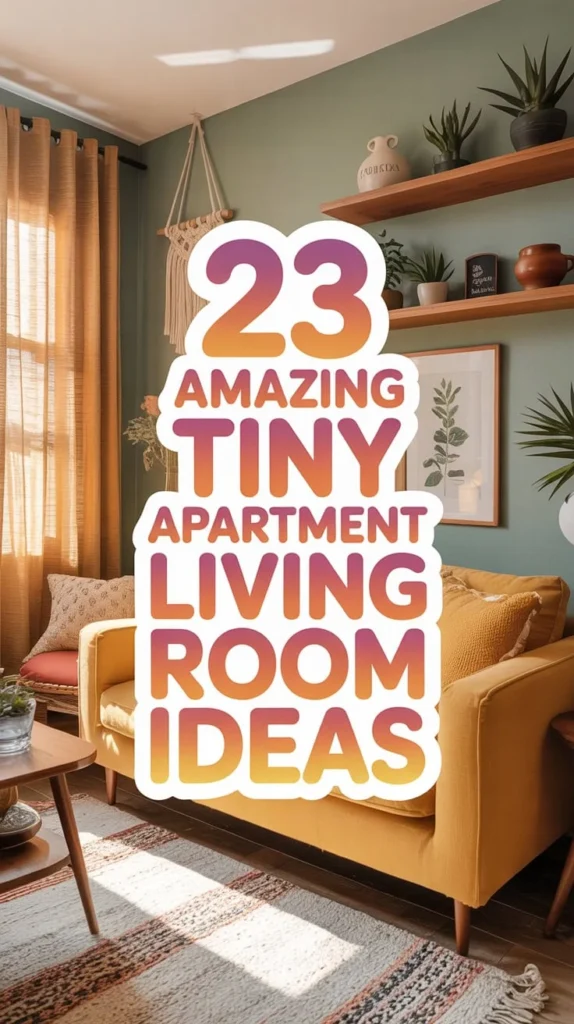
The first step in any successful tiny apartment living room design is to grasp the spatial constraints you’re working with. Measure your floor plan, note the location of windows, doors, and any built‑in features. This information guides every subsequent decision, from furniture layout to lighting placement.
When you know the exact dimensions, you can experiment with virtual room planners or simple graph paper sketches. The goal is to visualize flow pathways—how you’ll move from the entry to the sofa, from the coffee table to the TV stand—without crowding the area. A clear circulation plan prevents tripping hazards and makes the room feel airy.
Remember, the essence of tiny apartment living room design is simplicity. By stripping away unnecessary elements and focusing on purposeful pieces, you lay the groundwork for a cohesive, spacious feel.
Key Principles of Tiny Apartment Living Room Design
- Scale and proportion: Choose furniture that fits the room’s scale. Oversized sofas overwhelm, while low‑profile pieces elongate the space.
- Multipurpose furniture: Look for items that double as storage, such as ottomans with hidden compartments.
- Light and color: Light‑reflecting surfaces and a cohesive color palette create an illusion of depth.
- Vertical emphasis: Use tall bookshelves or wall art to draw the eye upward, adding perceived height.
Choosing the Right Furniture for a Compact Living Room
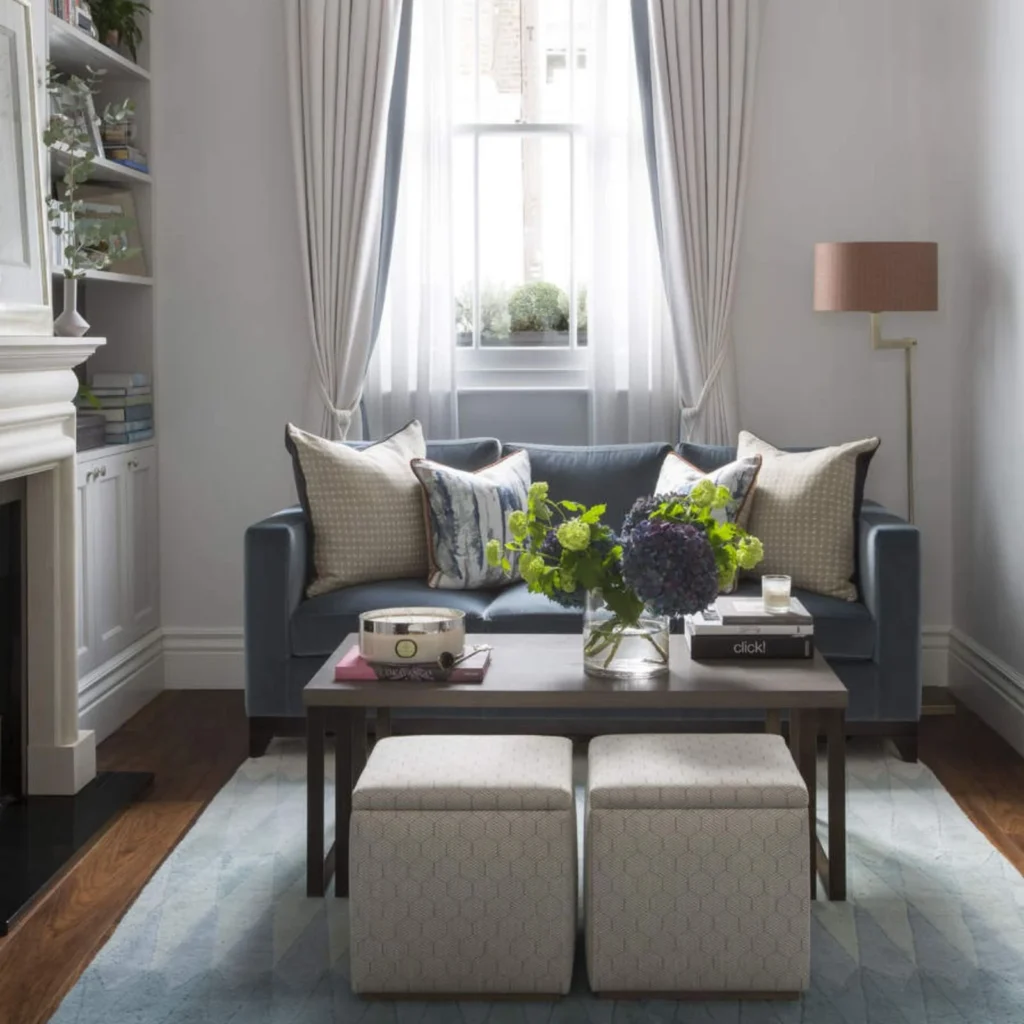
Furniture selection is arguably the most influential factor in tiny apartment living room design. Opt for pieces that balance comfort with a slim silhouette. A sleek, mid‑century modern sofa in a neutral tone often works well because its clean lines don’t dominate the room.
Consider a sofa with exposed legs; this design creates visual space underneath, making the floor appear less crowded. If you need extra seating, a pair of lightweight accent chairs can be tucked against a wall or used as occasional pieces. For more storage, a low media console with drawers or open shelves replaces a bulky TV stand while providing room for books, décor, and electronics.
For inspiration on choosing adaptable seating, check out our guide on living room accent chair styling ideas. The right furniture not only fits the space but also reinforces the overall aesthetic.
Maximizing Light: Natural and Artificial Solutions
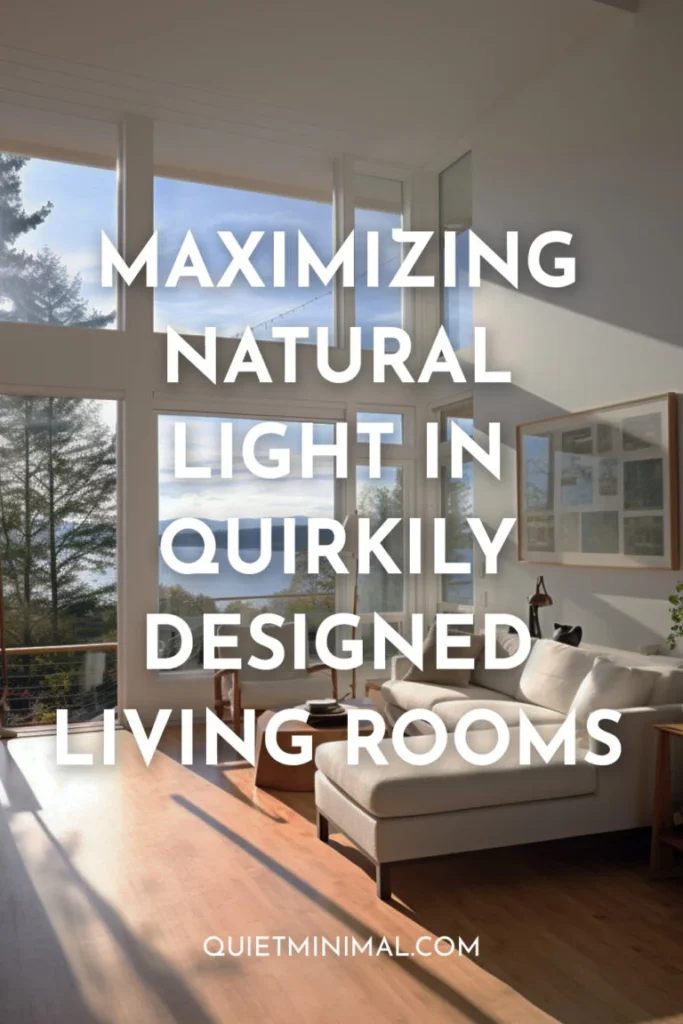
Light is a game‑changer in tiny apartment living room design. Natural light expands visual boundaries, while well‑placed artificial lighting adds depth and warmth. Keep window treatments minimal—sheer curtains or simple roller blinds let daylight stream in without sacrificing privacy.
When selecting artificial lighting, layer it for versatility. A slim floor lamp in the corner provides ambient light, while wall sconces near the seating area add task lighting without consuming floor space. Recessed ceiling lights are another excellent option because they keep the ceiling line clean.
For those grappling with window trim decisions, our article on window casing vs drywall return offers clear guidance on finishes that complement a bright, airy living room.
Color Palette and Materials: Creating Cohesion in Small Spaces
The color scheme you choose can either shrink or expand a room. In tiny apartment living room design, light, neutral shades such as off‑white, soft gray, or pastel blues reflect more light and make walls appear farther away. Pair these bases with subtle accent colors—think muted mustard, sage green, or dusty rose—to add personality without overwhelming the senses.
Material selection also influences perception. Glossy finishes on furniture or décor bounce light, contributing to an open feel. Conversely, matte surfaces absorb light and should be used sparingly. Incorporating natural textures like a woven rug or linen cushions adds depth and warmth, keeping the space inviting.
If you enjoy a minimalist aesthetic, our modern minimalist home décor guide demonstrates how to blend clean lines with subtle texture for a sophisticated look.
Smart Storage Solutions to Declutter the Living Area
Clutter is the enemy of tiny apartment living room design. Smart storage keeps the room organized and visually calm. Floating shelves installed high on the wall free up floor space while providing display areas for books, plants, and decorative objects.
Consider multifunctional furniture: an ottoman with hidden storage, a coffee table that lifts to a higher surface for working, or a console table that doubles as a media console. Wall‑mounted cabinets with glass doors give the illusion of openness while concealing everyday items.
For beginners seeking step‑by‑step guidance, our piece on home styling ideas for beginners outlines simple storage hacks that work beautifully in compact living rooms.
Adding Personality: Décor, Art, and Greenery
Even in a compact setting, personality should shine through. A well‑chosen piece of art can become a focal point without taking up physical space. Opt for a large‑scale canvas hung above the sofa; the vertical orientation elongates the wall and draws the eye upward.
Plants introduce life and color. Choose low‑maintenance varieties such as snake plants, pothos, or succulents. A tall floor plant placed in a corner adds height, while small potted herbs on a floating shelf bring freshness and a hint of scent.
Finally, accessories like decorative trays, textured throws, and patterned cushions add layers of interest. Keep the quantity moderate—each item should serve a purpose or enhance the visual story. This curated approach maintains the balance essential to successful tiny apartment living room design.
Quick Tips for Instantly Elevating Your Small Living Room
- Use a light‑colored rug to define the seating area without breaking up floor continuity.
- Install a single, oversized mirror opposite a window to reflect light and double perceived space.
- Choose furniture with exposed legs to create visual breathing room.
- Incorporate vertical storage—tall bookshelves or wall‑mounted cabinets—to draw the eye upward.
- Limit décor to a few statement pieces to avoid visual clutter.
Common Mistakes to Avoid in Tiny Apartment Living Room Design
Even well‑intentioned design attempts can fall short if certain pitfalls are overlooked. Here are typical errors and how to sidestep them:
- Oversized furniture: A bulky sofa can dominate the room. Select low‑profile seating that matches the scale of the space.
- Heavy window treatments: Dark drapes block light and shrink the room. Choose sheer or light fabrics to keep the atmosphere bright.
- Excessive décor: Too many accessories create visual noise. Curate items deliberately, focusing on quality over quantity.
- Ignoring vertical space: Failing to use walls leaves valuable storage untapped. Install floating shelves or tall cabinets to maximize storage without floor intrusion.
- Clashing colors: Overly bold palettes can overwhelm a small room. Stick to a cohesive color scheme with subtle accents.
Frequently Asked Questions
How can I make a tiny living room feel more spacious?
Focus on light colors, ample lighting, and minimal furniture. Use mirrors, vertical storage, and multi‑functional pieces to keep the floor clear and the eye moving upward.
Is a rug necessary in a small living room?
A rug helps define the seating area and adds texture. Choose a light‑colored, low‑pile rug that’s proportionate to the space—generally, it should extend a few inches beyond the furniture.
Can I use dark colors in a compact living room?
Yes, but limit them to accent walls or accessories. Pair dark hues with plenty of light neutrals to maintain balance and prevent the room from feeling closed in.
What type of lighting works best in a tiny apartment living room?
Layered lighting works best: natural daylight, recessed ceiling lights, slim floor lamps, and wall sconces. This combination offers flexibility and keeps the ceiling line clean.
Should I opt for built‑in furniture?
Built‑ins can be a great space‑saving solution if designed to match the room’s proportions. Custom shelving or a wall‑mounted TV unit can free up floor area while providing ample storage.
How do I incorporate personal style without cluttering?
Select a few statement pieces—like a bold piece of art or a unique accent chair—and keep other décor minimal. This approach allows your personality to shine while maintaining a tidy aesthetic.
Designing a functional, stylish living room in a tiny apartment is all about intentional choices and thoughtful organization. By embracing the principles of scale, light, and purposeful décor, you can transform a modest space into a welcoming haven that feels larger than its dimensions suggest. Explore more ideas on The Homara, experiment with the tips shared here, and watch your compact living area blossom into a place you love to call home.