
Table of Contents
- Can a 10 Year Old Take an Ice Bath? Understanding the Basics
- Safety Considerations: Can a 10 Year Old Take an Ice Bath Safely?
- Physiological Effects of Cold Water on Children
- Guidelines for Preparing an Ice Bath for a 10‑Year‑Old
- When to Use Ice Baths: Sports Recovery vs. General Health
- Alternatives to Ice Baths for Young Athletes
- Quick Tips for Safe Ice Bath Sessions
- Common Mistakes Parents Make
- Frequently Asked Questions
Ice baths have long been a staple in professional sports circles, celebrated for their ability to reduce muscle soreness and speed up recovery. As the popularity of these cold‑water rituals spreads beyond elite athletes, many parents wonder: can a 10 year old take an ice bath without risking health? This question sits at the crossroads of child safety, sports performance, and everyday wellness.
Understanding the answer requires a balanced look at the physiological impacts of cold exposure on a developing body, the practical steps needed to create a safe environment, and the scenarios where an ice bath might actually be beneficial. In the following sections we’ll explore the science, outline clear guidelines, and provide alternatives that keep young athletes on track without unnecessary risk.
Can a 10 Year Old Take an Ice Bath? Understanding the Basics
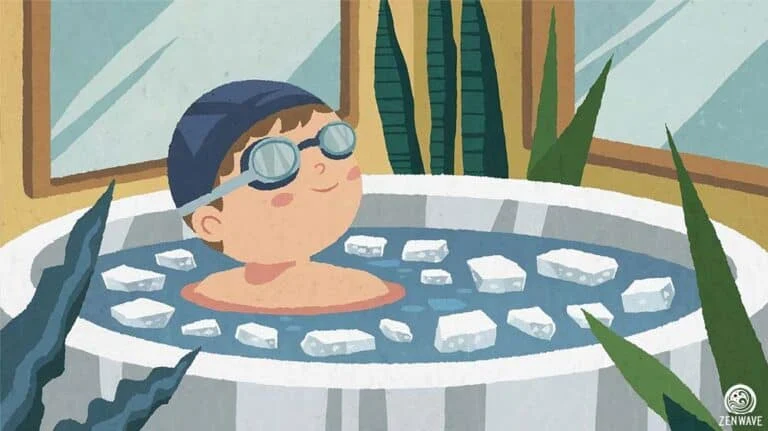
The short answer is that a 10‑year‑old can safely experience an ice bath under strict supervision and with proper preparation. Children have a higher surface‑area‑to‑body‑mass ratio than adults, which means they lose heat more quickly. This makes them more vulnerable to hypothermia if the water is too cold or the exposure is too long. However, when temperature, duration, and monitoring are carefully controlled, the therapeutic benefits that adults enjoy can also apply to younger athletes.
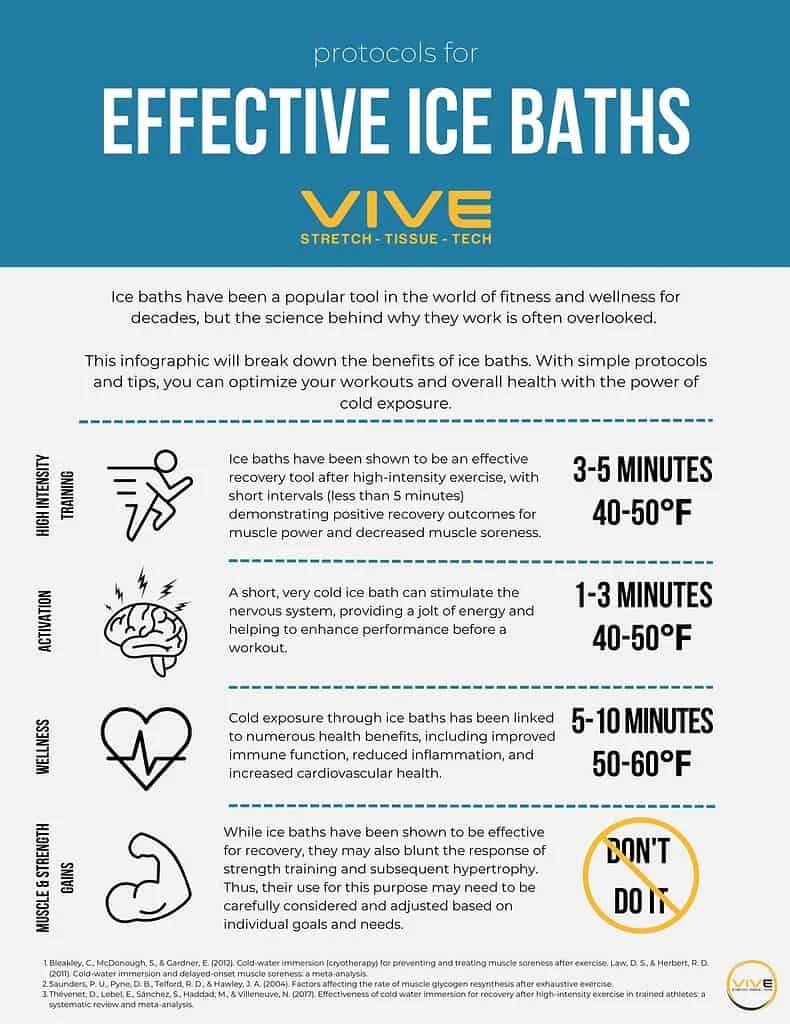
Key factors that determine whether a 10 year old can take an ice bath include the water temperature (usually between 10‑15°C or 50‑59°F), exposure time (generally no more than 5‑10 minutes), and the presence of an adult who can watch for signs of discomfort. By keeping these variables in check, parents can harness the recovery advantages while minimizing risks.
Safety Considerations: Can a 10 Year Old Take an Ice Bath Safely?
Safety is the cornerstone of any decision about cold‑water immersion for children. Below is a concise checklist that helps answer the central question—can a 10 year old take an ice bath—with confidence:
- Temperature control: Use a thermometer to keep water between 10‑15°C (50‑59°F). Anything colder can trigger rapid heat loss.
- Time limit: Start with 2‑3 minutes and never exceed 10 minutes. Gradually increase only if the child shows no adverse reactions.
- Supervision: An adult must stay in the room, ready to assist or remove the child at the first sign of shivering, numbness, or distress.
- Pre‑warm the body: A light warm‑up or gentle stretching before the immersion reduces the shock of sudden cold.
- Post‑immersion warming: Have dry towels, warm clothing, and a warm drink ready for after the bath.
Following these guidelines directly answers the safety aspect of can a 10 year old take an ice bath and ensures the experience remains therapeutic rather than hazardous.
Physiological Effects of Cold Water on Children
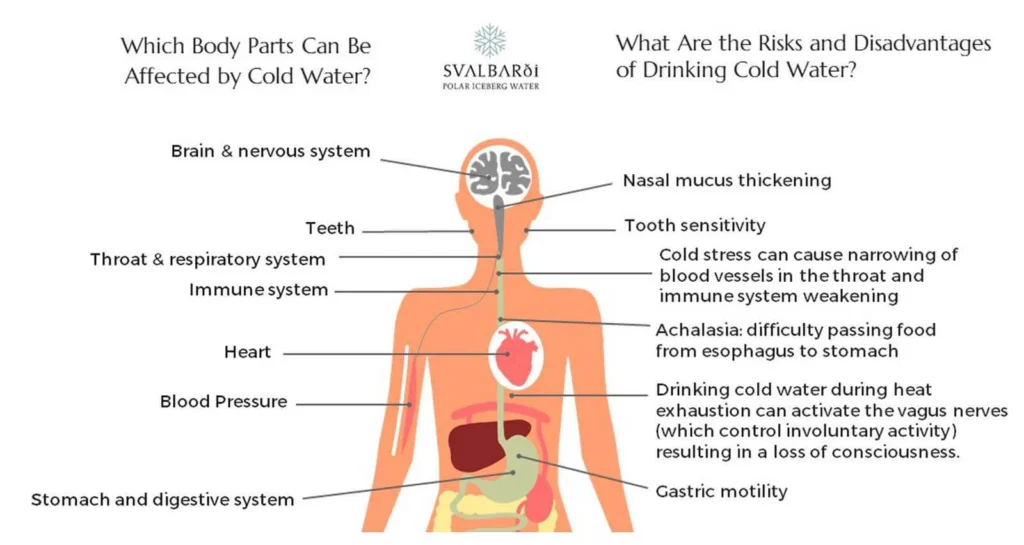
Cold water immersion triggers several physiological responses that are largely similar across age groups, but the intensity can differ for younger bodies. When a 10‑year‑old steps into an ice bath, blood vessels near the skin constrict—a process called vasoconstriction—helping preserve core temperature. Simultaneously, the body releases endorphins, which can improve mood and reduce perceived pain.
Research also shows a reduction in inflammatory markers such as C‑reactive protein after cold exposure. For a child engaged in regular sports practice, this can translate to less post‑exercise soreness and quicker return to training. However, the child’s thermoregulatory system is still maturing, so prolonged exposure may lead to a drop in core temperature faster than an adult would experience. That is why the question can a 10 year old take an ice bath hinges so heavily on time and temperature control.
Guidelines for Preparing an Ice Bath for a 10‑Year‑Old
Creating a child‑friendly ice bath doesn’t require a professional setup; a regular bathtub, a few bags of ice, and a thermometer are enough. Here’s a step‑by‑step plan that answers the practical side of can a 10 year old take an ice bath:
- Gather supplies: Fill the tub with cool water (about 20°C/68°F) and add ice gradually while monitoring the temperature.
- Set the target temperature: Aim for 10‑15°C. Adjust the amount of ice accordingly.
- Prepare the child: Explain the process, set expectations, and ensure they wear a swimsuit or appropriate swimwear.
- Start with a short dip: Let the child submerge their legs first, then gradually lower the torso if they feel comfortable.
- Monitor continuously: Watch for shivering, pale skin, or complaints of numbness. Stop immediately if any arise.
- Warm up afterward: Use towels, a heated blanket, and a warm drink (like herbal tea) to restore body temperature.
By following these steps, parents can confidently answer can a 10 year old take an ice bath with a clear, safe protocol.
When to Use Ice Baths: Sports Recovery vs. General Health
Not every sweaty practice or weekend game warrants an ice bath. Understanding the appropriate moments for cold immersion helps answer the broader question of can a 10 year old take an ice bath without overusing the method.
Use ice baths primarily after intense, high‑impact activities such as soccer tournaments, basketball scrimmages, or gymnastics practice where muscle micro‑tears are likely. For lighter activities—like a casual bike ride or a low‑intensity swim—active recovery (light stretching, walking) is usually sufficient.
Additionally, consider the child’s overall health. If the youngster has asthma, heart conditions, or circulatory issues, consult a pediatrician before any cold exposure. In those cases, the answer to can a 10 year old take an ice bath may be a cautious “no” until a medical professional gives the green light.
Alternatives to Ice Baths for Young Athletes
When the answer to can a 10 year old take an ice bath is “not right now,” there are several effective, lower‑risk recovery tools that still support performance.
- Contrast showers: Alternating warm (38°C/100°F) and cool (15°C/59°F) water for a few minutes each can stimulate circulation without the extreme cold.
- Compression garments: Graduated compression socks or sleeves help reduce swelling and improve venous return.
- Gentle foam rolling: Light self‑myofascial release eases muscle tension and promotes blood flow.
- Hydration and nutrition: Proper fluid intake and a balanced post‑exercise snack (protein + carbs) are foundational for recovery.
These alternatives keep the recovery process active and safe, especially for children whose bodies are still developing the robust cold‑tolerance seen in adult athletes.
Quick Tips for Safe Ice Bath Sessions
- Test water temperature with a thermometer, never by hand.
- Limit exposure to 5‑10 minutes; shorter is better for beginners.
- Keep the bathroom warm to prevent the child from feeling chilled before and after.
- Have a timer visible and audible for both parent and child.
- Combine the bath with a calming environment—soft lighting, soothing music, and a tidy space can make the experience less intimidating. For design inspiration, check out our modern minimalist home décor guide.
Common Mistakes Parents Make
Even well‑intentioned parents can slip into habits that reduce the effectiveness of an ice bath or, worse, create danger. Here are the most frequent errors and how to avoid them:
- Using water that’s too cold: Below 10°C can cause rapid core‑temperature loss. Always measure.
- Extending the soak beyond 10 minutes: Longer exposure offers diminishing returns and raises hypothermia risk.
- Skipping the warm‑up: Jumping straight into cold water shocks the system; a light warm‑up prepares muscles and the nervous system.
- Neglecting post‑bath warming: Immediate drying, blankets, and a warm drink are essential to restore normal circulation.
- Ignoring medical conditions: Asthma, heart defects, or recent illness require a doctor’s clearance before any cold immersion.
By correcting these missteps, parents can more confidently answer can a 10 year old take an ice bath with a safe, effective plan.
Frequently Asked Questions
Is it necessary for a 10‑year‑old to use ice baths after every practice?
No. Ice baths are most beneficial after particularly intense or competition‑level sessions. For regular practice, active recovery methods are usually sufficient.
How often can a child safely take an ice bath?
Once or twice a week is generally safe, provided each session follows the temperature and time guidelines. Overuse can lead to decreased tolerance and potential skin irritation.
What signs indicate the ice bath is too cold or too long?
Look for uncontrollable shivering, numbness, pale or bluish skin, complaints of pain beyond mild discomfort, or a sudden change in breathing pattern. Stop immediately if any appear.
Can I add essential oils or other additives to the ice bath?
While a few drops of child‑safe, fragrance‑free oil may make the experience more pleasant, avoid anything that could irritate the skin or affect breathing. Always test a small area first.
Should I consult a pediatrician before starting ice baths?
Yes, especially if the child has any pre‑existing health conditions. A quick medical review can confirm whether the child’s circulatory and respiratory systems can handle cold exposure.
Are there any home safety upgrades that complement ice bath use?
Installing non‑slip mats, ensuring good bathroom lighting, and keeping a first‑aid kit nearby are smart moves. For broader safety improvements, read our guide on installing carpet stair treads to reduce slips elsewhere in the home.
These answers address common concerns and help parents make an informed decision about can a 10 year old take an ice bath in a responsible way.
In summary, the question of whether a 10‑year‑old can take an ice bath hinges on careful temperature control, strict time limits, vigilant supervision, and an understanding of the child’s overall health. When done correctly, ice baths can offer young athletes a valuable recovery tool without compromising safety. Parents should start slowly, monitor closely, and always prioritize the child’s comfort and well‑being. For more home‑focused wellness ideas—like creating a soothing post‑workout bathroom sanctuary—explore our other articles and keep the conversation going on The Homara.