
Table of Contents
- 5 piece drawer front vs slab choosing the perfect cabinet style: Core Design Differences
- 5 piece drawer front vs slab choosing the perfect cabinet style: How Materials Influence the Look
- Budget Considerations: Cost Implications of Each Style
- Functionality and Ergonomics: Which Works Best for Daily Use?
- Design Harmony: Matching Cabinet Fronts with the Rest of Your Space
- Installation and Maintenance: What to Expect
- Quick Home Décor Tips for Cabinet Selection
- Common Mistakes When Choosing Between 5 Piece Drawer Front and Slab
- Frequently Asked Questions
- Real‑World Inspiration: See How Others Have Styled Their Cabinets
5 Piece Drawer Front vs Slab: Choosing the Perfect Cabinet Style
When it comes to kitchen remodels, the choice of cabinet front can dramatically influence the overall aesthetic, functionality, and resale value of a home. Two of the most popular options on the market today are the 5 piece drawer front and the slab style. Both have distinct visual cues, hardware requirements, and installation nuances that can either elevate or hinder your design vision.
Understanding the subtle differences between these two approaches helps you avoid costly mistakes, stay on budget, and create a cohesive look that matches the rest of your interior design scheme. In this article, we’ll walk through the essential factors that influence the decision, explore real‑world examples, and provide actionable tips so you can confidently choose the cabinet style that best fits your space.
5 piece drawer front vs slab choosing the perfect cabinet style: Core Design Differences
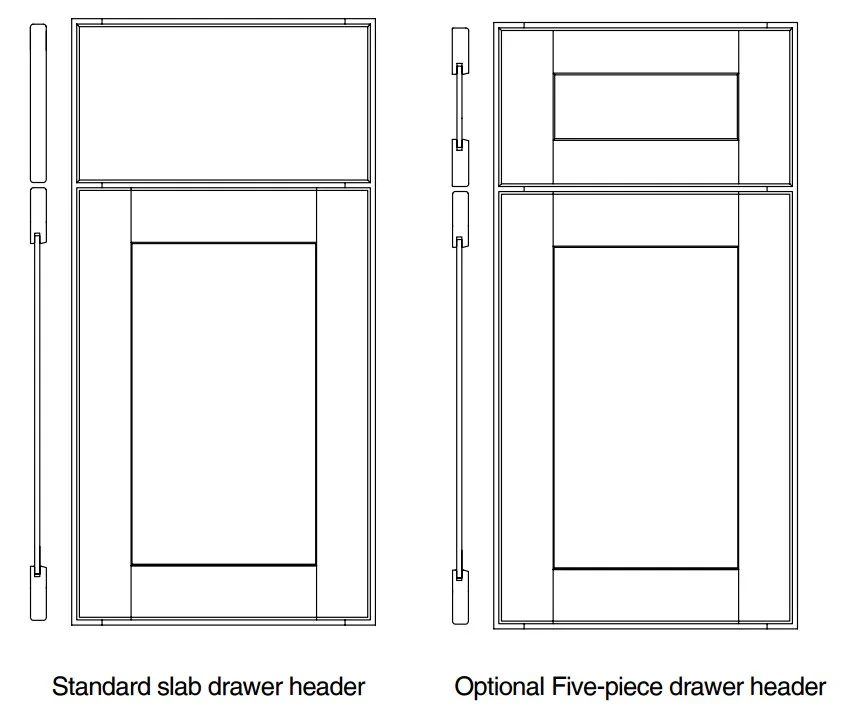
The first step in the decision‑making process is to grasp the fundamental construction of each option. A 5 piece drawer front typically consists of a central panel flanked by two stiles and two rails, creating a framed look that mimics traditional cabinetry. This framing adds depth and visual interest, especially when paired with decorative hardware.
In contrast, slab cabinets are single, flat panels that cover the entire door surface without any visible frames. The minimalist, “handleless” appeal of slab doors makes them a favorite for contemporary kitchens, where clean lines and a seamless appearance are paramount. The choice between these two styles often hinges on the overall design language you wish to convey.
5 piece drawer front vs slab choosing the perfect cabinet style: How Materials Influence the Look
Material selection can either amplify or diminish the impact of each style. For 5 piece fronts, solid wood or high‑quality veneer on the frame components allows for intricate grain patterns and the possibility of contrasting the central panel with the stiles and rails. Slab doors, on the other hand, benefit from smooth, uniform finishes such as matte lacquer, high‑gloss acrylic, or even natural stone veneers that emphasize the uninterrupted surface.
When planning your kitchen, consider how the material will interact with other surfaces like countertops, backsplashes, and flooring. A warm oak 5 piece front can harmonize beautifully with a rustic farmhouse countertop, while a sleek white slab door pairs perfectly with a quartzite island for a modern, high‑contrast vibe.
Budget Considerations: Cost Implications of Each Style
Cost is often the decisive factor for homeowners. Generally, slab cabinets tend to be less expensive per linear foot because they require fewer components and less labor during assembly. The lack of additional framing means fewer cuts, less waste, and a simpler installation process.
Conversely, a 5 piece drawer front involves more material, additional hardware (such as hinges and decorative pulls), and a higher level of craftsmanship. However, the perceived value can be higher, especially in markets that favor classic or transitional styles. If you’re working within a tight budget, slab doors provide a cost‑effective way to achieve a high‑end look, especially when paired with premium finishes.
Functionality and Ergonomics: Which Works Best for Daily Use?
Beyond aesthetics, the functional performance of a cabinet front matters. 5 piece fronts often incorporate a recessed panel that can hide wear over time, while the frame adds structural rigidity, making the doors less prone to warping in humid environments.
Slab doors, with their large flat surface, can be more susceptible to visible dents or scratches. However, many modern manufacturers offer impact‑resistant coatings that mitigate this risk. From an ergonomic standpoint, slab cabinets commonly feature integrated push‑to‑open hardware, eliminating the need for external pulls and creating a sleek, touch‑responsive experience. If you prioritize a clean, handleless look and enjoy the tactile interaction, slab might be the better choice.
Design Harmony: Matching Cabinet Fronts with the Rest of Your Space
Choosing the right cabinet style is not an isolated decision—it must blend with the overall interior design theme. For example, a farmhouse kitchen with shiplap walls, exposed beams, and a rustic island will feel more cohesive with 5 piece drawer fronts that echo the traditional craftsmanship.
On the other hand, an ultra‑modern loft with concrete flooring, stainless steel appliances, and minimal ornamentation benefits from slab doors that reinforce the streamlined aesthetic. When you’re unsure, try visualizing both options using online kitchen design tools or simple cardboard mock‑ups. Seeing the styles side‑by‑side in your actual space can clarify which creates the desired mood.
Installation and Maintenance: What to Expect
Installation timelines differ between the two options. Slab cabinets typically require fewer steps: attach the hinges, align the door, and finish. The simplicity often translates to a faster turnaround, which can be crucial for tight renovation schedules.
5 piece drawer fronts demand precise alignment of the frame components, careful handling of the central panel, and often additional steps for installing decorative hardware. Maintenance also varies; cleaning a slab surface is straightforward—just wipe with a damp cloth—but you must be careful not to scratch the finish. For 5 piece fronts, you’ll need to occasionally dust the frame crevices and check the hardware for loosening.
Quick Home Décor Tips for Cabinet Selection
- Use contrasting hardware to highlight the style: ornate pulls for 5 piece fronts, hidden push‑to‑open for slabs.
- Consider the ceiling height: taller cabinets with slab doors can make a low ceiling feel higher, while framed doors break up vertical space.
- Mix and match within the same kitchen: reserve slab doors for upper cabinets and 5 piece fronts for lower drawers to create visual interest.
Common Mistakes When Choosing Between 5 Piece Drawer Front and Slab
- Choosing solely based on price without considering long‑term durability and aesthetic alignment.
- Ignoring the impact of hardware; a sleek slab door with bulky pulls defeats the purpose of a minimalist look.
- Failing to test the finish under kitchen lighting; some slab finishes look different under warm LED versus natural daylight.
- Overloading a slab door with heavy drawers; ensure the cabinet construction can support the intended use.
Frequently Asked Questions
Can I install hardware on slab doors?
Yes, many homeowners add recessed handles or edge pulls that maintain the clean line while providing a grip. Choose hardware designed for slab profiles to avoid damaging the finish.
Are 5 piece drawer fronts compatible with soft‑close hinges?
Absolutely. Soft‑close hinges work with both styles, but you’ll need to ensure the hinge cup fits within the frame depth of a 5 piece front. Most modern hardware kits include adjustable options.
Which style adds more resale value?
Both can increase value when executed well. Slab doors often appeal to buyers seeking a contemporary look, while 5 piece fronts attract those who prefer classic craftsmanship. The key is consistency with the home’s overall style.
Do slab cabinets require more frequent polishing?
Because the surface is uninterrupted, any fingerprints or smudges are more visible. Regular cleaning with a non‑abrasive cleaner keeps them looking fresh, but they don’t need polishing unless the finish is high‑gloss.
Is it possible to combine both styles in one kitchen?
Yes, mixing slab upper cabinets with 5 piece lower drawers creates a balanced visual hierarchy and can be a design statement when done thoughtfully.
Real‑World Inspiration: See How Others Have Styled Their Cabinets
For a deeper dive into material choices and color palettes, check out our article on White Pearl vs Sea Pearl Quartzite – A Dive into Elegance and Durability. It showcases how countertop selections can complement either 5 piece drawer fronts or slab doors.
If you’re looking to enhance a small kitchen with clever storage solutions, our guide on Dishwasher Pocket Handle vs Bar – Choosing the Right Grip for Your Kitchen offers practical hardware tips that work well with both cabinet styles.
For a broader perspective on creating cohesive interiors, explore Living Room Décor with Neutral Artwork – A Timeless Design Guide and see how color continuity ties the kitchen to adjacent spaces.
Choosing between a 5 piece drawer front and a slab cabinet is more than a visual decision; it’s about aligning budget, function, and style to craft a kitchen you’ll love for years to come. Take the time to evaluate your space, test finishes, and consider how each option will interact with the rest of your home. With the right knowledge, you’ll make a confident choice that enhances both everyday living and long‑term value.