
Table of Contents
- Understanding the Psychology of Peaceful Bedroom Lighting Design
- How Light Affects Mood in the Bedroom
- Key Light Sources for a Serene Atmosphere
- Layered Lighting: Ambient, Task, Accent
- Choosing the Right Fixtures and Bulbs for Peaceful Bedroom Lighting Design
- Warm vs Cool Color Temperatures for Peaceful Bedroom Lighting Design
- Smart Controls and Dimmers for Customizable Calm
- Integrating Voice‑Activated Systems
- Designing Around Architecture and Furniture
- Balancing Light with Window Treatments
- Budget-Friendly Ideas to Achieve Peaceful Bedroom Lighting Design
- Quick Tips for Peaceful Bedroom Lighting Design
- Common Mistakes and How to Avoid Them
- Frequently Asked Questions
Creating a sanctuary that feels both inviting and restorative starts with the way you illuminate the space. In a bedroom, lighting does more than simply brighten the room; it sets the tone for relaxation, influences sleep quality, and shapes the overall aesthetic. Understanding peaceful bedroom lighting design means balancing functionality with ambience, choosing fixtures that complement your décor, and using light to enhance comfort.
Whether you’re a homeowner looking to upgrade an existing room, a renter seeking non‑permanent solutions, or a décor enthusiast craving fresh inspiration, this guide will walk you through the essential principles and practical strategies for achieving a serene atmosphere. From the science behind light’s impact on mood to budget‑friendly fixture ideas, you’ll leave with a clear roadmap to transform your bedroom into a tranquil retreat.
Understanding the Psychology of Peaceful Bedroom Lighting Design
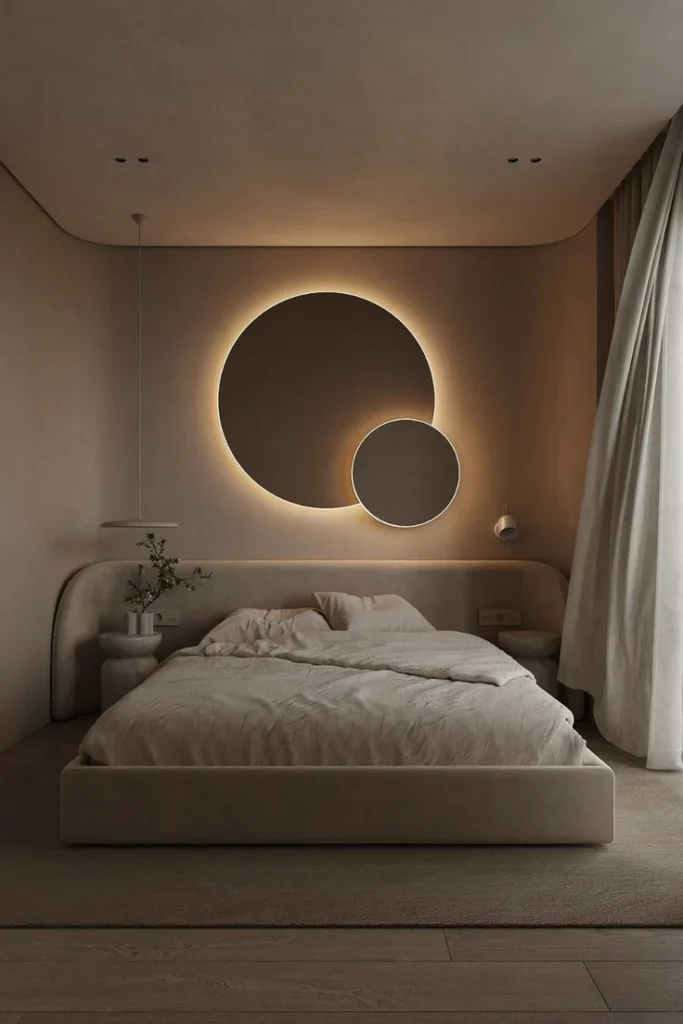
Light is a powerful psychological cue. Soft, warm illumination signals the brain to unwind, while harsh, bright light can stimulate alertness. By deliberately selecting the right intensity and color temperature, you can cue your body to transition smoothly from the activities of the day to the calm of night. Studies show that exposure to dim, amber‑hued light in the evening supports melatonin production, promoting deeper sleep.
How Light Affects Mood in the Bedroom
When you think of peaceful bedroom lighting design, consider these three mood‑shaping factors:
- Intensity: Dimmer lighting creates intimacy and reduces visual clutter.
- Color temperature: Warm tones (2700‑3000K) evoke coziness, whereas cooler tones (4000‑5000K) feel more clinical.
- Direction: Soft uplighting can make ceilings feel higher, while downlighting adds a grounded, comforting feel.
Integrating these elements helps your bedroom become a place where you naturally unwind, making it easier to fall asleep and stay rested.
Key Light Sources for a Serene Atmosphere
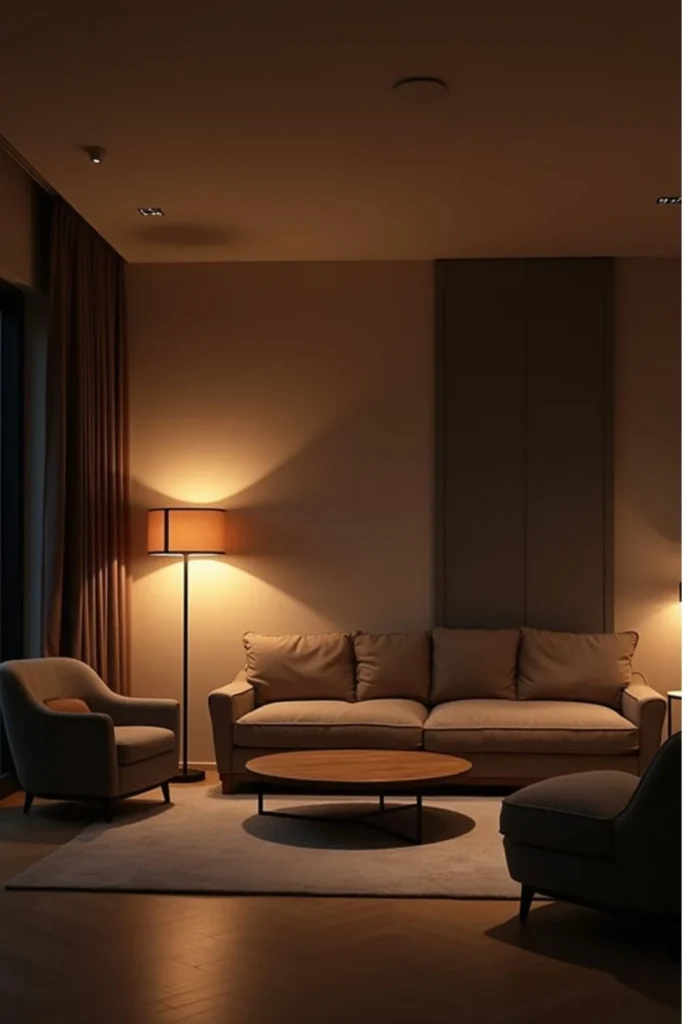
Successful peaceful bedroom lighting design relies on layering different light sources to cover various activities without overwhelming the senses. The three primary layers are ambient, task, and accent lighting. Ambient light provides overall illumination, task lighting focuses on functional areas like reading corners, and accent lighting adds visual interest through artwork or architectural features.
Layered Lighting: Ambient, Task, Accent
Here’s how to balance each layer effectively:
- Ambient: Choose a dimmable ceiling fixture or a series of recessed lights with warm LED bulbs. Aim for a gentle glow that fills the room without glare.
- Task: Add bedside lamps or wall-mounted sconces with adjustable arms, allowing you to direct light exactly where you need it for reading or dressing.
- Accent: Use LED strips behind headboards or a subtle spotlight on a favorite piece of art to create depth and visual intrigue.
By thoughtfully combining these sources, you can shift the mood of the room with a simple pull of a dimmer switch.
Choosing the Right Fixtures and Bulbs for Peaceful Bedroom Lighting Design
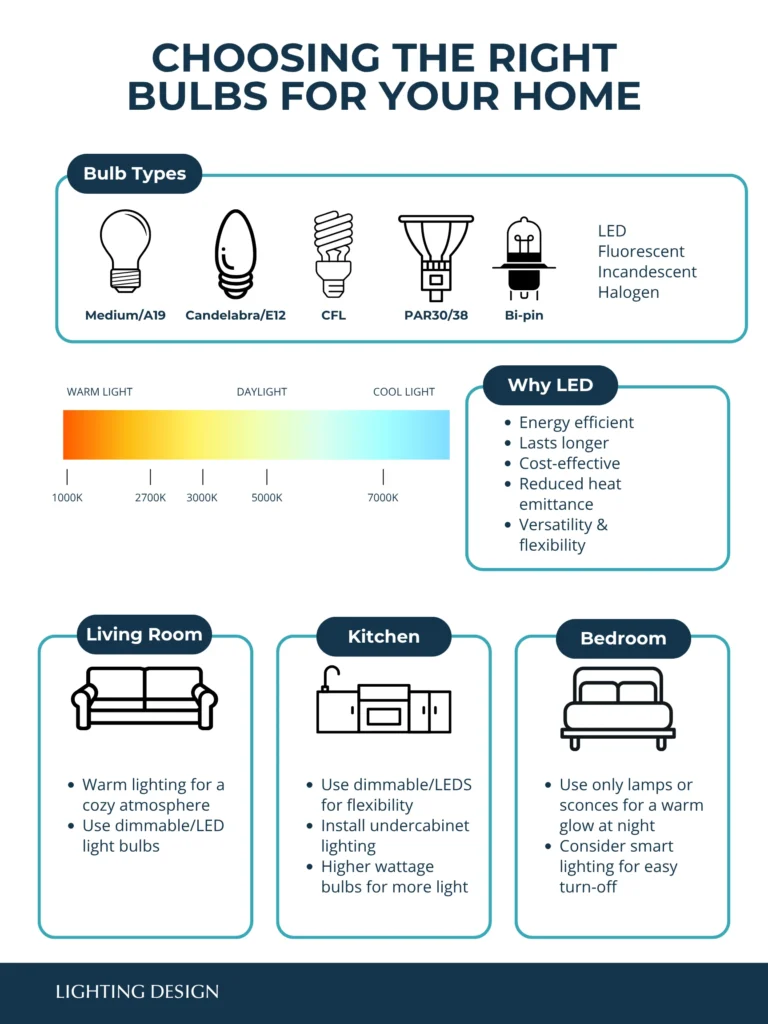
The fixtures you select should complement both your style and the functional goals of the space. Sleek, minimalistic designs work well in modern bedrooms, while vintage-inspired fixtures add character to more traditional settings. Equally important is the bulb you pair with each fixture. Look for LEDs labeled “soft white” or “warm white” to maintain a calming atmosphere.
Warm vs Cool Color Temperatures for Peaceful Bedroom Lighting Design
Warm light (around 2700K) mimics the glow of sunset, encouraging relaxation. Cool light (above 4000K) is better suited for morning routines when you need alertness. For a consistently tranquil environment, stick primarily to warm bulbs and reserve cooler tones for task areas that require focus, such as a vanity or study nook within the bedroom.
Consider using smart bulbs that let you adjust color temperature throughout the day, aligning your lighting with your circadian rhythm. This flexibility enhances both comfort and energy efficiency.
Smart Controls and Dimmers for Customizable Calm
Technology offers a convenient way to fine‑tune peaceful bedroom lighting design without constantly reaching for a switch. Dimmers allow you to lower light levels as bedtime approaches, while smart plugs and voice‑activated assistants let you set schedules or change scenes with a simple command.
Integrating Voice‑Activated Systems
Devices such as Amazon Alexa or Google Home can control multiple lighting zones with a single phrase. Imagine saying “Good night” and having the overhead lights dim, bedside lamps fade to a soft glow, and a subtle nightlight turn on. This seamless transition helps cue your brain that it’s time to wind down.
For those on a budget, a simple Bluetooth dimmer module paired with a smartphone app can provide similar control without extensive installation.
Designing Around Architecture and Furniture
Every bedroom has unique architectural features—exposed beams, high windows, or a built‑in wardrobe. Incorporating these elements into your lighting plan enhances the room’s harmony. For instance, placing uplights near a textured wall can accentuate its character without adding clutter.
Balancing Light with Window Treatments
Window coverings play a pivotal role in managing natural light. Sheer curtains filter daylight softly, while blackout shades ensure darkness for uninterrupted sleep. Pairing these with layered artificial lighting lets you maintain a soothing ambiance regardless of the time of day.
For additional inspiration on how natural elements can elevate a room, explore our guide on simple modern home décor with plants, which discusses how greenery can complement gentle lighting.
Budget-Friendly Ideas to Achieve Peaceful Bedroom Lighting Design
Creating a calming bedroom doesn’t have to break the bank. Many affordable solutions deliver high impact:
- Swap out harsh incandescent bulbs for inexpensive warm‑white LEDs.
- Use decorative string lights behind the headboard for a soft, diffused glow.
- Repurpose vintage glass jars as bedside sconces—just add a low‑watt LED candle.
- Install adhesive LED strips along crown molding for indirect illumination.
These cost‑effective tweaks can be combined with more permanent fixtures as your budget allows. For a comprehensive list of low‑cost transformations, check out our budget bedroom makeover ideas article.
Quick Tips for Peaceful Bedroom Lighting Design
- Start with a dimmable overhead light as your ambient base.
- Choose bedside lamps with adjustable arms for targeted task lighting.
- Incorporate at least one warm‑tone accent light to add depth.
- Use smart dimmers to gradually lower brightness 30 minutes before sleep.
- Layer natural light with sheer curtains to maintain a gentle daytime glow.
Common Mistakes and How to Avoid Them
Even seasoned decorators can stumble when crafting a tranquil bedroom. Here are frequent pitfalls and corrective measures:
- Over‑lighting: Too many bright fixtures can create visual noise. Consolidate to a few well‑placed sources and rely on dimmers.
- Ignoring color temperature: Mixing cool and warm lights leads to a disjointed feel. Stick to a warm palette for most fixtures.
- Neglecting task zones: Without focused light for reading or dressing, you may end up using harsh overhead light. Add dedicated task lamps.
- Choosing the wrong bulb type: Low‑quality LEDs can flicker, causing eye strain. Invest in reputable brands with a high CRI (Color Rendering Index).
Frequently Asked Questions
What is the ideal color temperature for a calming bedroom?
Warm white LEDs around 2700‑3000K are best for creating a soothing, sleep‑friendly environment. Cooler temperatures are better suited for specific task areas.
Can I use smart lighting in a rented apartment?
Yes. Many smart bulbs and plug‑in dimmers require no permanent wiring and can be removed when you move out, making them renter‑friendly.
How many layers of lighting should I have?
A balanced approach includes three layers: ambient (overall), task (reading, dressing), and accent (art, architectural features). This ensures functionality without sacrificing serenity.
Do I need a separate switch for each light source?
Not necessarily. Dimmers and smart hubs allow you to control multiple fixtures from a single interface, simplifying operation and enhancing the peaceful vibe.
Is it okay to mix pendant lights with recessed lighting?
Absolutely, as long as the pendant fixtures emit warm, diffused light and don’t dominate the visual field. Use them to highlight specific zones like a reading nook.
By answering these common queries, you can confidently plan a lighting scheme that supports both style and well‑being.
Implementing thoughtful peaceful bedroom lighting design transforms your sleeping space into a refuge from daily stress. Start with a solid lighting layer, introduce adjustable fixtures, and consider smart technology to fine‑tune the atmosphere each evening. As you experiment, you’ll discover the perfect balance that invites rest and rejuvenation.
Ready to explore more ideas? Dive into our article on modern interior design trends for broader inspiration, and don’t miss the guide on transforming your space with wall décor for creative accent lighting options.
Embrace the calm, experiment with layers, and let your bedroom become the peaceful haven you deserve.