

Table of Contents
- Embracing Sustainable Materials in Modern Interior Design Trends
- How Modern Interior Design Trends Promote Circular Design
- Biophilic Design: Bringing Nature Indoors
- Maximalist Color Palettes: Bold Hues with Purpose
- Smart Home Integration: Seamless Technology in Design
- Multi‑Functional Furniture for Small Spaces
- Texture‑Rich Layering: From Soft to Structured
- Open‑Plan Layouts with Defined Zones
- Curated Minimalism: Intentional Decluttering
- Artful Wall Treatments: Beyond Paint
- Incorporating Vintage Elements for Timeless Appeal
- Quick Home Décor Tips
- Common Mistakes to Avoid in Modern Interior Design
- Frequently Asked Questions
Modern Interior Design Trends Transforming Contemporary Living
In a world where homes double as workspaces, sanctuaries, and entertainment hubs, staying current with modern interior design trends is more than a stylistic choice—it’s a lifestyle decision. Whether you’re a first‑time homeowner, a seasoned renter, or simply love curating beautiful spaces, understanding these trends equips you with the tools to create environments that feel fresh, functional, and personally resonant. This article unpacks the most influential trends of the moment, explains why they matter, and offers actionable ideas you can adapt to any room.
From the resurgence of natural textures to the integration of smart technology, the design landscape is evolving faster than ever. By the end of this guide, you’ll be able to recognize the key elements shaping modern interiors and confidently incorporate them into your own décor, whether you’re redesigning a compact apartment or refreshing a sprawling family home.
Embracing Sustainable Materials in Modern Interior Design Trends
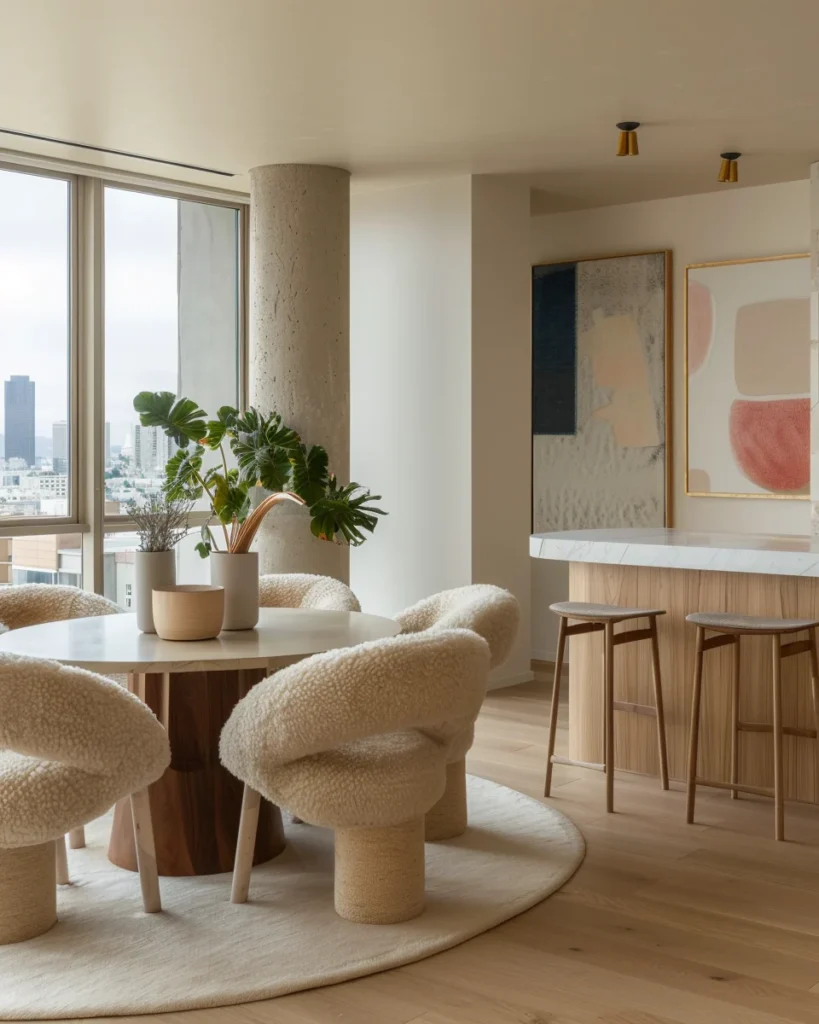
Sustainability has moved from niche to necessity, and it now sits at the heart of modern interior design trends. Eco‑friendly materials such as reclaimed wood, recycled metal, and low‑VOC paints not only reduce environmental impact but also add authentic texture and depth to a space. Designers are favoring responsibly sourced bamboo flooring, which offers durability and a warm, organic feel that complements both minimalist and maximalist aesthetics.
When selecting sustainable pieces, consider the lifecycle of the product. Opt for furniture that can be easily refurbished, and choose fabrics made from natural fibers like linen, hemp, or Tencel. These choices create a healthier indoor environment while showcasing a commitment to responsible living—a core value of today’s modern interior design trends.
How Modern Interior Design Trends Promote Circular Design
Circular design is a cornerstone of sustainable interiors. It encourages the reuse, upcycling, or repurposing of existing items rather than discarding them. For example, a vintage dresser can be sanded, painted, and paired with new hardware to become a statement piece that aligns perfectly with modern interior design trends. This approach reduces waste, saves money, and adds a unique story to your home.
Biophilic Design: Bringing Nature Indoors
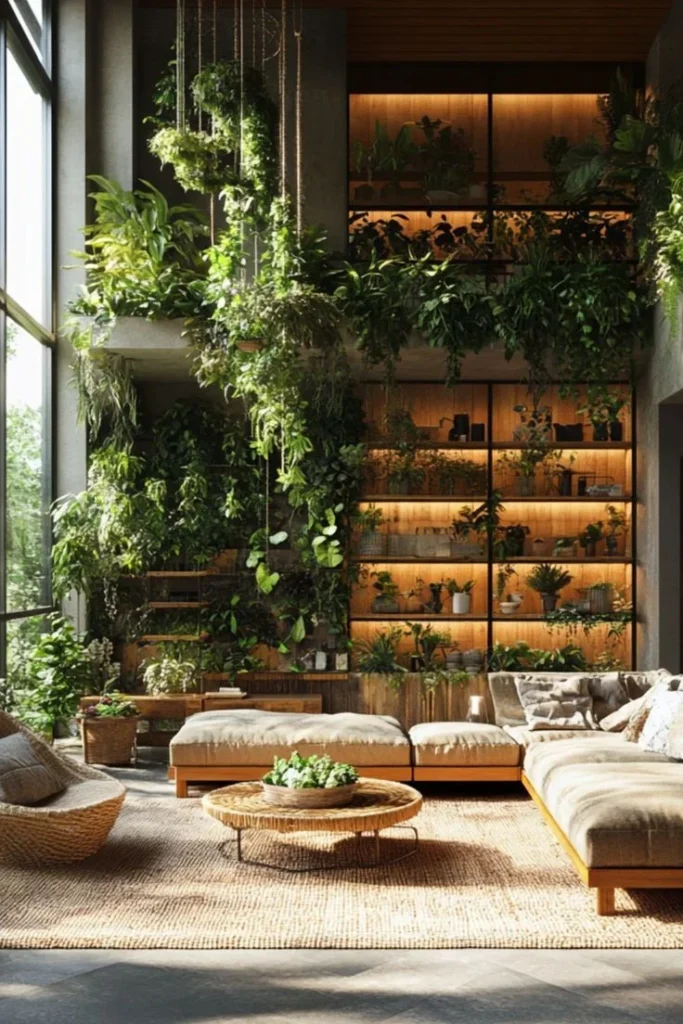
Biophilic design—integrating natural elements into built environments—continues to dominate modern interior design trends. Large, unobstructed windows, indoor plant walls, and natural stone accents blur the line between outdoors and indoors, fostering well‑being and reducing stress. Even in compact apartments, strategic placement of low‑maintenance plants like snake plants or pothos can create a fresh, vibrant atmosphere.
Beyond greenery, consider textures that mimic nature: woven rattan, cork flooring, and raw wood surfaces. These materials echo the organic palette of the outdoors, reinforcing the sense of connection to the natural world—a principle that modern interior design trends champion across all room types.
Maximalist Color Palettes: Bold Hues with Purpose

While neutral tones still dominate, modern interior design trends are increasingly embracing bold color statements. Deep emeralds, rich terracotta, and moody navy are being paired with softer neutrals to create balanced, dynamic environments. The key is to use vibrant colors as focal points—think an accent wall, a statement sofa, or a patterned rug—while keeping surrounding elements understated.
Layering color through accessories, textiles, and artwork allows you to experiment without overwhelming the space. For instance, a muted gray living room can be energized with emerald throw pillows, a terracotta ceramic vase, and a navy floor lamp, creating depth and visual interest that aligns with today’s modern interior design trends.
Smart Home Integration: Seamless Technology in Design
Technology is no longer an afterthought; it’s woven directly into the fabric of modern interior design trends. Smart lighting systems that adjust color temperature based on the time of day, voice‑controlled thermostats, and integrated speakers hidden within wall panels all contribute to a streamlined, user‑friendly environment.
When incorporating tech, prioritize discreet placement. Conceal wiring behind sleek baseboards, embed speakers in ceiling tiles, and select fixtures that blend with your décor. This subtle integration ensures that technology enhances functionality without compromising aesthetic harmony—a hallmark of modern interior design trends.
Multi‑Functional Furniture for Small Spaces
Urban living demands flexibility, and modern interior design trends answer with furniture that serves multiple purposes. Think sofa beds with built‑in storage, extendable dining tables, and nesting coffee tables that can be rearranged to suit various activities. These pieces maximize square footage while maintaining a cohesive look.
When choosing multi‑functional items, focus on clean lines and neutral finishes that can transition seamlessly between uses. A compact, low‑profile daybed in a bedroom‑office hybrid, for example, provides seating during the day and a comfortable sleeping area at night, embodying the efficiency prized by modern interior design trends.
Texture‑Rich Layering: From Soft to Structured
Layering textures adds depth and tactile interest, a subtle yet powerful aspect of modern interior design trends. Mix soft fabrics like velvet and boucle with structured materials such as metal, glass, and concrete. A plush wool rug paired with a sleek marble coffee table creates a balanced contrast that feels both luxurious and grounded.
Don’t forget the power of textiles. Throw blankets, patterned cushions, and draped curtains can introduce new textures without a major overhaul. By rotating these soft elements seasonally, you keep the space feeling fresh while staying aligned with evolving design trends.
Open‑Plan Layouts with Defined Zones
Open‑plan living remains a staple of modern interior design trends, but contemporary designers are moving beyond the “one‑room‑fits‑all” mentality. Instead, they create defined zones using rugs, lighting, and furniture placement. A large area rug can delineate a living area, while pendant lighting highlights a dining nook within the same open space.
This approach preserves the airy feel of an open floor plan while providing functional separation for different activities. It’s especially effective in smaller homes where a clear visual hierarchy helps maintain order and flow—core principles of modern interior design trends.
Curated Minimalism: Intentional Decluttering
Minimalism has evolved from stark emptiness to curated simplicity. Modern interior design trends encourage selective decluttering—keeping only items that serve a purpose or bring joy. This philosophy supports mental clarity and showcases each piece more effectively, whether it’s a handcrafted ceramic bowl or a sculptural lighting fixture.
Implement the “one‑in, one‑out” rule to maintain balance: for every new item introduced, remove an existing one. This practice not only keeps spaces tidy but also ensures that each addition is intentional, reinforcing the refined aesthetic championed by modern interior design trends.
Artful Wall Treatments: Beyond Paint
Walls are no longer just backgrounds; they’re canvases for expression. Modern interior design trends highlight textured wallpapers, 3‑D panels, and oversized artwork as focal points. A striking geometric wallpaper can become the centerpiece of a living room, while a series of monochrome prints adds subtle sophistication to a bedroom.
When selecting wall treatments, consider the room’s function. Bold patterns work well in social areas, whereas softer, muted designs suit restful spaces. Pairing these treatments with coordinated accessories ensures cohesion throughout the home.
Incorporating Vintage Elements for Timeless Appeal
Mixing vintage pieces with contemporary design is a hallmark of modern interior design trends. An antique brass floor lamp beside a sleek glass coffee table creates a dialogue between past and present, adding character without feeling dated.
Seek out quality vintage items—think mid‑century modern chairs, reclaimed metal side tables, or heirloom mirrors. These pieces bring unique stories and a sense of heritage, enriching the narrative of your interior while adhering to the balanced aesthetic promoted by modern interior design trends.
Quick Home Décor Tips
- Swap out cabinet handles for matte black or brushed brass to instantly update kitchen or bathroom hardware.
- Introduce a large indoor plant in a woven basket for a biophilic boost.
- Use a statement mirror to reflect light and create an illusion of space in smaller rooms.
- Replace traditional curtains with floor‑to‑ceiling sheers to enhance natural light.
- Integrate a smart plug to control lamps and chargers via voice commands.
Common Mistakes to Avoid in Modern Interior Design
Even seasoned decorators can stumble. One frequent error is over‑accessorizing—crowding a room with too many decorative items dilutes impact and clashes with the clean aesthetic of modern interior design trends. Instead, choose a few statement pieces and let them breathe.
Another pitfall is neglecting scale. Oversized furniture in a compact apartment creates visual congestion, while too‑small pieces can feel lost in larger spaces. Always measure your area and select items that complement the room’s proportions.
Finally, ignoring lighting leads to dull environments. Relying solely on overhead fixtures can cast harsh shadows. Layer lighting with floor lamps, table lamps, and accent lights to achieve a warm, inviting atmosphere that aligns with contemporary design standards.
Frequently Asked Questions
What are the key colors for modern interior design trends in 2024?
The palette blends earthy neutrals with saturated accents. Think warm greys, soft beiges paired with deep emerald, muted terracotta, and navy blues. These hues provide a balanced backdrop while allowing bold statements through furniture and accessories.
How can I make a small apartment feel more spacious?
Embrace open‑plan layouts with defined zones, use light‑reflecting surfaces like glass and polished metal, and incorporate multi‑functional furniture. Mirrors and strategic lighting also amplify perceived space, aligning with modern interior design trends.
Is biophilic design suitable for homes without much natural light?
Absolutely. Choose low‑light‑tolerant plants such as ZZ plants, snake plants, or pothos. Complement them with natural textures like rattan baskets or cork flooring to evoke nature even in dimmer settings.
How do I integrate technology without compromising aesthetics?
Select sleek, minimal devices that blend with your décor—smart speakers that resemble decorative objects, hidden wiring, and wall‑mounted control panels. Opt for neutral colors and clean lines to maintain a cohesive look.
Can I mix vintage and modern pieces effectively?
Yes, by balancing scale and color. Pair a vintage mid‑century chair with a contemporary sofa in a complementary hue. Ensure the overall palette remains harmonious, letting each piece shine without competing for attention.
Modern interior design trends are continually evolving, but the core principles—sustainability, functionality, and thoughtful aesthetics—remain steadfast. By embracing these ideas, you can transform any space into a harmonious, stylish haven that reflects both personal taste and contemporary sensibilities.
Ready to start your redesign journey? Explore our guide on kitchen décor with woven baskets for a timeless touch, learn how modern electrical installations can support smart homes, and discover the differences between CGI windows and PGT systems for the best natural lighting solutions.