

Table of Contents
- neutral kitchen styling ideas: Choosing the Perfect Base Color
- neutral kitchen styling ideas: How to Test Paint Samples Effectively
- Layering Texture for Visual Interest
- Lighting: The Unsung Hero of Neutral Kitchens
- Smart Storage Solutions that Blend Seamlessly
- Adding Color Pops Without Breaking Neutral Harmony
- Quick Neutral Kitchen Styling Tips
- Common Mistakes to Avoid in Neutral Kitchen Design
- Frequently Asked Questions
- Bringing It All Together: A Real‑World Example
- Conclusion
Neutral Kitchen Styling Ideas for a Timeless, Modern Home
When it comes to designing a kitchen that feels both contemporary and inviting, the neutral palette often proves to be the most forgiving and adaptable choice. A kitchen dressed in soft whites, warm beiges, or cool greys can serve as a quiet backdrop for everyday cooking while also providing a sophisticated stage for bold accessories and artful details.
Homeowners, renters, and design enthusiasts alike gravitate toward neutral kitchen styling ideas because they allow for easy updates, seamless coordination with other rooms, and a sense of spaciousness—even in smaller apartments. Whether you’re renovating a dated space or simply looking for a fresh coat of inspiration, the following guide offers practical, step‑by‑step ideas that blend style with functionality.
In the sections that follow, you’ll learn how to choose the right color foundation, incorporate texture without overwhelming the eye, and use lighting and accessories to add personality. Let’s dive into the world of understated elegance and discover how a neutral kitchen can become the heart of your home.
neutral kitchen styling ideas: Choosing the Perfect Base Color
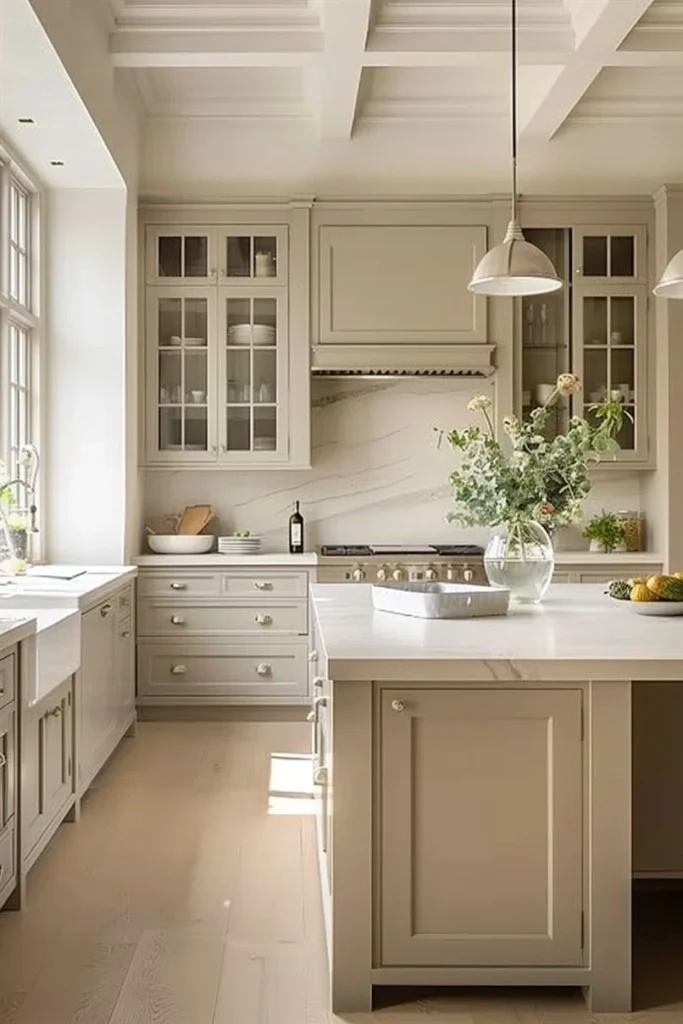
The first decision in any neutral kitchen design is the base color. This choice sets the tone for the entire space, influencing how natural light is reflected and how other elements will appear. Below are three classic approaches:
- Pure White: Brightens the room, maximizes light, and creates a clean canvas for colorful accessories.
- Soft Greys: Adds a subtle depth, works well with stainless steel appliances, and pairs nicely with both warm and cool accents.
- Warm Beige or Taupe: Introduces a cozy, earthy feel that harmonizes with wooden cabinetry and natural stone.
When selecting a shade, consider the amount of natural light your kitchen receives. Sun‑filled kitchens can handle cooler whites, while darker spaces benefit from warmer tones that reflect light more gently.
neutral kitchen styling ideas: How to Test Paint Samples Effectively
Before committing to a full wall, test paint swatches on three different sections of the kitchen—one near the window, one under the cabinets, and one on an interior wall. Observe the colors at various times of day to see how they interact with sunlight and artificial lighting. This simple step ensures the hue you love in the store translates well at home.
Layering Texture for Visual Interest

A purely flat, monochrome surface can feel sterile. Introducing texture adds depth without breaking the neutral harmony. Here are four texture‑focused strategies:
- Matte vs. Glossy Finishes: Pair matte cabinets with glossy quartz countertops for subtle contrast.
- Natural Materials: Use reclaimed wood shelves, woven baskets, or a stone backsplash to bring organic warmth.
- Textile Accents: Linen dish towels, cotton rug runners, and upholstered bar stools add softness.
- Metal Details: Brushed brass handles or matte black hardware inject a modern edge.
Mixing textures keeps the eye moving and prevents the space from feeling flat, all while preserving the serene vibe of neutral tones.
Lighting: The Unsung Hero of Neutral Kitchens
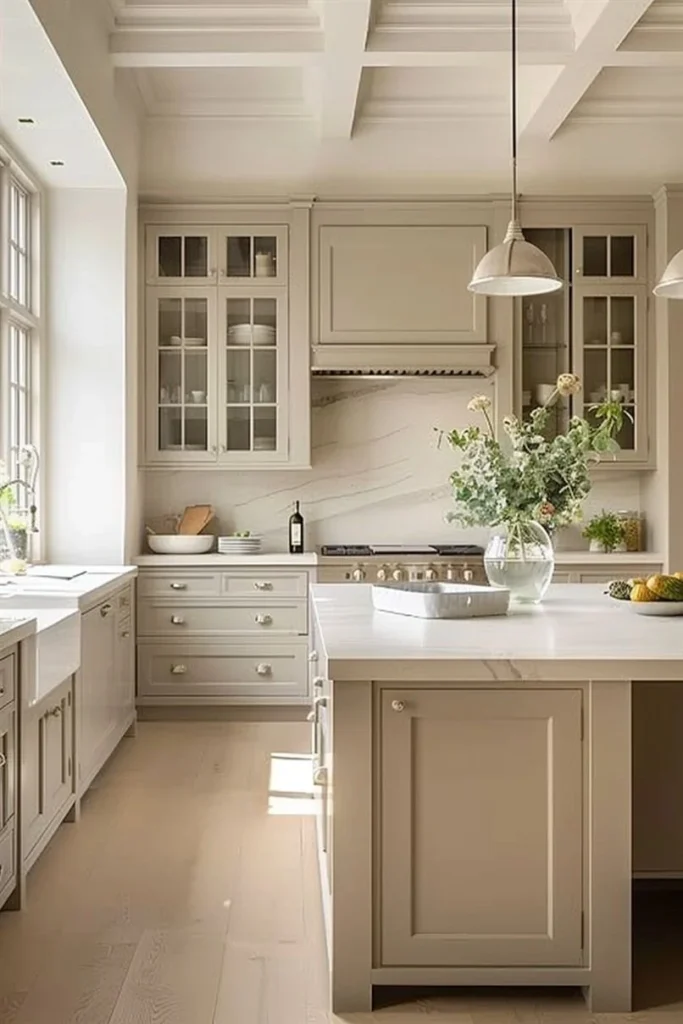
Lighting can either enhance or diminish the impact of neutral kitchen styling ideas. A layered lighting plan—ambient, task, and accent—ensures the space feels balanced and functional.
- Ambient Lighting: Recessed LED downlights or a central pendant provide even illumination.
- Task Lighting: Under‑cabinet LED strips eliminate shadows on countertops, essential for cooking.
- Accent Lighting: Small spotlights on open shelving or a backlit glass backsplash create visual focal points.
For a touch of drama, consider a statement pendant in a neutral hue—perhaps a frosted glass or woven rattan design—that adds personality without overwhelming the palette.
Smart Storage Solutions that Blend Seamlessly
Clutter is the enemy of a refined neutral kitchen. Smart storage not only keeps the space tidy but also integrates smoothly with the design aesthetic. Consider the following ideas:
- Pull‑out Pantry: A narrow, floor‑to‑ceiling pull‑out maximizes vertical space while staying hidden behind a neutral panel.
- Integrated Appliances: Panel‑front refrigerators and dishwashers keep the look uniform.
- Open Shelving with Uniform Backs: Use matching wooden or metal backs to maintain continuity.
- Hidden Drawers in Island: Store cookware or recycling bins out of sight, preserving a clean countertop.
These storage tricks ensure that the kitchen remains functional while preserving the sleek, uncluttered vibe that neutral styling champions.
Adding Color Pops Without Breaking Neutral Harmony
While the core of neutral kitchen styling ideas is restraint, a well‑placed splash of color can invigorate the space. Here are subtle ways to introduce hue:
- Backsplash Tiles: Choose soft pastel or muted terracotta tiles that complement the base color.
- Appliance Accents: A matte teal range hood or a pastel mixer can become a focal point.
- Decorative Items: Vases, fruit bowls, or patterned dishware in gentle shades add personality.
Because the surrounding palette is neutral, even modest color choices stand out without feeling chaotic.
Quick Neutral Kitchen Styling Tips
- Use the same shade of paint on walls and upper cabinets for a seamless look.
- Incorporate a natural wood cutting board as both a functional tool and a decorative element.
- Swap out hardware annually; a simple change in finish can refresh the entire room.
- Install a simple floating shelf for herb pots; greenery adds life while staying low‑key.
- Choose a single statement light fixture to serve as an art piece.
Common Mistakes to Avoid in Neutral Kitchen Design
Even well‑intentioned designers can stumble. Here are pitfalls to watch for:
- Over‑matching: Using the exact same shade on walls, cabinets, and floors can make the space feel flat. Introduce subtle variation.
- Neglecting Scale: Large, heavy hardware on a delicate cabinet can look out of proportion.
- Insufficient Lighting: Neutral colors reflect light; without adequate illumination, the kitchen can appear dim.
- Skipping Textural Balance: Relying solely on smooth surfaces leads to a sterile feel.
A mindful approach that balances consistency with contrast prevents these issues.
Frequently Asked Questions
Can I use neutral colors in a small kitchen without making it feel cramped?
Yes. Light neutrals such as off‑white or pale gray reflect natural light, creating an illusion of space. Pair them with reflective surfaces like glass tiles or glossy countertops to enhance the effect.
How do I choose the right countertop material for a neutral kitchen?
Consider quartz or marble in light hues for durability and a subtle pattern. If you prefer warmth, a honed limestone countertop adds a soft, earthy vibe that complements beige tones.
Is it okay to mix wood tones in a neutral kitchen?
Mixing wood tones works when the colors share a common undertone—either warm or cool. For example, a light oak island pairs well with walnut cabinets if both have warm undertones.
What’s the best way to keep a neutral kitchen looking fresh over time?
Rotate accessories seasonally, update hardware annually, and add occasional art or textile pieces. Because the base palette stays neutral, small changes make a noticeable impact.
Should I opt for built‑in or freestanding appliances in a neutral kitchen?
Built‑in appliances with panel fronts maintain a cohesive look, especially when the panels match the cabinetry. Freestanding appliances can work if they share the same color family or finish.
Bringing It All Together: A Real‑World Example
Imagine a mid‑size kitchen featuring soft greys on the walls and matte white cabinets. A quartz countertop with faint veining adds subtle interest, while brushed brass handles provide a warm metallic accent. Open shelving made from reclaimed pine displays neatly arranged pottery in muted blues, creating a gentle color pop.
Under‑cabinet LEDs illuminate the workspace, and a large, woven pendant hangs over the island, adding texture without breaking the neutral scheme. A few green potted herbs on the windowsill bring life, and the space feels both airy and grounded. This example demonstrates how neutral kitchen styling ideas can be layered thoughtfully to produce a space that feels both timeless and personalized.
For more inspiration on integrating neutral tones into compact living areas, check out our guide on stylish small apartment décor ideas. If you’re interested in blending Mediterranean influences with neutral palettes, explore our Tuscan Mediterranean interior design article. And when selecting premium appliances, read our comparison of Bertazzoni vs Wolf to ensure the design matches your neutral vision.
Conclusion
Neutral kitchen styling ideas offer a versatile foundation that can evolve with your taste and lifestyle. By carefully selecting a base color, layering texture, planning thoughtful lighting, and incorporating smart storage, you create a space that feels both timeless and adaptable. Small pops of color, strategic accessories, and avoidance of common pitfalls keep the kitchen fresh and inviting for years to come. Embrace the calm confidence of a neutral palette, and let your kitchen become the understated star of your home.