
Table of Contents
- Understanding the Core Elements of Tuscan Mediterranean Interior Design
- Color Palette: Earthy Tones Meets Coastal Blues
- Materials and Textures: From Terracotta to Linen
- Tuscan Mediterranean Interior Design Materials Guide
- Furniture Choices: Classic Forms with Casual Comfort
- Lighting and Accessories: Creating Atmosphere
- Room‑by‑Room Applications
- Living Room
- Bedroom
- Kitchen
- Bathroom
- Outdoor Spaces
- Quick Home Décor Tips
- Common Mistakes to Avoid
- Frequently Asked Questions
Tuscan Mediterranean Interior Design – Timeless Elegance for Modern Homes
Imagine stepping into a space where the sun‑kissed cliffs of the Mediterranean meet the rolling hills of Tuscany. The result is a harmonious blend of rustic charm, coastal freshness, and understated luxury. This style appeals to homeowners who crave a relaxed atmosphere without sacrificing sophistication. By marrying earth‑toned materials with breezy blues and lush greens, tuscan mediterranean interior design creates rooms that feel both grounded and airy.
In this guide we’ll explore the essential elements that define the look, from color palettes and textures to furniture choices and lighting tricks. Whether you’re redecorating a single room or planning a full‑home makeover, you’ll find actionable ideas that translate the classic Tuscan‑Mediterranean vibe into a contemporary setting. Let’s dive in and discover how to bring this timeless elegance into your own living space.
Understanding the Core Elements of Tuscan Mediterranean Interior Design
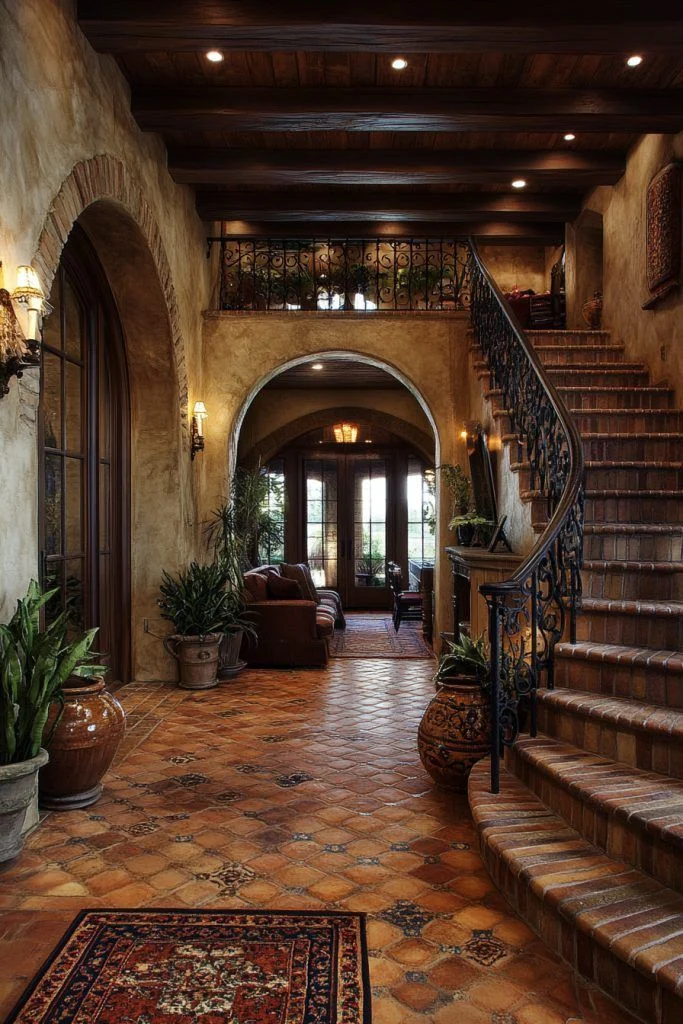
The foundation of tuscan mediterranean interior design rests on a balance between the earthy robustness of Tuscan architecture and the light, breezy feel of Mediterranean coastal homes. Key characteristics include:
- Warm, natural materials such as stone, terracotta, and reclaimed wood.
- Soft, muted color schemes anchored by ochre, terracotta, and olive, punctuated with ocean‑inspired blues and sea‑foam greens.
- Hand‑crafted details like wrought‑iron fixtures, hand‑painted tiles, and artisanal textiles.
- Open floor plans that encourage indoor‑outdoor flow, often highlighted by large windows or sliding glass doors.
When these elements work together, the space feels lived‑in, inviting, and effortlessly stylish. The style is flexible enough to accommodate modern furnishings while preserving a sense of heritage.
Color Palette: Earthy Tones Meets Coastal Blues

Color is the most immediate way to evoke the tuscan mediterranean interior design mood. Begin with a base of warm neutrals—think creamy ivory, soft sand, or light beige. Layer in richer, earthen hues like burnt orange, terra cotta, and deep ochre to add depth. Then introduce refreshing accents of Mediterranean blue, aqua, or sage green to mimic the sea and sky.
For a cohesive look, choose one dominant hue for each room and use the complementary colors sparingly as accent walls, cushions, or artwork. A popular approach is a terracotta wall paired with crisp white trim and a few navy‑blue throw pillows. This contrast creates visual interest without overwhelming the eye.
When selecting paint, consider matte finishes for large surfaces; they hide imperfections and add a soft, velvety feel that mirrors sun‑worn plaster. For a subtle shimmer, a low‑sheen finish on a feature wall can evoke the gentle glimmer of Mediterranean waters.
Materials and Textures: From Terracotta to Linen

Tuscan Mediterranean Interior Design Materials Guide
Materials play a pivotal role in reinforcing the rustic‑coastal narrative. Below is a quick reference for the most authentic choices:
- Flooring: Hand‑tumbled terracotta tiles, reclaimed oak planks, or natural stone mosaics.
- Wall Treatments: Stucco, limewash, or exposed brick for a weathered look.
- Fabrics: Linen, cotton, and natural wool in loose weaves; think of flowing curtains and plush throw blankets.
- Accessories: Wrought‑iron chandeliers, hand‑blown glass vases, and ceramic tiles with traditional Mediterranean patterns.
Mixing textures adds depth. Pair a rough stone fireplace with a smooth, buttery‑soft linen sofa. The contrast invites touch and creates a layered, lived‑in feel.
For those seeking sustainable options, reclaimed wood beams and recycled terracotta tiles provide authenticity while reducing environmental impact. This aligns with modern interior design tips that favor eco‑friendly sourcing.
Furniture Choices: Classic Forms with Casual Comfort
Furniture in tuscan mediterranean interior design should feel both timeless and approachable. Opt for pieces with simple, clean lines that reference classic Italian craftsmanship. Low‑profile sofas upholstered in natural fabrics, sturdy wooden dining tables, and upholstered armchairs with subtle tufting are staples.
When selecting a dining set, consider a solid oak table paired with wrought‑iron chairs—this combination mirrors the rustic dining rooms of Tuscan villas while remaining suitable for contemporary kitchens. For a splash of elegance, add a handcrafted marble sideboard or a carved wooden console.
To keep the look fresh, incorporate a few modern accents. A sleek, minimalist coffee table in brushed steel can coexist with a traditional wooden credenza, as long as the overall palette remains cohesive. This blend of old and new is a hallmark of the style.
Lighting and Accessories: Creating Atmosphere
Lighting is essential for capturing the warm glow of a Tuscan sunset and the airy feel of a Mediterranean breeze. Use a layered approach:
- Ambient lighting: Large, dimmable chandeliers in wrought iron or brushed bronze provide soft, overall illumination.
- Task lighting: Table lamps with ceramic bases or glass shades, ideal for reading nooks or kitchen islands.
- Accent lighting: Wall sconces that highlight stone textures or decorative tiles.
For decorative accessories, think of natural elements—seashell collections, dried lavender bundles, and olive‑wood bowls. These small touches reinforce the coastal‑rural narrative without cluttering the space.
Explore our guide on warm table lamps for ideas on selecting fixtures that complement the Tuscan‑Mediterranean vibe.
Room‑by‑Room Applications
Applying the style to each area of the home ensures a seamless flow. Below are practical suggestions for the most common rooms.
Living Room
Start with a neutral base—cream walls, terracotta floor tiles, and a large, plush linen sofa. Add a reclaimed‑wood coffee table and a set of low, wrought‑iron side tables. A statement wall of hand‑painted Mediterranean tiles can serve as a focal point. Finish with a collection of warm table lamps and a few potted olive trees.
Bedroom
Choose a muted, soothing palette of soft ivory and sage green. A wooden four‑poster bed with a wrought‑iron headboard evokes Tuscan romance. Layer the bed with linen duvet covers, a chunky knit throw, and a handful of decorative pillows—perhaps crafted from DIY fabric pillow covers. Nightstands in aged oak and a pair of vintage ceramic lamps complete the look.
Kitchen
Incorporate open shelving with rustic wooden planks to display handcrafted pottery. A large marble countertop paired with a farmhouse sink creates a classic Mediterranean kitchen. For appliances, consider sleek designs that don’t clash with the overall aesthetic. Our comparison of premium ranges in Bertazzoni vs Wolf can help you choose pieces that blend performance with style.
Bathroom
Terracotta floor tiles, whitewashed walls, and a freestanding stone bathtub instantly evoke the Tuscan‑Mediterranean feeling. Add hand‑blown glass soap dispensers and woven bamboo baskets for storage. For a playful touch, explore bath noodles as a quirky yet functional accessory.
Outdoor Spaces
Extend the interior vibe onto patios or balconies with wrought‑iron chairs, a reclaimed‑wood dining table, and plenty of potted herbs. A pergola draped with flowing linen curtains offers shade while maintaining the airy ambiance.
Quick Home Décor Tips
- Layer textures: combine smooth stone, rough wood, and soft textiles in each room.
- Use natural light: maximize window size and avoid heavy drapery to keep spaces bright.
- Incorporate greenery: olive trees, lavender, and citrus plants add authenticity.
- Mix vintage with modern: a contemporary sofa can sit beautifully alongside an antique wooden chest.
- Keep accessories purposeful: choose items that reflect the Tuscan‑Mediterranean story, such as ceramic plates or woven baskets.
Common Mistakes to Avoid
Even with the best intentions, it’s easy to misinterpret the style. Here are pitfalls to watch for:
- Over‑saturation of color: Too many bold blues or reds can overwhelm the calming essence. Stick to a primary palette and use accent colors sparingly.
- Mixing incompatible patterns: Pair a single patterned tile with solid‑color textiles; avoid clashing intricate designs.
- Neglecting scale: Oversized furniture can dominate a space meant to feel intimate. Choose pieces proportionate to the room’s dimensions.
- Ignoring lighting: Poor lighting can make warm colors feel dull. Use layered lighting to highlight textures and create a warm glow.
- Skipping sustainable materials: Modern interior design tips stress eco‑friendly sourcing; reclaimed wood and natural stone are both authentic and responsible.
Frequently Asked Questions
Can I blend tuscan mediterranean interior design with a modern minimalist approach?
Yes. Use the classic color palette and natural materials, but keep furniture lines sleek and uncluttered. The contrast between rustic textures and clean silhouettes creates a fresh, balanced look.
What flooring works best for a small apartment adopting this style?
Light‑colored reclaimed‑wood planks or large‑format terracotta tiles keep the space feeling airy while providing the warm, earthy foundation typical of Tuscan‑Mediterranean interiors.
How do I bring the outdoors inside without overdoing it?
Introduce a few carefully placed plants, such as olive saplings or lavender, and use natural fabrics for curtains and cushions. Large windows or glass doors further blur the indoor‑outdoor line.
Is it necessary to use authentic Italian furniture?
Authentic pieces add heritage, but high‑quality reproductions that mimic traditional Italian craftsmanship work equally well. Focus on material quality and design details rather than origin alone.
What lighting fixtures best capture the Tuscan‑Mediterranean feel?
Wrought‑iron chandeliers, brushed bronze sconces, and ceramic pendant lights echo the rustic yet refined character of the style. Dimmable bulbs allow you to adjust the ambiance throughout the day.
Can I incorporate technology without breaking the aesthetic?
Yes. Hide smart devices within classic cabinetry or choose devices with minimalist designs. For example, a discreet sound system integrated into a wooden console preserves the visual integrity of the space.
By answering these common questions, you’ll feel more confident in executing a cohesive tuscan mediterranean interior design throughout your home.
Embracing the Tuscan‑Mediterranean aesthetic means celebrating the harmony of earth and sea, tradition and modernity. With thoughtful color choices, authentic materials, and purposeful accessories, you can transform any room into a warm, inviting sanctuary. Start small—perhaps a living‑room accent wall or a set of linen curtains—and let the style evolve organically. As you experiment, you’ll discover how this timeless design language can adapt to your personal taste while still honoring its historic roots.
Ready to bring this look to life? Dive into our other guides for additional inspiration on small living spaces, modern lighting, and DIY décor projects. The journey to a beautifully styled home begins with a single, well‑chosen detail.