
Table of Contents
- Bertazzoni vs Wolf: Design Philosophy and Aesthetic Appeal
- How Bertazzoni vs Wolf Influence Overall Kitchen Styling
- Performance and Cooking Technology in the Bertazzoni vs Wolf Comparison
- Installation, Space Requirements, and Fit for Different Home Layouts
- Price Point, Warranty, and Long‑Term Value
- Energy Efficiency and Environmental Considerations
- Brand Reputation, Customer Support, and Community Resources
- Quick Home Décor Tips for Integrating Your Choice Seamlessly
- Common Mistakes to Avoid When Choosing Between Bertazzoni and Wolf
- Frequently Asked Questions
- Which brand offers better convection baking, Bertazzoni or Wolf?
- Can I install a Wolf range in a small apartment?
- Do both brands support smart‑home integration?
- How do the warranties compare?
- Is one brand more energy‑efficient than the other?
- Which brand retains resale value better?
When it comes to high‑end cooking ranges, ovens, and hoods, two names dominate the conversation: Bertazzoni and Wolf. Both brands promise professional‑grade performance, sleek aesthetics, and a heritage of culinary excellence. For homeowners who view the kitchen as the heart of the home, choosing between these two can feel like deciding between two works of art. This article breaks down the most important factors—design language, technology, price, and how each integrates with modern interior trends—so you can make an informed decision that matches your cooking style and décor vision.
We’ll explore the subtle nuances that differentiate Bertazzoni from Wolf, offering practical insights for everything from compact city apartments to sprawling suburban kitchens. By the end, you’ll understand not only which brand aligns with your functional needs but also how each can elevate the overall look of your space.
Bertazzoni vs Wolf: Design Philosophy and Aesthetic Appeal
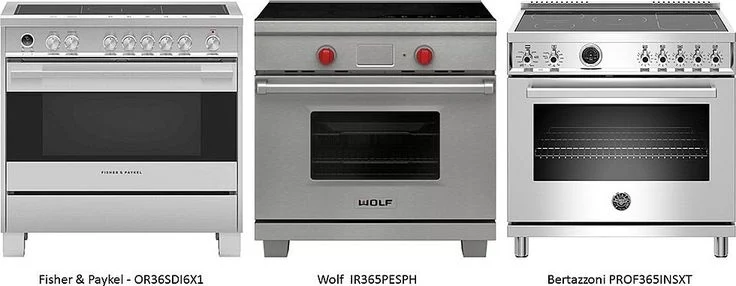
Design is the first battlefield in the bertazzoni vs wolf debate. Bertazzoni, an Italian family‑owned company founded in 1884, leans heavily on classic European styling. Their appliances often feature polished stainless steel, crisp lines, and a subtle nod to vintage culinary tools. The result is a timeless look that works well in both modern minimalist kitchens and traditional farmhouse settings.
Wolf, on the other hand, is an American brand under the Sub-Zero umbrella, celebrated for its bold, industrial aesthetic. Wolf ranges typically showcase a robust stainless‑steel body, a pronounced control panel, and a matte black or brushed metal finish that commands attention. This design language pairs beautifully with contemporary lofts, industrial‑style interiors, and high‑contrast colour palettes.
For designers, the key is to consider the surrounding décor. If you love the warm glow of copper accents, brushed brass handles, and a slightly retro vibe, Bertazzoni may blend more seamlessly. If your kitchen leans toward stark whites, concrete countertops, and a monochrome scheme, Wolf’s assertive presence can become the focal point.
How Bertazzoni vs Wolf Influence Overall Kitchen Styling
- Material choices: Bertazzoni emphasises polished surfaces that reflect light, making smaller kitchens feel larger.
- Control layout: Wolf’s knobs and digital displays are larger and more tactile, ideal for chefs who appreciate a hands‑on experience.
- Colour options: While Bertazzoni offers a range of muted tones, Wolf often provides custom panels that match cabinetry for a truly built‑in look.
Performance and Cooking Technology in the Bertazzoni vs Wolf Comparison
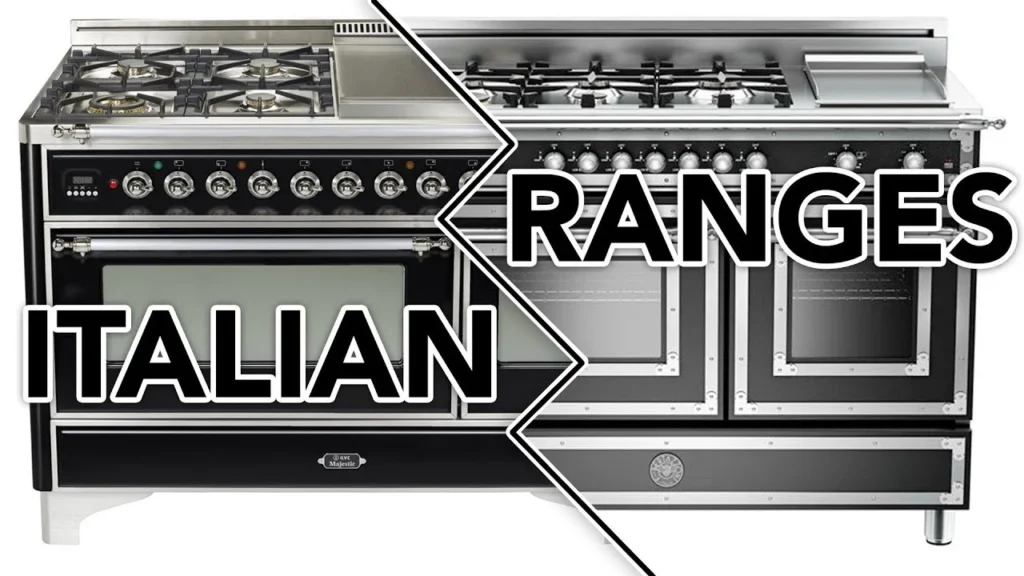
Beyond looks, performance drives most purchase decisions. Both brands deliver professional‑grade heat distribution, but they achieve it differently. Bertazzoni’s Italian heritage shines through with its dual‑fuel models that combine gas burners with electric ovens, offering the flexibility to sear with flame and bake with precise electric temperature control. Their convection ovens use a patented “dual‑fan” system that circulates air evenly, reducing hot spots.
Wolf, meanwhile, is famous for its proprietary “Dual‑Stacked” burners that deliver high‑intensity flames for rapid boiling and simmering alike. Wolf ovens often incorporate “Dual Convection” technology, featuring two independent fans that can be set to different temperatures—a feature prized by serious bakers and chefs who need precise multi‑zone cooking.
When comparing bertazzoni vs wolf on a performance level, consider your cooking habits. If you frequently switch between grilling, baking, and roasting, Bertazzoni’s versatile fuel options may be advantageous. If you demand ultra‑precise temperature control for delicate pastries or sous‑vide, Wolf’s advanced convection systems give you that edge.
Installation, Space Requirements, and Fit for Different Home Layouts
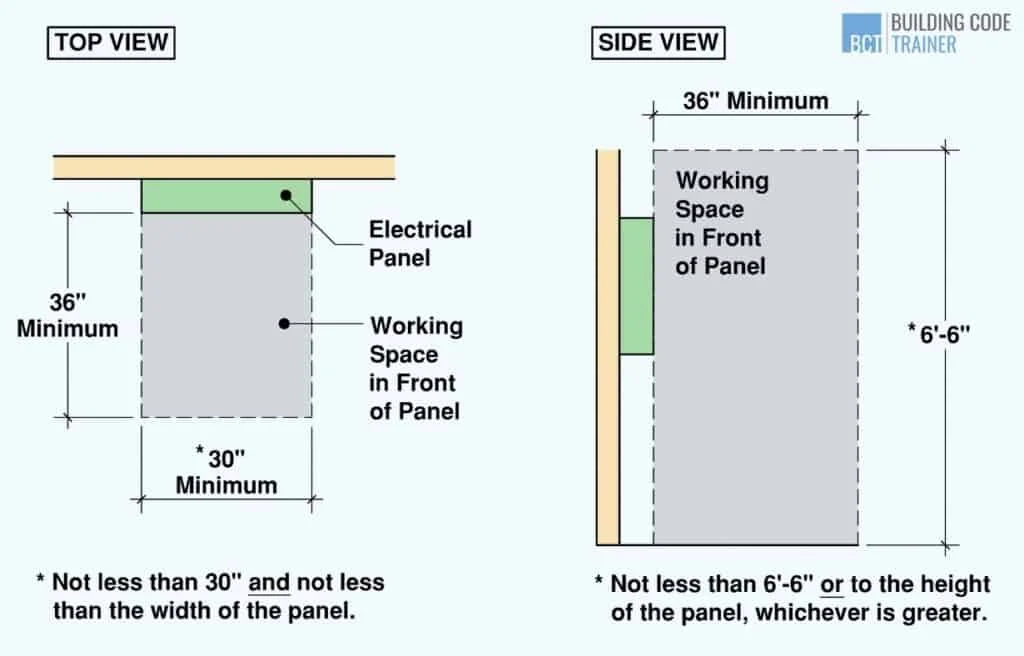
Installation is often overlooked, yet it can be a make‑or‑break factor. Bertazzoni appliances tend to have slimmer profiles, making them suitable for tight spaces or retrofit projects where wall clearance is limited. Their modular design allows for easier integration with existing cabinetry, which can be a budget‑friendly advantage for renovations.
Wolf units are typically bulkier, reflecting the brand’s emphasis on durability and heavy‑duty components. This means you’ll need more clearance around the appliance for ventilation, especially for the high‑output ranges. However, Wolf also offers built‑in and freestanding models that can be custom‑finished to match any cabinet surface, giving a seamless appearance in open‑concept layouts.
For small apartments or condo kitchens, Bertazzoni’s compact dimensions often win the bertazzoni vs wolf contest. In larger homes where space is abundant and the kitchen serves as an entertainment hub, Wolf’s commanding presence can become a statement piece that anchors the design.
Price Point, Warranty, and Long‑Term Value
Price is a decisive factor in any high‑end appliance purchase. Bertazzoni ranges typically sit in the $4,000‑$8,000 bracket for standard models, while premium configurations can edge past $10,000. Wolf’s pricing starts higher, often ranging from $7,000 to $15,000 for comparable models, reflecting its reputation for robust construction and advanced technology.
Both brands back their products with solid warranties—Bertazzoni usually offers a 2‑year parts and labor guarantee, while Wolf provides a 5‑year limited warranty on many components. The longer warranty from Wolf can translate into lower long‑term maintenance costs, especially for heavy‑use households.
When weighing bertazzoni vs wolf from a financial perspective, ask yourself how long you plan to stay in the home, your cooking frequency, and whether the aesthetic upgrade justifies the upfront cost. For many, the combination of design, performance, and warranty makes Wolf a worthwhile investment; for those who value Italian craftsmanship at a slightly lower entry price, Bertazzoni is equally compelling.
Energy Efficiency and Environmental Considerations
Eco‑conscious consumers are increasingly scrutinising energy consumption. Bertazzoni’s dual‑fuel models allow users to select gas for high‑heat tasks (which is often more energy‑efficient) and electric for low‑heat baking, giving you flexibility to optimise energy use. Their ovens meet ENERGY STAR standards in most markets.
Wolf appliances incorporate advanced insulation and low‑temperature ignition systems that reduce standby power draw. Some Wolf models feature “Eco‑Mode” settings that automatically adjust fan speed and heating cycles to minimise energy waste without compromising performance.
If sustainability is a priority, both brands provide credible options, but the choice may hinge on your local utility rates and whether you prefer gas or electric as your primary cooking source. The bertazzoni vs wolf decision can therefore be guided by the type of energy you have ready access to and your long‑term sustainability goals.
Brand Reputation, Customer Support, and Community Resources
Reputation matters, especially when you’re investing in a premium appliance that will serve your household for years. Bertazzoni has a strong following among European‑style kitchen enthusiasts and is praised for its attentive customer service in North America and Europe. Their website hosts a library of recipe videos that showcase the brand’s culinary heritage.
Wolf, backed by Sub‑Zero, benefits from an extensive dealer network, offering in‑home consultations, installation services, and dedicated service technicians. Their online community includes forums where professional chefs and home cooks exchange tips, which can be a valuable resource for new owners.
In the bertazzoni vs wolf arena, both brands deliver reliable support, but Wolf’s larger dealer footprint may provide quicker response times in regions where Sub‑Zero has a strong presence.
Quick Home Décor Tips for Integrating Your Choice Seamlessly
- Match countertop materials to the appliance’s finish: a polished marble surface complements Bertazzoni’s sleek look, while a concrete slab enhances Wolf’s industrial vibe.
- Use back‑splash tiles that echo the colour palette of the range—soft greys for Bertazzoni, deep charcoal or matte black for Wolf.
- Incorporate pendant lighting that highlights the appliance’s control panel, creating a visual anchor in the kitchen.
For additional inspiration, see our guide on DIY décor with fabric pillow covers – Transform Your Space, which demonstrates how thoughtful accessories can tie together any design scheme.
Common Mistakes to Avoid When Choosing Between Bertazzoni and Wolf
- Ignoring kitchen layout: Selecting a Wolf range for a cramped kitchen can lead to ventilation issues and a cramped feel.
- Overlooking fuel compatibility: Installing a dual‑fuel Bertazzoni in a home without a gas line can add unnecessary conversion costs.
- Focusing solely on price: The cheapest model may lack the performance or durability you need, leading to higher long‑term expenses.
- Neglecting warranty details: Some Wolf accessories have separate warranty terms; read the fine print to avoid surprise repair costs.
Frequently Asked Questions
Which brand offers better convection baking, Bertazzoni or Wolf?
Wolf’s Dual Convection system is generally considered superior for precise, multi‑zone baking, making it a favorite among professional pastry chefs. Bertazzoni’s dual‑fan system still provides even heat distribution, but Wolf edges ahead in consistency for high‑level baking.
Can I install a Wolf range in a small apartment?
While Wolf offers compact models, the brand’s larger footprint and ventilation requirements mean that a small apartment may be better suited to a Bertazzoni range, which often comes in slimmer dimensions and offers more flexible installation options.
Do both brands support smart‑home integration?
Wolf appliances can be paired with Sub‑Zero’s SmartConnect system, allowing remote monitoring and control via a mobile app. Bertazzoni is beginning to introduce Wi‑Fi‑enabled models, but the ecosystem is not as extensive as Wolf’s at this time.
How do the warranties compare?
Bertazzoni typically provides a 2‑year parts and labor warranty, while Wolf offers up to 5‑years on many components. This longer coverage can translate into lower repair costs over the life of the appliance.
Is one brand more energy‑efficient than the other?
Both meet ENERGY STAR standards, but Bertazzoni’s dual‑fuel options can be more efficient if you use gas for high‑heat tasks. Wolf’s Eco‑Mode and advanced insulation also deliver strong energy savings, especially in electric‑only kitchens.
Which brand retains resale value better?
Both hold strong resale value due to their premium status. However, Wolf’s broader dealer network and longer warranty often give it a slight edge in the resale market.
Choosing between Bertazzoni and Wolf ultimately depends on your cooking habits, design preferences, and the specific constraints of your kitchen space. By weighing design aesthetics, performance features, installation requirements, and long‑term value, you can select the brand that not only meets your culinary ambitions but also enhances the overall look and feel of your home. Whether you gravitate toward the timeless Italian elegance of Bertazzoni or the bold, modern presence of Wolf, both options promise a cooking experience that can transform everyday meals into memorable moments.
Explore more ideas for styling your kitchen and beyond on The Homara—your source for modern home décor inspiration.