
Table of Contents
- lindsay windows vs pella: Material Quality and Construction
- Design Flexibility in lindsay windows vs pella
- Energy Efficiency and Performance Ratings
- Installation Process and Contractor Experience
- Pricing, Warranty, and Long‑Term Value
- Impact on Interior Design and Aesthetic Cohesion
- Quick Home Décor Tips for Window Integration
- Common Mistakes When Selecting Windows
- Frequently Asked Questions
[HOME DECOR IDEAS]: Home Decor Ideas
Choosing the right windows is a pivotal decision for any homeowner who values both aesthetics and performance. Windows not only frame your view but also influence lighting, energy consumption, and the overall feel of a room. With a market flooded by reputable manufacturers, two names often surface in discussions about quality and design: Lindsay and Pella. Understanding the nuances between these brands can help you create a cohesive look while ensuring durability and efficiency.
In this article, we’ll walk through the key factors that differentiate Lindsay windows from Pella, from material options and customization capabilities to warranty coverage and price points. Whether you’re remodeling a historic bedroom, updating a modern living room, or seeking energy‑saving solutions for a small apartment, this guide aims to provide the insights you need to make an informed choice.
By the end, you’ll have a clear picture of which brand aligns best with your style goals and practical requirements, allowing you to enhance your home’s interior without compromising on comfort or budget.
lindsay windows vs pella: Material Quality and Construction

Both Lindsay and Pella offer a range of frame materials, yet their construction philosophies differ. Lindsay primarily focuses on vinyl and fiberglass options, emphasizing low‑maintenance solutions that resist warping and fading. Their vinyl lines often incorporate reinforced frames, which improve structural integrity while keeping costs moderate.
Pella, on the other hand, provides a broader selection that includes wood, vinyl, fiberglass, and even composite materials. Their wood windows are prized for natural grain and the ability to be painted or stained, catering to homeowners who desire a classic, handcrafted look. For high‑performance needs, Pella’s fiberglass and composite series deliver superior insulation values, making them a popular choice in colder climates.
When comparing lindsay windows vs pella, consider the climate of your home and the level of upkeep you’re willing to perform. Vinyl from Lindsay offers a hassle‑free experience, while Pella’s wood and composite options may require periodic refinishing but reward you with timeless elegance.
Design Flexibility in lindsay windows vs pella
Design flexibility is another area where the two brands diverge. Lindsay’s catalog includes a solid range of standard styles—double‑hung, sliding, and picture windows—with limited custom options. However, they do provide a selection of grille patterns and color choices that can be coordinated across multiple rooms.
Pella shines in customization. Their Designer Series allows homeowners to mix and match hardware finishes, grille layouts, and even incorporate decorative glass inserts. This level of personalization makes it easier to match windows with specific interior design themes, such as the home styling inspiration ideas featured in our recent guide.
If you’re aiming for a cohesive aesthetic throughout a modern interior, the extensive options within lindsay windows vs pella may tip the scales toward Pella, especially for rooms where a unique visual statement is desired.
Energy Efficiency and Performance Ratings
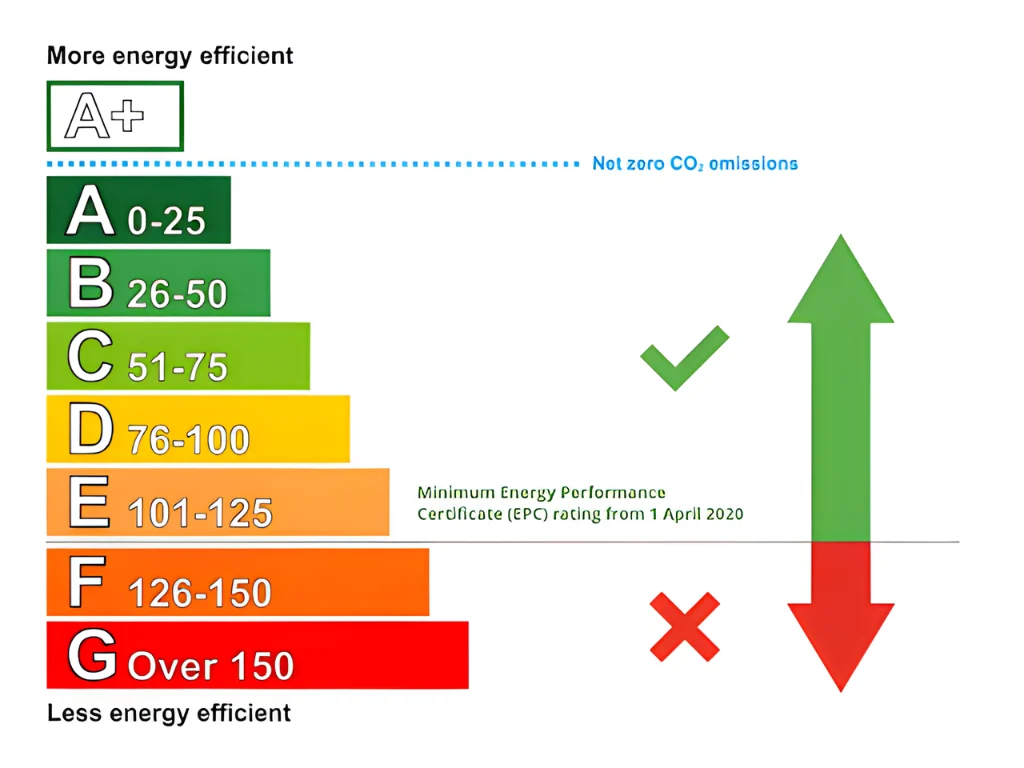
Energy performance has become a cornerstone of window selection, particularly as homeowners seek to lower utility bills and reduce environmental impact. Lindsay windows typically achieve respectable U‑factor and Solar Heat Gain Coefficient (SHGC) ratings, especially in their higher‑end fiberglass models. Their Low‑E glass options help reflect infrared heat while admitting visible light, a balanced solution for moderate climates.
Pella’s commitment to energy efficiency is evident in their ENERGY STAR® certified lines. The company’s Advanced Insulation (AI) glass technology, combined with multi‑chambered frames, delivers some of the lowest U‑factors on the market. For example, Pella’s 250 Series can achieve a U‑factor as low as 0.19, outperforming most standard vinyl windows.
When weighing lindsay windows vs pella, factor in your local climate and any incentives for energy‑saving upgrades. In colder regions, Pella’s high‑performance models may provide greater long‑term savings, while Lindsay’s offerings can be sufficient for milder zones where upfront cost is a priority.
Installation Process and Contractor Experience

Installation quality dramatically affects a window’s lifespan and performance. Lindsay works closely with a network of certified installers, emphasizing a streamlined process that minimizes disruption. Their installation kits include pre‑drilled holes and detailed instructions, which can be advantageous for DIY‑oriented homeowners.
Pella, with its longer industry presence, has a larger pool of seasoned contractors familiar with their proprietary systems. Their installers often perform additional steps such as flashing and sealing tailored to the specific window series, ensuring optimal water resistance and air tightness.
If you are planning a renovation yourself, the simplicity of lindsay windows vs pella might make Lindsay a more approachable choice. Conversely, for larger projects or historic homes where precision is crucial, Pella’s seasoned contractor base may provide added confidence.
Pricing, Warranty, and Long‑Term Value
Budget considerations are inevitable. Lindsay windows generally sit in the mid‑range price bracket, offering good value for standard residential projects. Their warranties typically cover material defects for 10‑15 years, with limited coverage on glass breakage.
Pella’s pricing varies widely due to the breadth of materials and customization options. While the initial investment may be higher, especially for wood or high‑performance fiberglass models, Pella backs its products with comprehensive warranties—often up to 25 years on frames and glass. This extended coverage can translate into lower long‑term maintenance costs.
Assessing lindsay windows vs pella therefore involves balancing immediate affordability against potential future expenses. For a homeowner focused on a quick, cost‑effective upgrade, Lindsay may be the pragmatic route. For those seeking lasting durability and willing to invest upfront, Pella’s extensive warranty could prove more economical over time.
Impact on Interior Design and Aesthetic Cohesion
Windows serve as a bridge between the exterior view and interior décor. The choice between Lindsay and Pella can influence how light interacts with color palettes, furniture placement, and overall room ambience. For instance, a sleek, low‑profile vinyl window from Lindsay can complement a minimalist, contemporary living room, reinforcing clean lines and subtle textures.
Conversely, a handcrafted wooden window from Pella adds warmth and visual interest, making it an ideal focal point for a traditional bedroom or a rustic kitchen. Pairing Pella’s decorative glass options with layered window treatments—such as the best sewing machine for curtains guide—can elevate the space further.
When planning your design, think about how each brand’s aesthetic aligns with your existing décor. A harmonious match can enhance the perceived spaciousness and comfort of any room.
Quick Home Décor Tips for Window Integration
- Use light‑filtering curtains to soften harsh daylight while preserving privacy.
- Incorporate window seats or built‑in benches to add functional seating and storage.
- Choose hardware finishes—like brushed nickel or matte black—that echo other fixtures in the room.
- Layer window treatments (sheer + blackout) for versatile lighting control.
- Install interior trim that matches baseboard profiles for a seamless look.
Common Mistakes When Selecting Windows
Even seasoned homeowners can fall into traps that diminish window performance or aesthetic appeal. Below are frequent pitfalls and how to avoid them:
- Ignoring Energy Ratings: Selecting the cheapest option without checking U‑factor and SHGC can lead to higher heating and cooling costs.
- Overlooking Frame Compatibility: Mixing frame materials without considering expansion rates may cause seal failures.
- Neglecting Proper Installation: DIY installations without proper flashing can result in water infiltration.
- Choosing Style Over Function: Prioritizing a dramatic design that doesn’t suit the room’s orientation can affect natural light balance.
- Forgetting Future Maintenance: Wood windows require periodic refinishing; failing to plan for this can lead to unexpected expenses.
Frequently Asked Questions
Which brand offers better sound insulation?
Both Lindsay and Pella provide options for sound reduction, but Pella’s multi‑chambered fiberglass frames and laminated glass typically deliver superior acoustic performance, especially in urban settings.
Can I install Lindsay windows myself?
Yes, Lindsay designs many of its windows with DIY‑friendly installation kits. However, professional installation is recommended to ensure proper sealing and warranty compliance.
Do Pella windows require more maintenance than Lindsay?
Pella’s wood series demand regular painting or staining, whereas Lindsay’s vinyl and fiberglass windows are virtually maintenance‑free. Fiberglass options from both brands are low‑maintenance.
Are there financing options available?
Both manufacturers often partner with local dealers who provide financing plans. Pella’s higher price points may be offset by promotional financing offers, while Lindsay’s mid‑range pricing typically requires less financing.
How do I choose the right glass type?
Consider Low‑E glass for energy efficiency, tinted glass for glare reduction, and decorative glass for aesthetic impact. Matching the glass to your climate and design goals ensures optimal performance.
Understanding the subtle distinctions between lindsay windows vs pella empowers you to select the right windows for your specific needs. By evaluating material quality, energy performance, installation considerations, and design harmony, you can make a choice that enhances both the functionality and visual appeal of your home.
Ready to start your window project? Explore more ideas on integrating windows with interior décor, or dive into our modern interior design trends for fresh inspiration. With the right windows, your home can feel brighter, more comfortable, and uniquely yours.