

Table of Contents
- Smart Layout Planning: The Foundation of Interior Design Inspiration for Apartments
- Define Zones Without Walls
- Scale Matters
- Color Palettes and Wall Treatments: Setting the Mood
- Use Color Strategically
- Furniture Choices: Function Meets Fashion
- Living Room Essentials
- Bedroom Solutions
- Kitchen and Dining
- Lighting Strategies: Illuminating Every Corner
- Ambient Lighting
- Task Lighting
- Accent Lighting
- Accessorizing with Purpose: Adding Personality Without Clutter
- Textiles and Soft Furnishings
- Wall Art and Mirrors
- Plants and Greenery
- Quick Home Décor Tips
- Common Mistakes to Avoid in Apartment Design
- Frequently Asked Questions
- How can I make a studio apartment feel larger?
- What flooring works best in small apartments?
- Is it okay to have bold colors in a tiny space?
- How do I maximize storage without built‑in closets?
- Can I incorporate pets into my interior design?
- What are some budget‑friendly ways to refresh my apartment?
Interior Design Inspiration for Apartments: Transform Small Spaces with Style
Living in an apartment often means working with limited square footage, but that limitation can spark creativity. Whether you’re a first‑time renter, a seasoned city dweller, or simply looking to refresh your home, finding the right interior design inspiration for apartments can turn a modest floor plan into a welcoming, functional sanctuary. In today’s fast‑moving urban environments, smart design decisions not only enhance comfort but also increase the perceived value of your living space.
This guide dives deep into practical ideas, design principles, and styling tricks that respect the constraints of apartment living while delivering a modern, cohesive look. From optimizing layouts to selecting the perfect accessories, you’ll discover how to make every corner count without compromising on style. Let’s explore how to blend aesthetics and functionality, creating an apartment you’ll love to call home.
Smart Layout Planning: The Foundation of Interior Design Inspiration for Apartments

A well‑thought‑out floor plan is the cornerstone of any successful interior design inspiration for apartments. Before you pick paint colors or furniture, consider how traffic flow, zoning, and scale will affect daily living. Open‑plan layouts are popular for their spacious feel, but they require careful planning to avoid a chaotic environment.
Define Zones Without Walls
- Living area: Position a sofa or sectional opposite a focal point such as a TV or artwork, leaving enough room for easy movement.
- Work nook: A compact desk or wall‑mounted table can serve as a productive workspace without stealing from the living area.
- Dining corner: Opt for a round drop‑leaf table that folds away when not in use.
By using rugs, lighting, and furniture arrangement, you can delineate each zone while maintaining an open feel. This subtle separation is a hallmark of contemporary apartment design.
Scale Matters
Choosing appropriately sized furniture prevents the space from feeling cramped. Low‑profile sofas, streamlined chairs, and multi‑functional pieces—such as ottomans with hidden storage—help preserve visual openness. When in doubt, measure the room and compare dimensions before buying. A 7‑foot sofa in a 12‑by‑12‑foot apartment can dominate the room, whereas a 5‑foot sofa paired with a sleek coffee table maintains balance.
Color Palettes and Wall Treatments: Setting the Mood

Color is a powerful tool in interior design inspiration for apartments. Light, neutral tones such as soft greys, warm whites, and muted beiges reflect natural light, making rooms appear larger. For a modern twist, introduce accent walls in deeper shades like navy, sage, or charcoal.
Use Color Strategically
- Monochrome scheme: Stick to varying shades of one hue for a harmonious look.
- Bold accents: Paint the back of a shelving unit or a single wall to add depth without overwhelming the space.
- Reflective surfaces: Incorporate mirrors or glossy finishes to amplify light.
When selecting paint, test swatches at different times of day. The same color can look warm in the morning sun and cooler under artificial lighting. For added texture, consider wallpaper with subtle patterns behind the sofa or in a hallway—this adds visual interest without demanding a large surface.
Furniture Choices: Function Meets Fashion
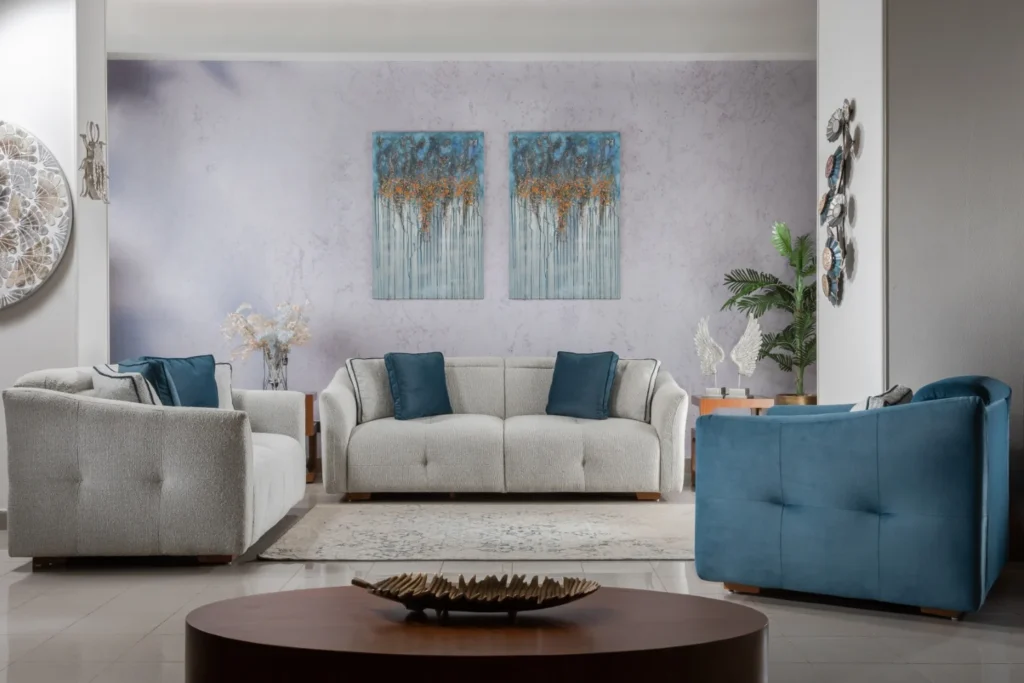
Choosing the right pieces is critical for any interior design inspiration for apartments. Multifunctional furniture maximizes utility, while sleek, minimal designs prevent clutter. Below are key categories to consider:
Living Room Essentials
- Modular sofas: Rearrangeable sections allow you to adapt the layout for gatherings or intimate evenings.
- Nesting tables: Stackable side tables that can be spread out when needed and tucked away to save space.
- Media consoles: Low‑profile units with storage keep electronics and accessories out of sight.
Bedroom Solutions
Opt for a platform bed with built‑in drawers or a loft bed if ceiling height permits. A floating nightstand or wall‑mounted shelves free up floor space, creating a breezier atmosphere.
Kitchen and Dining
Compact bar stools that slide under a counter, and a slim, extendable dining table, are perfect for smaller kitchens. When selecting appliances, look for stackable or under‑counter models that blend seamlessly with cabinetry.
For a deeper dive into small‑space kitchen planning, check out our comparison of 36 vs 42 Kitchen Cabinets: Which Size Fits Your Home? which offers practical sizing advice.
Lighting Strategies: Illuminating Every Corner
Lighting is an often‑overlooked element of interior design inspiration for apartments, yet it dramatically influences mood and perception of space. A layered lighting approach—combining ambient, task, and accent lighting—creates depth and flexibility.
Ambient Lighting
Recessed ceiling lights or a central pendant provide overall illumination. Choose fixtures with dimmers to adjust brightness throughout the day.
Task Lighting
Desk lamps, under‑cabinet lights in the kitchen, and reading lights beside the bed ensure functional illumination where it’s needed most. For creative hobbyists, the right lighting can make a difference; see our guide on Best Light for Miniature Painting – A Home Décor Perspective for insights on balanced light output.
Accent Lighting
Use LED strips behind shelving, picture lights for artwork, or floor lamps with directional heads to highlight architectural features or décor pieces. Accent lighting adds a touch of drama and can make a compact room feel curated.
Accessorizing with Purpose: Adding Personality Without Clutter
Accessories are the finishing touches that convey personality. When decorating an apartment, each item should serve both aesthetic and functional purposes.
Textiles and Soft Furnishings
- Area rugs: Define zones and add warmth. Choose low‑pile rugs for easy cleaning.
- Cushions and throws: Rotate colors seasonally to refresh the look without major purchases.
- Window treatments: Light‑filtering curtains maintain privacy while allowing daylight.
Wall Art and Mirrors
Large-scale art can become a focal point, while a series of smaller frames adds a gallery vibe. Mirrors placed opposite windows amplify natural light, making rooms feel airy.
Plants and Greenery
Indoor plants improve air quality and add a natural element. For apartments with limited floor space, consider hanging planters or a DIY Plant Shelf with Wooden Boards that utilizes vertical space.
Quick Home Décor Tips
- Use floating shelves to display books and décor without sacrificing floor area.
- Choose furniture with exposed legs to create a sense of openness.
- Incorporate a single bold accent piece—like a vibrant sofa or statement rug—to anchor the room.
Common Mistakes to Avoid in Apartment Design
Even seasoned decorators can stumble when applying interior design inspiration for apartments. Here are frequent pitfalls and how to sidestep them:
- Over‑furnishing: Packing the room with too many pieces creates visual clutter. Stick to essential items and keep extras stored.
- Ignoring scale: Oversized furniture dwarfs smaller rooms. Measure and opt for streamlined designs.
- Neglecting storage: Lack of storage leads to mess. Integrate hidden compartments—under‑bed drawers, ottomans, and built‑in shelves.
- Choosing the wrong lighting: Harsh, single‑source lighting can make spaces feel cramped. Embrace layered lighting for balance.
Frequently Asked Questions
How can I make a studio apartment feel larger?
Use a consistent color palette, incorporate multi‑functional furniture, and define zones with rugs and lighting. Mirrors opposite windows can double the perception of space.
What flooring works best in small apartments?
Light‑colored hardwood or large‑format tiles create a seamless look that elongates the room. If you prefer rugs, select low‑pile options that don’t overwhelm the floor.
Is it okay to have bold colors in a tiny space?
Yes, when used as accents. A bold accent wall, colorful artwork, or vibrant furniture piece can add personality without overwhelming the room.
How do I maximize storage without built‑in closets?
Utilize vertical space with floor‑to‑ceiling shelves, add under‑bed drawers, and choose furniture that includes hidden compartments, such as coffee tables with storage.
Can I incorporate pets into my interior design?
Absolutely. Choose durable fabrics, add pet-friendly rugs, and create a designated pet zone with a stylish bed or mat that blends with your décor.
What are some budget‑friendly ways to refresh my apartment?
Repaint walls, swap out hardware (drawer pulls, cabinet knobs), add new textiles, and rearrange existing furniture. Small changes often have a big visual impact.
By integrating these strategies, you’ll find that interior design inspiration for apartments isn’t about compromising on style—it’s about being inventive with the space you have. Start with a solid layout, choose a cohesive color palette, and select furniture that serves multiple purposes. Then, layer in lighting, accessorize thoughtfully, and avoid common pitfalls to ensure a harmonious, functional home.
Ready to transform your apartment? Apply these ideas, experiment with different layouts, and watch your living space evolve into a stylish, comfortable retreat. For more inspiration, explore additional articles on our site and keep refining your design journey.