
Table of Contents
- What Exactly Is Thinset?
- Modified vs Unmodified Thinset: Core Differences
- When to Choose Modified Thinset
- When Unmodified Thinset Is Sufficient
- Modified vs Unmodified Thinset: Performance Factors
- Adhesion Strength
- Curing Time and Conditions
- Flexibility and Crack Resistance
- Compatibility with Grout
- Practical Tips for Mixing and Applying Thinset
- Quick Tips for Choosing Modified vs Unmodified Thinset
- Common Mistakes and How to Avoid Them
- Frequently Asked Questions
- Putting It All Together: Decision Checklist
Modified vs Unmodified Thinset: Which Is Right for Your Project
When you step onto a freshly tiled floor or admire a newly glazed bathroom wall, the unseen hero is often the mortar that binds the tile to the substrate. That mortar, commonly known as thinset, comes in two primary families: modified and unmodified. Understanding the distinction between these two types can be the difference between a flawless, long‑lasting surface and a costly repair down the line.
Homeowners, renters, and design enthusiasts alike face the same question when planning a tiling project: should I choose a modified or an unmodified thinset? The answer depends on the substrate, the type of tile, moisture exposure, and even the climate of your region. In the sections that follow, we’ll unpack the chemistry, explore real‑world applications, and give you actionable guidance so you can make an informed decision the first time around.
What Exactly Is Thinset?

Thinset is a cement‑based mortar mixed with water and, in many cases, additives that improve its performance. It is designed to be applied in a thin layer—usually between 3 mm and 5 mm—hence the name. The core components are Portland cement, fine sand, and a limestone filler. The distinction between modified and unmodified thinset lies in the additives blended into the mix.
Unmodified thinset contains only the basic ingredients, while modified thinset incorporates polymers or latex that enhance flexibility, adhesion, and water resistance. These polymers are introduced during manufacturing, resulting in a product that behaves differently during curing and after it has set.
Modified vs Unmodified Thinset: Core Differences

Below is a concise comparison that highlights the most important technical differences:
- Composition: Unmodified thinset = cement + sand + filler. Modified thinset = cement + sand + filler + polymer (often acrylic or latex).
- Flexibility: Modified thinset remains slightly flexible after curing, reducing the risk of cracks in moving substrates.
- Adhesion: The polymer bridges improve bond strength to challenging surfaces like glass, metal, and some plastics.
- Water Resistance: Modified formulations are more tolerant of moisture during the cure, making them suitable for wet areas.
- Open Time: Polymers can extend the working time, giving installers a larger window to position tiles.
The choice between these two types should be guided by the demands of the specific installation, not merely by price or availability.
When to Choose Modified Thinset

Modified thinset shines in environments where movement, moisture, or unconventional substrates are a factor. Consider the following scenarios:
- Bathrooms and Wet Rooms: The extra water resistance helps prevent bond failure where water exposure is constant.
- Exterior Applications: Temperature fluctuations cause expansion and contraction; the flexibility of a modified mix accommodates that movement.
- Large Format Tiles: The increased bond strength reduces the likelihood of tile lift on heavy, expansive pieces.
- Non‑Porous Surfaces: Tiles on glass, porcelain, or metal benefit from the polymer’s ability to adhere to low‑absorption substrates.
For example, a homeowner installing a 24 × 24 in. porcelain slab in a shower should reach for a modified thinset to ensure a reliable, waterproof bond.
When Unmodified Thinset Is Sufficient
Despite the advantages of modified thinset, there are many situations where the traditional, unmodified version is perfectly adequate—and sometimes even preferred:
- Standard Ceramic Tile on a well‑prepared cement backer board.
- Indoor Floors with minimal foot traffic and stable subfloors.
- Cost‑Sensitive Projects where the budget constraints make the lower price point of unmodified thinset attractive.
- Historical Restorations that call for a more breathable mortar compatible with older construction methods.
In a typical kitchen remodel where 12 × 12 in. ceramic tiles are being laid over a new cement board, an unmodified thinset provides a strong, durable bond without the added expense of polymers.
Modified vs Unmodified Thinset: Performance Factors
Beyond the simple “modified or not” label, several performance characteristics influence the final outcome of a tiling job. Understanding these nuances helps you match the mortar to the task.
Adhesion Strength
Modified thinset generally offers higher shear and tensile strength due to the polymer’s bridging action. This is especially valuable in high‑traffic areas where tiles experience lateral forces.
Curing Time and Conditions
Unmodified thinset relies on a chemical reaction with water, making it more sensitive to humidity and temperature. In damp climates, it may take longer to achieve full strength, whereas modified thinset can cure more predictably under a broader range of conditions.
Flexibility and Crack Resistance
Because the polymer remains flexible after the cure, modified thinset can accommodate slight substrate movement without cracking the bond. Unmodified thinset, being more rigid, is prone to transmitting stress to the tile, leading to possible cracks over time.
Compatibility with Grout
Both types work with standard cement grout, but when using epoxy or urethane grouts, a modified thinset often provides a more compatible base, reducing the risk of delamination.
Practical Tips for Mixing and Applying Thinset
Regardless of the type you choose, proper mixing and application are critical. Follow these guidelines to maximize performance:
- Measure Accurately: Use a bucket and a mechanical mixer; avoid guessing water ratios.
- Let It Slake: After adding water, let the mix sit for 5–10 minutes before stirring again. This “slaking” improves workability.
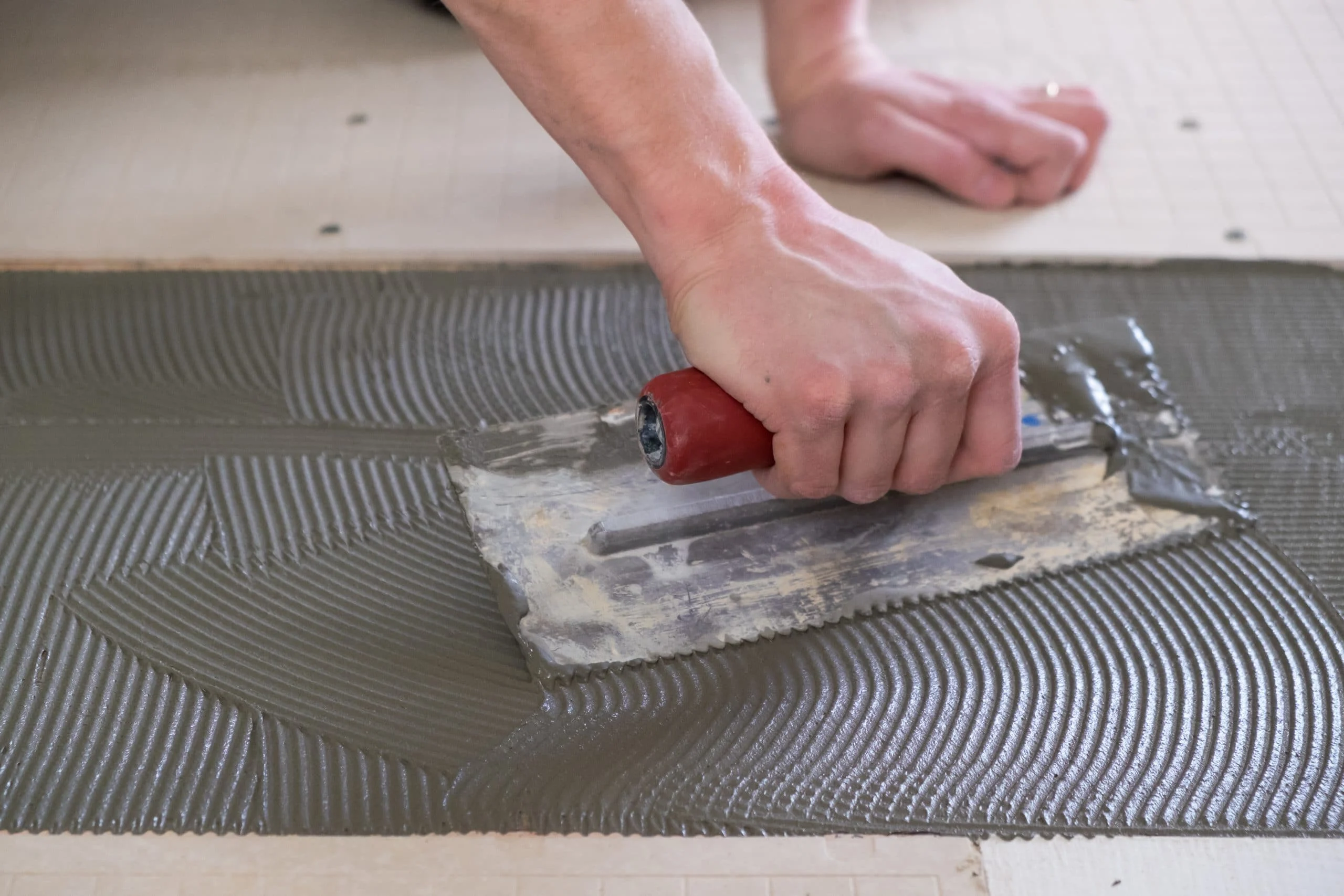
- Use the Right Trowel: A ¼‑inch square-notched trowel is ideal for most floor installations; larger notches are better for larger tiles.
- Maintain a Consistent Temperature: Aim for 50 °F–85 °F (10 °C–29 °C) during mixing and installation.
- Check Open Time: Modified thinsets often have a longer open time; keep a timer handy to avoid premature setting.
For visual inspiration on how these tips translate into real rooms, explore our Interior Design Inspiration for Apartments – Modern Small‑Space Ideas guide.
Quick Tips for Choosing Modified vs Unmodified Thinset
- Assess the substrate: porous surfaces favor unmodified; non‑porous or moving substrates need modified.
- Consider moisture exposure: bathrooms, showers, and exterior walls usually require modified.
- Check tile size: large-format tiles benefit from the added bond strength of modified thinset.
- Review local building codes: some jurisdictions mandate specific thinset types for certain applications.
- Budget wisely: use modified thinset only where its benefits outweigh the cost difference.
Common Mistakes and How to Avoid Them
Even seasoned DIYers can stumble when working with thinset. Here are frequent errors and simple remedies:
- Over‑watering the mix – Leads to a weak bond; always follow the manufacturer’s water‑to‑powder ratio.
- Applying thinset too thinly – Results in voids under the tile; maintain the recommended coverage of at least 80% of the trowel teeth.
- Skipping substrate preparation – Unclean, uneven, or unprimed surfaces compromise adhesion; always clean, level, and prime if required.
- Using the wrong thinset for the tile – Ceramic tiles on a wet wall with unmodified thinset can delaminate; match thinset type to tile and environment.
- Ignoring cure time – Walking on or grouting too soon can disturb the mortar; respect the manufacturer’s minimum cure period.
These pitfalls are easy to dodge with a little planning and attention to detail.
Frequently Asked Questions
Can I use modified thinset on a wooden subfloor?
Yes, but you must first install a suitable cement backer board or plywood with a moisture barrier. The polymer in modified thinset helps accommodate slight movement in wood, but the substrate still needs a stable, moisture‑resistant base.
Is unmodified thinset suitable for outdoor patio tiles?
Generally, no. Outdoor installations face freeze‑thaw cycles and moisture variations that demand the flexibility and water resistance of a modified thinset. Using unmodified thinset outdoors can lead to cracking and tile lift.
Do I need a waterproof membrane if I use modified thinset in a shower?
A waterproof membrane is still recommended. Modified thinset improves adhesion and moisture tolerance, but a dedicated membrane provides a continuous barrier that protects the structural wall from water infiltration.
How long does it take for modified thinset to fully cure?
Most manufacturers state a 24‑hour cure for full strength under normal conditions. However, high humidity or low temperatures can extend this period. Always check the product label for specific guidance.
Can I mix modified and unmodified thinset together?
Mixing them is not advised. The differing compositions can create unpredictable performance, potentially weakening the bond. Choose the type that best fits the project requirements and stick with it.
Putting It All Together: Decision Checklist
Before you purchase a bag of thinset, run through this quick checklist to ensure you select the right product:
- Identify the tile material (ceramic, porcelain, natural stone).
- Determine the substrate type and its stability.
- Assess exposure to moisture or temperature fluctuations.
- Check tile size and weight.
- Review local codes and manufacturer recommendations.
- Match the thinset type (modified or unmodified) to the above factors.
Following this process reduces guesswork and helps you achieve a durable, beautiful finish.
For more specialized guidance on bathroom installations, see our article on Bona Natural Seal vs Classic Seal: Which Bathroom Seal Fits Your Home?
Ready to start tiling? Choose the thinset that aligns with your project’s demands, mix it carefully, and enjoy the confidence of a job well done.
Whether you’re renovating a kitchen, refreshing a bathroom, or tackling a full‑house remodel, the right thinset—whether modified or unmodified—will be the foundation of a lasting, attractive surface. Keep the tips and considerations from this guide handy, and you’ll be well on your way to a professional‑grade result.
Explore more design ideas and practical advice on The Homara, and let your spaces reflect both style and substance.