
Table of Contents
- How to Eliminate Carpet Odor: Identifying the Root Causes
- Step‑by‑Step Guide on How to Eliminate Carpet Odor Naturally
- Effective Cleaning Techniques for Stubborn Smells
- Natural Deodorizers and Home Solutions
- Professional Services and When to Call the Experts
- Preventive Maintenance for Fresh Carpets
- Choosing the Right Carpet Material for Odor Resistance
- Integrating Odor Control into Home Décor Design
- Quick Tips to Freshen Up Your Carpets
- Common Mistakes When Tackling Carpet Odors
- Frequently Asked Questions
How to Eliminate Carpet Odor – A Complete Home‑Styling Guide
Carpeted floors add comfort, warmth, and visual softness to any room, but they can also become silent reservoirs for unwanted smells. Whether you’re living in a bustling family home, a compact apartment, or a stylish condo, a lingering odor can undermine the overall ambience and even affect the perceived cleanliness of your space. Understanding how to eliminate carpet odor is not just about masking a scent; it’s about addressing the underlying cause, choosing the right cleaning method, and integrating odor‑control strategies into your broader interior design plan.
This article walks you through the science behind carpet odors, practical DIY solutions, professional options, and preventive habits that keep your rugs smelling fresh for years. You’ll also find quick tips, common pitfalls to avoid, and a handy FAQ section that answers the most frequent questions home‑owners ask when they face stubborn smells. By the end, you’ll have a clear roadmap for restoring a clean, inviting atmosphere without sacrificing style.
How to Eliminate Carpet Odor: Identifying the Root Causes
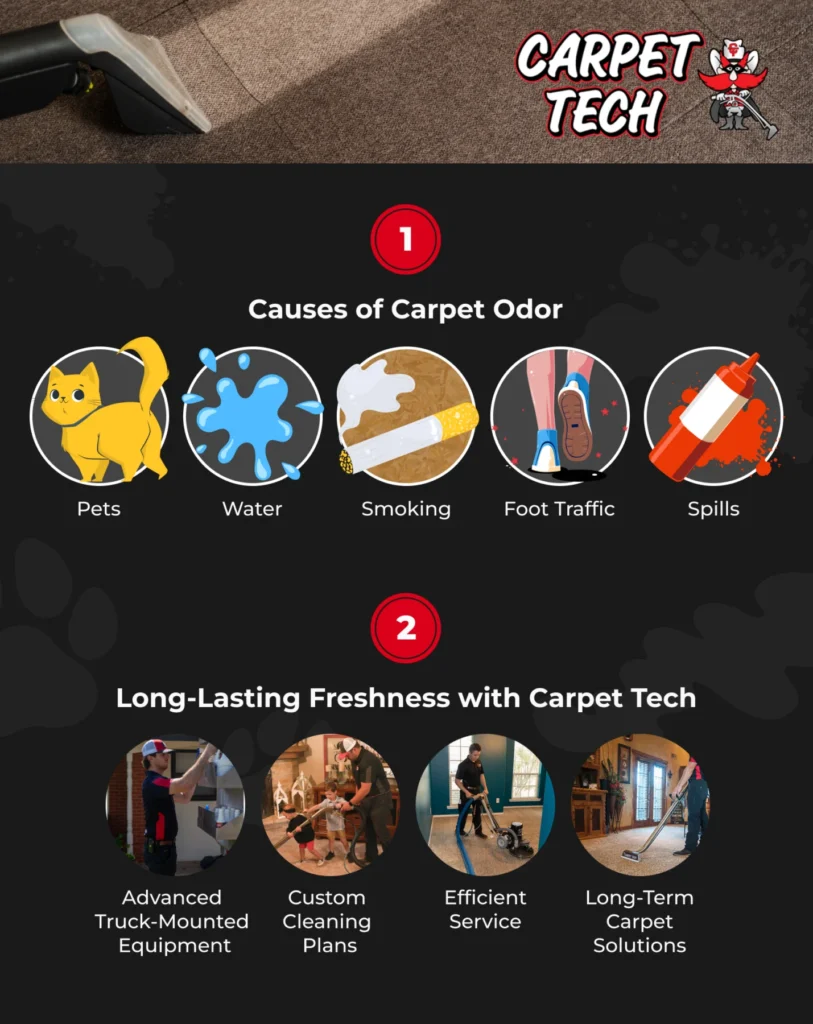
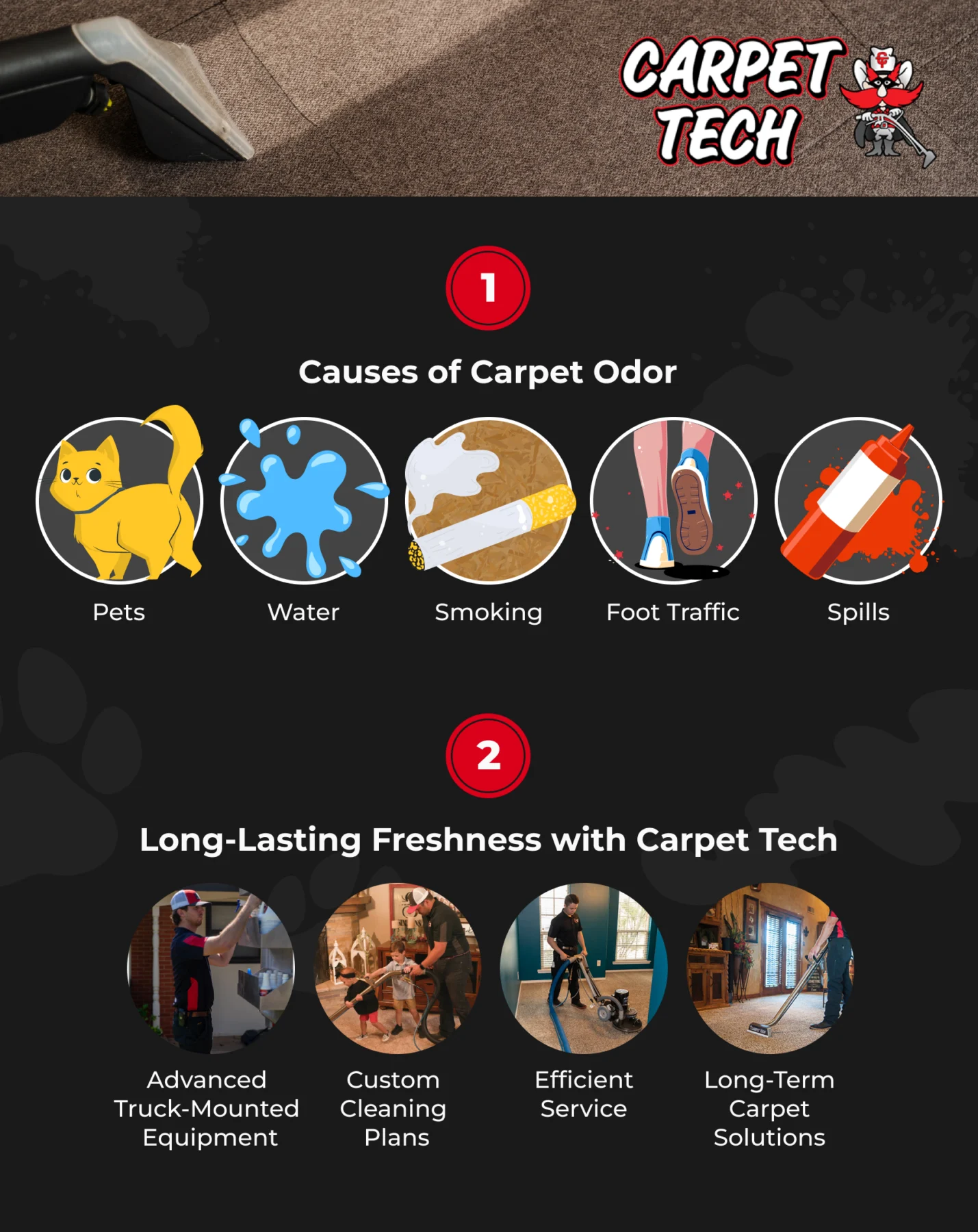
Before you reach for a spray or a commercial cleaner, take a moment to pinpoint where the odor originates. Common sources include pet accidents, spilled food or drinks, mold growth from moisture, and the gradual buildup of everyday grime. Each culprit demands a slightly different approach, so a thorough assessment saves time and prevents unnecessary product use.
Start by inspecting high‑traffic zones, under furniture, and near windows where humidity can settle. If the smell is sour or musty, mold or mildew may be at play, especially in basements or rooms with poor ventilation. For pet‑related odors, look for lingering urine stains that have seeped deep into the fibers. Identifying the precise source allows you to select the most effective method for how to eliminate carpet odor and ensures the solution lasts.
Step‑by‑Step Guide on How to Eliminate Carpet Odor Naturally
- Assess the area: Note any discoloration, damp spots, or visible stains.
- Ventilate: Open windows and use fans to circulate fresh air for at least 30 minutes.
- Test a small patch: Before applying any cleaning solution, test it on an inconspicuous area to avoid discoloration.
- Choose the right cleaner: Match the cleaning agent to the odor source (e.g., enzymatic cleaners for pet waste).
- Rinse and dry: After cleaning, rinse with a damp cloth and let the carpet dry completely to prevent mold.
Effective Cleaning Techniques for Stubborn Smells
When everyday vacuuming isn’t enough, deeper cleaning methods become essential. A combination of mechanical agitation and chemical treatment typically yields the best results. For most households, a steam cleaner or a hot‑water extraction machine can lift embedded particles and neutralize odor‑causing bacteria.
Begin by vacuuming thoroughly to remove loose debris. Then, apply a carpet‑friendly cleaning solution—preferably one with a pH‑balanced formula—to avoid damaging the backing. Work the solution into the fibers with a soft‑bristle brush, allowing it to sit for five to ten minutes. Finally, extract the moisture using a steam cleaner, ensuring the carpet dries within four hours to inhibit mold growth. This systematic approach is a proven way to answer the question of how to eliminate carpet odor when the smell has penetrated deep into the pile.
Natural Deodorizers and Home Solutions
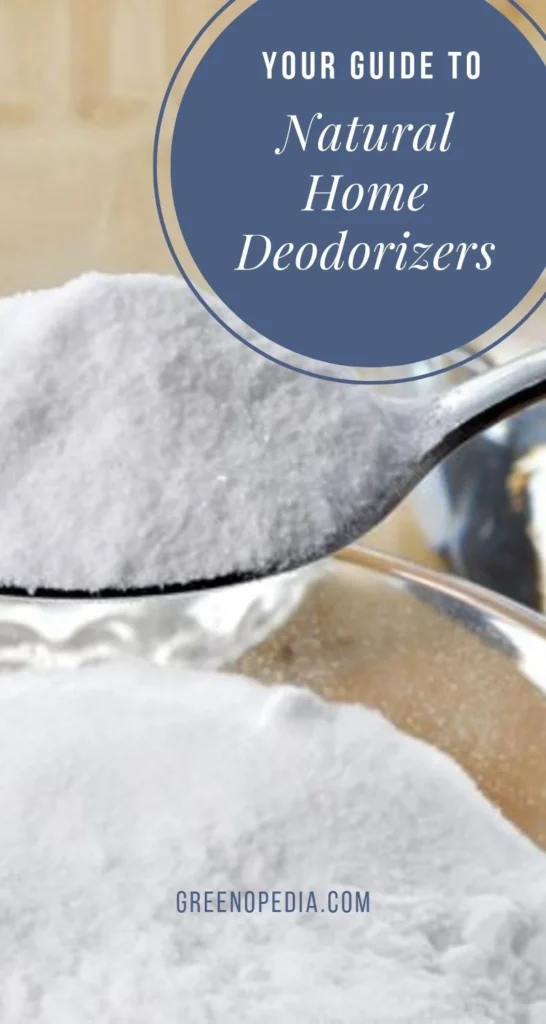
Many homeowners prefer eco‑friendly alternatives that avoid harsh chemicals. Baking soda, white vinegar, and essential oils are staples in a natural odor‑control arsenal. These ingredients not only neutralize smells but also complement a modern, health‑conscious interior design aesthetic.
To use baking soda, sprinkle a generous layer over the carpet, let it sit for at least 30 minutes (overnight for stubborn odors), then vacuum thoroughly. For a vinegar‑based spray, mix one part white vinegar with three parts water and a few drops of a soothing essential oil like lavender or eucalyptus. Lightly mist the carpet, avoiding saturation, and allow it to air dry. The mild acidity of vinegar breaks down odor molecules, while the essential oil leaves a pleasant aroma that aligns with your décor style.
For an integrated approach, consider pairing natural deodorizers with decorative elements such as scented candles or diffusers. An article on Air Wick vs. Bath & Body Works Wallflowers offers insight on choosing fragrance options that enhance your living space without overwhelming it.
Professional Services and When to Call the Experts
Even the most diligent DIY efforts can fall short when dealing with entrenched odors from mold, deep‑set pet stains, or large spills that have soaked into the carpet padding. Professional carpet cleaning companies have access to industrial‑strength equipment, such as truck‑mounted extractors, ozone generators, and specialized antimicrobial treatments.
Schedule a professional service if you notice persistent mildew smells after a flood, if pet accidents have been repeated over months, or if you simply lack the time for a thorough deep clean. A reputable technician will first conduct a pre‑cleaning inspection, then apply a tailored solution that addresses both the surface and the sub‑layers of the carpet. While this option involves a higher cost, it is often the most reliable answer to how to eliminate carpet odor in challenging scenarios.
Preventive Maintenance for Fresh Carpets
Prevention is always more efficient than remediation. Regular maintenance habits keep odors at bay and extend the life of your carpet, which is especially valuable in rooms where style meets function, such as living rooms and bedrooms. Here are a few preventative measures:
- Vacuum weekly: Use a vacuum with a HEPA filter to trap dust, allergens, and pet dander.
- Rotate furniture: Moving heavy pieces occasionally exposes less‑used areas to cleaning.
- Apply a protective spray: A carpet protector repels spills and stains, making subsequent cleaning easier.
- Control humidity: Keep indoor humidity between 30‑50% using dehumidifiers or air conditioners.
- Promptly address spills: Blot (don’t rub) fresh spills within two minutes to prevent deep absorption.
Adopting these habits turns the question of how to eliminate carpet odor into a proactive routine that keeps your home smelling clean and inviting all year round.
Choosing the Right Carpet Material for Odor Resistance
Not all carpets are created equal when it comes to odor absorption. Natural fibers like wool have inherent antimicrobial properties, while synthetic fibers such as nylon and polyester are more resistant to moisture retention. When selecting a new rug or deciding on a replacement, consider the following:
- Wool: Naturally breathable and resistant to mold, but can be pricier.
- Polypropylene (Olefin): Excellent for high‑traffic, moisture‑prone areas due to its low absorbency.
- Nylon: Durable and retains shape, but may trap odors if not cleaned regularly.
- Blends: Combine the best traits of natural and synthetic fibers for balanced performance.
Choosing an odor‑resistant carpet material complements your design goals while reducing the frequency of intensive cleaning sessions. For a harmonious color palette that works well with various carpet textures, explore the Pearly White vs Alabaster guide for shade selection that brightens any room.
Integrating Odor Control into Home Décor Design
Odor control need not clash with aesthetic aspirations. Modern interior design encourages the seamless blend of function and style. Consider incorporating decorative yet functional elements that double as air purifiers or fragrance diffusers. For example, stylish woven baskets can hold charcoal briquettes that absorb odors while adding texture to a shelf.
Wall‑mounted planters with low‑maintenance indoor plants like spider plants or peace lilies not only improve air quality but also bring a fresh visual element to the space. Pair these with a subtle, scented candle collection to create a layered fragrance experience that aligns with your décor theme. For inspiration on using woven baskets in your design, read Wall Décor with Hanging Woven Baskets.
Quick Tips to Freshen Up Your Carpets
- Sprinkle baking soda, let sit overnight, then vacuum for an instant lift.
- Use a handheld steam mop on spot stains for quick deodorization.
- Place a few drops of lavender essential oil on a cotton ball under the carpet edge for a subtle scent.
- Rotate rugs every few months to expose all areas to sunlight and air.
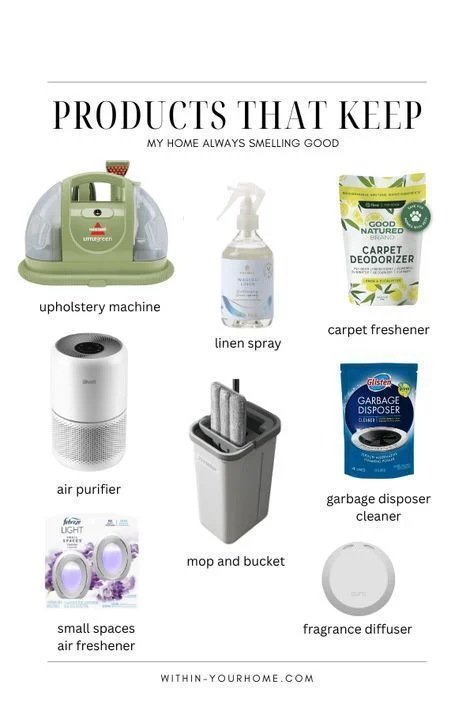
- Invest in a high‑efficiency air purifier to reduce airborne particles that settle into carpet fibers.
Common Mistakes When Tackling Carpet Odors
Even well‑intentioned efforts can backfire if you overlook key details. Below are frequent errors and how to avoid them:
- Over‑wetting the carpet: Saturating the fibers creates an environment for mold. Always use a damp—not soaking—method.
- Skipping the pre‑test: Some cleaners can discolor or damage delicate fibers. Test a hidden spot first.
- Neglecting the padding: Odors often reside in the carpet pad. If smells persist, consider cleaning or replacing the pad.
- Using harsh chemicals on delicate rugs: Silk or antique rugs require gentle, pH‑balanced solutions or professional care.
- Ignoring ventilation: Fresh air speeds up drying and reduces the chance of mildew growth.
Frequently Asked Questions
Can I use regular household bleach to remove carpet odor?
Bleach can damage carpet fibers and cause discoloration. It’s best reserved for white, non‑dyed fabrics. For most carpets, an enzymatic cleaner or a vinegar‑based solution is safer and equally effective.
How often should I deep‑clean my carpet to prevent smells?
A professional deep clean every 12‑18 months is ideal for high‑traffic homes. If you have pets or children, consider scheduling a cleaning every six months.
Do pet‑friendly deodorizers work on all types of carpet?
Most pet‑specific cleaners are formulated to break down urine crystals and organic stains, making them suitable for both synthetic and natural fibers. Always read the label for compatibility.
Is it safe to use essential oils directly on carpet fibers?
Apply essential oils diluted in water or carrier oil and test on a small area first. Direct application can cause staining on some materials, especially light‑colored or delicate fibers.
What role does indoor humidity play in carpet odor?
High humidity encourages mold and mildew growth, which produce musty odors. Maintaining indoor humidity below 50% with a dehumidifier or proper ventilation helps keep carpets fresh.
Can a carpet be saved if the padding is moldy?
If the padding is contaminated, it’s often best to replace it. Mold spores can migrate back to the carpet even after cleaning, leading to recurring odors.
For a broader perspective on small‑space styling, explore our Apartment Interior Styling Ideas guide, which includes tips for selecting low‑maintenance flooring that stays fresh.
By following these strategies, you’ll master how to eliminate carpet odor in a way that respects both the health of your home and its visual appeal. Consistent cleaning, mindful material choices, and smart decorative additions create an environment where comfort and style coexist without the distraction of unwanted smells.
Now that you have a comprehensive toolbox of solutions, it’s time to put them into action. Whether you opt for a DIY baking‑soda refresh, a professional steam extraction, or a blend of natural deodorizers, the result will be a carpet that not only looks beautiful but also contributes to a healthier, more inviting living space. Keep exploring The Homara for more modern home décor ideas, interior design tips, and practical inspiration that transforms everyday rooms into personalized sanctuaries.