
Table of Contents
- Creative wall art ideas for entryway spaces
- Choosing wall art ideas for entryway style
- Gallery walls that tell a story
- Mirrors as functional wall art
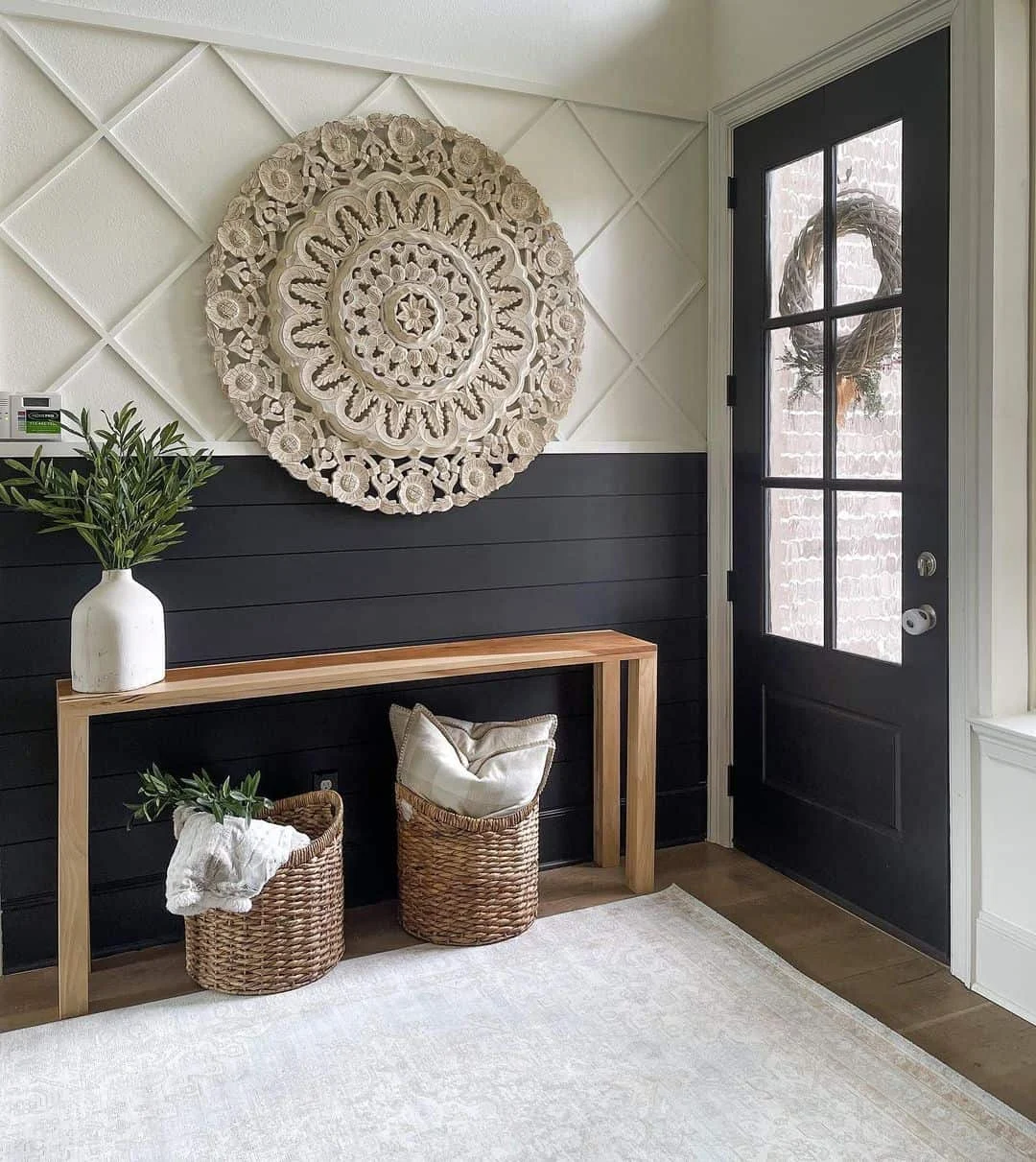
- Natural elements for organic charm
- Bold colors and patterned wallpapers
- Functional wall décor that adds utility
- Small entryway solutions for tight spaces
- Quick Home Décor Tips
- Common Mistakes to Avoid
- Frequently Asked Questions
First impressions matter, especially when they begin at your front door. The entryway sets the tone for the rest of your home, and a well‑styled wall can turn a simple hallway into a welcoming statement. Whether you live in a compact apartment or a spacious house, the right wall art ideas for entryway can reflect your personality, add visual interest, and even make the space feel larger.
In this guide we’ll explore a variety of approaches—gallery walls, bold murals, natural textures, and functional pieces—that suit different budgets and design preferences. By the end, you’ll have a toolbox of ideas to refresh your entryway, create a cohesive look, and make guests feel instantly at ease.
Creative wall art ideas for entryway spaces

When brainstorming wall art ideas for entryway, start by assessing the size of the wall, the amount of natural light, and the overall style of your home. A narrow hallway benefits from vertical artwork that draws the eye upward, while a broader space can handle a larger statement piece. Think about the mood you want to convey: calm and serene, vibrant and energetic, or sleek and modern.
Choosing wall art ideas for entryway style
- Scale matters: A single oversized canvas can dominate a small entry, whereas a curated gallery wall adds depth without overwhelming the space.
- Color coordination: Pull colors from your front door, flooring, or furniture to create harmony. A pop of contrasting hue can also become a focal point.
- Material mix: Combine framed prints, metal plates, and woven textures for a layered look.
For example, a narrow foyer with light‑colored walls looks taller when you hang a vertical series of black‑and‑white photography. Pair it with a slim console table and a matching runner for a polished, balanced feel.
Gallery walls that tell a story

Gallery walls are a versatile way to showcase personal memories and artistic taste. Arrange frames of varying sizes in a cohesive layout—symmetrical grids work well for a formal look, while asymmetrical clusters feel more relaxed. Use a mix of family photos, abstract prints, and travel souvenirs to create a narrative that welcomes guests into your life.
When building a gallery, lay the arrangement on the floor first, then transfer it to the wall. Keep the spacing consistent, typically 2–3 inches between frames, to maintain visual order. If you have a limited budget, consider using inexpensive frames and printing your own artwork.
Mirrors as functional wall art

Mirrors serve a dual purpose: they reflect light, making the entryway appear brighter and more spacious, and they act as decorative elements. Choose a mirror with an interesting frame—whether it’s a rustic reclaimed wood or a sleek brushed metal—to keep it from looking purely utilitarian.
Position the mirror opposite a window or a source of natural light for maximum effect. A large round mirror placed at eye level can become a centerpiece, while a series of smaller mirrored tiles arranged in a geometric pattern adds a modern touch.
Natural elements for organic charm
Incorporating nature-inspired wall art brings warmth and texture to an otherwise flat surface. Consider botanical prints, pressed‑flower frames, or even a living wall of small succulents in wall‑mounted planters. These options not only enhance visual appeal but also improve indoor air quality.
For a subtle approach, hang a set of woven baskets on the wall—an idea we explored in detail with hanging woven baskets as wall décor. The natural fibers add depth and a tactile element that invites guests to linger.
Bold colors and patterned wallpapers
If you love drama, a statement wallpaper or a large-scale mural can instantly transform an entryway. Choose patterns that complement, rather than clash with, your existing color palette. Geometric designs, tropical leaves, or abstract brushstrokes work well in modern homes, while classic stripes or damask patterns suit more traditional spaces.
When using bold patterns, keep other décor minimal to avoid visual overload. A single piece of artwork—like a minimalist metal sculpture—can anchor the space without competing with the wall covering.
Functional wall décor that adds utility
Entryways are high‑traffic zones, so functional wall pieces can be both stylish and practical. Wall‑mounted coat racks, key holders, and decorative shelves provide storage while reinforcing the room’s aesthetic.
Choose pieces that match your overall theme. A sleek black metal rack pairs nicely with industrial décor, while a reclaimed wood shelf fits a farmhouse vibe. Adding a decorative tray for mail and small items keeps the space tidy and visually appealing.
Small entryway solutions for tight spaces
Limited square footage doesn’t mean you must sacrifice style. Opt for narrow vertical art, such as tall frames or slim mirrors, to emphasize height. A series of narrow, vertically oriented prints can elongate the wall, creating the illusion of more space.
Consider the small apartment entryway styling ideas that emphasize multi‑functional furniture—like a bench with hidden storage—and keep the floor clear. Adding a runner with subtle pattern introduces texture without overwhelming the limited area.
Quick Home Décor Tips
- Use a single, oversized artwork to create a focal point without clutter.
- Mix frame colors and finishes for a curated, gallery‑wall feel.
- Incorporate a mirror to boost natural light and visual depth.
- Choose artwork that reflects your personal story or travel experiences.
- Keep floor space clear; let wall art do the heavy lifting.
Common Mistakes to Avoid
- Overcrowding the wall: Too many small pieces can look chaotic. Stick to a theme or color scheme.
- Ignoring scale: Large art in a tiny foyer overwhelms; small art in a big space feels lost.
- Neglecting lighting: Proper illumination highlights art. Add a wall sconce or picture light.
- Choosing the wrong height: Hang art at eye level (57–60 inches from the floor) for optimal viewing.
- Forgetting functionality: Include hooks, shelves, or mirrors to keep the area practical.
Frequently Asked Questions
What type of wall art works best in a narrow entryway?
Vertical pieces, such as tall frames or a slim mirror, draw the eye upward and create an illusion of height. Keep the width narrow to avoid crowding the limited space.
Can I use wallpaper as entryway wall art?
Absolutely. A bold, patterned wallpaper can serve as a large‑scale artwork. Pair it with simple décor and keep accessories minimal to let the pattern shine.
How do I choose colors for my entryway art?
Start with hues already present in your front door, flooring, or furniture. Use a complementary accent color for a pop, or stay within a monochromatic palette for a cohesive look.
Is it okay to mix different frame styles?
Yes, mixing frames can add visual interest, especially in a gallery wall. Keep a unifying element—such as a common mat color or consistent spacing—to maintain harmony.
What lighting should I use to highlight entryway wall art?
Wall sconces, picture lights, or directional LED spotlights work well. Aim for lighting that reduces glare and evenly illuminates the artwork without creating harsh shadows.
How can I keep my entryway art fresh without constant replacement?
Rotate seasonal prints or switch out a few frames annually. This simple update refreshes the look while preserving your original pieces.
By thoughtfully selecting and arranging wall art, you can transform a plain entryway into a dynamic, inviting space that reflects your style. Remember to balance aesthetics with functionality—mirrors, hooks, and shelves keep the area practical while enhancing its visual appeal.
Take inspiration from these ideas, experiment with scale, color, and texture, and watch your entryway become the perfect welcome mat for both residents and guests. For more in‑depth décor guidance, explore our other articles, such as how to eliminate carpet odors for a fresh, clean entry floor.