
Table of Contents
- how to decorate fish tank at home: foundational steps
- Choosing the right substrate and background
- how to decorate fish tank at home with natural elements
- Live plants versus artificial décor
- Integrating live plants
- Using artificial décor
- Creative theme ideas for your aquarium
- Modern minimalist
- Biotope recreation
- Fantasy underwater world
- Lighting and color considerations
- Maintenance tips to keep your décor looking fresh
- Routine cleaning schedule
- Decor upkeep
- Quick Home Décor Tips for Aquariums
- Common Mistakes and How to Avoid Them
- Frequently Asked Questions
- Bringing Your Aquarium Into the Whole Home Design
How to Decorate Fish Tank at Home – A Complete Guide for Modern Spaces
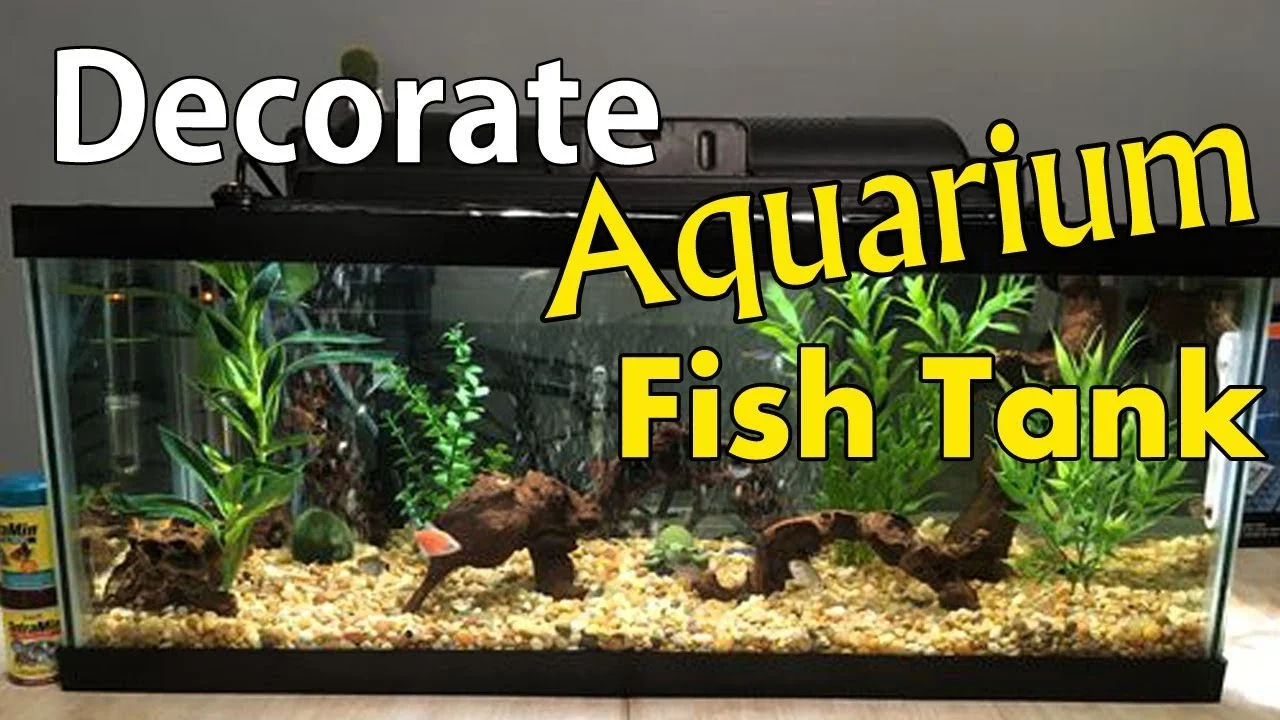
Creating a beautiful aquarium is more than just choosing fish and filling the tank with water. It’s an opportunity to add a living work of art to any room, blending the tranquility of water with the aesthetics of interior design. Whether you live in a compact apartment or a spacious house, learning how to decorate fish tank at home can transform a simple glass box into a focal point that enhances the overall ambiance of your living space.
In this guide, we’ll walk you through the essential steps, from planning your theme to selecting the right substrates, plants, and décor accessories. You’ll discover how to balance functionality with style, keep your aquatic inhabitants healthy, and integrate the tank seamlessly with existing décor. By the end, you’ll have a clear roadmap for turning your aquarium into a captivating centerpiece that reflects your personal taste.
how to decorate fish tank at home: foundational steps
Before diving into specific design ideas, start with a solid foundation. This ensures the tank not only looks great but also provides a safe, thriving environment for your fish. Follow these core steps:
- Choose the right size and location. Larger tanks are more stable but require more space. Place the tank where it can be viewed from multiple angles, away from direct sunlight to prevent algae blooms.
- Invest in proper filtration and lighting. A reliable filter maintains water quality, while appropriate lighting highlights décor elements and supports live plants.
- Plan a theme early. Decide whether you prefer a natural riverbank, a minimalist modern look, or a whimsical fantasy scene. Your theme will guide substrate, plant, and accessory choices.
By establishing these basics, you set the stage for a successful aquarium that is both visually appealing and biologically sound.
Choosing the right substrate and background
The substrate is the base of your underwater landscape and plays a crucial role in both aesthetics and fish health. Opt for a substrate that complements your theme and provides the right environment for beneficial bacteria.
how to decorate fish tank at home with natural elements
If you favor a natural look, consider fine sand or river rock. These materials mimic riverbeds and are ideal for bottom‑dwelling species. For planted tanks, a nutrient‑rich soil mix encourages robust root growth.
- Color coordination. Light-colored sand brightens the tank, while darker stones add contrast.
- Depth variation. Create gentle slopes to simulate riverbanks, giving fish places to explore.
- Background options. Use a printed backdrop or a 3‑D background panel that reflects your theme—think bamboo forests for a zen vibe or coral reefs for a tropical feel.
When the substrate and background are thoughtfully selected, they become the canvas on which you’ll build your aquatic masterpiece.
Live plants versus artificial décor
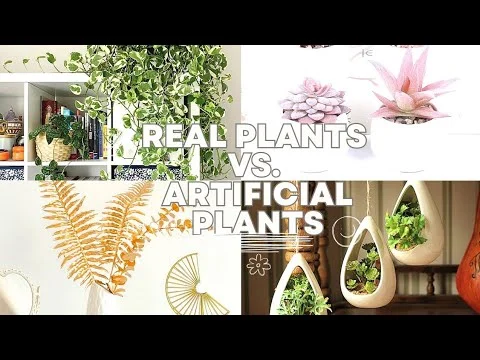
Live plants bring a dynamic, breathing element to the tank, while artificial décor offers flexibility and low maintenance. Deciding between them depends on your time commitment, budget, and aesthetic preference.
Integrating live plants
Live plants such as Java moss, Anubias, and Cryptocoryne thrive in most home aquariums. They provide natural filtration, oxygenate the water, and create hiding spots for shy fish.
- Lighting. Ensure your aquarium light supplies the spectrum needed for plant photosynthesis.
- CO₂ supplementation. For lush growth, consider a CO₂ system or use liquid carbon additives.
- Plant placement. Position taller plants at the back and shorter foreground species to create depth.
Using artificial décor
When live plants aren’t feasible, high‑quality artificial décor can mimic natural textures. Look for items made from resin or silicone that are aquarium‑safe.
- Variety of styles. From driftwood replicas to sleek acrylic rocks, artificial pieces can match any theme.
- Ease of cleaning. These items can be removed and scrubbed without harming the tank’s ecosystem.
- Safety. Verify that any artificial décor is free of toxic dyes or sharp edges.
Mixing live and artificial elements often yields the best results—real plants add life, while decorative ornaments provide structure.
Creative theme ideas for your aquarium
Choosing a cohesive theme turns your tank into a storytelling platform. Below are several popular concepts and how to execute them.
Modern minimalist
Embrace clean lines and neutral tones. Use a monochrome substrate (black sand or white gravel) and simple geometric décor such as clear acrylic cubes or stainless‑steel ornaments. Pair with LED lighting that offers a cool white glow.
Biotope recreation
Recreate a specific natural habitat—like the Amazon River or a South‑East Asian stream. Research the native flora, substrate, and water parameters, then select species that thrive in those conditions. This approach satisfies both aesthetic and ecological authenticity.
Fantasy underwater world
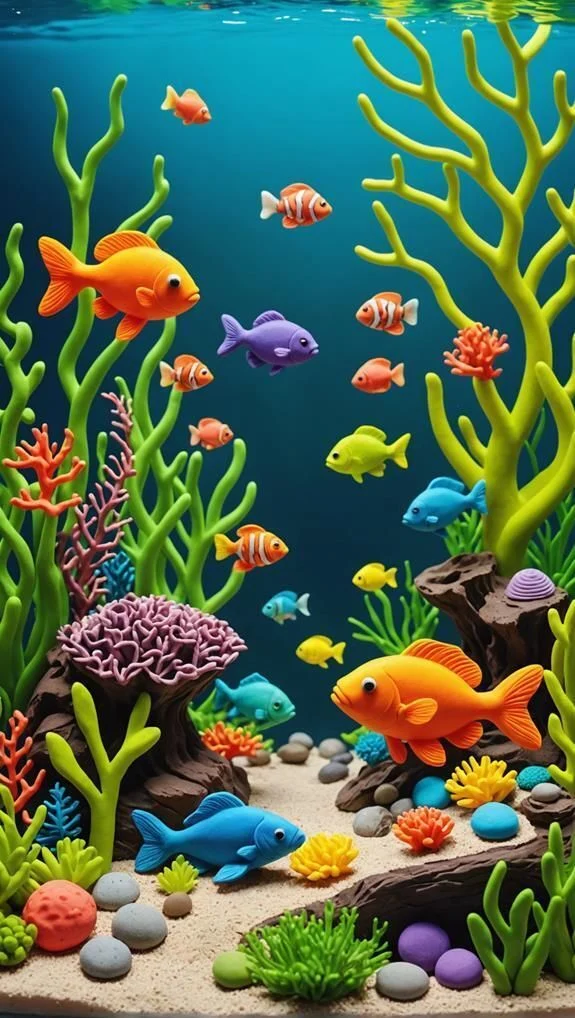
Think mermaid kingdoms or pirate shipwrecks. Incorporate decorative castle ruins, treasure chests, and colored glass. Use colored LED lighting to enhance the magical atmosphere, but ensure the light intensity remains fish‑friendly.
For additional inspiration on themed décor, check out our guide on creative bottle decoration ideas that can double as aquarium ornaments.
Lighting and color considerations
Lighting is both functional and decorative. It influences plant growth, fish behavior, and the visual impact of your tank.
- LED strips. Offer customizable color temperatures and are energy‑efficient.
- Day‑night cycles. Program your lights to simulate sunrise, midday, and dusk, creating a natural rhythm for your fish.
- Accent lighting. Use spotlights to highlight specific décor pieces, such as a centerpiece rock or a decorative sculpture.
When planning lighting, balance brightness with the needs of your fish and plants. Overly intense light can stress fish and trigger algae growth.
Maintenance tips to keep your décor looking fresh
Even the most beautifully decorated aquarium requires regular upkeep. Here’s how to maintain visual appeal without compromising water quality.
Routine cleaning schedule
- Weekly water changes. Replace 10‑15% of the water to reduce nitrate buildup.
- Substrate vacuuming. Gently remove debris while preserving beneficial bacteria.
- Glass cleaning. Use an algae scraper or magnetic cleaner to keep the view crystal clear.
Decor upkeep
Remove and rinse artificial ornaments every month. Trim live plants regularly to prevent overgrowth and maintain the intended layout.
For those interested in broader home maintenance, our article on floor joist spacing standards offers useful insights for safe wall mounting of large aquariums.
Quick Home Décor Tips for Aquariums
- Use contrasting colors to make fish stand out—dark substrates with bright fish work well.
- Incorporate natural driftwood for an authentic look and additional hiding spots.
- Layer décor elements: background, midground, and foreground to create depth.
- Rotate small decorative items periodically to keep the display fresh.
- Match aquarium lighting with room lighting for a cohesive feel.
Common Mistakes and How to Avoid Them
Even seasoned hobbyists can fall into pitfalls that diminish the visual and health quality of their tanks.
- Overcrowding décor. Too many ornaments can restrict swimming space and hinder cleaning. Keep a balance.
- Ignoring water parameters. Decorative items should be aquarium‑safe; some plastics leach chemicals that affect pH.
- Neglecting lighting needs. Overly bright or dim lighting can stress fish and stunt plant growth.
- Choosing inappropriate substrate. Fine sand may compact and reduce oxygen flow; coarse gravel may harm bottom‑dwelling species.
By anticipating these issues, you’ll ensure a harmonious blend of form and function.
Frequently Asked Questions
What size tank is best for a beginner?
A 20‑gallon tank offers a manageable volume for water changes while providing enough space for a small community of hardy fish and basic décor.
Can I use regular potting soil as substrate?
No. Potting soil can release toxins and cloud the water. Use substrates specifically designed for aquariums, which are pre‑treated to be safe.
How often should I replace aquarium lighting?
LED fixtures typically last 5‑7 years. However, replace bulbs or adjust color settings every 6‑12 months to maintain optimal brightness for plants and visual appeal.
Is it okay to mix freshwater and saltwater species?
Mixing the two is not recommended. Freshwater and marine fish have vastly different water chemistry requirements, and attempting to combine them can be harmful to both.
What are the best low‑maintenance fish for a decorative tank?
Consider hardy species like Zebra Danios, Betta fish, or White Cloud Mountain Minnows. They adapt well to various water conditions and are relatively easy to care for.
Bringing Your Aquarium Into the Whole Home Design
To truly integrate the aquarium, think about its relationship with surrounding furniture, wall colors, and lighting schemes. Position the tank near a focal wall and coordinate the backdrop color with nearby paint or upholstery. If the room features a rug, choose one that complements the tank’s palette—our guide on choosing the right rug size can help you pick the perfect match.
Adding greenery around the base of the tank, such as a bedroom plant shelf, creates a seamless transition between the aquarium and the rest of the room. For bathrooms or spa‑like spaces, consider a subtle water‑feature backdrop inspired by bathroom plant décor to maintain a cohesive theme.
Remember, the aquarium is a living piece of art. Its success hinges on balancing aesthetic vision with the practical needs of its aquatic residents. By following the steps outlined above, you’ll master how to decorate fish tank at home in a way that captivates guests, soothes the mind, and adds a unique splash of life to your interior.
Take the plunge, experiment with textures, colors, and layouts, and watch as your aquarium becomes a conversation starter and a source of daily serenity. Happy decorating!