
Table of Contents
- How Far Apart Are Floor Joists in Old Houses? Common Spacing Standards
- How Far Apart Are Floor Joists in Old Houses? Regional Variations
- Measuring Joist Spacing: Practical Steps for Homeowners
- Step‑by‑Step Guide to Determine Joist Distance
- Impact of Joist Spacing on Modern Flooring Choices
- Hardwood, Engineered Wood, and Laminate
- Tile and Stone
- Carpets and Area Rugs
- Renovation Considerations: Reinforcing or Adjusting Joist Spacing
- When to Add Sister Joists
- Designing Within Structural Limits: Decorating Tips for Historic Floors
- Strategic Furniture Placement
- Creative Use of Area Rugs
- Choosing Kitchen Appliances
- Quick Tips for Working with Historic Joist Layouts
- Common Mistakes When Dealing with Old‑House Joist Spacing
- Frequently Asked Questions
When you step into a historic home, the charm of original woodwork, plaster walls, and creaky floors instantly captures your imagination. Behind that nostalgic feel lies a structural system that was designed long before modern building codes—floor joists. Knowing how far apart are floor joists in old houses is essential not only for safety but also for making informed design decisions that respect the character of the space.
Whether you’re planning to install new hardwood, lay a plush rug, or hang heavy shelving, the distance between joists determines the type of flooring you can use, the weight your floor can bear, and the methods you’ll need to reinforce the structure. This guide walks you through the typical spacing, how to verify it yourself, and what the spacing means for today’s interior‑design projects.
How Far Apart Are Floor Joists in Old Houses? Common Spacing Standards

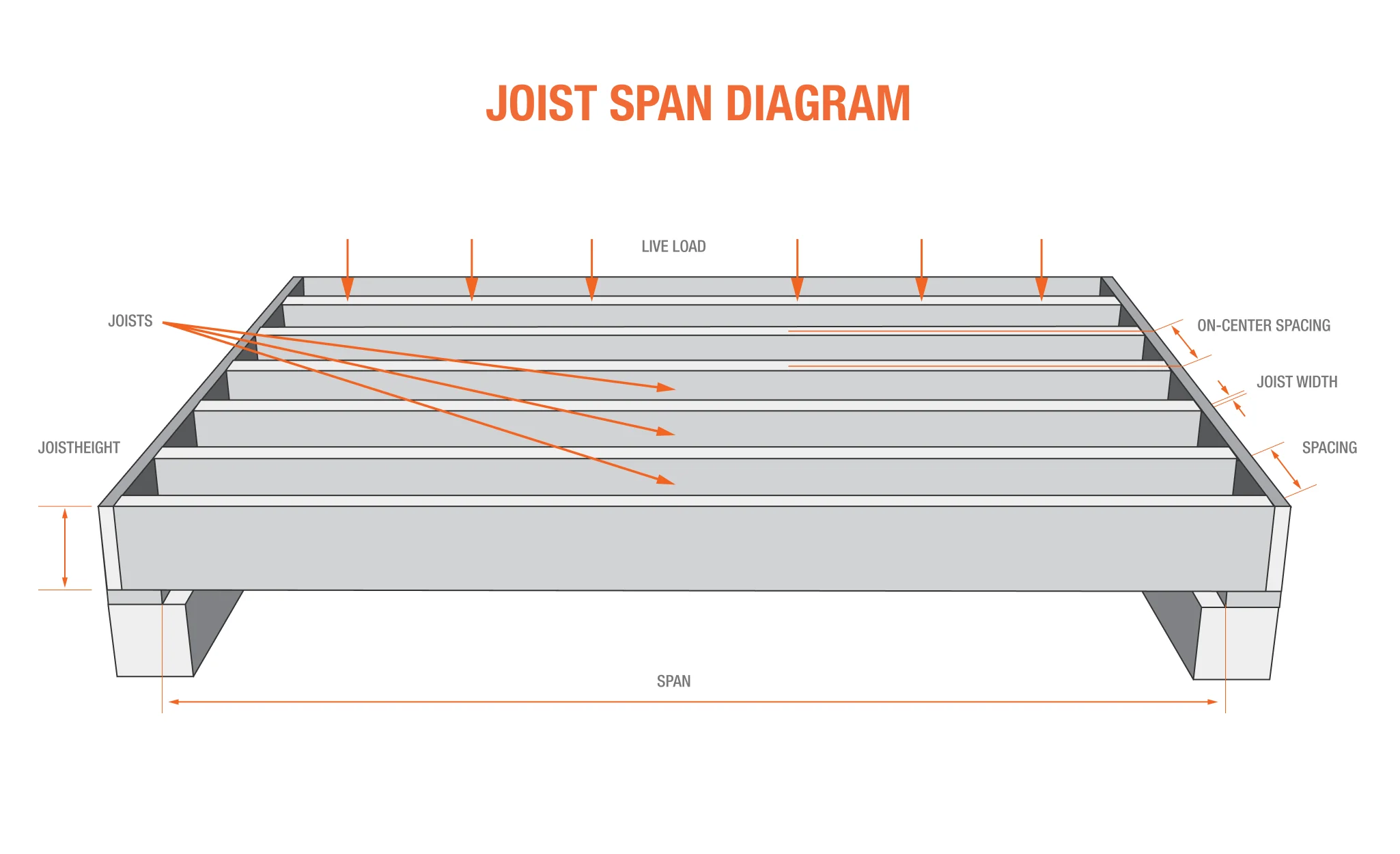
The most frequent answer to the question how far apart are floor joists in old houses is “typically 16 inches on center,” meaning the center of one joist is 16 inches from the center of the next. This 16‑inch on‑center (OC) spacing became a standard in the United States during the early 20th century because it offered a good balance between material cost and structural strength.
However, many pre‑World War II homes, especially those built before the 1930s, used 12‑inch OC spacing. Builders of that era favored closer joist placement to accommodate heavier plaster ceilings and to reduce deflection under heavy loads. In some rural or regional constructions, you might even encounter 24‑inch OC spacing, which was common in barn‑style homes where the floor loads were lighter.
How Far Apart Are Floor Joists in Old Houses? Regional Variations
- New England: 16‑inch OC is dominant, but many colonial‑era homes retain 12‑inch OC for added rigidity.
- Midwest: A mix of 16‑inch and 24‑inch OC, depending on whether the home was built with balloon framing or platform framing.
- Southern States: Wider spacing (24‑inch OC) is more common, especially in homes with raised foundations to combat humidity.
Understanding how far apart are floor joists in old houses for your specific region helps you anticipate the type of subfloor you’ll need and whether additional support will be required for modern design elements.
Measuring Joist Spacing: Practical Steps for Homeowners

Before you decide on a new flooring material or plan a heavy renovation, verify the actual spacing in your own home. Here’s a simple process to answer how far apart are floor joists in old houses without hiring a structural engineer.
Step‑by‑Step Guide to Determine Joist Distance
- Remove a small section of baseboard or a floor vent cover to expose the joist ends.
- Use a tape measure to measure from the center of one joist to the center of the next.
- Record the measurement; if it reads 16 inches, you have the classic 16‑inch OC spacing.
- Check multiple locations because some older homes may have mixed spacing due to later additions.
If you discover that how far apart are floor joists in old houses varies within the same structure, you’ll need to plan each room’s flooring or décor treatment accordingly.
Impact of Joist Spacing on Modern Flooring Choices

Flooring manufacturers design their products around standard joist spacing. When you know how far apart are floor joists in old houses, you can select a material that will perform well without excessive sagging or squeaking.
Hardwood, Engineered Wood, and Laminate
Most hardwood and engineered wood flooring systems require a subfloor that spans no more than 16 inches between joists. If you discover that your home’s joists are spaced 24 inches apart, you’ll likely need a layer of ¾‑inch plywood or OSB underlayment to meet the manufacturer’s specifications.
Tile and Stone
Tile installations demand an even more rigid substrate. Knowing how far apart are floor joists in old houses helps you decide whether a cement backer board is sufficient or if a reinforced subfloor is necessary.
Carpets and Area Rugs
Carpets are forgiving, but the feel underfoot can change with joist spacing. If you’re selecting a rug size for a historic living room, consider checking out our guide on how to choose the right rug size for your space. Proper joist spacing ensures the rug stays flat and reduces the chance of uneven wear.
Renovation Considerations: Reinforcing or Adjusting Joist Spacing
When you’re tackling a major renovation—adding a bathroom, installing a home office, or creating an open‑concept layout—the original answer to how far apart are floor joists in old houses may no longer be adequate. Reinforcing joists or adding sister joists can increase load capacity and allow for modern design elements.
When to Add Sister Joists
- When installing heavy tile or stone flooring on a 24‑inch OC layout.
- When creating a new bathroom or laundry room that will house a washer, dryer, and tile.
- When the floor will support a large entertainment center or built‑in bookshelves.
Adding a sister joist—another joist fastened directly to the existing one—effectively reduces the spacing, bringing it closer to the ideal 16‑inch OC for many modern applications.
Designing Within Structural Limits: Decorating Tips for Historic Floors
Knowing how far apart are floor joists in old houses doesn’t mean you have to sacrifice style. In fact, it can inspire clever design solutions that highlight the home’s historic character while staying structurally sound.
Strategic Furniture Placement
Heavy furniture, such as a solid‑wood dining table, should be positioned so its weight is distributed over multiple joists. This avoids overloading a single joist, especially in rooms where how far apart are floor joists in old houses is 24 inches.
Creative Use of Area Rugs
Area rugs can mask minor floor imperfections and add a layer of protection. Pairing a well‑chosen rug with the right spacing ensures comfort and durability. For ideas on turning everyday items into décor statements, read our article on creative bottle décor ideas.
Choosing Kitchen Appliances
When updating the kitchen, the distance between joists influences the type of flooring you can install beneath appliances. A sturdy underlayment is key if the spacing is wider than 16 inches. For appliance selection, see our comparison of Bosch 800 vs 500 dishwasher models to find the perfect fit for your layout.
Quick Tips for Working with Historic Joist Layouts
- Measure in at least three different rooms to confirm consistency.
- Use a level and chalk line to map joist lines before laying flooring.
- If you find 24‑inch spacing, add a layer of ¾‑inch plywood to meet flooring specs.
- Distribute heavy loads across multiple joists whenever possible.
- Consult a structural engineer before removing or altering any joists.
Common Mistakes When Dealing with Old‑House Joist Spacing
Even seasoned DIYers can slip up when they overlook how far apart are floor joists in old houses. Here are the most frequent errors and how to avoid them:
- Assuming uniform spacing: Many historic homes have mixed spacing due to additions. Always verify each area.
- Skipping subfloor reinforcement: Installing tile over a 24‑inch OC layout without additional plywood often leads to cracks.
- Overloading a single joist: Placing a heavy piece of furniture directly over a joist gap can cause sagging.
- Neglecting moisture control: Older joists may be more susceptible to rot; ensure proper ventilation and moisture barriers.
Frequently Asked Questions
What is the most common joist spacing in houses built before 1950?
Most homes from that era use 16‑inch on‑center spacing, though many colonial‑style houses feature 12‑inch spacing for added strength.
Can I install engineered hardwood on a floor with 24‑inch joist spacing?
Yes, but you’ll need a solid subfloor—typically a ¾‑inch plywood or OSB layer—to meet the flooring manufacturer’s requirements and prevent flex.
How do I locate joists without removing flooring?
Use a stud finder set to “deep scan” mode, look for nail patterns on baseboards, or tap the floor and listen for a solid sound versus a hollow one.
Is it safe to add a heavy bathtub in a room where joists are 24 inches apart?
Only if you reinforce the joists with sister members or install a reinforced subfloor. Consult a structural engineer to ensure the load is safely distributed.
Do modern building codes require different joist spacing?
Current codes typically mandate 16‑inch OC for residential floors, but they also allow 24‑inch spacing when using engineered joists or stronger lumber grades.
Will adding a thick area rug improve the feel of a creaky floor?
A thick rug can dampen vibrations and reduce squeaks, but it won’t fix underlying structural issues. Proper joist reinforcement is the long‑term solution.
Understanding how far apart are floor joists in old houses equips you with the knowledge to make safe, stylish, and lasting improvements. Armed with accurate measurements, the right reinforcement techniques, and thoughtful décor choices, you can honor the historic integrity of your home while enjoying modern comforts.
Feel inspired to start your next renovation? Explore more design ideas, from small living‑room makeovers to clever storage solutions, and keep your historic home both beautiful and structurally sound.