

Table of Contents
- Understanding the Basics: What Does “Ton” Mean in an AC?
- Key Differences Between 4 Ton vs 5 Ton AC Units
- How to Properly Size an AC: Load Calculation Essentials
- Energy Efficiency: SEER Ratings and Operating Costs
- Impact on Interior Design and Home Layout
- Installation Considerations: Ductwork, Placement, and Noise
- Quick Tips for Choosing Between 4 Ton vs 5 Ton AC
- Common Mistakes and How to Avoid Them
- Frequently Asked Questions
When it comes to keeping your living space comfortable, the size of the air‑conditioning unit matters more than you might think. A 4 ton vs 5 ton AC debate is not just about numbers; it’s about how those numbers translate into temperature stability, energy bills, and even interior design choices. Homeowners often wonder which capacity will best suit their floor plan, climate, and lifestyle without over‑paying for excess cooling power.
This article walks you through the essential factors that influence the decision between a 4 ton and a 5 ton AC. We’ll explore load calculations, energy efficiency, installation considerations, and the subtle ways a cooling system can affect your home’s décor. By the end, you’ll have a clear roadmap for selecting the right unit that balances comfort, cost, and style.
Understanding the Basics: What Does “Ton” Mean in an AC?

The term “ton” in air‑conditioning refers to the amount of heat a unit can remove from a space in one hour. One ton equals 12,000 British Thermal Units (BTU). Therefore, a 4 ton AC can extract 48,000 BTU per hour, while a 5 ton unit handles 60,000 BTU. This measurement directly influences how quickly a room reaches the desired temperature and how the system handles fluctuating outdoor conditions.
Key Differences Between 4 Ton vs 5 Ton AC Units
- Cooling Capacity: A 5 ton unit offers roughly 25% more cooling power, useful for larger or poorly insulated spaces.
- Energy Consumption: Larger units typically draw more electricity, but modern models with high SEER ratings can narrow the gap.
- Initial Cost: Expect a higher upfront price for the 5 ton system, including the unit itself and potential ductwork upgrades.
- Space Requirements: A bigger condenser may need more clearance outdoors, influencing placement in your yard or balcony.
How to Properly Size an AC: Load Calculation Essentials
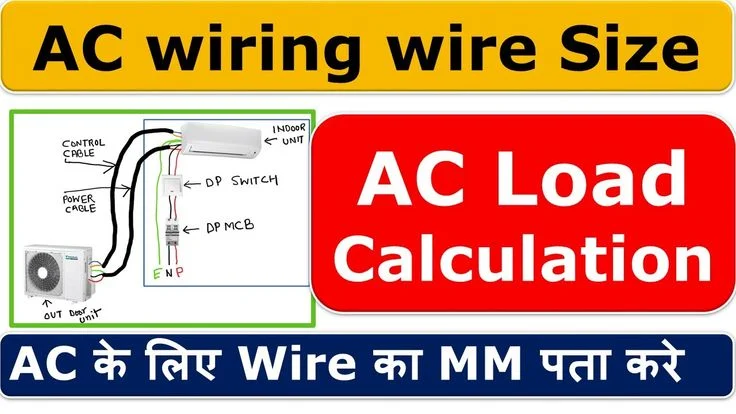
Before deciding between a 4 ton vs 5 ton AC, conduct a Manual J load calculation. This professional method accounts for square footage, ceiling height, window orientation, insulation levels, and the number of occupants. Skipping this step often leads to oversizing—causing short‑cycling, higher humidity, and wasted energy.
For example, a 2,200 sq ft open‑plan living area with high ceilings and large glass doors may need close to 5 tons, whereas a compact 1,800 sq ft floor plan with good insulation might be perfectly served by 4 tons.
Energy Efficiency: SEER Ratings and Operating Costs

Seasonal Energy Efficiency Ratio (SEER) is the metric that tells you how much cooling you get per watt of electricity. A 4 ton unit with a SEER of 16 can be more cost‑effective than a 5 ton model rated at SEER 13, despite the smaller capacity. Look for units that meet or exceed ENERGY STAR standards to keep monthly bills manageable.
When comparing 4 ton vs 5 ton AC options, calculate the estimated annual energy usage:
- Determine the unit’s SEER rating.
- Multiply the total BTU output (48,000 BTU for 4 ton, 60,000 BTU for 5 ton) by the estimated hours of operation per year.
- Divide by the SEER to get kilowatt‑hours, then multiply by your local electricity rate.
Impact on Interior Design and Home Layout
Beyond performance, the choice between 4 ton vs 5 ton AC influences how you arrange furniture, lighting, and décor. Larger units often require bigger ductwork, which can affect ceiling heights and wall finishes. If you love an open‑concept design, consider the visual footprint of the indoor air handler and choose a model that integrates seamlessly with your aesthetic.
For inspiration on integrating functional elements into a stylish setting, check out our guide on how to decorate a fish tank at home. The same principles of balance and proportion apply when selecting and positioning an air‑conditioning system.
Installation Considerations: Ductwork, Placement, and Noise
A 5 ton AC may demand larger ducts and a more robust condenser, which could mean extra construction costs. Ensure the outdoor unit has sufficient clearance for airflow—at least two feet on all sides—to maintain efficiency and reduce noise. Inside, the air handler should be placed where it won’t dominate the visual field, especially in living rooms or open bedrooms.
Professional installers can perform a “static pressure” test to confirm the existing ductwork can handle the extra airflow of a 5 ton unit without excessive strain. If the test fails, upgrading ducts becomes necessary, adding to the overall project budget.
Quick Tips for Choosing Between 4 Ton vs 5 Ton AC
- Start with a precise load calculation; never rely on square footage alone.
- Prioritize higher SEER ratings over sheer capacity when energy costs are a concern.
- Consider future home expansions—oversizing slightly now may avoid a second system later.
Common Mistakes and How to Avoid Them
Many homeowners make the error of selecting a unit based solely on price. A cheaper 4 ton model might struggle in a large, sun‑exposed room, leading to constant cycling and higher humidity. Conversely, a 5 ton unit installed in a modestly sized apartment can cause short‑cycling, wear out components faster, and create uncomfortable drafts.
Another pitfall is ignoring local climate. In hot, humid regions, a higher capacity unit paired with a good dehumidification feature can improve comfort significantly. In milder climates, a well‑sized 4 ton system with a robust thermostat may be more than enough.
Frequently Asked Questions
Can I upgrade from a 4 ton to a 5 ton AC later?
Yes, but it typically requires new ductwork, a larger condenser, and possibly electrical upgrades. Consulting an HVAC professional before the initial installation can save future retrofit costs.
What’s the ideal SEER rating for a 4 ton vs 5 ton unit?
Aim for SEER 15 or higher for both sizes. Higher SEER units deliver better savings, especially in regions with long cooling seasons.
Will a 5 ton AC make my home louder?
Not necessarily. Modern units are engineered for low noise. However, improper installation or undersized ducts can amplify sound, so professional setup is crucial.
How does an oversized AC affect indoor humidity?
An oversized system tends to shut off quickly, giving insufficient time to remove moisture. This can leave the indoor air feeling clammy despite a comfortable temperature.
Is it better to choose a variable‑speed compressor?
Variable‑speed compressors adapt their output to the load, improving comfort and efficiency for both 4 ton and 5 ton units. They are especially beneficial in homes with fluctuating occupancy or solar gain.
Choosing between a 4 ton vs 5 ton AC isn’t merely a numbers game; it’s about aligning cooling power with your home’s unique characteristics, energy goals, and design vision. By assessing load requirements, prioritizing high SEER ratings, and planning for proper installation, you can enjoy consistent comfort without unnecessary expense or design compromise.
Ready to make a confident decision? Review your home’s layout, calculate the exact cooling load, and consult a certified HVAC technician who can recommend the optimal tonnage. With the right choice, your indoor environment will stay pleasant, energy‑efficient, and beautifully integrated with your décor.