
Table of Contents
- Honey Oak vs Golden Oak: Visual Characteristics and Color Palette
- Honey Oak vs Golden Oak: How Light Affects Their Appearance
- Durability and Maintenance: What to Expect from Each Finish
- Styling Tips: Integrating Honey Oak vs Golden Oak in Different Rooms
- Living Room
- Bedroom
- Kitchen
- Cost Considerations: Budgeting for Honey Oak vs Golden Oak Projects
- Environmental Impact and Sustainability
- Quick Home Décor Tips for Honey Oak vs Golden Oak
- Common Mistakes to Avoid When Working with Honey Oak vs Golden Oak
- Frequently Asked Questions
- Bringing It All Together: Making the Right Choice for Your Home
Honey Oak vs Golden Oak: A Complete Comparison for Modern Home Décor
Choosing the right wood finish can feel like navigating a forest of options, especially when the subtle hues of oak dominate the market. Two popular selections, honey oak and golden oak, often appear side by side in showrooms and online catalogs, prompting homeowners and designers to wonder which will best suit their vision. Both finishes belong to the same oak family, yet they deliver distinct visual personalities, performance traits, and styling possibilities. Understanding these nuances helps you avoid costly mismatches and ensures that your living spaces—whether a cozy bedroom, an airy living room, or a sleek kitchen—reflect the aesthetic you desire. In this guide we’ll break down the characteristics, practical applications, and maintenance tips for honey oak vs golden oak, giving you the confidence to make an informed choice for any project.
Beyond pure aesthetics, the decision between honey oak and golden oak influences how a room feels over time. Light can shift the perceived warmth, furniture placement can accentuate grain patterns, and everyday wear can reveal the durability of each finish. By the end of this article you’ll be equipped with concrete design strategies, quick‑action tips, and answers to the most common questions—so you can select the wood tone that harmonizes with your overall décor style while standing up to daily life.
Honey Oak vs Golden Oak: Visual Characteristics and Color Palette
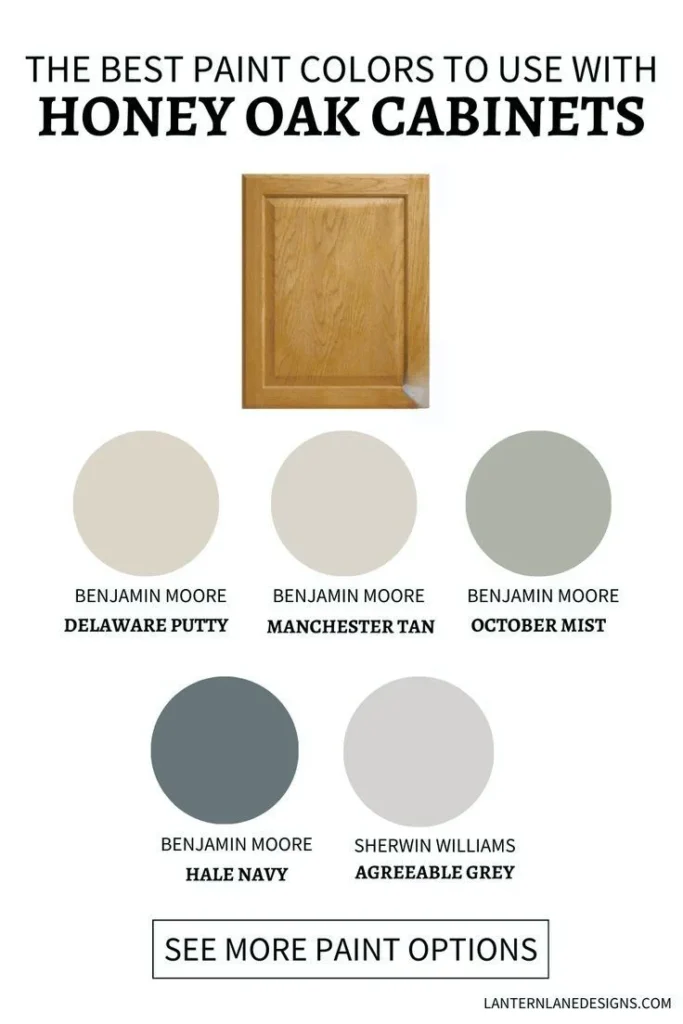
The most immediate difference between honey oak and golden oak lies in their color families. Honey oak embraces a warm, amber‑rich tone reminiscent of freshly harvested honey, often with subtle caramel undertones. The finish tends to highlight the natural grain, giving a slightly translucent look that adds depth without overwhelming the surrounding décor.
Golden oak, on the other hand, leans toward a buttery, sunshine‑infused hue. It sits a shade lighter than honey oak, with a creamy appearance that can brighten a room and reflect more natural light. The grain may appear slightly softened, offering a smoother visual experience.
When you view these finishes side by side, the contrast is clear: honey oak adds a cozy, intimate vibe, while golden oak creates an airy, uplifting atmosphere. Selecting between them often depends on the overall color scheme of your home. For example, if your walls are painted in cool greys or soft blues, golden oak can act as a luminous counterbalance. Conversely, honey oak pairs beautifully with earth tones, deep greens, or warm neutrals, reinforcing a grounded aesthetic.
Honey Oak vs Golden Oak: How Light Affects Their Appearance
Lighting plays a pivotal role in how each finish is perceived throughout the day. In rooms with abundant natural light, golden oak tends to sparkle, emphasizing its light‑filled character. Direct sunlight can make honey oak appear richer, deepening its amber notes. In low‑light environments, both finishes mellow, but honey oak retains a sense of warmth, whereas golden oak may look more muted. When planning your space, consider the direction of windows, the type of artificial lighting, and the presence of reflective surfaces to decide which tone will maintain its appeal from sunrise to sunset.
Durability and Maintenance: What to Expect from Each Finish

Beyond looks, homeowners care about how well a wood floor or cabinet will stand up to foot traffic, spills, and everyday wear. Both honey oak and golden oak are typically applied to solid or engineered oak using a polyurethane or oil‑based sealant, which determines the durability level.
- Resistance to scratches: A high‑gloss or semi‑gloss polyurethane finish on honey oak can provide a hard, protective layer, making it slightly more resistant to surface scratches than a softer oil‑based golden oak finish.
- Moisture tolerance: Engineered oak with a stable core reduces expansion, meaning both finishes perform well in kitchens and bathrooms, but golden oak’s lighter color can sometimes reveal water stains more quickly.
- Cleaning routine: Both finishes respond well to regular sweeping and damp mopping. Avoid harsh chemicals; a pH‑neutral wood cleaner preserves the integrity of the sealant.
If you prioritize a floor that endures high traffic, honey oak’s typically harder finish may be the better choice. For spaces where a softer, more tactile feel is desired—such as a bedroom or low‑traffic hallway—golden oak’s gentle sheen can be appealing without sacrificing durability.
Styling Tips: Integrating Honey Oak vs Golden Oak in Different Rooms
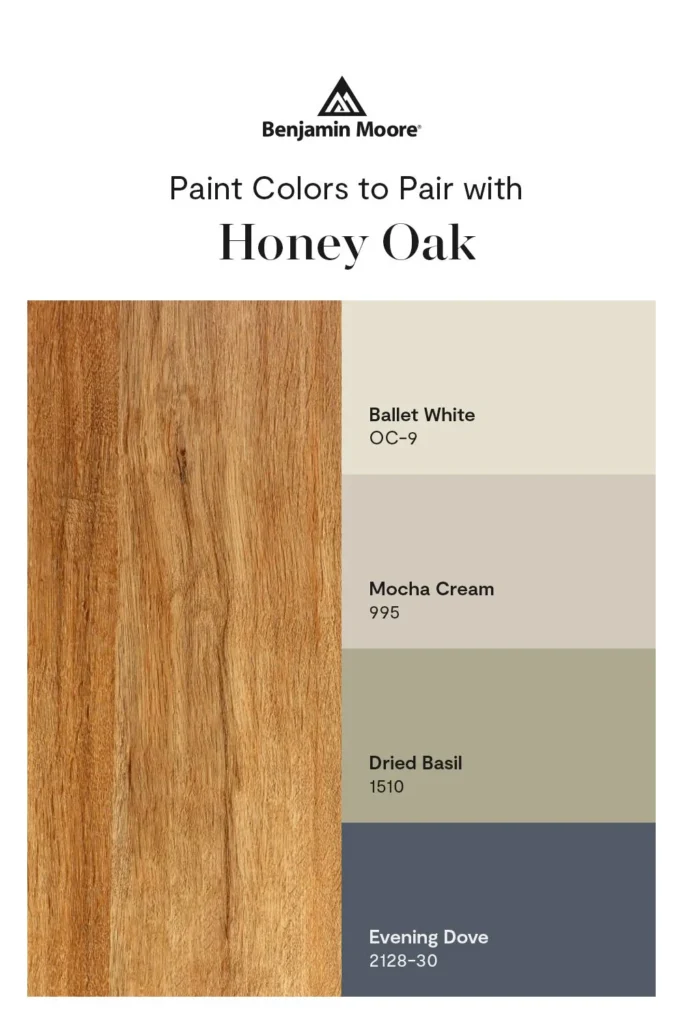
Each finish brings a unique mood to various rooms. Below are practical ideas for incorporating honey oak vs golden oak into specific interior design contexts.
Living Room
- Use honey oak flooring under a dark, plush sectional to create a cozy, anchored feel.
- Pair golden oak coffee tables with light‑colored walls and metallic accents for a breezy, contemporary vibe.
- Layer area rugs with natural fibers (jute or sisal) to add texture while protecting high‑traffic zones.
Bedroom
- Golden oak nightstands complement soft, pastel bedding, enhancing a serene retreat.
- Honey oak headboards add warmth to a monochrome palette, especially when combined with reclaimed wood décor.
- Consider a honey‑toned built‑in wardrobe for a statement piece that doubles as storage.
Kitchen
- Golden oak cabinets reflect under‑cabinet lighting, making smaller kitchens feel larger.
- Honey oak countertops (when paired with a durable quartz overlay) introduce a warm contrast to stainless appliances.
- For a cohesive look, match the floor to the cabinet finish—choose honey oak flooring with honey oak cabinets, or mix golden oak floors with darker countertops for visual interest.
These examples illustrate that the decision between honey oak vs golden oak is less about right or wrong and more about aligning the finish with the emotional tone you wish to evoke in each space.
Cost Considerations: Budgeting for Honey Oak vs Golden Oak Projects
Price differences between the two finishes are generally modest, but several factors influence the final cost:
- Material source: Solid oak tends to be pricier than engineered oak. Both honey oak and golden oak are available in each, so choose based on budget and performance needs.
- Finish type: High‑gloss polyurethane finishes can add $1–$2 per square foot compared to matte oil finishes, impacting the overall expense.
- Installation complexity: Intricate patterns (herringbone, chevron) increase labor costs regardless of finish, but the visual impact can justify the investment.
On average, honey oak flooring may run slightly higher due to the deeper staining process, whereas golden oak often benefits from a more streamlined finishing approach. When budgeting, allocate roughly 10–15% of your total interior design spend for wood finishes, and remember to factor in maintenance tools—such as a quality microfiber mop and gentle wood cleaner—to protect your investment.
Environmental Impact and Sustainability
Eco‑conscious homeowners increasingly evaluate the environmental footprint of their material choices. Both honey oak and golden oak can be sourced responsibly, but there are nuances to consider.
- Forest Stewardship Council (FSC) certification: Look for FSC‑labelled oak to ensure that the wood comes from responsibly managed forests.
- Low‑VOC finishes: Water‑based polyurethane finishes emit fewer volatile organic compounds, making them healthier for indoor air quality. Many golden oak products are finished with low‑VOC formulas, while honey oak manufacturers are catching up.
- Recyclability: Both solid and engineered oak can be reclaimed or repurposed, extending the life cycle of the material.
Choosing either finish from a sustainable supplier supports responsible forestry and reduces the carbon footprint of your renovation. If sustainability is a top priority, prioritize certifications and low‑impact finishes over subtle color differences.
Quick Home Décor Tips for Honey Oak vs Golden Oak
- Use a warm-toned rug to amplify honey oak’s amber richness in living areas.
- Introduce mirrored accessories with golden oak to bounce light and enhance brightness.
- Mix metal finishes—brass with honey oak, brushed nickel with golden oak—to create cohesive accents.
- Apply a matte sealant on golden oak in high‑traffic zones to hide minor wear while preserving its soft sheen.
- Layer textures: combine a plush velvet sofa with honey oak flooring for a balanced, tactile environment.
Common Mistakes to Avoid When Working with Honey Oak vs Golden Oak
Even seasoned designers can stumble when integrating these finishes. Here are pitfalls and how to sidestep them:
- Over‑matching: Selecting honey oak flooring with identical honey oak furniture can create a monotone look. Break the pattern with contrasting textiles or a bold accent wall.
- Ignoring lighting: Installing golden oak in a dimly lit basement may make the space feel washed out. Pair with warm LED bulbs to maintain its inviting quality.
- Skipping a test sample: Always place a large sample board in the actual room for at least 48 hours to observe how light shifts affect the color.
- Neglecting moisture protection: In bathrooms, use a high‑quality sealant and consider radiant floor heating to prevent warping, regardless of whether you choose honey oak or golden oak.
- Using harsh cleaners: Abrasive cleaners can strip the finish, especially on golden oak’s softer sheen. Stick to pH‑neutral wood cleaners.
By staying aware of these common errors, you can preserve the beauty and longevity of your wood surfaces.
Frequently Asked Questions
Is honey oak more expensive than golden oak?
Generally, honey oak may carry a slight premium due to deeper staining and sometimes higher‑grade finishes, but the price gap is usually small. The final cost depends on material type (solid vs engineered) and installation complexity.
Can I use honey oak flooring in a pet‑friendly home?
Yes. With a durable polyurethane sealant, honey oak can withstand pet traffic and minor scratches. Regular maintenance—sweeping daily and spot‑cleaning spills—will keep the surface looking fresh.
Does golden oak show wear faster than honey oak?
Golden oak’s lighter color can make surface scratches and water stains more noticeable, but a high‑quality finish mitigates this. Both finishes age gracefully when properly maintained.
Which finish is better for small apartments?
Golden oak’s lighter tone often creates an illusion of space, making it a popular choice for compact interiors. However, honey oak can also work if you aim for a warm, cozy ambiance.
How do I match hardware with honey oak vs golden oak?
Warm metals like brushed brass or oil‑rubbed bronze complement honey oak, while cooler tones such as polished nickel or chrome pair well with golden oak. Consistency in metal finish throughout a room enhances cohesion.
Bringing It All Together: Making the Right Choice for Your Home
The decision between honey oak vs golden oak ultimately rests on the story you want your home to tell. If you crave a snug, inviting environment where the grain whispers of natural warmth, honey oak is an excellent candidate. If you prefer a brighter, more open atmosphere that reflects sunlight and accentuates contemporary lines, golden oak fits the bill. Both finishes can be sourced responsibly, perform well under daily use, and adapt to a variety of design schemes—from rustic farmhouse to sleek mid‑century modern.
Take the time to test samples, consider lighting, and align the finish with your existing palette and furniture. By doing so, you’ll ensure that the wood flooring or cabinetry you choose not only looks stunning today but also matures gracefully over the years, enhancing the character of your space.
Ready to see these finishes in action? Explore our lifeproof vs coretec: Choosing the Best Flooring for Modern Homes guide for a broader look at flooring options, or check out our Modern Neutral Apartment Styling – A Complete Guide for inspiration on blending wood tones with contemporary décor. For a quick glance at how to integrate wood finishes with textiles, read our Living Room Décor with Layered Textiles – A Stylish Guide.