
Table of Contents
- kitchen counter décor ideas with plants: creating a green focal point
- kitchen counter décor ideas with plants: how to choose the right pot size
- Choosing the right plants for a kitchen counter
- Practical care checklist for kitchen plants
- Styling containers and pots for countertop charm
- Creative container ideas for kitchen counter décor
- Layering textures: combining plants with accessories
- Texture‑mixing checklist
- Space‑saving plant arrangements for small kitchens
- Vertical solutions for tight countertops
- Seasonal swaps and maintenance tips
- Quick Home Décor Tips
- Common Mistakes and How to Avoid Them
- Frequently Asked Questions
- Conclusion
Kitchen Counter Décor Ideas with Plants: Fresh Green Styling for Modern Homes
Turning a functional kitchen surface into a visual centerpiece can feel daunting, especially when you’re juggling cooking prep, gadgets, and limited space. Yet one of the simplest, most rewarding ways to elevate the look of your countertop is by incorporating living greenery. Plants not only add a splash of color and texture, they improve air quality, create a calming atmosphere, and subtly signal that your home is cared for.
In this guide we’ll explore a variety of kitchen counter décor ideas with plants that suit every style, from sleek minimalism to cozy farmhouse. You’ll learn how to choose the right species, match containers to your design palette, and keep everything thriving without sacrificing practicality. By the end, you’ll have a toolbox of ideas ready to transform your countertop into a stylish, health‑boosting oasis.
kitchen counter décor ideas with plants: creating a green focal point

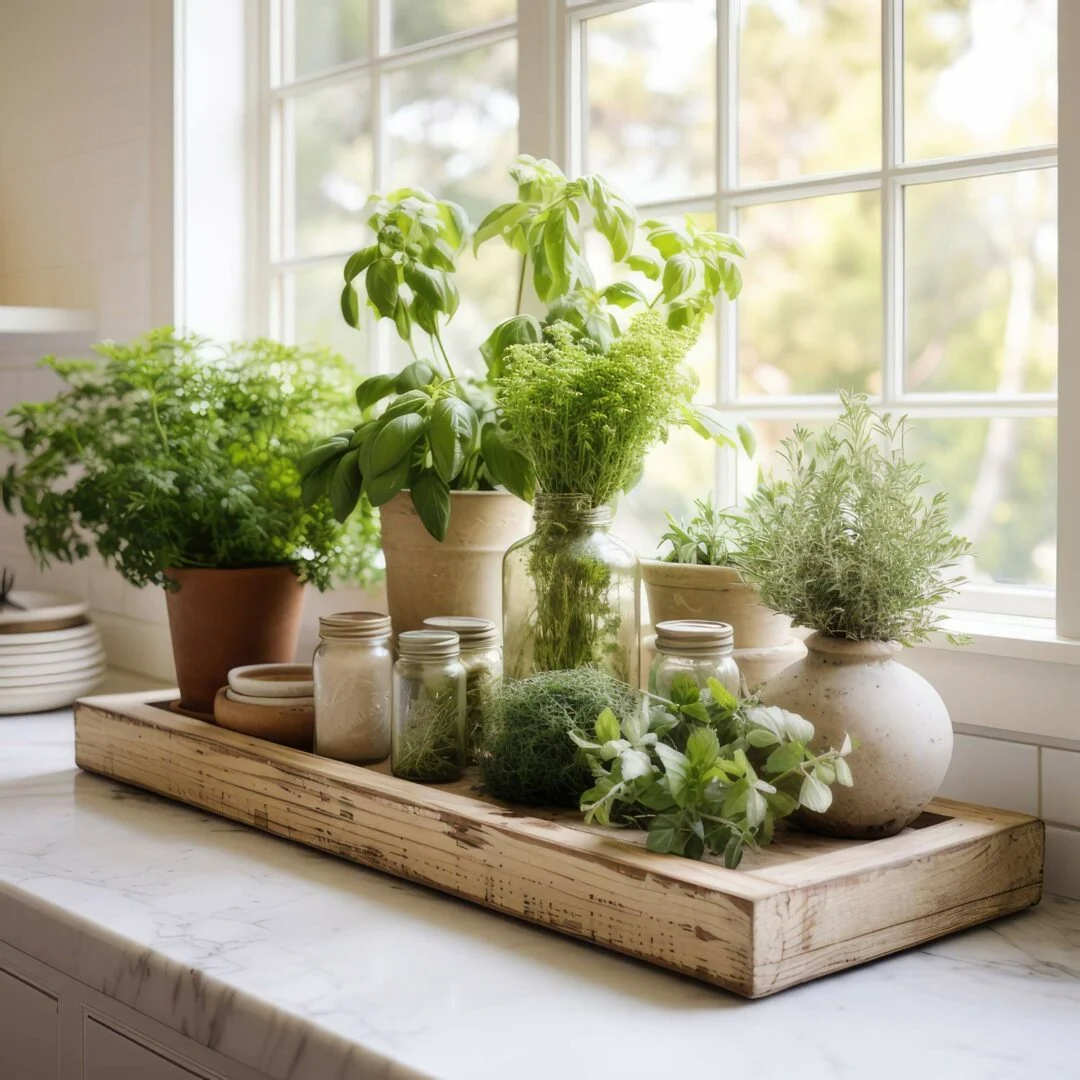
When you first think about kitchen counter décor ideas with plants, the image of a single, striking pot often comes to mind. A well‑placed focal plant can instantly draw the eye and become the room’s visual anchor. Choose a plant with a bold silhouette—like a fiddle‑leaf fig, a snake plant, or a tall ZZ plant—and pair it with a sleek, matte‑finished pot that complements your countertop material. The contrast between the glossy stone or wood surface and the matte ceramic or concrete pot adds depth without clutter.
Position the focal plant where it’s most visible: directly in front of the sink, beside the stovetop, or on a pull‑out island. Ensure it’s not in the direct line of heat or water splashes, which could stress the foliage. Adding a small decorative tray underneath can catch any stray water droplets while also providing a tidy platform for other décor items.
kitchen counter décor ideas with plants: how to choose the right pot size
- Measure the diameter of your plant’s root ball; the pot should be 2–3 inches larger to allow for growth.
- Consider the height of the plant relative to the countertop. A plant that sits too tall may block sightlines, while a very low plant can get lost among appliances.
- Match the pot material to your kitchen’s aesthetic—terra cotta for rustic vibes, brushed metal for industrial looks, or clear glass for a modern touch.
Choosing the right plants for a kitchen counter
The success of your kitchen counter décor ideas with plants hinges on selecting species that thrive in the unique kitchen environment. Kitchens often have fluctuating humidity, occasional drafts, and variable light. Herbs such as basil, mint, and rosemary love the bright, indirect light near a window and can double as fresh cooking ingredients. For lower‑light spots, consider pothos, philodendron, or peace lily, all of which tolerate dimmer conditions.
When selecting, think about maintenance frequency. If you’re new to plant care, start with a hardy succulent like an echeveria or a jade plant—they require minimal watering and can handle occasional neglect. For a more vibrant display, combine a trailing vine with an upright succulent to add dimension and movement.
Practical care checklist for kitchen plants
- Light: Aim for 4–6 hours of indirect sunlight; use a sheer curtain if the window gets harsh midday rays.
- Water: Water only when the top inch of soil feels dry. Over‑watering is the most common mistake on countertops.
- Humidity: Place a small pebble tray filled with water beneath the pot; as the water evaporates, it raises local humidity.
- Temperature: Keep plants away from direct heat sources like the stovetop, oven, or dish dryer vent.
Styling containers and pots for countertop charm
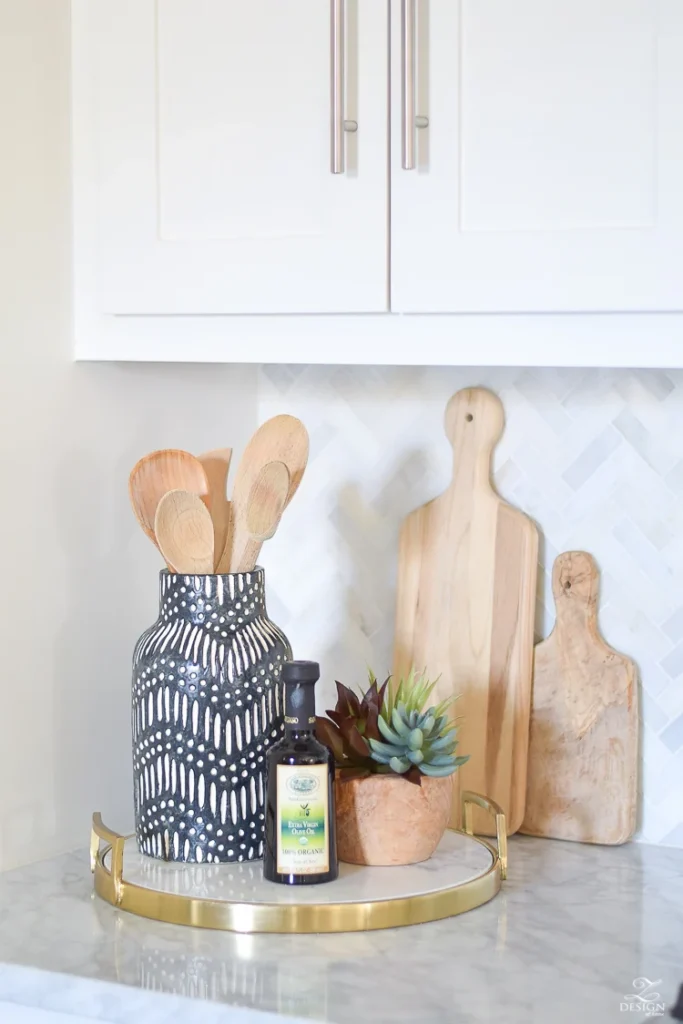
Containers are the unsung heroes of kitchen counter décor ideas with plants. The right pot can either blend seamlessly into the kitchen’s design language or become a decorative accent that sparks conversation. When you have a monochrome countertop—think white marble or black quartz—choose pots in contrasting colors to create visual interest. Conversely, a wooden or patterned countertop can be softened with neutral-toned pots.
Texture plays a crucial role. Matte ceramic, woven rattan, and brushed stainless steel each bring a tactile quality that complements the smoothness of countertops. For a cohesive look, pick pots that echo other hardware finishes in the kitchen, such as cabinet handles or faucet fixtures.
Creative container ideas for kitchen counter décor
- Tiered stands: Perfect for grouping herbs; a three‑level metal stand lets you display basil, thyme, and chives in a compact footprint.
- Hanging glass globes: Suspend small succulents from a ceiling hook near the countertop for a floating garden effect.
- Recycled jars: Clean, repurposed mason jars add a rustic charm and can be painted or labeled for a personalized touch.
Don’t forget to check the weight of your chosen container. Heavy stone pots can tip over if the countertop is slick, while lighter options may need a stabilizing base.
Layering textures: combining plants with accessories
To truly master kitchen counter décor ideas with plants, think beyond the plant itself and consider how accessories can amplify the green theme. Pairing a plant with natural wood cutting boards, woven baskets, or copper spice jars creates a layered look that feels curated rather than random.
For example, place a small snake plant next to a stack of reclaimed wood bowls. The plant’s vertical lines echo the grain of the wood, while the earthy tones tie the two elements together. Adding a metallic tray—perhaps brushed brass—can introduce a subtle shine that reflects light, making the whole arrangement feel brighter.
Texture‑mixing checklist
- Wood: Cutting boards, utensil holders, or a small wooden crate.
- Metal: Copper spice tins, stainless steel trays, or brass candle holders.
- Fabric: Linen napkins, woven placemats, or a small jute rug under the plant arrangement.
- Glass: Clear vases, decorative bottles, or a glass terrarium for air plants.
By thoughtfully mixing these textures, you turn a simple plant placement into a cohesive, Instagram‑ready vignette that feels both functional and decorative.
Space‑saving plant arrangements for small kitchens
Limited countertop real estate is a common challenge, but it also sparks creativity. Compact kitchens can still benefit from kitchen counter décor ideas with plants by using vertical space and multi‑functional containers. A narrow, tall planter can fit between the fridge and the wall, while a slim rail mounted under a cabinet can hold trailing vines without occupying precious surface area.
Consider a “plant stack”—a set of three shallow dishes of decreasing size stacked together. The top dish holds a small succulent, the middle a herb, and the bottom a larger foliage plant. This arrangement maximizes height while keeping the footprint minimal.
Vertical solutions for tight countertops
- Wall‑mounted pot shelves: Install a floating shelf a few inches above the countertop and line it with small pots.
- Magnetic planters: Attach magnetic pots to the side of a stainless steel fridge for a decorative accent.
- Hanging pegboard: Use a pegboard with hooks to suspend containers, keeping the surface clear for food prep.
These ideas ensure you don’t have to sacrifice style for space, and they keep the countertop functional for daily cooking tasks.
Seasonal swaps and maintenance tips
Plants are living décor, which means they evolve with the seasons. Rotating your kitchen counter décor ideas with plants throughout the year keeps the space feeling fresh and aligned with seasonal color palettes. In spring, swap out deep‑green foliage for light‑hearted pastel succulents. Summer is perfect for bold, flowering plants like African violets or small geraniums, while fall invites rich, earthy tones like kalanchoe or pothos with variegated leaves.
Maintenance is equally important. Regularly dust leaves with a soft cloth to ensure photosynthesis isn’t hampered. Rotate pots every few weeks so each side receives even light exposure. Finally, keep an eye on pests—spider mites and aphids love the warm kitchen environment. A quick rinse with lukewarm water or a natural neem oil spray can resolve most infestations without harsh chemicals.
Quick Home Décor Tips
- Group plants of similar water needs together to simplify watering routines.
- Use a clear acrylic tray to corral pots, keeping them level and catching any drips.
- Introduce scented herbs like rosemary or lavender for a subtle aroma that complements cooking.
Common Mistakes and How to Avoid Them
Even seasoned décor enthusiasts can stumble when integrating greenery into a kitchen workspace. Below are frequent pitfalls and practical fixes.
- Overcrowding: Packing too many pots onto a single counter can impede movement and create visual chaos. Stick to a maximum of three focal items, using vertical solutions for additional greenery.
- Ignoring light patterns: Placing shade‑loving plants in direct sunlight leads to scorched leaves. Conduct a light test by placing a piece of paper on the counter for a day; the shadow it casts indicates the sun’s path.
- Choosing the wrong soil: Kitchen plants need well‑draining soil to prevent root rot. A mix of potting soil, perlite, and peat moss works well for most indoor varieties.
- Neglecting humidity: Dry kitchen air can cause leaf browning. Position a small humidifier nearby or mist leaves lightly during winter months.
Frequently Asked Questions
Can I keep herbs on my kitchen counter all year round?
Yes, most culinary herbs such as basil, thyme, and mint thrive in bright, indirect light. Ensure they receive at least 4–6 hours of light and keep the soil consistently moist but not soggy. Rotate pots regularly to encourage even growth.
What are the best low‑maintenance plants for a busy kitchen?
Snake plants, ZZ plants, and pothos are excellent choices because they tolerate low light and infrequent watering. Succulents like haworthia or aloe vera also require minimal care and add a sculptural element.
Is it safe to have edible plants near the stove?
While most edible plants can tolerate the ambient heat of a kitchen, they should not be placed directly above a stovetop or under a vent where temperature spikes occur. Keep a safe distance—at least 12 inches—from any heat source.
How do I prevent my countertop plants from getting too dirty?
Place a decorative tray or saucer under each pot to catch water runoff. Wipe the tray daily and prune any fallen leaves promptly. Choosing pots with a smooth finish also makes cleaning easier.
Can I combine kitchen counter décor ideas with plants and other décor trends?
Absolutely. For instance, pairing a sleek marble countertop with a set of concrete planters echoes the modern neutral apartment styling trend. You can read more about this synergy in our guide on Modern Neutral Apartment Styling – A Complete Guide.
What if my kitchen has no natural light?
Consider full‑spectrum LED grow lights placed a few inches above the plants. A 12‑hour timer mimics natural daylight cycles, allowing shade‑loving varieties like ZZ plants to flourish.
Conclusion
Integrating plants into your countertop is more than a decorative flourish—it’s a lifestyle upgrade that brings nature’s calm into the heart of your home. By selecting suitable species, pairing them with thoughtful containers, and arranging them strategically, you can create kitchen counter décor ideas with plants that are both beautiful and functional. Remember to keep maintenance simple, respect the kitchen’s unique light and heat conditions, and enjoy the evolving character that living greenery adds to your daily routine. For further inspiration, explore other design topics on The Homara and keep experimenting; the perfect green setup is just a plant away.