
Table of Contents
- home styling with plants: Understanding Their Design Impact
- home styling with plants: Choosing the Right Species
- Designing Each Room: Tailored Plant Solutions
- Living Room Greenery
- Bedroom Serenity
- Kitchen Freshness
- Bathroom Oasis
- Styling with Planters: Containers as Design Statements
- Choosing the Right Size
- Low‑Maintenance Options for Busy Lifestyles
- Quick Home Décor Tips
- Common Mistakes and How to Avoid Them
- Frequently Asked Questions
Bringing greenery into the home is more than a trend; it’s a timeless design strategy that blends aesthetics with well‑being. When you think about home styling with plants, you’re envisioning spaces that breathe, color, and texture in ways that furniture alone cannot achieve. Whether you’re a first‑time renter or a seasoned homeowner, integrating plants can revitalize any room, improve indoor air quality, and create a welcoming atmosphere.
This guide walks you through practical decisions—from selecting the perfect species to arranging them for visual balance. You’ll learn how to match plant choices with lighting, scale, and personal style, while avoiding common pitfalls that can turn a green dream into a maintenance nightmare. By the end, you’ll have a toolbox of ideas ready to transform your living room, bedroom, kitchen, or even a compact studio.
home styling with plants: Understanding Their Design Impact
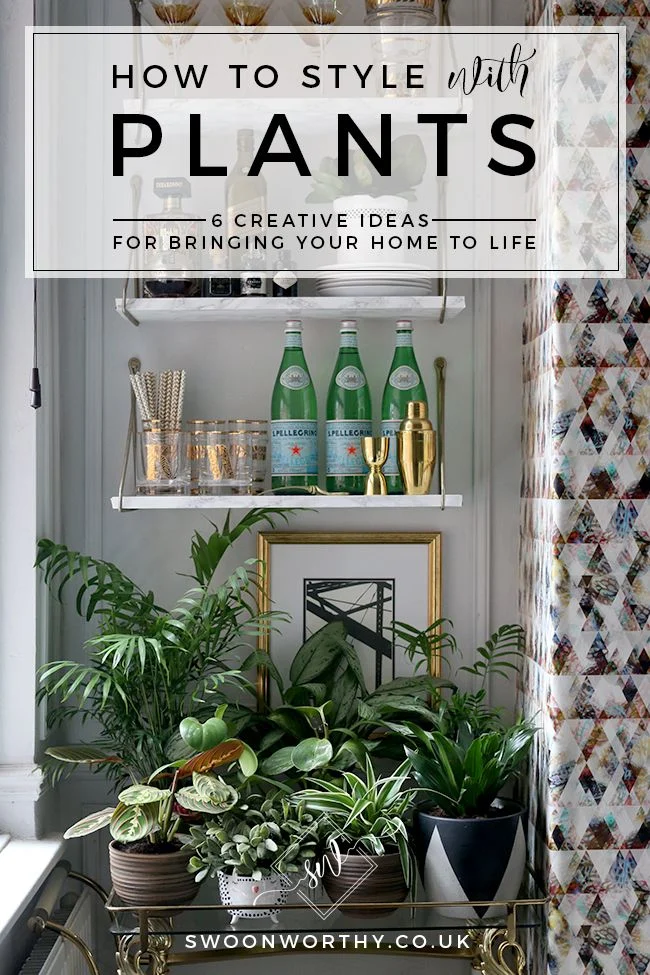
Plants serve as living décor elements, adding depth and softness that static objects can’t replicate. Their organic forms introduce a sense of rhythm, while the variety of leaf shapes and hues provides a natural palette that complements modern color schemes. In home styling with plants, the goal is to let foliage interact with architecture—softening sharp lines, highlighting textures, and guiding the eye through a room.
Beyond aesthetics, plants contribute to well‑being. Studies show that indoor greenery reduces stress, boosts productivity, and can even filter pollutants. This functional benefit makes them an essential part of any interior design plan, especially in spaces where occupants spend long hours, such as home offices or living rooms.
home styling with plants: Choosing the Right Species
Start by evaluating light levels, maintenance preferences, and the scale of the space. For bright, sun‑filled rooms, opt for succulents, fiddle‑leaf figs, or rubber plants. Low‑light areas benefit from snake plants, pothos, or ZZ plants. If you’re new to plant care, consider hardy varieties like ZZ or pothos, which tolerate occasional neglect.
Designing Each Room: Tailored Plant Solutions
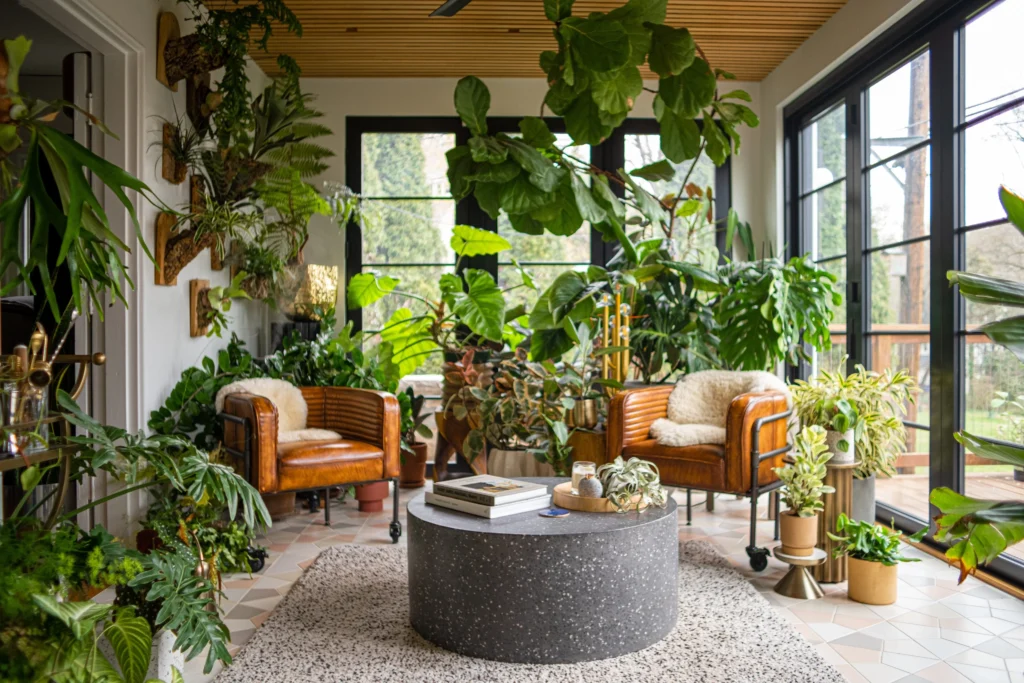
Every room has unique characteristics, and home styling with plants should respect those differences. Below are room‑by‑room suggestions that balance visual appeal with practicality.
Living Room Greenery
- Statement floor plant: A tall fiddle‑leaf fig or monstera adds drama and can become a focal point.
- Grouped tabletop plants: Arrange a collection of small succulents on a coffee table for a curated look.
- Hanging planters: Use macramé hangers to draw attention upward and free up floor space.
For a cohesive feel, match the pot colors with existing accent pieces. If your sofa is navy, consider matte black or woven ceramic pots to maintain harmony.
Bedroom Serenity
Bedrooms thrive on calm, so choose plants known for air‑purifying qualities. A peace lily on a bedside table not only looks elegant but also filters allergens. Small, trailing plants like string of hearts can be placed on a dresser, adding a gentle visual flow without overwhelming the space.
If you have limited floor area, a tall plant on a narrow floor lamp stand can create vertical interest while keeping the floor clear for night‑time movement.
Kitchen Freshness
Kitchen environments often have varying humidity and heat, making them ideal for herbs and resilient foliage. Position basil, rosemary, or thyme near a sunny window for a functional garden that also supplies fresh flavor. For decorative flair, place a small snake plant on the countertop; its upright leaves complement the linear nature of kitchen appliances.
Looking for more kitchen inspiration? Check out our Cozy Kitchen Decorating Ideas for a Warm & Inviting Home guide.
Bathroom Oasis
Bathrooms can host moisture‑loving plants like ferns, spider plants, or philodendrons. Place them on shelves or the back of the vanity where they can enjoy the humidity without direct splashes. Ensure the plant receives indirect light; a frosted window works well.
Styling with Planters: Containers as Design Statements
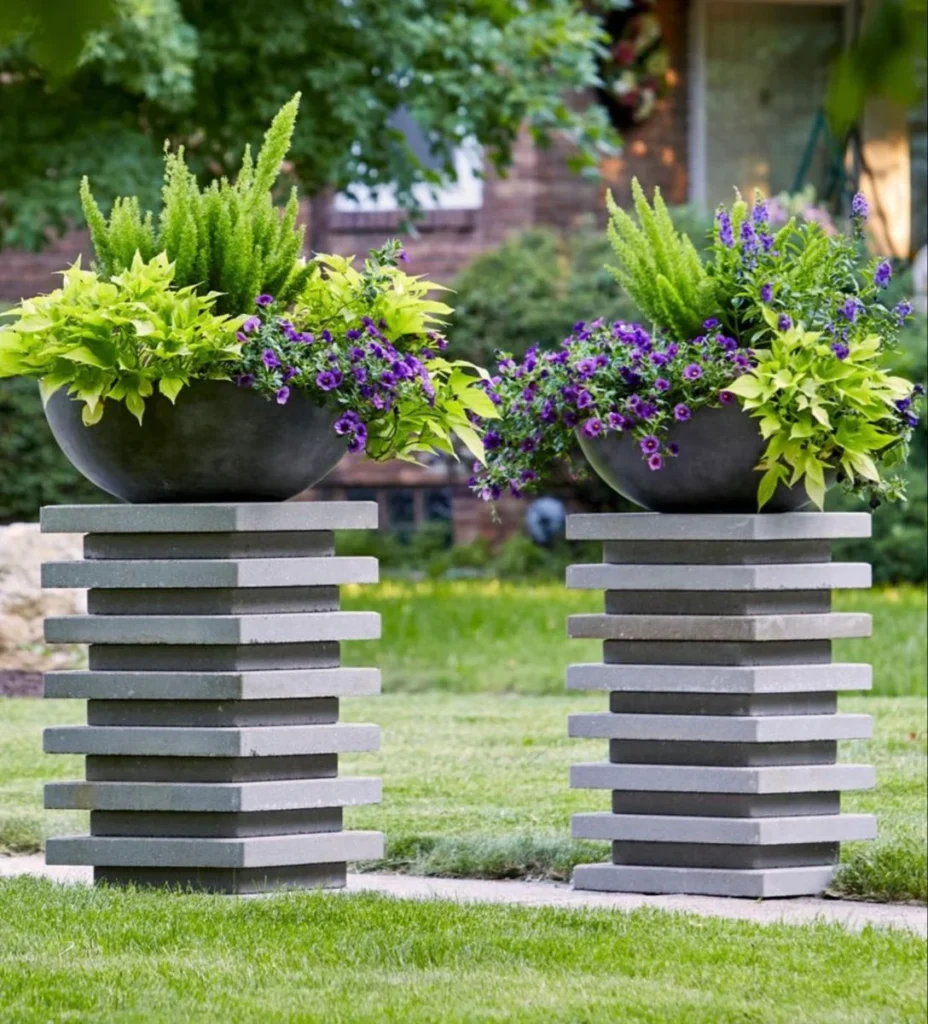
The container you choose is as important as the plant itself. A well‑selected planter can reinforce your interior style—whether that’s sleek minimalism, boho chic, or industrial edge. Materials like concrete, woven rattan, or glazed ceramic each convey a different vibe.
Mixing textures adds depth. Pair a matte terracotta pot with a glossy metallic planter within the same grouping for an eye‑catching contrast. If you’re unsure about mixing, stick to a uniform color palette and vary only the shape and material.
Choosing the Right Size
A plant’s pot should be proportionate to its foliage. An oversized pot can dwarf a small plant, making it look lost, while a cramped pot restricts growth. As a rule of thumb, select a container that’s one to two inches larger in diameter than the plant’s root ball.
Low‑Maintenance Options for Busy Lifestyles
Not everyone has time for daily watering. Fortunately, many plants thrive on minimal care. Here are top picks for those who want the benefits of home styling with plants without a steep time commitment:
- ZZ plant: Tolerates low light and infrequent watering.
- Snake plant: Stores water in its leaves, thriving on neglect.
- Cast iron plant: Lives up to its name, surviving drafts and low light.
Pair these with self‑watering pots or moisture‑retaining soil mixes to further reduce upkeep.
Quick Home Décor Tips
- Use a variety of heights: combine floor‑standing, tabletop, and hanging plants for layered interest.
- Group plants with similar water needs together to simplify care routines.
- Rotate pots occasionally to ensure even growth and prevent one side from leaning toward the light.
Common Mistakes and How to Avoid Them
Even seasoned decorators stumble over a few plant‑related errors. Recognizing these pitfalls early saves both time and money.
- Ignoring light requirements: Placing a sun‑loving ficus in a dim hallway leads to leggy, weak growth.
- Over‑watering: Many people think more water equals healthier plants; in reality, soggy soil causes root rot.
- Choosing pots without drainage: Without proper drainage, excess water accumulates, harming roots.
Before you purchase, assess each room’s natural light, and select pots with drainage holes or use a saucer to catch excess moisture.
Frequently Asked Questions
Can I use artificial light for indoor plants?
Yes, full‑spectrum LED grow lights mimic natural sunlight and are ideal for rooms with limited windows. Position the light 12‑18 inches above the foliage and run it for 10‑12 hours daily.
How often should I repot my houseplants?
Typically every 12‑18 months, or when you notice roots growing out of drainage holes. Repotting refreshes soil nutrients and gives roots more space.
Do plants improve indoor air quality?
Research indicates that certain species—such as peace lilies, snake plants, and spider plants—can reduce volatile organic compounds (VOCs) and increase oxygen levels.
What’s the best way to water succulents?
Allow the soil to dry completely between waterings. When you water, soak the soil thoroughly, then let any excess drain away.
Can I keep plants in a room with pets?
Yes, but choose non‑toxic varieties. Safe options include spider plants, Boston ferns, and areca palms. Avoid toxic plants like oleander or philodendron for households with curious pets.
How do I combine plants with existing décor?
Use plants to echo colors or textures already present. A teal sofa pairs nicely with a turquoise ceramic pot, while a rustic wooden table looks great with a woven basket planter.
For those interested in structural aspects of home improvement, our guide on how thick basement floor concrete should be offers detailed insights that complement any renovation project.
Choosing the right water filtration system can also enhance plant health. Compare options in our Ecowater vs Culligan review to ensure your tap water isn’t harming sensitive foliage.
If you’re remodeling a kitchen, understanding sink styles matters. Learn about the differences between undermount and farmhouse sinks to create a cohesive design that accommodates your plant selections.
Integrating plants into your home is a rewarding journey that blends creativity with nature. By selecting appropriate species, using thoughtful placement, and caring for them responsibly, you’ll enjoy a vibrant, healthier living environment.