

Table of Contents
- Ecowater vs Culligan: Core Technology Comparison
- Ecowater vs Culligan: Installation and Space Considerations
- Performance and Water Quality Outcomes
- Cost, Maintenance, and Long‑Term Value
- Design Integration: Matching Water Systems with Bathroom Aesthetics
- Quick Home Décor Tips for Water Treatment Integration
- Common Mistakes When Choosing a Water Softener
- Frequently Asked Questions
When it comes to delivering fresh, soft water throughout a household, two names dominate the market: Ecowater and Culligan. Both brands promise to protect plumbing, extend the life of appliances, and improve the taste of drinking water, yet they differ in technology, pricing, and service models. Understanding these differences is essential for homeowners who want a reliable system without overpaying or dealing with frequent repairs.
In this article, we’ll break down the core components of each system, compare performance metrics, and look at real‑world installation scenarios. Whether you’re renovating a bathroom, upgrading a kitchen faucet, or simply seeking a healthier water supply for your family, the insights here will help you make an informed decision.
We’ll also weave in practical design tips—like how a well‑chosen water treatment unit can complement modern bathroom aesthetics—and provide quick actionable advice, common pitfalls to avoid, and answers to frequently asked questions. By the end, you’ll have a clear picture of whether Ecowater or Culligan aligns best with your home’s needs and style.
Ecowater vs Culligan: Core Technology Comparison
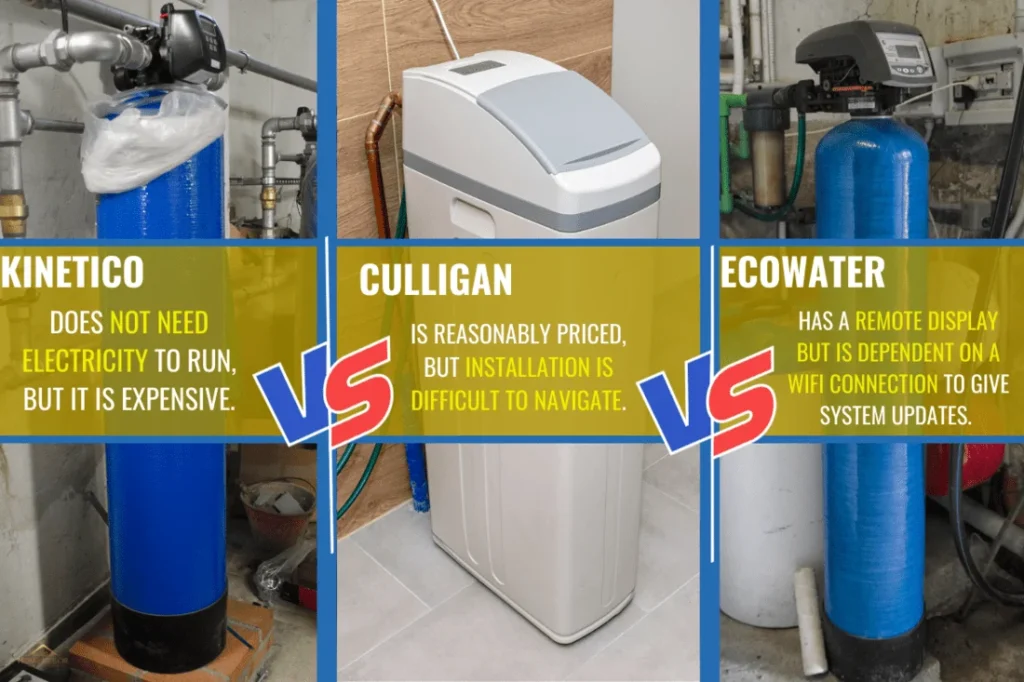
Both Ecowater and Culligan employ ion‑exchange technology to soften water, but they differ in how they manage hardness removal, regeneration cycles, and additional filtration stages. Ecowater often incorporates digital controls, allowing homeowners to set regeneration based on water usage patterns, which can lead to water savings of up to 30 %.
Culligan, on the other hand, has a long history of using demand‑initiated regeneration (DIR). This method triggers a regeneration only when a specific hardness threshold is reached, reducing unnecessary cycles. Some Culligan models also integrate carbon filters to address chlorine taste, an advantage for households concerned about drinking water quality.
Ecowater vs Culligan: Installation and Space Considerations
Installation size can be a deciding factor, especially in compact bathrooms or small apartments. Ecowater units typically feature a sleek, rectangular footprint that fits comfortably under a standard sink cabinet. Many models offer a “compact” version designed for tight spaces, making them a popular choice for modern bathroom remodels.
Culligan’s flagship models are often larger, requiring a dedicated utility closet. However, the brand provides a “slim line” series that mirrors the size of Ecowater’s compact units, offering flexibility for designers who prioritize a low‑profile look.
- Measure the available space before ordering.
- Consider the distance to the main water line; longer runs may affect pressure.
- Check local codes—some regions require professional installation for water softeners.
Performance and Water Quality Outcomes
When evaluating the effectiveness of Ecowater vs Culligan, look at hardness removal capacity (measured in grains per gallon, GPG) and the consistency of output water quality. Ecowater’s digital monitoring system provides real‑time hardness readings, giving homeowners immediate feedback on system performance.
Culligan’s strength lies in its proven track record of handling high‑hardness water in commercial settings. Their larger resin tanks can process higher flow rates without a drop in efficiency, which is advantageous for larger families or homes with multiple bathrooms.
For those interested in a broader scope of filtration, consider pairing a softener with a point‑of‑use carbon filter. This combination addresses both mineral buildup and chlorine taste, delivering a truly clean water experience.
Cost, Maintenance, and Long‑Term Value
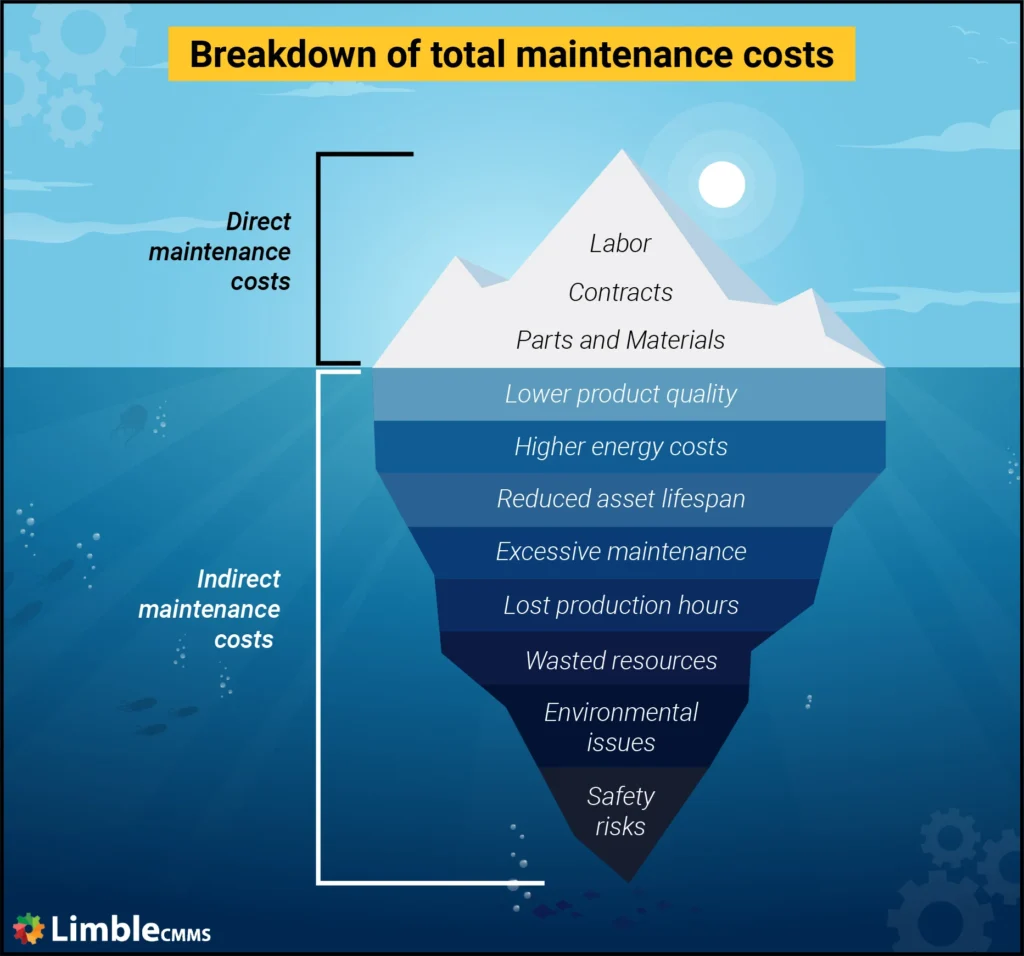
The upfront cost of Ecowater vs Culligan varies by model, capacity, and optional features. Ecowater generally offers a more transparent pricing structure, with many retailers providing a flat rate that includes delivery and installation. Maintenance contracts are optional, and the resin typically lasts 10–15 years before needing replacement.
Culligan often bundles a service agreement into the purchase price, which can include annual resin checks, free parts, and priority support. While this can increase the initial outlay, the long‑term peace of mind may appeal to homeowners who prefer an all‑inclusive package.
When budgeting, factor in:
- Initial equipment cost.
- Installation fees (professional vs DIY).
- Annual salt or potassium chloride consumption.
- Potential service contract fees.
Design Integration: Matching Water Systems with Bathroom Aesthetics
Choosing between Ecowater vs Culligan isn’t just a technical decision; it also influences the visual harmony of your bathroom. A compact, brushed‑nickel Ecowater unit can blend seamlessly with contemporary fixtures, while Culligan’s larger models can become a statement piece when paired with industrial‑style plumbing.
For inspiration on how water system placement can complement overall décor, explore our guide on cozy kitchen decorating ideas. The same principles of balance, proportion, and material coordination apply to bathroom design.
Consider using a matching panel or custom enclosure to conceal the unit, especially if you have a high‑end vanity. This approach maintains clean lines and prevents the water system from becoming a visual distraction.
Quick Home Décor Tips for Water Treatment Integration
- Install a small, decorative access panel that matches your tile pattern to hide the softener.
- Choose a unit with a digital display that can double as a subtle backlit accent.
- Pair a touchless kitchen faucet (how does a touchless kitchen faucet work) with a softener for a seamless, modern look.
- Use a slim‑line model to free up floor space for a stylish rug or floor‑standing plant.
- Coordinate the unit’s finish (chrome, brushed nickel, matte black) with other bathroom hardware for cohesion.
Common Mistakes When Choosing a Water Softener
Even seasoned homeowners can stumble over a few pitfalls. Here are the most frequent errors and how to avoid them:
- Ignoring Water Hardness Test Results: Skipping a proper water test can lead to oversizing or undersizing the system, causing inefficiency.
- Choosing Based Solely on Price: The cheapest option may lack essential features like demand‑initiated regeneration, resulting in higher long‑term costs.
- Neglecting Maintenance Requirements: Failing to schedule regular resin checks can reduce performance and shorten system life.
- Overlooking Space Constraints: Installing a bulky unit in a cramped bathroom can compromise functionality and aesthetics.
- Not Considering Future Needs: A growing family may require a larger capacity than the current model provides.
Frequently Asked Questions
What is the main difference between Ecowater and Culligan softeners?
Ecowater emphasizes digital controls and compact designs, while Culligan focuses on robust resin capacity and optional service contracts.
Do I need a professional to install either system?
Installation can be DIY for experienced homeowners, but many local codes require a licensed plumber, especially for Culligan’s larger models.
How often should I regenerate my softener?
Regeneration frequency depends on water usage and hardness levels; Ecowater’s smart sensors adjust automatically, whereas Culligan’s DIR triggers based on hardness thresholds.
Can a softener improve skin and hair health?
Yes, softer water reduces soap residue, leading to smoother skin and shinier hair, a benefit often noted by bathroom remodel enthusiasts.
Is there a significant taste difference in drinking water?
Both brands improve taste by removing minerals, but adding a carbon filter (often bundled with Culligan) further reduces chlorine and organic compounds.
How do I know which unit size I need?
Calculate daily water consumption (gallons per day) and multiply by water hardness (GPG). Most manufacturers provide sizing charts to match capacity.
Choosing the right water treatment system can feel daunting, but by weighing technology, cost, design, and maintenance, you’ll find a solution that fits both your practical needs and aesthetic preferences. Whether you lean toward Ecowater’s sleek digital approach or Culligan’s proven durability, the key is to align the system with your home’s specific water profile and style goals.
Ready to start your journey toward softer, cleaner water? Explore more home improvement ideas on The Homara, and let your bathroom become a showcase of both function and design.