
Table of Contents
- greenhouse vs grow lights: Understanding the Basics
- greenhouse vs grow lights: Light Quality and Spectrum
- Space Considerations – When to Choose a Greenhouse
- Energy Consumption and Cost Analysis
- Aesthetic Integration into Modern Home Décor
- Maintenance, Longevity, and Plant Health
- Hybrid Approaches – Combining Greenhouse Structure with Grow Lights
- Quick Home Décor Tips for Your Growing Space
- Common Mistakes to Avoid When Choosing Between Greenhouse and Grow Lights
- Frequently Asked Questions
Greenhouse vs Grow Lights: Find the Best Home Growing Solution
Whether you’re a seasoned gardener or a city‑dweller eager to nurture a few herbs on a windowsill, the decision between a traditional greenhouse and a modern grow‑light setup can feel overwhelming. Both options promise healthier plants, higher yields, and the joy of watching life sprout under your own roof, yet each brings its own set of requirements, costs, and aesthetic considerations. Understanding how they differ—and where they overlap—helps you make an informed choice that aligns with your lifestyle, budget, and interior design goals.
In this article we’ll dive deep into the practical, financial, and decorative aspects of greenhouse vs grow lights. You’ll learn how to evaluate space constraints, energy consumption, and plant health factors, while also discovering ways to blend your growing system seamlessly into the modern home. By the end, you’ll have a clear roadmap for selecting the solution that best fits your unique situation.
greenhouse vs grow lights: Understanding the Basics
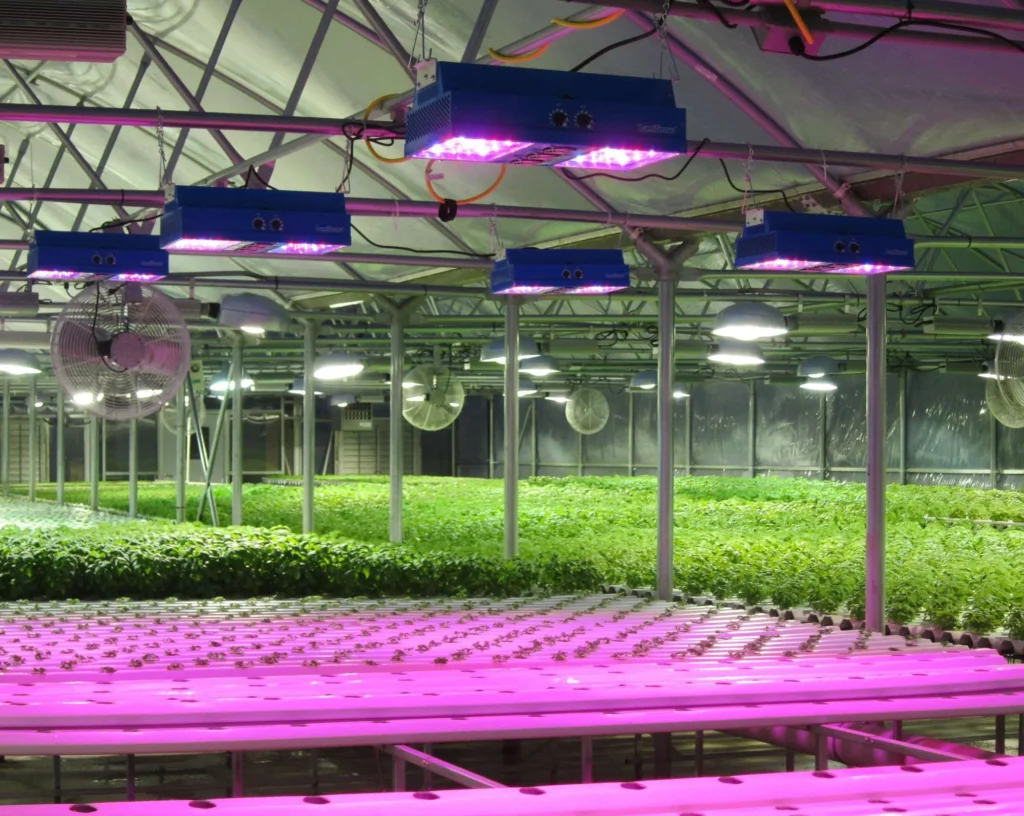
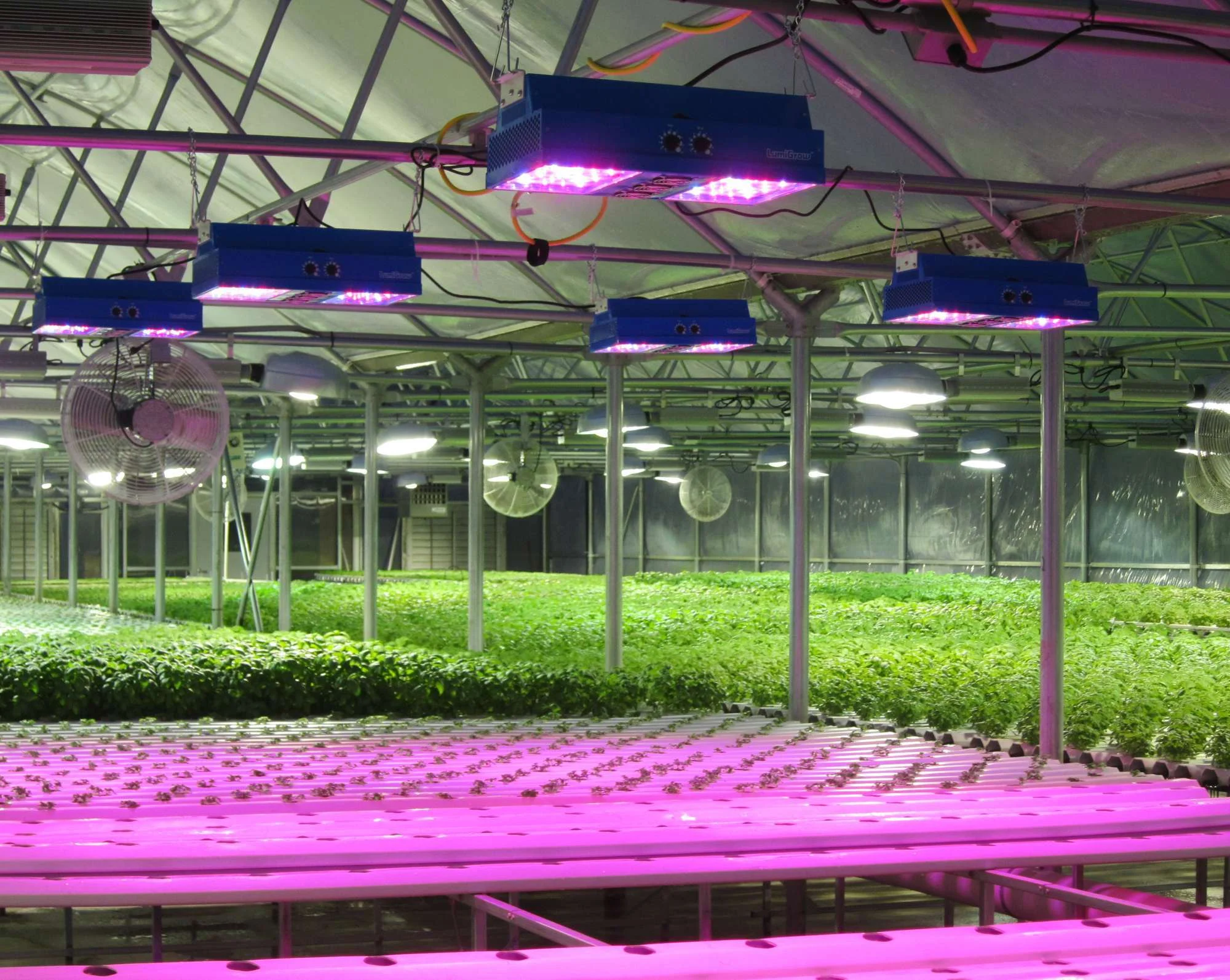
At the most fundamental level, a greenhouse is a physical structure that captures sunlight, traps heat, and creates a controlled micro‑climate for plants. It relies on natural solar radiation, which means the quality and intensity of light vary throughout the day and across seasons. Grow lights, on the other hand, are artificial lighting systems that can mimic or even enhance the solar spectrum, delivering consistent illumination regardless of external conditions.
The choice between a greenhouse and a grow‑light system often hinges on three core questions: Where do you have space? How much control do you need over light and temperature? And how much are you willing to invest in initial setup and ongoing electricity costs? Answering these questions will guide you toward the most efficient and aesthetically pleasing solution for your home.
greenhouse vs grow lights: Light Quality and Spectrum
One of the most critical factors for plant health is the light spectrum. Sunlight provides a full spectrum that includes ultraviolet (UV), visible, and infrared (IR) wavelengths, all of which play distinct roles in photosynthesis, pigment production, and flowering. A greenhouse delivers this natural blend, but cloud cover, shading from nearby structures, and seasonal changes can limit the amount of usable light.
Grow lights, especially full‑spectrum LEDs, are engineered to emit precise wavelengths that can be adjusted to match the growth stage of your plants—vegetative, flowering, or fruiting. This level of control can accelerate growth and improve yields, particularly for species that require specific light cues. However, artificial light lacks the subtle UV components of sunlight unless you add supplemental UV LEDs, which may increase cost and complexity.
Space Considerations – When to Choose a Greenhouse
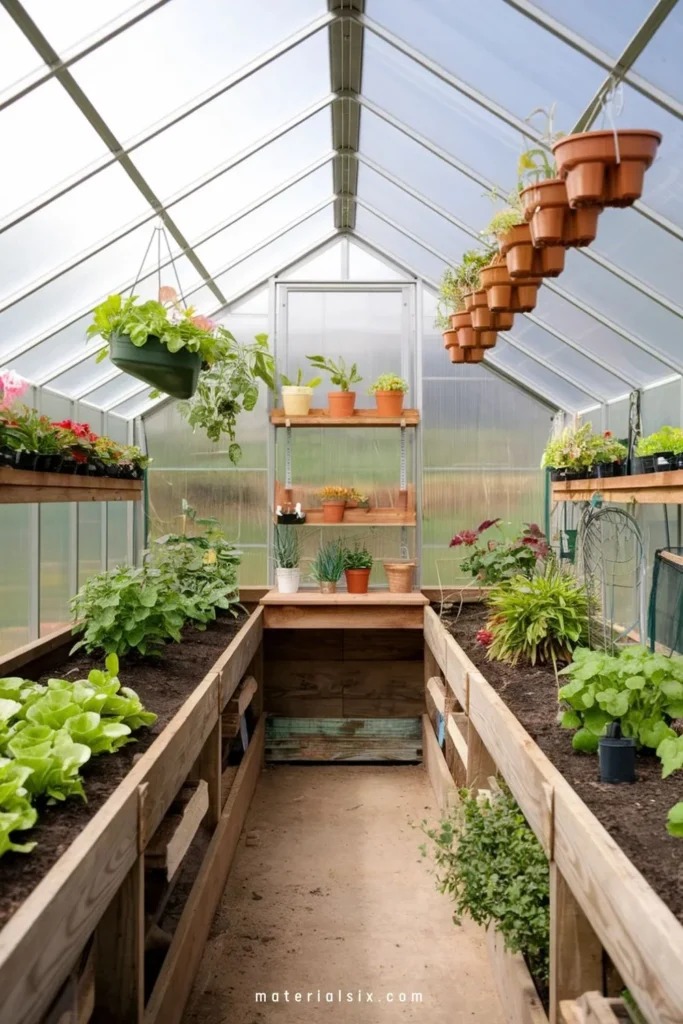
If you have a backyard, balcony, or even a spacious patio, a greenhouse can become a beautiful extension of your living area. It not only provides a functional growing environment but also serves as a decorative focal point. Greenhouses can be built in a range of sizes—from compact lean‑to models that occupy a corner of a balcony to full‑size walk‑through structures that double as outdoor lounges.
When evaluating space, consider the orientation of the structure. South‑facing placements capture the most sunlight throughout the day, reducing the need for supplemental heating in cooler months. In urban apartments where outdoor space is limited, a traditional greenhouse may be impractical, pushing you toward vertical grow‑light racks or wall‑mounted panels that occupy far less floor area.
Energy Consumption and Cost Analysis
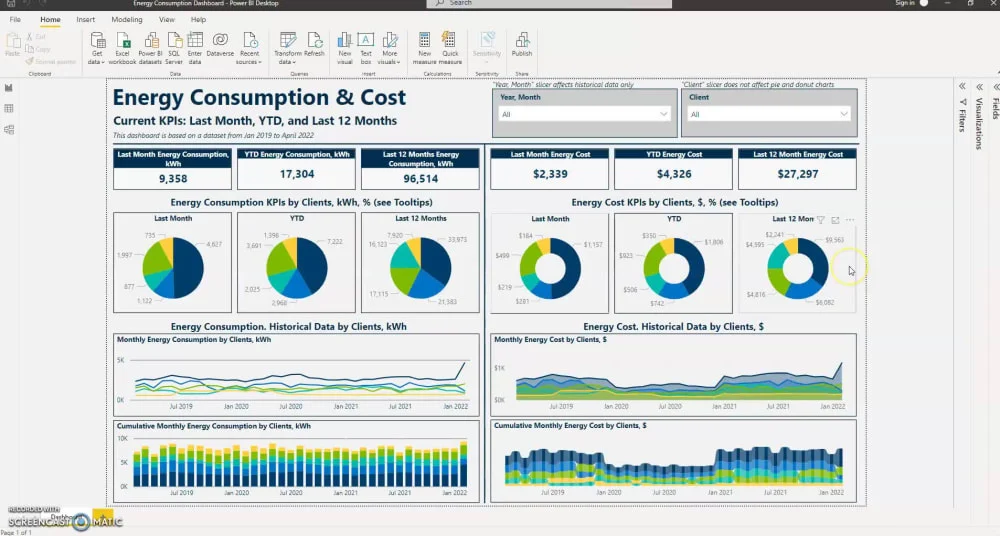
Running a greenhouse typically involves heating, ventilation, and sometimes supplemental lighting, especially in colder climates. While the initial cost of a modest greenhouse frame can be relatively low, the ongoing expense of maintaining temperature can add up. Insulated glazing, thermal screens, and passive solar designs can mitigate these costs but may increase the upfront investment.
Grow lights, particularly LEDs, have become remarkably energy‑efficient. Modern units can deliver up to 2.5 µmol/J (micromoles per joule) of photosynthetic photon flux, meaning they convert electricity into usable light very effectively. However, the electricity bill will reflect the total hours of operation. For a typical 600 W LED grow‑light run 12 hours a day, you’re looking at roughly 2.2 kWh per day, which translates to about $0.20‑$0.30 per day in many regions. Conducting a simple cost‑per‑year calculation—factoring in equipment lifespan, replacement bulbs, and maintenance—will reveal which option fits your budget best.
Aesthetic Integration into Modern Home Décor
One of the surprising benefits of a well‑designed greenhouse is its visual impact. A sleek polycarbonate greenhouse with clean lines can echo the minimalist aesthetic of contemporary architecture, while a vintage‑style wooden greenhouse adds rustic charm. Pairing plants with stylish planters, decorative trellises, and ambient lighting creates a living room centerpiece that blurs the line between décor and horticulture.
If you opt for grow lights, there are numerous design‑friendly ways to conceal or highlight them. Consider mounting LED strips under floating shelves, integrating them into a ceiling grid, or using decorative lamp shades that diffuse the light while adding a warm ambience. For small apartments, a “grow‑light coffee table” with built‑in LEDs can serve both functional and decorative purposes, turning a practical need into a conversation piece.
For inspiration on how to blend functional items with stylish décor, check out our guide on Apartment Friendly Décor Ideas – Stylish Solutions for Small Living Spaces. The same principles apply whether you’re showcasing a greenhouse corner or a sleek grow‑light array.
Maintenance, Longevity, and Plant Health
Maintenance requirements differ significantly between the two approaches. A greenhouse demands regular cleaning of glazing to ensure maximum light transmission, periodic ventilation checks, and occasional pest management. The structure itself—whether it’s a wooden frame or aluminum—needs to be inspected for rust or rot, especially in humid climates.
Grow lights, conversely, require minimal physical upkeep. Most LED units have a lifespan of 50,000 hours, meaning you may only replace them every 5‑7 years. However, you’ll need to monitor heat buildup, ensure adequate airflow to prevent overheating, and occasionally recalibrate light intensity as plants mature. Both systems benefit from a consistent watering schedule and proper soil or hydroponic medium, which ties back to choosing the right potting mix—a topic we cover in depth in our article on Moisture Control Potting Mix vs Regular: Choosing the Best Soil for Healthy Indoor Plants.
Hybrid Approaches – Combining Greenhouse Structure with Grow Lights
Many avid growers discover that the best solution isn’t a strict greenhouse or a pure grow‑light setup, but a hybrid that leverages the strengths of both. A small greenhouse equipped with supplemental LED panels can extend the growing season, compensate for cloudy days, and provide targeted spectrum adjustments for flowering or fruiting stages. This approach also allows you to keep the greenhouse’s natural aesthetic while enjoying the precision of artificial lighting.
When designing a hybrid system, consider the following:
- Placement of lights: Position LEDs on the ceiling or on adjustable racks to avoid shading the plants.
- Power management: Use timers and dimmers to synchronize artificial light with natural daylight, reducing energy waste.
- Ventilation: Ensure adequate airflow to dissipate heat generated by the LEDs, especially in a sealed greenhouse.
By marrying the two technologies, you can achieve a year‑round growing environment that feels both natural and high‑tech—a perfect embodiment of modern home styling.
Quick Home Décor Tips for Your Growing Space
- Use transparent or translucent curtains to soften the glare from grow lights while still allowing light to penetrate.
- Incorporate reclaimed wood shelving to hold pots; the rustic texture adds warmth to a high‑tech grow‑light area.
- Choose planters in coordinated colors that match your room’s palette—white for a clean, modern look; terracotta for earthy vibes.
- Add a few decorative garden statues or hanging macramé planters to turn the growing zone into a curated display.
Common Mistakes to Avoid When Choosing Between Greenhouse and Grow Lights
1. Over‑estimating Sunlight: Assuming a balcony gets ample sun without measuring actual light intensity can lead to underperforming plants in a greenhouse.
2. Ignoring Heat Build‑Up: Grow lights generate heat; failing to provide proper ventilation can stress plants and raise energy costs.
3. Skipping Power Calculations: Not accounting for the total wattage of LED arrays may result in overloaded circuits or unexpectedly high electricity bills.
4. Neglecting Aesthetic Cohesion: A greenhouse that clashes with the architectural style of your home can feel out of place. Choose materials and colors that complement your existing décor, much like the ideas shared in our Neutral Bedroom Curtain Styling: A Complete Guide.
Frequently Asked Questions
Can I grow fruit‑bearing plants in a small greenhouse?
Yes, many dwarf varieties of tomatoes, strawberries, and citrus thrive in compact greenhouse environments. Ensure you provide adequate pollination support—hand pollination or a small bumblebee habitat can boost fruit set.
Do grow lights replace the need for a greenhouse entirely?
Grow lights can replace natural light, but they don’t provide the same air circulation and humidity regulation that a greenhouse offers. For many indoor growers, a combination of good ventilation and LED lighting yields the best results.
How do I determine the right light intensity for my plants?
Measure the photosynthetic photon flux density (PPFD) with a light meter. Most leafy greens need 200‑400 µmol m⁻² s⁻¹, while fruiting plants may require 600‑900 µmol m⁻² s⁻¹. Adjust LED height or dimming accordingly.
What is the lifespan of a typical greenhouse covering?
Polycarbonate panels can last 10‑15 years with proper care, while single‑layer polyethylene may need replacement every 3‑5 years due to UV degradation.
Is it possible to automate temperature control in a greenhouse?
Absolutely. Modern greenhouse kits offer integrated thermostats, vent openers, and even smart‑home connectivity that allows you to monitor and adjust conditions from your phone.
Can I use the same potting mix for both greenhouse and grow‑light setups?
A high‑quality, well‑draining mix works well for both, but moisture‑control mixes are especially beneficial in sealed greenhouse environments to prevent root rot.
Choosing between greenhouse vs grow lights ultimately comes down to your specific goals, space, and design preferences. By weighing the factors discussed—light quality, space constraints, energy costs, aesthetic integration, and maintenance—you’ll be equipped to create a thriving, beautiful plant haven that enhances both your home and your well‑being.
Ready to transform your living area into a lush sanctuary? Explore more design inspiration on The Homara and start planning the perfect green corner today.