
Table of Contents
- Neutral Bedroom Curtain Styling: Foundations
- Neutral Bedroom Curtain Styling Tips for Layering
- Choosing the Right Fabric and Color Palette
- Layering Techniques for Depth and Texture
- Hardware and Finishing Details
- Styling for Different Bedroom Types
- Integrating Curtains with Overall Home Décor
- Quick Tips for Neutral Bedroom Curtain Styling
- Common Mistakes and How to Avoid Them
- Frequently Asked Questions
- What is the best fabric for neutral curtains in a bedroom?
- Can I mix different shades of neutral in one curtain set?
- How high should I install the curtain rod?
- Do I need a valance if I’m using layered curtains?
- Are neutral curtains suitable for a bedroom with a bold accent wall?
- How can I keep neutral curtains looking fresh over time?
Neutral Bedroom Curtain Styling: A Complete Guide
When it comes to crafting a tranquil retreat, the window treatment often sets the tone. Neutral bedroom curtain styling offers a versatile canvas that can harmonize with any design direction—whether you favor crisp minimalism, soft Scandinavian vibes, or a subtle blend of textures. By embracing a neutral palette, you allow the room’s architecture, furnishings, and personal touches to shine without the visual clutter that bold colors can create.
This approach is especially valuable for renters and homeowners who may want to refresh a space without committing to dramatic changes. Neutral curtains can be swapped, layered, or accessorized with ease, making them a cost‑effective way to upgrade the bedroom’s ambiance. In the following sections, you’ll learn how to select fabrics, play with layering, choose hardware, and integrate your curtains into broader home décor themes, all while maintaining a cohesive, soothing aesthetic.
We’ll also address common pitfalls, share quick actionable tips, and answer the most frequent questions people ask about neutral bedroom curtain styling. By the end of this guide, you’ll feel confident selecting and styling curtains that enhance both the look and feel of your bedroom.
Neutral Bedroom Curtain Styling: Foundations
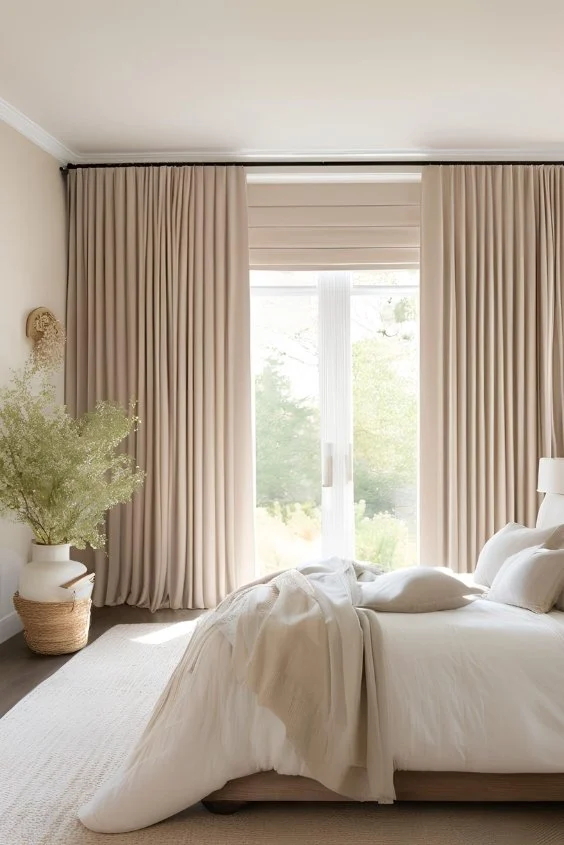
The foundation of successful neutral bedroom curtain styling lies in understanding the role of light, proportion, and balance. Start by measuring your windows accurately—both width and length—to determine the ideal drop length. A longer curtain that pools slightly on the floor adds an elegant, tailored look, while a hem that kisses the floor offers a cleaner, modern silhouette.
Next, consider the overall light exposure of the room. In sun‑filled spaces, lighter neutrals like ivory, soft gray, or warm beige help diffuse harsh rays, creating a gentle glow. In darker rooms, a slightly richer neutral, such as dove gray or muted taupe, can add depth without overwhelming the space. Pairing the curtain color with the wall tone ensures continuity; a common strategy is to match the curtain shade to the largest neutral element in the room, be it the wall, bedding, or rug.
Neutral Bedroom Curtain Styling Tips for Layering
- Begin with a sheer panel in a sheer white or light linen to filter light while preserving privacy.
- Add a heavier blackout layer in a complementary neutral for nighttime comfort.
- Use a decorative tie‑back in natural wood or brushed metal to introduce texture without breaking the color palette.
Choosing the Right Fabric and Color Palette
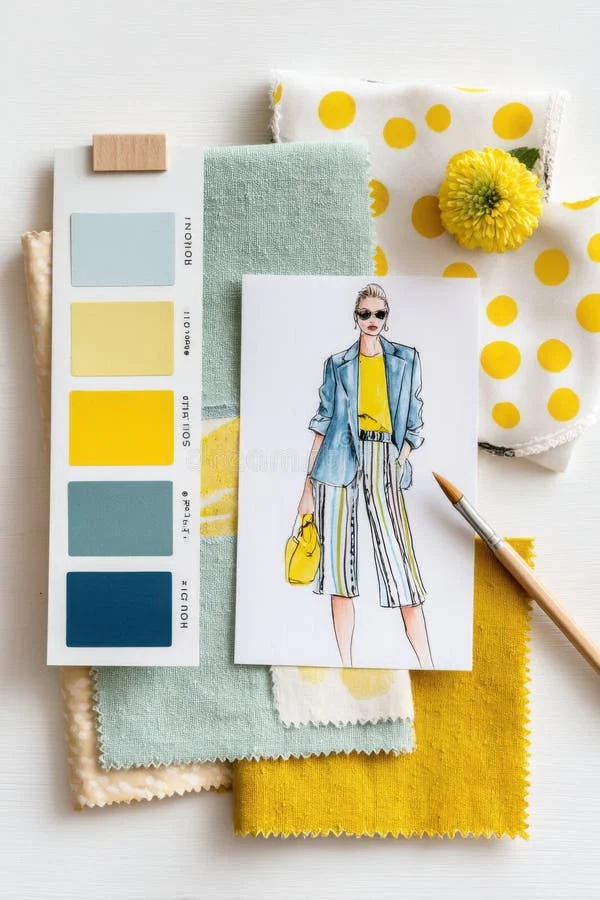
Fabric selection is a crucial component of neutral bedroom curtain styling. Natural fibers like linen, cotton, and bamboo provide breathable textures that soften the room’s acoustics. Linen, with its subtle creases, adds an organic, lived‑in feel that works beautifully in contemporary or coastal settings. Cotton offers a smoother finish and is ideal for households that require easy laundering.
For a more luxe aesthetic, consider a silk‑blend or a velvet in a muted tone. These fabrics introduce a gentle sheen, elevating the bedroom’s ambiance while still adhering to the neutral ethos. When selecting color, think in terms of undertones: warm neutrals (cream, sand) complement wood finishes, whereas cool neutrals (gray, greige) pair well with steel or glass elements. This subtle coordination creates a cohesive backdrop that lets other décor pieces—like artwork or bedding—be the focal points.
If you’re uncertain about the exact shade, purchase fabric swatches and drape them over the window for a few hours. Observe how the hue shifts with natural daylight versus artificial lighting; this test ensures your chosen neutral remains harmonious throughout the day.
Layering Techniques for Depth and Texture

Layering is where neutral bedroom curtain styling truly shines, allowing you to add visual interest without deviating from a muted palette. Start with a base layer of lightweight sheers to maintain privacy while allowing sunlight to filter through. Follow this with a heavier, opaque curtain that can be drawn for privacy or blackout when needed.
For added depth, consider a third layer—a decorative drape or a valance—crafted from a fabric with a subtle pattern, such as a tone‑on‑tone stripe or a delicate herringbone. Because the pattern is rendered in the same neutral family, it introduces texture without competing with the room’s color scheme.
Layered curtains also provide functional benefits. The sheer layer can be left open during the day for a breezy atmosphere, while the blackout layer can be pulled across for restful sleep. This flexibility is especially useful in urban apartments where streetlight intrusion is a concern.
Hardware and Finishing Details
The hardware you select plays a pivotal role in the overall success of neutral bedroom curtain styling. Choose finishes that echo other elements in the room—brushed nickel, matte black, or oil‑rubbed bronze are popular choices for modern interiors. If your bedroom leans toward a warm, natural aesthetic, consider hardware in antique brass or polished gold.
Rod placement can also affect perceived ceiling height. Mount the curtain rod a few inches above the window frame and extend it beyond the window width by at least six inches on each side. This technique visually widens the window, enhancing the sense of space. For a sleek, minimalist look, opt for a simple pole rod without decorative finials; for a touch of elegance, select finials that echo the room’s other metallic accents.
Don’t overlook the importance of proper curtain rings or grommets. Metal rings with a smooth finish slide easily, reducing wear on the fabric. Grommets provide a clean line and are especially suited for heavier fabrics, ensuring the curtain hangs evenly.
Styling for Different Bedroom Types
Not every bedroom is the same, and neutral bedroom curtain styling can be adapted to suit various layouts. In small apartments, floor‑to‑ceiling curtains in a light neutral can elongate the walls, making the room feel larger. Pair these with a simple, unadorned rod to keep the visual field uncluttered.
Master suites often benefit from richer neutrals and layered treatments. A combination of sheer linen curtains with a plush, weighted blackout in a deeper taupe adds a sense of luxury while preserving the calm atmosphere. Incorporating a valance with a subtle woven pattern can tie the bedding and headboard together, especially when the bed features a tufted or upholstered headboard in a complementary shade.
For rooms with unconventional windows—such as arched or bay windows—custom tailoring is essential. A neutral drape that follows the curve of the window can become a striking architectural feature, especially when paired with a simple rod that follows the curve’s apex. This approach maintains the cohesive neutral palette while celebrating the room’s unique shape.
Integrating Curtains with Overall Home Décor
Effective neutral bedroom curtain styling should never exist in isolation; it must converse with the room’s larger design language. If your home leans toward a transitional style, referencing our guide on What Is Transitional Home Decor? A Complete Guide can help you blend classic elements with modern simplicity. Pair neutral curtains with wooden nightstands, a soft area rug, and understated metallic accents for a balanced look.
When adding wall art or decorative mirrors, keep the frames in neutral tones or natural wood to maintain harmony. For a touch of personality, consider a statement piece—perhaps a large abstract print in muted blues or greens—that sits above the bed, using the curtains as a neutral backdrop that lets the artwork shine.
Finally, think about the bedroom’s connection to adjacent spaces. If the hallway features a minimalist line drawing, as discussed in Elevate Your Space: Wall Décor with Minimalist Line Drawings, echo that simplicity in your curtain choices. Consistency across rooms reinforces a cohesive home narrative.
Quick Tips for Neutral Bedroom Curtain Styling
- Choose a curtain length that either pools slightly or rests just above the floor for a polished appearance.
- Layer sheers with blackout curtains to maximize light control and visual interest.
- Match curtain hardware finishes with other metal accents in the room for seamless integration.
- Use fabric swatches to test how neutrals react to different lighting conditions before committing.
- Opt for subtle patterns—like tone‑on‑tone stripes—to add texture without breaking the neutral scheme.
Common Mistakes and How to Avoid Them
Even seasoned decorators can stumble when executing neutral bedroom curtain styling. One frequent error is selecting curtains that are too dark for a small room, which can make the space feel cramped. Counter this by pairing dark neutrals with lighter wall paint or a reflective ceiling.
Another misstep is overlooking hardware scale. Oversized finials or an overly thick rod can dominate a delicate, minimalist bedroom. Choose hardware proportionate to the window size and overall room scale.
Lastly, neglecting the curtain’s impact on acoustics can be a downside. Heavy fabrics like velvet not only look luxurious but also absorb sound, improving bedroom serenity. If you opt for lighter fabrics, consider adding a rug or upholstered headboard to compensate for sound absorption.
Frequently Asked Questions
What is the best fabric for neutral curtains in a bedroom?
Natural fibers such as linen, cotton, and bamboo provide breathability and a subtle texture, making them ideal for neutral bedroom curtain styling. For added luxury, silk‑blend or velvet in a muted shade offers a soft sheen and better sound absorption.
Can I mix different shades of neutral in one curtain set?
Yes, layering different neutral tones—like a light ivory sheer with a deeper gray blackout—adds depth while keeping the palette cohesive. The key is to stay within the same undertone family to avoid visual conflict.
How high should I install the curtain rod?
Mount the rod a few inches above the window frame and extend it beyond the window width by at least six inches on each side. This placement creates the illusion of taller ceilings and a wider window.
Do I need a valance if I’m using layered curtains?
A valance isn’t required but can enhance the look by providing a finished edge and an additional opportunity for texture or subtle pattern, especially in larger master suites.
Are neutral curtains suitable for a bedroom with a bold accent wall?
Absolutely. Neutral curtains act as a calming backdrop, allowing the accent wall to remain the focal point without competing with busy patterns or colors.
How can I keep neutral curtains looking fresh over time?
Choose fabrics that are machine‑washable or easy to spot‑clean, such as cotton or linen. Regularly vacuum dust from the curtains and rotate them to prevent uneven fading from sunlight.
Neutral bedroom curtain styling offers a timeless, adaptable foundation for any bedroom design. By thoughtfully selecting fabrics, mastering layering, and paying attention to hardware and room context, you can create a space that feels both serene and sophisticated. Experiment with the tips shared here, avoid common pitfalls, and let your bedroom become a true sanctuary. For more inspiration, explore other articles on Simple Wall Decoration Ideas for Every Home and discover how small details can elevate your entire living environment.