
Table of Contents
- What Is Moisture Control Potting Mix?
- Moisture Control Potting Mix vs Regular: Key Differences Explained
- Moisture Control Potting Mix vs Regular: Composition
- When to Choose Moisture Control Potting Mix
- When Regular Potting Soil Is the Better Choice
- How to Test Your Potting Mix for Proper Moisture Management
- Quick Tips for Balancing Moisture in Your Indoor Garden
- Common Mistakes When Using Moisture Control Potting Mix
- Frequently Asked Questions
- Can I use moisture control potting mix for succulents?
- How often should I water plants in a moisture control mix?
- Is moisture control potting mix safe for hydroponic setups?
- Do I need to add fertilizer to moisture control potting mix?
- Will a moisture control mix affect the aesthetic of my plant display?
- Integrating the Right Soil into Your Home Décor
Moisture Control Potting Mix vs Regular: Choosing the Best Soil for Healthy Indoor Plants
Indoor plants have become a staple of modern home décor, offering a breath of fresh air and a splash of natural color to any room. Yet, even the most visually striking foliage can wilt quickly if the growing medium doesn’t match the plant’s moisture needs. This is where the debate between moisture control potting mix and regular potting soil takes center stage. Understanding the subtle—yet critical—differences can mean the difference between a thriving indoor jungle and a collection of sad, drooping leaves.
In this article we’ll break down the science behind each type of mix, explore the practical implications for everyday plant owners, and give you actionable tips to select the perfect substrate for your space. Whether you’re a seasoned green thumb or just beginning to experiment with houseplants, the insights below will help you make an informed decision that aligns with both your gardening goals and your interior design aesthetic.
We’ll also weave in some fresh indoor plant décor ideas so you can see how the right soil choice enhances the overall look of your home, from minimalist line-drawn wall art to sleek workspace arrangements.
What Is Moisture Control Potting Mix?

Moisture control potting mix is engineered to regulate water availability to plant roots. It typically contains moisture‑retaining components such as peat moss, coconut coir, or vermiculite, balanced with aerating agents like perlite or pine bark. The goal is to create a substrate that holds enough water for consistent hydration while allowing excess moisture to drain away, preventing root rot.
Key characteristics:
- Water‑holding capacity: Holds moisture longer than regular mixes, making it ideal for plants that prefer evenly moist conditions.
- Drainage: Despite its retention abilities, the mix includes coarse particles that promote airflow and prevent waterlogging.
- pH balance: Often formulated to stay within a neutral range (6.0‑7.0), suitable for a broad spectrum of indoor species.
Moisture Control Potting Mix vs Regular: Key Differences Explained
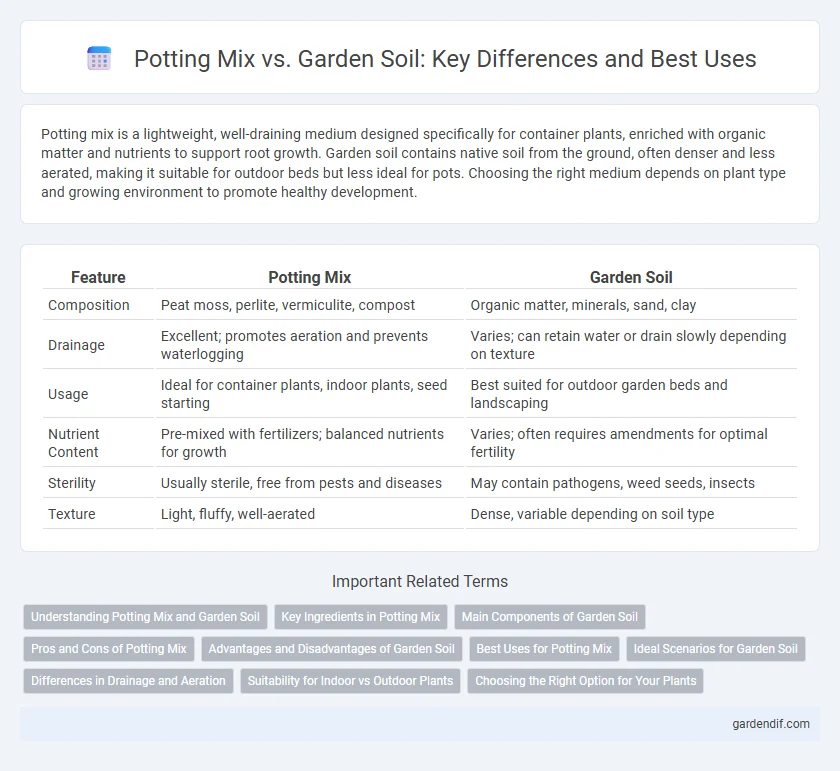
While both mixes aim to support plant growth, their composition and performance differ in several crucial ways. Below is a side‑by‑side comparison that highlights why the choice matters.
Moisture Control Potting Mix vs Regular: Composition
- Organic content: Moisture‑control blends rely heavily on organic fibers (coir, peat) for water retention, whereas regular potting soil may contain a higher proportion of composted bark or garden loam.
- Aeration agents: Both mixes include perlite or vermiculite, but moisture control mixes often increase the ratio to ensure proper airflow even when the medium is wet.
- Added fertilizers: Some moisture‑control mixes come pre‑fertilized with slow‑release nutrients, whereas regular mixes usually require supplemental feeding.
The practical upshot is that moisture control potting mix can stay moist for longer periods without becoming soggy, while regular potting soil dries out more quickly and may need more frequent watering.
When to Choose Moisture Control Potting Mix

Not every indoor plant requires the same moisture regime. Here are scenarios where moisture control potting mix shines:
- High‑humidity environments: If your home naturally stays humid (e.g., bathrooms or kitchens), the mix helps maintain consistent moisture levels without overwatering.
- Plants that dislike drying out: Ferns, calatheas, and many tropical species thrive when their roots stay evenly moist.
- Beginners: New growers often overwater; a moisture‑control blend provides a safety net by moderating water availability.
- Low‑light spaces: In dimmer rooms, water evaporates more slowly; a moisture‑control mix prevents the medium from staying too wet.
Pairing the right soil with the right plant can also enhance the visual appeal of your décor. Imagine a collection of trailing pothos cascading from a hanging basket placed near a minimalist line‑drawn wall art—the healthy, glossy leaves will complement the clean lines of the artwork, creating a cohesive design statement.
When Regular Potting Soil Is the Better Choice
Regular potting soil remains a reliable option for many indoor plants, especially those that prefer a drier root zone. Consider these situations:
- Succulents and cacti: These xerophytic plants need rapid drainage and minimal water retention—something a standard potting mix delivers.
- Well‑ventilated spaces: In rooms with good airflow, regular soil dries out quickly, matching the needs of plants that dislike constant moisture.
- Experienced growers: Seasoned gardeners who closely monitor watering schedules may prefer the simplicity of a regular mix.
- Cost considerations:
Moisture control mixes can be pricier due to specialized ingredients; regular potting soil often offers a more budget‑friendly option.
How to Test Your Potting Mix for Proper Moisture Management
Before committing to a large bag, it’s wise to test a small amount of the mix in your specific environment. Follow these steps:
- Moisture test: Add water to a handful of mix until it feels damp but not soggy. Squeeze it—if water drips, the mix may retain too much moisture for your plant.
- Drainage check: Place the mix in a pot with a drainage hole, pour a measured amount of water, and observe how quickly it exits.
- pH strip: Use a simple pH test strip to ensure the mix sits within the desired range for your plant species.
- Observation period: Plant a cuttings or a small houseplant and monitor its health over two weeks, noting any signs of over‑ or under‑watering.
These quick tests help you avoid costly mistakes and ensure that the chosen substrate aligns with the plant’s moisture preferences.
Quick Tips for Balancing Moisture in Your Indoor Garden
- Use a moisture meter to get objective readings rather than guessing by touch.
- Layer the bottom of the pot with a thin screen of coarse gravel to improve drainage.
- Group plants with similar watering needs together; this simplifies care routines.
- Adjust watering frequency based on seasonal changes—plants generally need less water in winter.
- Consider adding a layer of decorative pebbles on the surface; it reduces evaporation while adding a design element.
Common Mistakes When Using Moisture Control Potting Mix
Even with a superior substrate, errors can sabotage plant health. Here are pitfalls to avoid:
- Over‑watering: Because the mix holds more water, it’s easy to assume the plant needs less frequent watering—yet many growers still pour in excess, leading to root rot.
- Ignoring drainage: A pot without adequate holes negates the benefits of a moisture‑control blend, trapping water at the bottom.
- Mixing with regular soil: Combining the two can create an unpredictable water‑holding profile, confusing the plant’s needs.
- Neglecting repotting: Over time, organic components break down, reducing aeration. Refresh the mix every 12‑18 months.
Frequently Asked Questions
Can I use moisture control potting mix for succulents?
Generally, it’s not recommended. Succulents thrive in fast‑draining soils that dry out quickly. A regular potting mix with added perlite or a specialized cactus mix will provide the needed aeration.
How often should I water plants in a moisture control mix?
Check the top inch of the medium; when it feels dry to the touch, it’s time to water. This often translates to every 5‑7 days for tropicals, but always adjust based on your home’s humidity and temperature.
Is moisture control potting mix safe for hydroponic setups?
No. Hydroponics rely on water‑based nutrient solutions without a solid medium. Moisture control mixes contain organic matter that can decompose and clog hydroponic systems.
Do I need to add fertilizer to moisture control potting mix?
Many moisture‑control blends come pre‑fertilized for the first few months. After that, a balanced, water‑soluble fertilizer applied every 4‑6 weeks will keep plants thriving.
Will a moisture control mix affect the aesthetic of my plant display?
Indirectly, yes. Healthy, well‑watered plants maintain vibrant foliage, which enhances the visual impact of any décor element—whether it’s a sleek modern planter or a decorative pot that matches your minimalist workspace design.
Integrating the Right Soil into Your Home Décor
Choosing between moisture control potting mix and regular soil is more than a horticultural decision; it’s a design choice. A thriving plant becomes a living piece of art, contributing texture, color, and even scent to a room. Pair a moisture‑control blend with stylish planters that echo the lines of your furniture, or use a regular, fast‑draining mix for sculptural succulents that add geometric interest to a minimalist shelf.
Think of your indoor garden as an extension of your interior design palette. The right soil ensures that the plant’s health supports your aesthetic goals, rather than undermining them with wilted leaves or overgrown roots.
For further inspiration on blending greenery with contemporary design, explore our guide on cozy home trends that incorporate sustainable décor elements.
By understanding the nuances of moisture control potting mix vs regular, you can curate a healthier, more beautiful indoor garden that complements the overall vibe of your home. Happy planting!