
Table of Contents
- DIY décor with rope décor accents – Getting Started
- DIY décor with rope décor accents – Materials & Tools
- Rope‑Wrapped Storage Solutions
- DIY décor with rope décor accents – Creating Rope‑Wrapped Baskets
- Rope Accents for Wall Art & Shelving
- DIY décor with rope décor accents – Creating a Rope Wall Feature
- Rope‑Enhanced Furniture Makeovers
- Outdoor Rope Décor Ideas
- Quick Tips for Rope Décor Success
- Common Mistakes and How to Avoid Them
- Frequently Asked Questions
- Conclusion
DIY décor with rope décor accents – Transform Your Space Naturally
Rope may conjure images of sailing or rugged outdoor gear, but its natural texture and flexible strength make it a surprisingly elegant design element for modern homes. Whether you’re a seasoned DIY enthusiast or a renter looking for non‑permanent upgrades, rope can add warmth, visual interest, and a touch of organic charm without breaking the bank.
In this guide, we’ll explore a range of projects that let you incorporate rope into walls, furniture, storage, and outdoor spaces. You’ll learn which materials work best, how to avoid common pitfalls, and where to find inspiration for cohesive looks that blend seamlessly with existing décor. By the end, you’ll have a toolbox of ideas to create a personalized aesthetic that feels both contemporary and timeless.
Ready to give your home a subtle yet striking upgrade? Let’s dive into the world of DIY décor with rope décor accents and discover how a few simple loops and knots can redefine any room.
DIY décor with rope décor accents – Getting Started
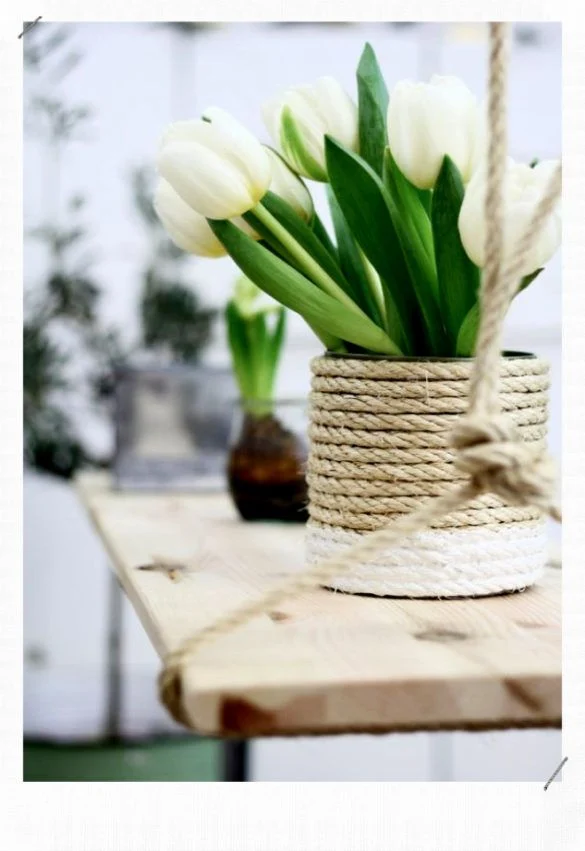
Before you cut the first strand, it’s helpful to understand why rope works so well in interior design. Its natural fibers—whether jute, sisal, hemp, or synthetic blends—bring tactile depth that contrasts nicely with smoother surfaces like glass, metal, or painted walls. Rope also offers a built‑in flexibility; you can wrap, braid, knot, or drape it to suit the scale of your project.
Start by assessing the rooms where you want to introduce rope accents. High‑traffic areas such as entryways and kitchens benefit from sturdy, low‑maintenance fibers like synthetic polypropylene, while softer natural ropes work beautifully in bedrooms or living rooms where they can be handled more delicately. Keep an eye on color palettes: neutral tones blend effortlessly, whereas dyed or painted rope can become a bold statement piece.
DIY décor with rope décor accents – Materials & Tools
- Rope types: jute (earthy, coarse), sisal (strong, slightly smoother), hemp (eco‑friendly, medium texture), cotton (soft, easy to dye), and synthetic (water‑resistant, UV‑stable).
- Cutting tools: sharp scissors or a rotary cutter for clean ends.
- Adhesives: hot‑glue gun for quick fixes, upholstery tack for heavier applications, and clear epoxy for waterproof projects.
- Finishing touches: wood glue, small nails, decorative beads, metal rings, and a sturdy drill with a screwdriver bit for anchor points.
- Safety gear: gloves to protect hands from splinters and goggles when using power tools.
Having the right supplies ensures that your DIY décor with rope décor accents looks polished and lasts for years.
Rope‑Wrapped Storage Solutions
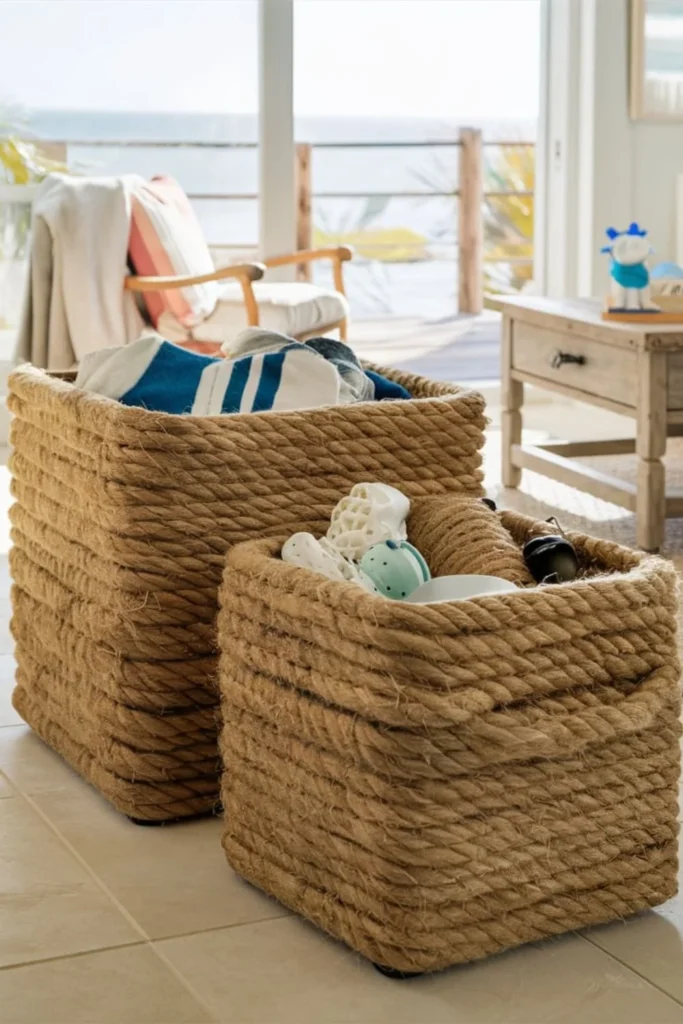
One of the most functional ways to use rope is to enhance storage. By wrapping baskets, jars, or even wooden crates, you add visual texture while reinforcing the containers for everyday use.
For a simple pantry upgrade, choose a set of glass jars, cut lengths of jute rope, and secure them around each jar with a hot‑glue gun. The rope not only hides the glass’s slickness but also creates a cohesive look that ties into other kitchen accessories.
DIY décor with rope décor accents – Creating Rope‑Wrapped Baskets
- Select a plain wicker basket and measure the circumference of its base.
- Cut a rope length 10% longer than the measurement to allow for overlap.
- Apply a thin line of wood glue along the basket’s edge and press the rope firmly, smoothing any bumps.
- Secure the end with a decorative metal clasp or a small dab of epoxy.
This technique can be repeated for multiple sizes, creating a tiered storage system that works beautifully in a bathroom vanity, a bedroom dresser, or a living‑room coffee table.
Another popular idea is the rope‑wrapped towel bar. Using a sturdy metal bar, wrap the rope tightly in a spiraling pattern, then anchor the ends with small wooden dowels. The result is a rustic‑yet‑modern towel holder that feels warm to the touch and complements both contemporary and coastal interiors.
Rope Accents for Wall Art & Shelving
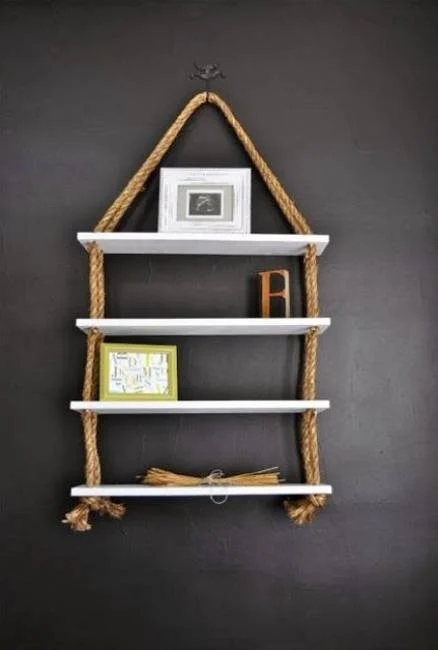
Walls are prime real estate for rope‑based projects. From geometric wall hangings to functional shelving, rope can turn a bland surface into a conversation starter.
Start with a simple rope wall grid. Stretch two parallel strands of thick rope across a wall, securing each end with decorative hooks. Then weave thinner cords horizontally and vertically to form a customizable grid. The grid can hold lightweight planters, photo frames, or even small shelves.
DIY décor with rope décor accents – Creating a Rope Wall Feature
For a dramatic focal point, try a rope‑wrapped wooden panel. Choose a reclaimed wood board, sand it smooth, and then wrap thick natural rope horizontally, securing each pass with a nail gun. Once the entire board is covered, add a few decorative metal hooks for hanging keys, scarves, or jewelry. This piece works especially well in entryways where you want a functional yet artistic statement.
If you already love the idea of floating shelves, incorporate rope by attaching a thick rope loop to each bracket, allowing the shelf to appear as if it’s floating on a rope suspension. The visual cue adds a sense of lightness, making the space feel larger—perfect for small apartments.
For inspiration on how rope can complement other décor elements, see our guide on minimalist wall shelves that balance simplicity with subtle texture.
Rope‑Enhanced Furniture Makeovers
Furniture is often the most noticeable element in a room, and a few rope touches can transform even the most ordinary pieces.
Consider a wooden coffee table that feels a bit too stark. By wrapping the table’s lower legs in thick hemp rope, you create a grounded look that softens the silhouette. Secure the rope with small wooden dowels placed at the interior of each leg, ensuring the wrap stays tight and even.
Another popular project is the rope‑bound headboard. Choose a simple wooden slat or an upholstered panel, then wrap thick jute rope in a tight, even spiral from the bottom up. Finish the top edge with a decorative metal finial for a polished look. This headboard instantly adds a boho‑chic vibe without overwhelming the room’s color scheme.
When reupholstering chairs, replace plastic or metal armrests with rope‑wrapped wooden dowels. Not only does this increase comfort, but it also introduces a tactile contrast that invites touch.
Outdoor Rope Décor Ideas
Rope isn’t limited to indoor spaces; it thrives outdoors where its durability and weather‑resistant options shine.
Start with a rope‑wound pergola. Wrap the vertical posts in thick sisal rope, securing each coil with a stainless‑steel nail. The rope not only adds a rustic charm but also helps protect the wood from moisture and UV damage.
For a patio makeover, create a rope‑bound hammock stand. Use sturdy cedar posts, attach thick natural rope in a criss‑cross pattern, and finish with a secure knot that can bear weight. The resulting structure feels light, airy, and invites relaxation.
Don’t forget smaller touches like rope‑wrapped lanterns, rope‑bound garden tool handles, or even a rope‑tied wind chime made from reclaimed wood and metal beads. These details weave a cohesive theme throughout your outdoor oasis.
Quick Tips for Rope Décor Success
- Choose the right rope weight for the project; heavier rope for structural elements, lighter rope for decorative accents.
- Pre‑measure and cut rope lengths a few inches longer than needed to allow for adjustments.
- Seal natural fibers with a clear matte sealer if you expect exposure to moisture or heavy use.
- Use a hot‑glue gun for quick fixes but switch to epoxy for permanent, load‑bearing applications.
- Mix rope with other natural materials—wood, metal, or stone—to create balanced, layered designs.
Common Mistakes and How to Avoid Them
Even the most enthusiastic DIYer can stumble when working with rope. Below are frequent errors and practical solutions.
Over‑tightening the rope can cause fraying and weaken the material over time. Keep tension firm but not excessive; a good rule of thumb is to be able to slide a fingernail under the wrap without tearing the fibers.
Using the wrong adhesive leads to premature failure. Hot glue is perfect for decorative pieces, but for shelves or furniture that support weight, opt for epoxy or wood glue that cures stronger.
Neglecting surface preparation can result in poor adhesion. Always sand wood surfaces lightly and wipe away dust before applying glue or nail.
Finally, avoid clashing colors. If your rope is a bold hue, keep surrounding décor neutral. Conversely, a neutral rope can be paired with vibrant accents to add a pop of interest.
Frequently Asked Questions
Can I use rope in a high‑humidity bathroom?
Yes, but choose synthetic or treated natural fibers that resist mold. Apply a clear waterproof sealant after installation to prolong the rope’s life.
How do I prevent rope from unraveling over time?
Secure ends with a dab of clear epoxy or heat‑shrink tubing. For decorative knots, tuck the tail under the existing wrap and glue it in place.
Is rope safe around children and pets?
When used on furniture edges or as decorative hangings, ensure knots are tight and there are no loose ends that could pose a choking hazard. Opt for thicker rope that won’t easily fray.
Can I dye natural rope to match my color scheme?
Absolutely. Use fabric dye or a spray paint formulated for natural fibers. Test on a small sample first to achieve the desired shade.
What’s the best way to store leftover rope?
Coil the rope loosely and keep it in a dry, temperature‑controlled space. Avoid folding, which can cause permanent creases.
Conclusion
Integrating rope into your home décor is an affordable, versatile way to add texture, warmth, and a hint of rustic elegance. From practical storage solutions to eye‑catching wall art, the possibilities are limited only by your imagination. By selecting the right rope type, preparing your surfaces carefully, and following proven techniques, you can create lasting pieces that feel both handcrafted and polished.
We hope this guide to DIY décor with rope décor accents inspires you to experiment in every room—whether you’re revamping a living‑room shelf, giving a bedroom headboard a new look, or adding a touch of nautical charm to an outdoor patio. For more ideas, explore our other articles on modern interior styling, such as kitchen cabinet color choices and modern cozy lighting ideas. Happy crafting, and enjoy the transformative power of rope in your home!