
Table of Contents
- Planning Your DIY apartment wall decoration
- Choosing the Right Layout for DIY apartment wall decoration
- Materials and Tools for DIY apartment wall decoration
- Creative Techniques: From Gallery Walls to Textured Panels
- Budget-Friendly Ideas for Small Spaces
- Installing and Maintaining Your DIY apartment wall decoration
- Quick Tips for DIY apartment wall decoration
- Common Mistakes and How to Avoid Them
- Frequently Asked Questions
DIY apartment wall decoration: Transform Your Small Space
Living in an apartment often means working with limited square footage, but that doesn’t have to restrict your ability to create a space that feels personal and polished. One of the most impactful ways to elevate a compact home is through the walls—whether you’re looking to add texture, color, or visual intrigue, a thoughtful wall makeover can instantly reshape a room’s atmosphere.
In this guide we’ll walk through everything you need to know about DIY apartment wall decoration, from planning and budgeting to selecting materials and avoiding common pitfalls. By the end, you’ll have a clear roadmap for turning blank walls into curated backdrops that reflect your style while staying renter‑friendly.
Whether you’re a first‑time renter, a seasoned DIY enthusiast, or simply curious about affordable design tricks, the strategies below are designed to be practical, flexible, and adaptable to a variety of apartment layouts.
Planning Your DIY apartment wall decoration
A successful wall project starts long before the first nail is hammered. Begin by assessing the purpose of each room: do you need a calming retreat in the bedroom, a focal point in the living area, or a functional gallery for art and photos? Sketch a simple floor plan, noting window placement, lighting sources, and any existing architectural features that could influence your design.
Next, decide on a visual theme. Modern minimalism, boho chic, industrial edge, or a blend of styles—all can be achieved with the right selection of colors, textures, and accessories. Keep the overall color palette limited to two or three complementary shades to maintain a cohesive look, especially in smaller spaces where too much contrast can feel chaotic.
Don’t forget to check your lease agreement for any restrictions on wall alterations. Many landlords allow removable solutions such as adhesive hooks, command strips, or temporary wallpaper, which keep your investment safe and reversible.
Choosing the Right Layout for DIY apartment wall decoration
Layout determines how the eye travels across a wall. A centered gallery creates balance, while an asymmetrical arrangement adds dynamism. Use painter’s tape to outline frames on the floor or directly on the wall before committing to holes. This low‑risk method lets you experiment with spacing and height without leaving marks.
For apartments with limited wall space, consider vertical stacking or a “ladder” arrangement that draws the eye upward, enhancing the perception of height. Remember to keep the center of the arrangement at eye level (about 57–60 inches from the floor) for optimal viewing comfort.
Materials and Tools for DIY apartment wall decoration
Choosing the right materials can make or break a project, especially when you’re balancing durability with renter‑friendly solutions. Here are the essentials:
- Adhesive solutions: Command strips, removable mounting putty, and double‑sided tape are ideal for hanging lightweight frames, decorative plates, or fabric panels without damaging paint.
- Paint and primers: Low‑VOC, washable paints are perfect for creating accent walls. If you prefer a non‑permanent option, peel‑and‑stick wallcoverings or removable wallpaper can provide color and pattern without the mess.
- Tools: A basic toolkit should include a measuring tape, level, pencil, utility knife, and a small drill with appropriate bits for wall anchors.
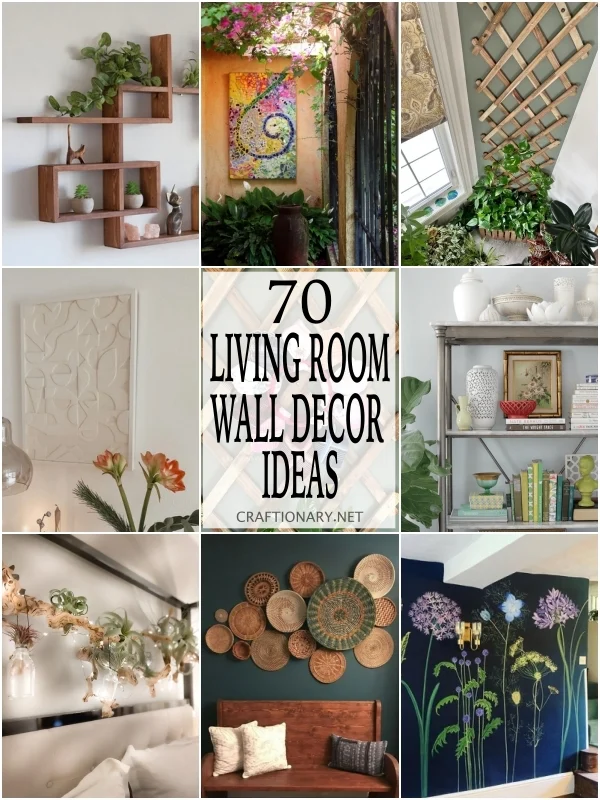
- Texture add‑ons: Wood slats, woven baskets, or reclaimed pallets can be attached with brackets or adhesive hooks to introduce depth and warmth.
When selecting finishes, think about maintenance. Matte paints hide fingerprints, while semi‑gloss is easier to wipe clean. For fabric applications, choose washable or stain‑resistant textiles—especially useful in high‑traffic zones like hallways or near entryways.
Creative Techniques: From Gallery Walls to Textured Panels
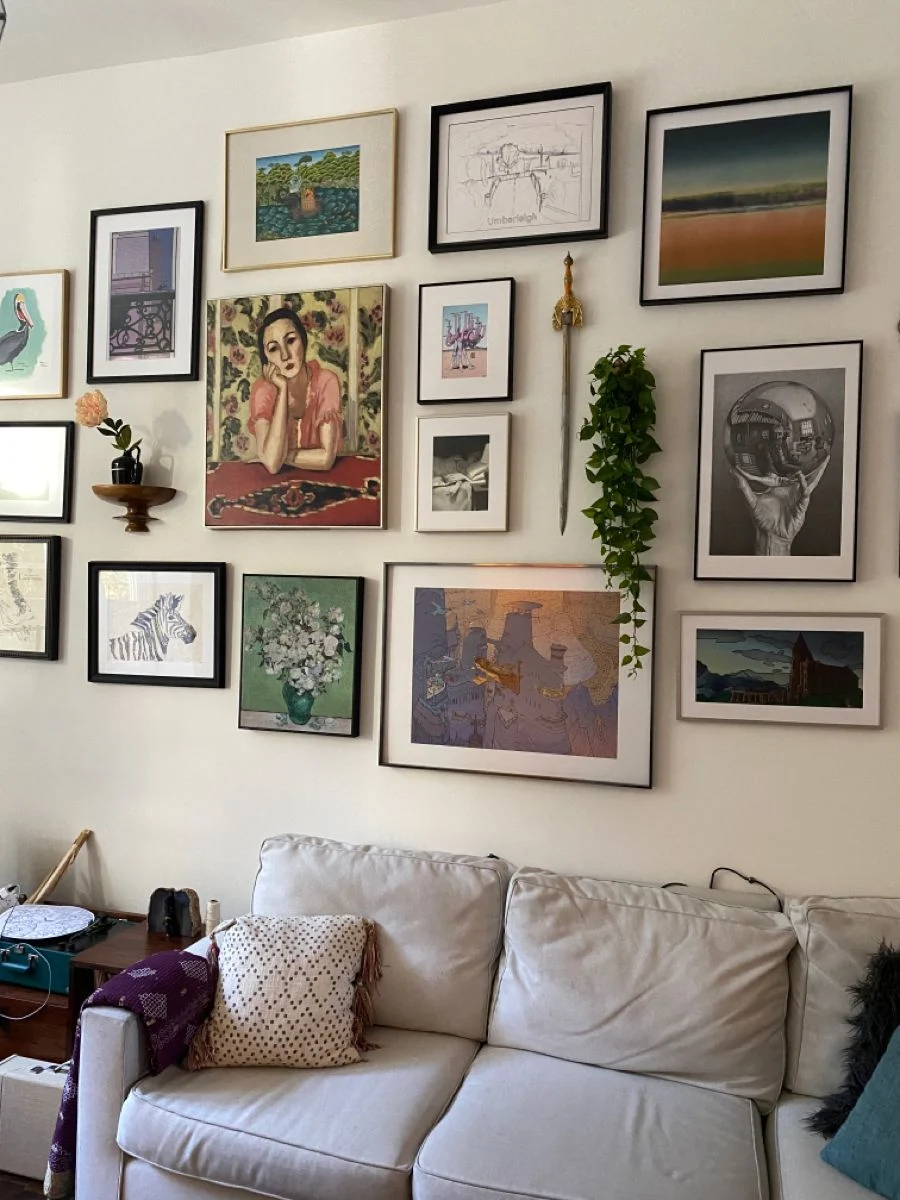
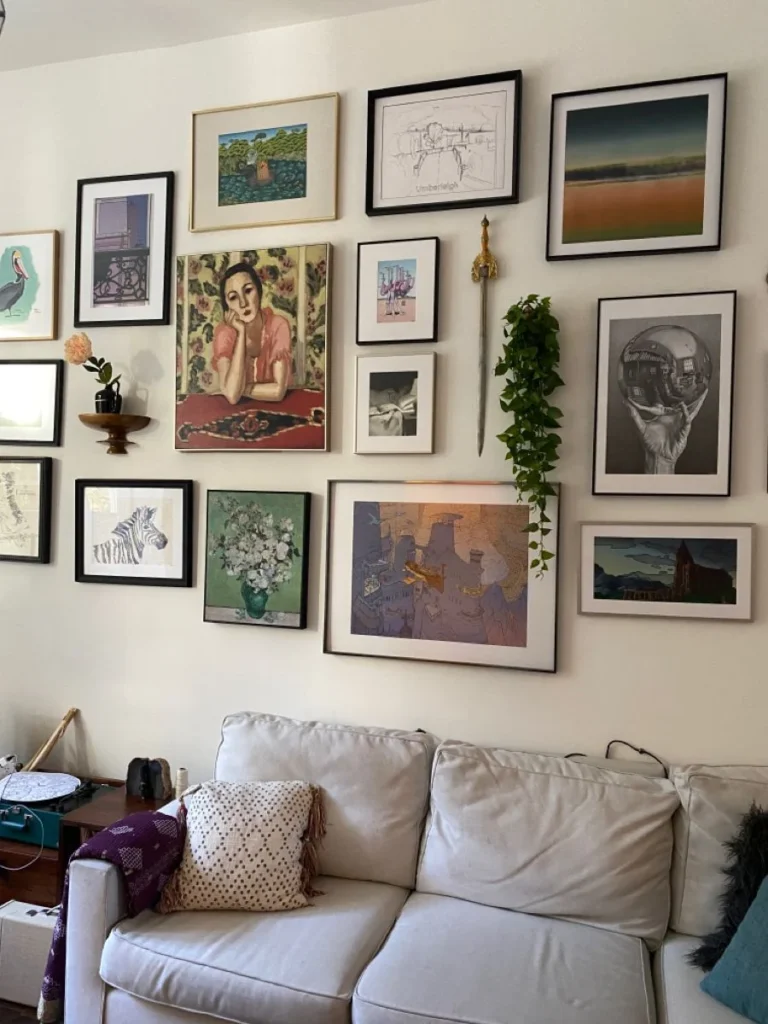
Now that you have a plan and the right supplies, it’s time to explore specific techniques. One of the most versatile options is a gallery wall. Mix framed art, photographs, and decorative objects of varying sizes for a curated look. Use a consistent frame color or material to unify disparate pieces, and incorporate occasional 3‑D elements such as metal sconces or small shelves.
If you crave texture, consider installing rope décor accents. Rope can be wrapped around wooden dowels and mounted as decorative rods, or woven into a hanging tapestry that adds a natural, tactile quality. This approach works especially well in living rooms where you might also explore minimalist wall shelves for displaying books and small plants.
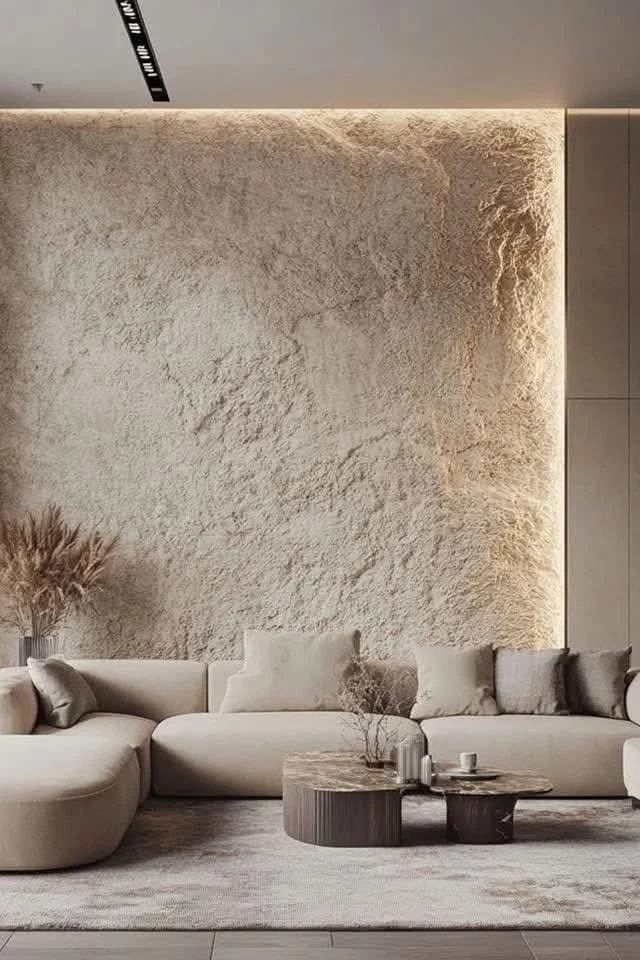
Another budget‑friendly idea is the use of removable wallpaper panels. Choose a bold pattern for a single statement wall, or a subtle geometric design that can be layered with other décor. Because the panels are peel‑and‑stick, they can be repositioned or removed when you move.
Budget-Friendly Ideas for Small Spaces
Decorating on a shoestring budget is entirely possible with a bit of creativity. Start with thrift store finds—vintage frames, reclaimed wood, or even old windows that can be repurposed as decorative canvases. A fresh coat of paint on a reclaimed pallet can transform it into a chic wall-mounted shelf for succulents or books.
DIY art is another cost‑effective strategy. Create abstract canvases using acrylic paints and masking tape, or print high‑resolution images from free stock photo sites and frame them yourself. For a pop of color, consider a “paint splash” technique where you flick paint onto a canvas for an instant modern artwork.
Lighting plays a huge role in how wall décor is perceived. Installing affordable LED strip lights behind floating shelves or along the top edge of a gallery wall can add ambient illumination and make the space feel larger. For inspiration on lighting, check out our guide on modern cozy living room lighting ideas.
Installing and Maintaining Your DIY apartment wall decoration
When it’s time to bring your vision to life, follow these practical steps:
- Mark the layout: Using a pencil and level, lightly draw the outline of each piece. Double‑check measurements before any drilling.
- Test adhesion: Apply a small amount of your chosen adhesive to a hidden area of the wall to ensure it won’t damage the paint.
- Secure fixtures: For heavier items, use appropriate wall anchors (plastic or metal) that match the wall type—drywall, plaster, or concrete.
- Step back and adjust: After hanging the first few pieces, step back to assess balance. Small tweaks now prevent larger corrections later.
- Maintain regularly: Dust frames and decorative elements with a microfiber cloth. For fabric panels, spot‑clean as needed, and re‑apply adhesive strips if they lose grip over time.
Remember, the key to renter‑friendly décor is reversibility. Keep a record of where you placed screws or anchors, and store them for future moves. When it’s time to relocate, simply remove the fixtures, fill any holes with spackle, and touch up with the original paint.
Quick Tips for DIY apartment wall decoration
- Use a laser level for perfectly straight rows of frames.
- Group items in odd numbers (3,5,7) for a more natural look.
- Mix materials—metal, wood, and fabric—to add depth without clutter.
- Incorporate a mirror to reflect light and make the room feel larger.
- Rotate seasonal décor every few months to keep the space fresh.
Common Mistakes and How to Avoid Them
Even seasoned DIYers can slip up. Here are the most frequent errors and simple fixes:
- Over‑crowding: Packing too many items onto one wall creates visual noise. Stick to a focal point and let negative space breathe.
- Ignoring scale: Large frames in a tiny room overwhelm the space. Opt for medium‑sized pieces that complement the room’s proportions.
- Improper anchoring: Using the wrong type of wall anchor can cause pieces to fall. Match the anchor to the weight of the item and the wall material.
- Neglecting lighting: Poor lighting hides details. Add accent lighting or place décor near existing light sources.
- Forgetting the lease: Always confirm that your wall solutions are removable. Command strips are a safe bet for most landlords.
Frequently Asked Questions
Can I paint an accent wall without damaging the apartment?
Yes. Use low‑VOC, water‑based paint and apply it with a roller or brush. When moving out, a fresh coat of the original color will usually cover any remnants, and many landlords consider a well‑executed paint job an improvement.
What’s the best way to hang heavy frames on drywall?
Use a stud finder to locate studs and mount the frame directly into them with wood screws. If a stud isn’t available, employ a toggle bolt or a molly anchor designed for heavier loads.
Are removable wallpapers truly damage‑free?
High‑quality peel‑and‑stick wallpapers are designed to leave no residue when removed carefully. Test a small hidden area first, and avoid applying on textured or freshly painted surfaces.
How can I add texture without drilling?
Adhesive hooks, command strips, or magnetic paint (if the wall is metal) allow you to attach wood slats, fabric panels, or rope décor without permanent holes.
Is it okay to combine different décor styles on one wall?
Mixing styles can create an eclectic, personalized look as long as you maintain a unifying element—such as a consistent color palette or frame material—to prevent visual chaos.
Ready to transform your apartment walls? Start with a clear plan, select renter‑friendly materials, and let your creativity guide each step. By embracing thoughtful layout, texture, and lighting, you’ll turn ordinary walls into a showcase of your personal style.